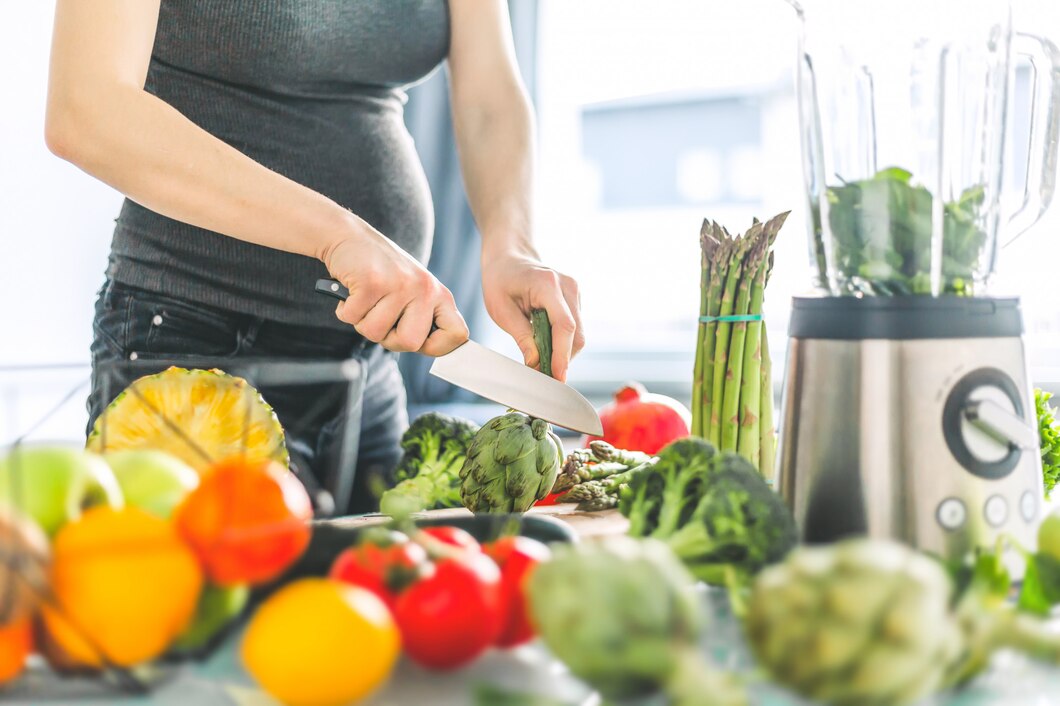
Plant-Based Nutrition is gaining widespread attention among expectant mothers who want to support a healthy pregnancy while aligning with ethical, environmental, or wellness-focused values. A well-planned plant-based pregnancy diet can absolutely meet the nutritional needs of both mother and baby—when it is done correctly. From key nutrients like vitamin B12, iron, and DHA to safe food planning and balanced meal ideas, understanding the science behind plant-based nutrition for pregnant women is essential. This comprehensive, evidence-based guide covers everything you need to know about following a plant-based diet during pregnancy safely and confidently.
Understanding Plant-Based Nutrition During Pregnancy
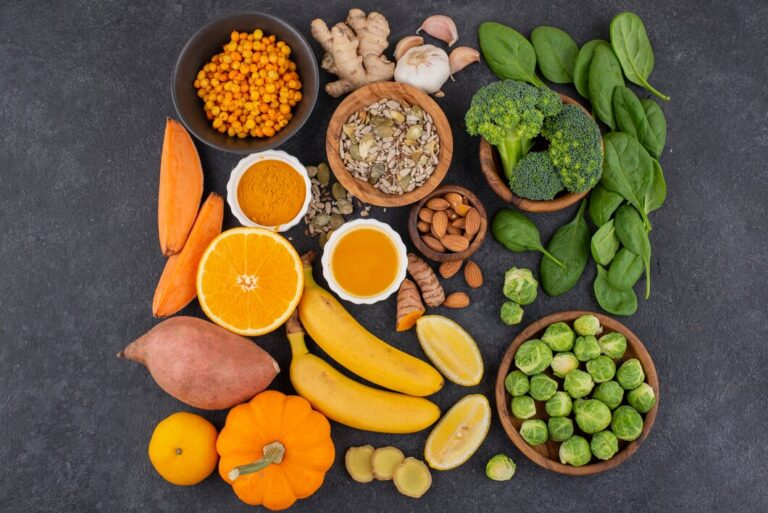
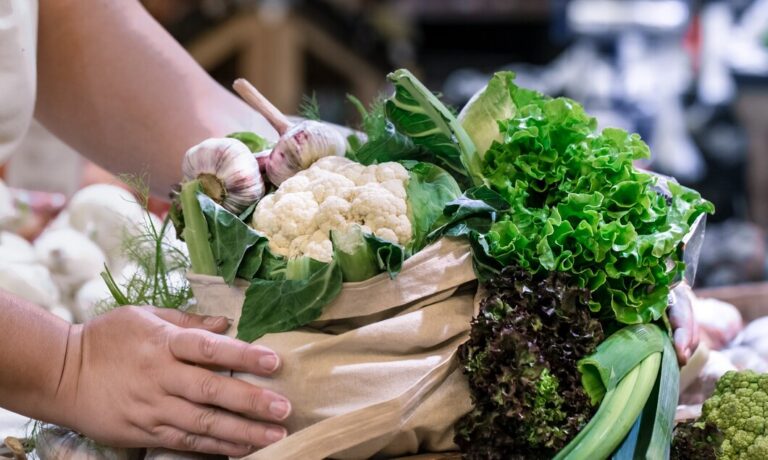
A plant-based diet during pregnancy focuses on whole, minimally processed plant foods such as fruits, vegetables, legumes, whole grains, nuts, seeds, and fortified foods. Some women choose a fully vegan diet while pregnant, while others follow a vegetarian pregnancy diet that includes dairy and/or eggs.
Regardless of the approach, pregnancy nutrition on a plant-based diet must be intentional. Pregnancy increases nutrient needs, and while plant foods are rich in fiber, antioxidants, and phytonutrients, certain micronutrients require extra attention.
Types of Plant-Based Pregnancy Diets
- Vegan pregnancy nutrition: Excludes all animal products
- Vegetarian nutrition for pregnancy: Includes dairy and/or eggs
- Flexitarian plant-based pregnancy diet: Mostly plant-based with occasional animal foods
All can be healthy options when properly planned.
Is Plant-Based Nutrition Safe for Pregnant Women?
Yes—major health organizations agree that a well-planned plant-based pregnancy diet is safe and appropriate for all stages of pregnancy.
According to nutrition research and professional dietetic associations:
- Plant-based diets can support healthy fetal growth
- Risks arise only when diets are poorly planned or lacking supplementation
- Nutrient density and bioavailability matter more than food labels
The key is education, balance, and monitoring.
Benefits of Plant-Based Nutrition for Pregnant Women
1. Improved Digestive Health
High fiber intake helps prevent constipation, a common pregnancy issue.
2. Lower Risk of Excessive Weight Gain
Whole plant foods are naturally nutrient-dense yet calorie-balanced.
3. Reduced Risk of Gestational Complications
Studies link plant-based diets with:
- Lower blood pressure
- Improved insulin sensitivity
- Reduced risk of gestational diabetes
4. Better Long-Term Health Outcomes
Plant-based pregnancy diets may reduce future risks of heart disease and metabolic disorders for both mother and child.
Key Nutrients in Plant-Based Pregnancy Nutrition (Evidence-Based Guide)
This section is critical. A healthy plant-based pregnancy diet is not about “eating salads”—it’s about meeting increased nutrient demands.
Vitamin B12: Non-Negotiable for Vegan Pregnancy Nutrition
Why B12 Matters
Vitamin B12 is essential for:
- Fetal brain and nervous system development
- DNA synthesis
- Red blood cell formation
The Risk
B12 is not naturally present in plant foods in reliable amounts.
Safe Sources of B12 for Pregnant Women
- Fortified plant milks
- Fortified breakfast cereals
- Nutritional yeast (fortified)
- B12 supplements (strongly recommended)
Evidence-Based Recommendation
- Minimum: 2.6 mcg/day during pregnancy
- Most experts recommend supplementation for anyone on a vegan or vegetarian pregnancy diet
Skipping B12 supplementation during pregnancy is unsafe.
Iron: Preventing Anemia on a Plant-Based Pregnancy Diet
Iron needs nearly double during pregnancy.
Why Iron Is Critical
- Supports oxygen transport
- Prevents maternal anemia
- Reduces risk of preterm birth
Iron-Rich Plant Foods for Pregnant Women
- Lentils
- Chickpeas
- Tofu and tempeh
- Pumpkin seeds
- Spinach and leafy greens
- Quinoa
- Blackstrap molasses
Improving Iron Absorption
- Pair iron-rich foods with vitamin C (citrus, bell peppers)
- Avoid tea/coffee around meals
- Use cast-iron cookware
Iron Supplementation
Some women may still require iron supplements—this should be guided by blood tests and medical advice.
DHA and Omega-3s: Brain Development Matters
Why DHA Is Essential
DHA supports:
- Fetal brain development
- Eye health
- Nervous system growth
The Plant-Based Challenge
ALA (from flax, chia, walnuts) converts poorly into DHA.
Safe DHA Sources for Vegan Pregnancy Nutrition
- Algae-based DHA supplements (best option)
- Fortified prenatal supplements
Evidence-Based Recommendation
- 200–300 mg DHA daily during pregnancy
Protein Needs on a Plant-Based Diet During Pregnancy
Protein needs increase significantly during pregnancy.
Plant-Based Protein for Pregnancy (Best Sources)
- Lentils and beans
- Tofu and tempeh
- Edamame
- Quinoa
- Soy milk
- Nut butters
- Seeds
Daily Protein Goal
- Approximately 1.1 g per kg of body weight
A varied plant-based pregnancy diet easily meets protein needs when calories are sufficient.
Calcium and Vitamin D in Vegetarian and Vegan Pregnancy Diets
Calcium-Rich Plant Foods
- Fortified plant milks
- Tahini
- Almonds
- Tofu set with calcium sulfate
- Leafy greens (bok choy, kale)
Vitamin D Sources
- Fortified foods
- Sun exposure
- Supplements (often necessary)
Iodine: The Overlooked Nutrient
Iodine supports thyroid function and fetal brain development.
Plant-Based Iodine Sources
- Iodized salt
- Seaweed (in moderation)
- Prenatal supplements
Excess seaweed can be harmful—balance is key.
Zinc, Choline, and Other Micronutrients
Zinc Sources
- Pumpkin seeds
- Whole grains
- Legumes
- Nuts
Choline Sources
- Soy products
- Quinoa
- Broccoli
- Brussels sprouts
Some pregnant women may benefit from prenatal supplements containing choline.
Safe Food Planning for Plant-Based Pregnancy Diets
Food safety becomes especially important during pregnancy.
Foods to Be Careful With
- Unpasteurized plant milks
- Raw sprouts
- Excessive seaweed
- Highly processed vegan junk foods
General Safety Tips
- Wash produce thoroughly
- Store food properly
- Prioritize whole foods
Healthy Plant-Based Pregnancy Meals: What a Balanced Plate Looks Like
A healthy plant-based pregnancy meal includes:
- Complex carbohydrates
- Protein-rich plant foods
- Healthy fats
- Micronutrient-dense vegetables
Example Plate
- Quinoa + lentil curry
- Steamed greens
- Avocado
- Fortified plant yogurt
Vegan Pregnancy Meal Plan (Sample Day)
Breakfast
- Oatmeal with chia seeds, berries, fortified soy milk
Snack
- Apple with almond butter
Lunch
- Chickpea and quinoa salad with tahini dressing
Snack
- Smoothie with spinach, banana, flax, and protein powder
Dinner
- Tofu stir-fry with brown rice and vegetables
Evening
- Fortified plant yogurt or nuts
This vegan pregnancy meal plan supports energy, iron, protein, and omega-3 needs.
Plant-Based Pregnancy Meal Ideas (Quick & Easy)
- Lentil vegetable soup
- Tofu scramble with vegetables
- Bean and avocado wraps
- Sweet potato and black bean bowls
- Smoothies with fortified plant milk
Managing Common Pregnancy Symptoms on a Plant-Based Diet
Nausea
- Ginger tea
- Plain crackers
- Small frequent meals
Heartburn
- Avoid spicy foods
- Eat slowly
- Stay upright after meals
Fatigue
- Ensure adequate iron and B12
- Eat enough calories
Plant-Based Prenatal Diet Tips for Each Trimester
First Trimester
- Focus on nausea-friendly foods
- Prioritize folate and B12
Second Trimester
- Increase protein and iron
- Add healthy snacks
Third Trimester
- Emphasize calcium and DHA
- Eat smaller, nutrient-dense meals
Pregnancy Nutrition on a Plant-Based Diet: Supplements Checklist
Most plant-based pregnant women benefit from:
- Prenatal multivitamin
- Vitamin B12
- DHA (algae-based)
- Vitamin D
- Iron (if needed)
Always consult a healthcare provider.
Common Myths About Vegan Diet While Pregnant
Myth 1: Plant-based diets are unsafe in pregnancy
Truth: Poor planning—not plant foods—is the risk.
Myth 2: You can’t get enough protein
Truth: Legumes and soy easily meet needs.
Myth 3: Babies will be underweight
Truth: Well-planned diets support healthy birth weights.
When to Seek Professional Guidance
Consider consulting:
- A registered dietitian
- A prenatal nutrition specialist
- Your OB-GYN
Especially if you have:
- Anemia
- Thyroid issues
- Multiple pregnancies
Final Thoughts: Thriving on Plant-Based Nutrition During Pregnancy
A thoughtfully planned plant-based nutrition for pregnant women approach can support a healthy pregnancy, optimal fetal development, and long-term maternal well-being. Whether following a vegan pregnancy diet, vegetarian pregnancy diet, or mostly plant-based lifestyle, success comes down to education, balance, and evidence-based choices.
By focusing on key nutrients like B12, iron, DHA, prioritizing safe food plans, and embracing a variety of plant-based foods for pregnancy, expectant mothers can nourish themselves and their babies with confidence.
Plant-based pregnancy nutrition isn’t about restriction—it’s about intentional nourishment.
About the Author