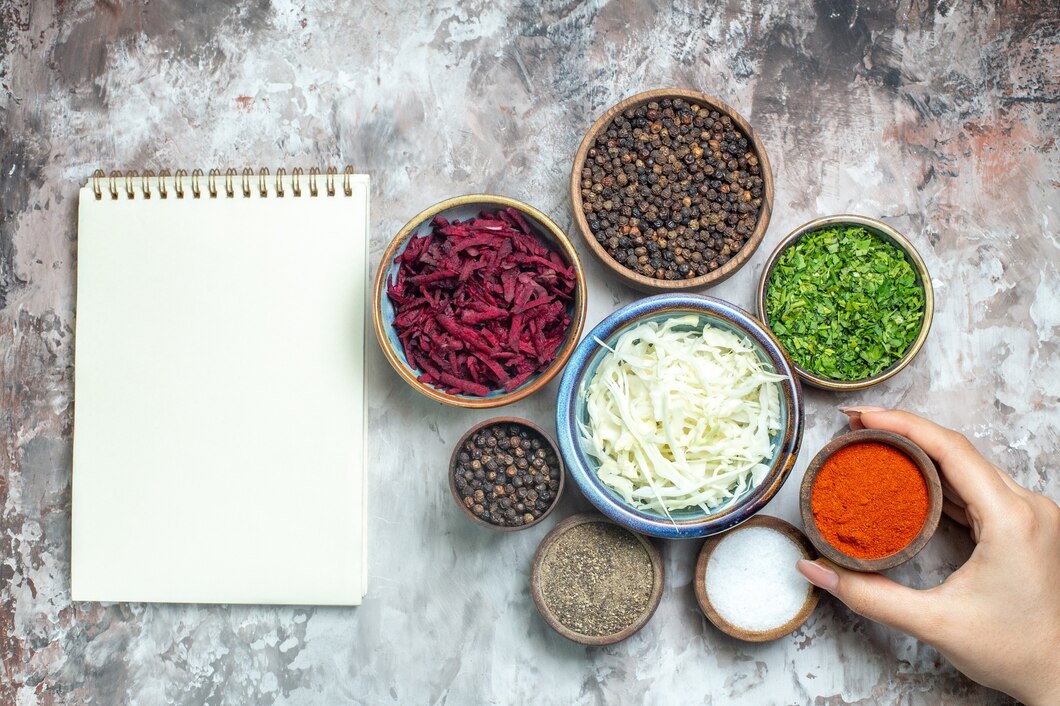
Inflammation is the body’s natural immune response, but chronic inflammation can contribute to pain, stiffness, fatigue, and long-term health complications such as arthritis, metabolic syndrome, heart disease, and even cancer. The plant-based anti-inflammatory diet is emerging as one of the most effective dietary approaches to lower chronic inflammation naturally, without relying on prescription medications or aggressive treatments. This comprehensive plant-based anti-inflammatory diet guide will walk you through the science, the foods that heal, powerful recipes, and how to make this way of eating part of your everyday life.
Whether you’re looking for a vegan anti-inflammatory diet, a vegetarian anti-inflammatory diet, a complete anti-inflammatory meal plan plant-based, or guidance on plant-based foods that reduce inflammation, this resource has you covered.
We’ll also explore how to use a plant-based diet for inflammation, explain how to follow a plant-based anti-inflammatory diet, and show you the best plant-based foods for reducing inflammation with delicious meal ideas. If you’re a beginner, the plant-based anti-inflammatory diet for beginners section will give you a simple starting point. For those with joint pain or inflammatory conditions, you’ll also find guidance on a vegan anti-inflammatory diet for joint pain.
Understanding Inflammation and Diet
Inflammation is part of your body’s healing process. When you get injured or fight infection, your immune system releases chemicals and white blood cells to protect and heal you. That’s acute inflammation, and it’s healthy.
But when inflammation persists over weeks or years — known as chronic inflammation — it can damage tissues and organs and lead to diseases like arthritis, type 2 diabetes, and cardiovascular problems.
Diet and Inflammation — The Scientific Link
What you eat profoundly affects your body’s inflammatory response. Certain foods trigger inflammatory pathways, while others help shut them down or reduce oxidative stress. Many studies show that plant-rich diets, especially those high in fruits, vegetables, nuts, seeds, legumes, and whole grains, are associated with lower levels of inflammatory markers — such as C-reactive protein (CRP), interleukin-6 (IL-6), and tumor necrosis factor-alpha (TNF-α) are key biomarkers involved in the body’s inflammatory response.
In contrast, ultra-processed foods, refined sugars, trans fats, high amounts of some dairy products are linked with increased inflammation and weight gain — factors known to worsen pain and chronic conditions.
What Is a Plant-Based Anti-Inflammatory Diet?
A plant-based anti-inflammatory diet emphasizes consuming primarily plants — vegetables, fruits, whole grains, legumes, nuts, seeds, herbs, and spices — while minimizing or avoiding inflammation-promoting foods like processed snacks, fried foods, refined grains, and added sugars.
Key principles include:
✅ Focus on whole, unprocessed plant foods
✅ Include a wide range of colors (phytonutrients)
✅ Balance healthy fats (omega-3s from seeds, nuts, avocados)
✅ Avoid or limit animal products, especially processed and high-fat meats
✅ Use herbs and spices that support anti-inflammatory pathways
✅ Drink plenty of water and green tea
Whether you choose a fully vegan anti-inflammatory diet or a vegetarian anti-inflammatory diet, the goal is the same: feed your body with foods that support healing and peace within your immune system.
Anti-Inflammatory Plant-Based Foods — What to Include
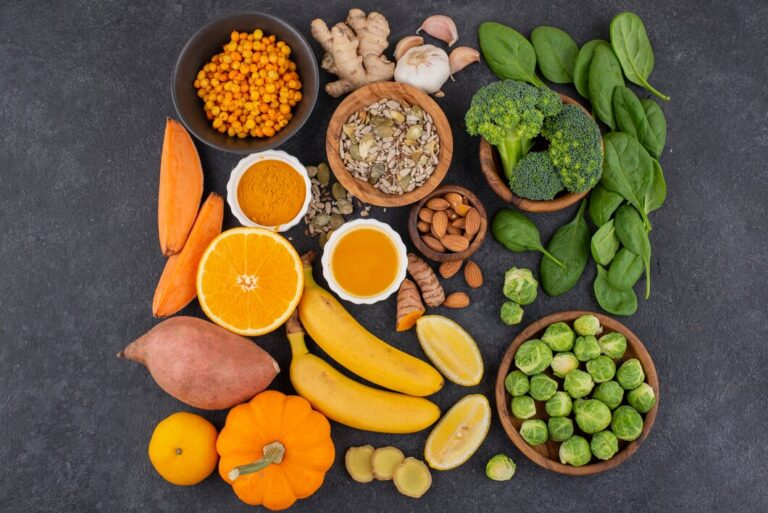
Here’s a breakdown of the most powerful anti-inflammatory foods plant-based that should form the foundation of your eating plan:
🌿 1. Colorful Fruits
Fruits are rich in antioxidants and phytochemicals that reduce oxidative stress and inflammation.
- Berries (blueberries, strawberries, raspberries, blackberries)
- Cherries
- Oranges & citrus
- Pineapple
- Pomegranate
- Grapes
🥦 2. Vegetables — Especially Leafy Greens
Leafy greens contain vitamins, minerals, and polyphenols that counter inflammation.
- Spinach
- Kale
- Swiss chard
- Collards
- Broccoli & cruciferous veggies (cauliflower, Brussels sprouts)
3. Legumes
Beans, lentils, and peas provide fiber, protein, and resistant starch — all linked with lower inflammation.
- Black beans
- Chickpeas
- Lentils
- Kidney beans
- Green peas
🌾 4. Whole Grains
Swap refined carbs for whole grains to prevent blood sugar spikes and inflammatory responses.
- Quinoa
- Brown rice
- Oats
- Barley
- Buckwheat
🥑 5. Healthy Fats
Plant fats rich in omega-3s help counter pro-inflammatory omega-6s.
- Walnuts
- Flaxseeds
- Chia seeds
- Hemp seeds
- Avocados
- Extra-virgin olive oil
🥜 6. Nuts & Seeds
These offer a double punch of healthy fats and phytonutrients.
- Almonds
- Cashews
- Pistachios
- Pumpkin seeds
- Sunflower seeds
🍄 7. Herbs & Spices
Powerful anti-inflammatory tools in every kitchen.
- Turmeric (curcumin)
- Ginger
- Garlic
- Cinnamon
- Cayenne
- Rosemary
- Basil
- Oregano
☕ 8. Beverages
Drink for inflammation reduction and hydration.
- Green tea
- Herbal teas (ginger, turmeric, chamomile)
- Water with lemon
Foods to Avoid or Limit
The opposite of a plant-based anti-inflammatory diet includes foods known to promote inflammation:
❌ Processed meats (bacon, sausage, deli meats)
❌ Refined sugars and sweets
❌ White flour and refined grains
❌ French fries and fried foods
❌ Soda and sugary drinks
❌ Excessive dairy and high-fat animal products
❌ Artificial additives and high-fructose corn syrup
Reducing or eliminating these foods can significantly lower inflammatory markers and improve joint comfort, energy, and overall wellness.
How to Follow a Plant-Based Anti-Inflammatory Diet
1. Start With Whole Foods
Focus your plate on foods in their most natural form:
- Whole fruits and vegetables
- Beans and lentils
- Whole grains like quinoa and brown rice
- Seeds and nuts
- Herbs and spices
2. Eat the Rainbow Every Day
Include colorful produce — each color represents different phytochemicals with anti-inflammatory action.
3. Prioritize Omega-3 Fatty Acids
Include flaxseed, chia, walnuts, and hemp seeds daily. Consider algae-based omega-3 supplements if needed.
4. Use Anti-Inflammatory Spices Liberally
Add turmeric, ginger, garlic, cinnamon, and black pepper to meals for flavor and healing benefits.
5. Plan Balanced Meals
Each meal should have:
✔ Carbohydrates (whole grains, starchy veggies)
✔ Plant-based protein (legumes, tofu, tempeh, seitan)
✔ Healthy fats (avocado, nuts, seeds)
✔ Fiber-rich veggies and herbs
6. Hydrate Well
Drink water throughout the day; green tea supports antioxidants and metabolic health.
7. Track Progress and Adjust
Monitor symptoms like pain, stiffness, bloating, and energy to see improvements and tailor your diet.
Anti-Inflammatory Plant-Based Meal Plan (Weekly Guide)
Here is a simple anti-inflammatory meal plan plant-based to get you started. Portions depend on individual calorie needs.
DAY 1 — Whole-Food Clean Start
Breakfast: Turmeric Chia Pudding with Berries
Lunch: Lentil & Kale Soup + Quinoa
Snack: Apple slices with almond butter
Dinner: Roasted Veggie Bowl with Tahini Lemon Sauce
Herbal Tea: Ginger tea
DAY 2 — High-Fiber Healing
Breakfast: Oatmeal with Flaxseed, Cinnamon, and Berries
Lunch: Spinach & Chickpea Salad with Lemon-Olive Oil Dressing
Snack: Carrot sticks with hummus
Dinner: Baked Tofu and Broccoli Stir-Fry over Brown Rice
Tea: Green tea
DAY 3 — Omega Boost
Breakfast: Green Smoothie (Spinach, Frozen Banana, Chia Seeds, Almond Milk)
Lunch: Quinoa Salad with Walnuts, Pomegranate, Cucumber
Snack: Mixed nuts and seeds
Dinner: Sweet Potato & Black Bean Chili
Tea: Turmeric tea
DAY 4 — Comfort, Naturally
Breakfast: Berry + Hemp Seed Parfait with Coconut Yogurt
Lunch: Lentil Wrap with Veggies & Avocado
Snack: Celery sticks & almond butter
Dinner: Eggplant & Chickpea Curry with Brown Rice
Tea: Cinnamon herbal tea
DAY 5 — Vibrant Colors
Breakfast: Mango & Spinach Smoothie Bowl
Lunch: Roasted Beet & Kale Salad with Walnuts
Snack: Sliced Pear with Cinnamon
Dinner: Stuffed Bell Peppers with Quinoa & Black Beans
Tea: Mint herbal tea
DAY 6 — Plant-Powered Protein
Breakfast: Tofu Scramble with Spinach & Turmeric
Lunch: Mediterranean Farro Bowl
Snack: Fresh fruit
Dinner: Mushroom & Lentil Bolognese with Whole-Grain Pasta
Tea: Green tea
DAY 7 — Celebration Plate
Breakfast: Almond Butter Banana Toast on Whole-Grain Bread
Lunch: Veggie Stir-Fry with Tempeh
Snack: Trail mix (walnuts, pumpkin seeds, dried cherries)
Dinner: Cauliflower “Steak” with Chimichurri
Tea: Chamomile
Anti-Inflammatory Foods Plant-Based — Deep Science Highlights
Here’s why certain plant foods work so well:
Berries
Rich in anthocyanins — potent antioxidants that help reduce inflammatory signaling molecules.
🍅 Tomatoes
Contain lycopene and other phytonutrients which combat inflammation and oxidative stress.
🌰 Nuts & Seeds
They supply beneficial fats along with antioxidants such as vitamin E, helping defend cells and support the body’s natural anti-inflammatory processes.
🥑 Avocado
High in monounsaturated fats and vitamins that aid cellular repair and reduce inflammatory responses.
🍵 Green Tea
Loaded with polyphenols like EGCG, known for their anti-inflammatory and metabolic benefits.
🌱 Turmeric & Curcumin
Curcumin is one of the most powerful natural anti-inflammatory compounds — especially when paired with black pepper for better absorption.
Easy Anti-Inflammatory Recipes (Plant-Based)
🥄 1. Turmeric Chia Pudding
Ingredients:
- 3 tbsp chia seeds
- 1 cup almond milk
- ½ tsp turmeric
- ¼ tsp cinnamon
- 1 tbsp maple syrup
- Berries for topping
Method:
Combine all ingredients except the berries, chill overnight, and add the berries before serving.
🥗 2. Rainbow Lentil Salad
Ingredients:
- Cooked green lentils
- Chopped kale
- Diced cucumber, tomato, peppers
- Lemon juice
- Olive oil
- Salt & pepper
Method:
Combine, toss with dressing, serve chilled.
🍲 3. Sweet Potato & Black Bean Chili
Ingredients:
- Sweet potatoes, cubed
- Black beans, cooked
- Onion, garlic
- Crushed tomatoes
- Chili powder, cumin, paprika
Method:
Sauté onion/garlic, add spices, sweet potatoes, beans, tomatoes, simmer until tender.
🍝 4. Mushroom & Lentil Bolognese
Ingredients:
- Brown lentils
- Mushrooms, chopped
- Tomato paste
- Garlic, onion
- Italian herbs
Method:
Sauté veggies, add lentils and tomato paste, simmer until rich.
Plant-Based Anti-Inflammatory Diet for Beginners
If you’re new to this lifestyle:
✔ Start with small swaps — replace sugar with fruit
✔ Fill half your plate with colorful veggies
✔ Choose beans or lentils over animal protein
✔ Try meatless meals 3–5 days a week first
✔ Keep your pantry stocked with whole grains, seeds, herbs
Remember, progress is better than perfection.
Vegan Anti-Inflammatory Diet for Joint Pain
Joint pain — especially from arthritis — responds very well to plant-derived antioxidants and omega-3 fatty acids. Research shows that reducing saturated fats and increasing anti-inflammatory compounds can lower pain and stiffness, while improving mobility.
Key focus areas for joint pain:
✔ Turmeric & ginger daily
✔ Flaxseed and walnuts for omega-3s
✔ Leafy greens for vitamin K
✔ Beans and lentils for fiber
✔ Avoiding dairy and processed meats
Lifestyle Tips to Enhance Anti-Inflammatory Effects
Diet is powerful, but pairing it with healthy habits amplifies results:
✨ Move daily — walking, yoga, strength training
✨ Prioritize sleep
✨ Manage stress with meditation or breathing
✨ Stay hydrated
✨ Reduce alcohol and tobacco
These support your immune system and reduce inflammatory triggers.
Final Takeaway
A plant-based anti-inflammatory diet isn’t a restrictive fad — it’s a long-term, nourishing way of eating that supports your entire body, from immune function to energy to pain reduction. By choosing whole foods, colorful plants, legumes, seeds, herbs, and mindful eating practices, you can reduce chronic inflammation and reclaim comfort and vibrancy in your life.
This plant-based anti-inflammatory diet guide gives you the science, foods, meals, strategies, and recipes you need. Whether you adopt a vegan anti-inflammatory diet, a vegetarian anti-inflammatory diet, or a customized plant-focused anti-inflammatory approach, the healing power of plants is on your side.
About the Author