


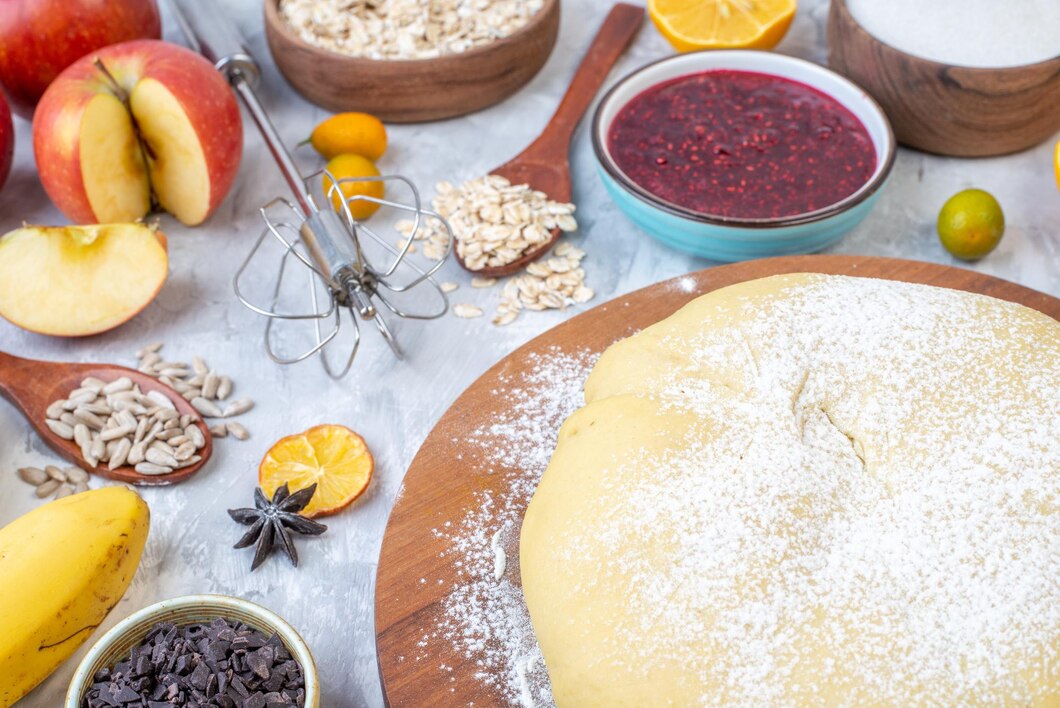
Baking without animal-based ingredients is no longer a challenge thanks to modern vegan baking substitutes that replicate structure, moisture, richness, and flavor with impressive accuracy. Whether you are fully plant-based or simply experimenting with dairy free baking substitutes, understanding how vegan baking replacements work will help you achieve consistently excellent results. This in-depth vegan baking substitutes guide explains the science behind vegan baking alternatives, explores essential vegan baking ingredients, and provides step-by-step tutorials so you can confidently bake cakes, cookies, breads, pastries, and desserts without compromise.
This guide is designed for beginners and experienced bakers alike, offering practical ratios, texture tips, and troubleshooting advice so every recipe turns out exactly as intended.
How Vegan Baking Substitutes Work
Traditional baking relies on specific ingredient functions: binding, fat distribution, moisture retention, and leavening support. Vegan baking substitutes are selected not as direct copies, but as functional replacements that achieve the same results through plant-based chemistry.
Successful vegan baking depends on matching the role, not the ingredient itself. For example:
- Binding is achieved using fiber-rich or starch-based components
- Moisture comes from fruit purées, plant milks, and oils
- Fat structure is provided by vegan butter substitutes or plant oils
- Creaminess is achieved through blended nuts or coconut-based products
Understanding this principle allows you to choose the best vegan baking alternatives for any recipe.
Essential Vegan Baking Ingredients Every Baker Should Know
Before diving into specific replacements, it’s helpful to stock your kitchen with versatile vegan baking ingredients that appear across many recipes.
Core Vegan Baking Pantry Items
- Plant-based milk (soy, oat, almond)
- Vegan butter substitutes
- Neutral oils (sunflower, avocado)
- Coconut oil
- Applesauce
- Bananas
- Silken tofu
- Baking powder and baking soda
- Vinegar or citrus juice (for reaction support)
These ingredients form the foundation of most vegan baking replacements.
Plant-Based Binding Substitutes: A Detailed Guide
Binding substitutes are critical in vegan baking, as they hold ingredients together and contribute to structure.
1. Ground Seed Gel (Flax or Chia Alternative)
One of the most reliable vegan baking substitutes for binding.
Best used in:
Cookies, brownies, muffins, pancakes, quick breads
How to prepare:
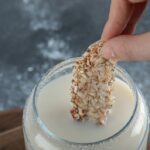
1 tablespoon ground seeds + 2.5 tablespoons warm water
Let rest 5–10 minutes until thick and gel-like
Why it works:
Soluble fiber absorbs liquid and forms a binding gel that stabilizes batters and doughs.
2. Mashed Banana
Mashed banana offers both binding and moisture.
Best used in:
Cakes, muffins, breakfast loaves
Ratio:
¼ cup mashed banana per replacement
Texture impact:
Adds softness and mild sweetness
3. Unsweetened Applesauce
Applesauce is a staple in vegan baking alternatives.
Best used in:
Cakes, cupcakes, snack bars
Ratio:
¼ cup applesauce per replacement
Pro tip:
Combine applesauce with oil for better moisture balance.
4. Silken Tofu (Blended)
Silken tofu creates a smooth, stable structure with minimal flavor impact.
Best used in:
Cheesecake-style desserts, dense cakes, brownies
Ratio:
¼ cup blended silken tofu
Dairy Free Baking Substitutes Explained
Dairy contributes fat, moisture, and richness. Vegan baking replacements perform these functions using plant-based sources.
Vegan Milk Substitutes for Baking
Plant-based milk is one of the easiest substitutions.
Best Vegan Milk Substitutes for Baking
- Soy milk (high protein, excellent structure)
- Oat milk (rich and creamy)
- Almond milk (light and neutral)
- Coconut milk (high fat, rich texture)
Replacement ratio:
1:1 in almost all recipes
Baking tip:
Unsweetened varieties give the best control over sweetness.
Vegan Butter Substitutes: Texture and Flavor Breakdown
Fat choice dramatically affects baked goods. Understanding vegan butter substitutes helps you control crumb, flakiness, and richness.
1. Store-Bought Vegan Butter
Best for:
Cookies, frostings, pastries, laminated doughs
Why it works:
Balanced fat-to-water ratio similar to traditional butter
Use:
1:1 replacement
2. Coconut Oil
Best for:
Shortbread, crusts, bars
Solid vs melted:
- Solid for crumbly textures
- Melted for dense, moist results
3. Neutral Oils
The discussion of oil vs butter in vegan baking is important.
Oil advantages:
- Moist texture
- Longer shelf life
Butter-style alternatives advantages:
- Better aeration
- Flakier layers
Best oils:
Sunflower, avocado, light olive oil
Dairy Free Butter Replacement Comparison
| Substitute | Texture | Best Uses |
| Vegan butter | Authentic | Cookies, pastries |
| Coconut oil | Rich | Crusts, bars |
| Neutral oil | Moist | Cakes, muffins |
Vegan Cream Substitute for Baking
Cream adds richness and smoothness. Several vegan baking alternatives perform this role beautifully.
Best Vegan Cream Substitute for Baking
- Full-fat coconut milk (chilled)
- Cashew cream (blended soaked cashews)
- Soy cream
Best used in:
Ganache, fillings, frostings, custards
Step-by-Step Vegan Baking Tutorials
Now let’s apply these vegan baking substitutes in practical recipes.
Tutorial 1: Soft Vegan Vanilla Cake (Step-by-Step)
Ingredients
- All-purpose flour
- Baking powder
- Sugar
- Vegan butter substitute
- Applesauce
- Vegan milk substitute
- Vanilla extract
Instructions
- Preheat oven to 350°F (180°C).
- Whisk dry ingredients together.
- Cream vegan butter substitute and sugar until fluffy.
- Add applesauce and vanilla extract.
- Alternate adding dry ingredients and vegan milk.
- Pour into prepared pan.
- Bake for 30–35 minutes.
Result:
Light crumb, moist interior, excellent rise.
Tutorial 2: Chewy Vegan Chocolate Chip Cookies
Key Vegan Baking Ingredients
- Ground seed gel
- Vegan butter substitute
- Brown sugar
- Flour
Instructions
- Prepare ground seed gel and set aside.
- Cream vegan butter substitute with sugars.
- Mix in seed gel.
- Fold in dry ingredients.
- Shape dough and chill for 20 minutes.
- Bake at 350°F for 10–12 minutes.
Tutorial 3: Moist Vegan Muffins
Fat Choice Focus: Oil vs Butter in Vegan Baking
Using oil produces extra moisture, while vegan butter creates a firmer crumb.
Instructions
- Mix dry ingredients in one bowl.
- Combine wet ingredients separately.
- Fold gently until just combined.
- Bake at 375°F for 18–22 minutes.
Tutorial 4: Flaky Vegan Pie Crust
Ingredients
- Flour
- Salt
- Cold vegan butter substitute or coconut oil
- Ice-cold water
Instructions
- Combine flour and salt.
- Cut in cold fat until crumbly.
- Add water gradually.
- Chill dough before rolling.
Choosing Vegan Baking Alternatives by Recipe Type
Cakes
- Applesauce
- Vegan butter substitutes
- Vegan milk substitutes for baking
Cookies
- Ground seed gel
- Vegan butter substitutes
Muffins
- Oil-based fats
- Mashed fruit
Pastries
- Solid vegan butter substitutes
- Minimal liquid
Common Vegan Baking Problems and Fixes
Dry Texture
Increase fat or add applesauce.
Dense Results
Reduce liquid or change binding substitute.
Flat Bakes
Ensure fresh leavening and proper mixing technique.
Nutritional Advantages of Vegan Baking Ingredients
Using vegan baking replacements often increases:
- Fiber intake
- Healthy fats
- Cholesterol-free baking
- Digestive-friendly ingredients
Final Thoughts: Mastering Vegan Baking Substitutes
Learning how to use vegan baking substitutes transforms plant-based baking into a reliable, creative, and rewarding process. With the right balance of vegan baking replacements, high-quality vegan baking ingredients, and an understanding of oil vs butter in vegan baking, you can recreate nearly any baked good with excellent texture and flavor.
This vegan baking substitutes guide shows that vegan baking alternatives are not limitations—they are powerful tools. From vegan milk substitutes for baking to dependable dairy free butter replacement options and creamy vegan cream substitute for baking, every recipe can be mastered with confidence.