

This report provides a comprehensive, multi-dimensional analysis of the strategic selection of 10 Best Vegan Energy Drinks That Will Make You Feel Amazing. Using the lenses of nutritional science, ethical advocacy, environmental impact, practical application, and cultural observation, we evaluate functional beverages designed for sustained energy. Key findings confirm that the best options rely on natural caffeine sources (coffee, tea, guarana) and adaptogens, avoiding excessive sugar and artificial ingredients. This careful selection ensures energy is optimized while aligning consumption with ethical sourcing, reduced waste, and the cultural trend toward clean, functional fueling.
Nutritional Crossroads
The selection of an energy drink places the consumer at a critical “Nutritional Crossroads.” Traditional energy drinks contain excessive refined sugar, artificial colors, and synthetic vitamins, which lead to a quick, unsustainable spike followed by a crash.
A healthy, clean vegan energy drink must offer sustained vitality by relying on natural stimulants (like green coffee or guarana) and functional ingredients (like B vitamins, electrolytes, and adaptogens). The strategy is to find beverages that provide energy without compromising health or stability, focusing on low-sugar or naturally sweetened options to guarantee stable blood sugar and long-lasting focus.
LENS 1: Nutritional Analysis
The Nutritionist’s View: Sustained Vitality and Clean Ingredients
For the nutritionist, a functional energy drink should support cellular energy (ATP production) and neurological focus without causing metabolic distress. The focus is on the quality and dosage of the active ingredients.
Expert Tip 1: Natural vs. Synthetic Stimulants
“The highest quality vegan energy drinks rely on naturally occurring caffeine from sources like green coffee bean extract, guayusa, or green tea (L-Theanine),” asserts Dr. Sarah Chen, a Registered Dietitian specializing in functional nutrition. “L-Theanine, in particular, often found in green tea, works synergistically with caffeine to provide sustained energy and focus while minimizing the jitters and crash associated with highly synthetic caffeine sources.”
Expert Tip 2: Sugar and Additives Audit
The RD advises strictly auditing the sugar content, recommending options with zero added sugar or those naturally sweetened with fruit or non-nutritive sweeteners like stevia. Furthermore, the drink should contain B vitamins (for energy metabolism) and electrolytes (for hydration), avoiding artificial colors and flavors which provide no nutritional benefit.
10 Best Types of Clean Vegan Energy Drinks:
- Yerba Maté Blends (Natural caffeine, antioxidants)
- Clean Coffee/Cold Brew (Single ingredient, high antioxidant)
- L-Theanine + Caffeine Teas (Sustained focus, no jitters)
- Guayusa Leaf Teas (Smooth energy, naturally low tannin)
- Sparkling Water + B Vitamins (Zero sugar, metabolic support)
- Kombucha (Probiotics, low natural caffeine)
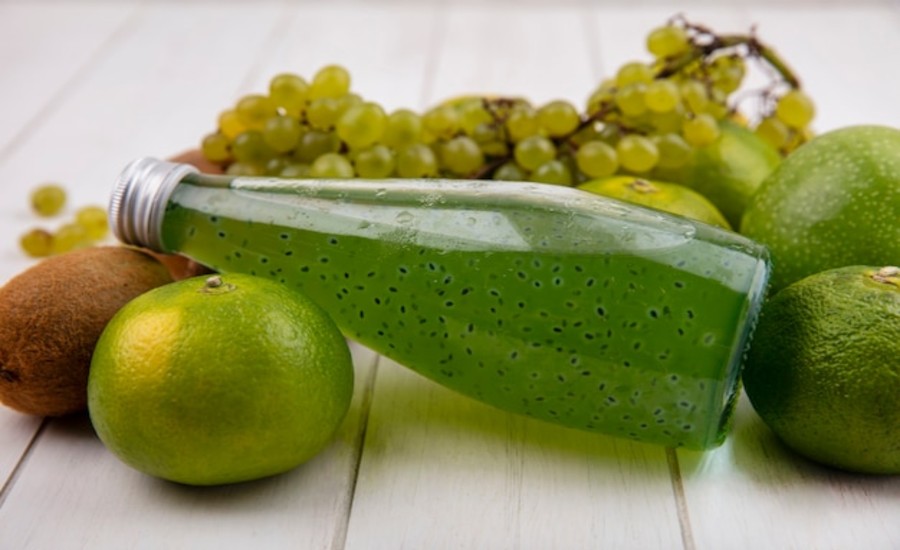
- Green Juice Blends (Electrolytes, micronutrients, natural sugars)
- Matcha Lattes (with non-dairy milk) (Concentrated focus, L-Theanine)
- Adaptogen Elixirs (Ginseng/Rhodiola) (Stress management, stamina)
- Guarana Seed Drinks (Slow-release natural caffeine)
LENS 2: Ethical Framework
The Ethical Advocate’s Stance: Global Sourcing and Labor Integrity
The ethical advocate recognizes that caffeine and functional ingredients are global commodities often sourced from developing regions. This requires rigorous verification of the product’s ethical sourcing.
Expert Tip 3: Fair Trade Certification is Key
“The most powerful ingredients in energy drinks—coffee, tea, cocoa, and guarana—must be sourced with integrity,” explains Alex Hsu, an ethical advocate. “The ethical choice means strictly purchasing brands that carry Fair Trade, Rainforest Alliance, or similar certifications. This ensures that the global demand for our energy boost does not rely on child labor or exploitative pricing for farmers.”
Expert Tip 4: Avoid Artificiality
The ethical commitment extends to clean labels. By choosing products free of artificial colors, preservatives, and synthetic additives, the consumer supports brands prioritizing transparent, whole-food ingredients rather than cheap chemical substitutes.
LENS 3: Environmental Impact
The Environmental Scientist’s Analysis: Packaging, Water, and Crop Sourcing
The environmental scientist scrutinizes the energy drink sector for its high use of single-use packaging and the water intensity of certain crops. The goal is to choose the least impactful fuel source.
Expert Tip 5: Packaging Audit
“The energy drink sector is notorious for generating single-use aluminum and plastic waste,” states Dr. Camila Velez, an environmental impact specialist. “The best environmental choice is to rely on bulk ingredients (e.g., loose-leaf tea, coffee beans) for homemade drinks, or to choose brands that package in glass or recycled aluminum and support local recycling initiatives.”
Expert Tip 6: Sustainable Crop Sourcing
The expert recommends supporting sustainable coffee and tea sourcing, which often involves shade-grown or organic practices that preserve biodiversity and reduce the need for polluting pesticides and herbicides in the production of the energy ingredient.
LENS 4: Practical Application
The Everyday Practitioner’s Experience: Convenience and Timing
For the everyday practitioner, the energy drink must be conveniently accessible and used strategically to avoid disrupting sleep or relying on constant stimulation.
Expert Tip 7: The Timing Rule
“Never consume highly caffeinated energy drinks after 2 PM,” advises Lisa Chen, a vegan lifestyle coach. “The half-life of caffeine is several hours, and late consumption disrupts sleep, which is the most critical factor for natural energy. The plan focuses on strategic mid-morning and pre-workout boosts.”
Expert Tip 8: DIY Options for Cost and Customization
The most practical solution is often homemade. Recipes like Matcha Lattes or L-Theanine Teas are cheaper, customizable, and allow for precise control over sugar and caffeine content. Batch-making cold brew coffee on Sunday is the ultimate convenience hack.
LENS 5: Cultural Significance
The Cultural Observer’s Perspective: The Clean Fuel Trend
The cultural significance of the clean vegan energy drink lies in its rejection of the “crash-and-burn” culture of older energy supplements. It aligns with the cultural shift toward “biohacking” and clean functional fueling for sustained cognitive performance.
Expert Tip 9: Focus on Functional Ingredients
“The modern consumer is seeking ‘functional’ benefits, moving beyond mere hydration to targeted performance,” observes Dr. Jason Wu, a sociologist of wellness. “The inclusion of adaptogens (like those in Expert Tip #9) and nootropics (like L-Theanine) is culturally significant; it shows consumers want nuanced support for focus and stress, not just a frantic boost.”
Expert Tip 10: The Ritual of Preparation
Drinks like Matcha (Expert Tip #8) are popular because the preparation ritual itself is calming and mindful, countering the stressful, chaotic nature of modern work culture.
PERSPECTIVE INTERSECTION MATRIX
- Nutrition (LENS 1) cap Practical Application (LENS 4): The nutritional goal of sustained energy and focus (LENS 1) is achieved through the practical strategy of using L-Theanine blends, which minimize the crash (LENS 4).
- Ethics (LENS 2) cap Environmental Impact (LENS 3): The ethical requirement for Fair Trade sourcing (LENS 2) is aligned with the environmental benefit of choosing bulk/loose-leaf coffee and tea (LENS 3), reducing packaging waste.
- Cultural Significance (LENS 5) cap Nutritional Analysis (LENS 1): The cultural demand for high-performance “biohacks” (LENS 5) is met by the scientific efficacy of the natural synergistic compounds (Caffeine + L-Theanine) (LENS 1).
- Synthesis: Strategic selection of vegan energy drinks is crucial for optimizing performance while upholding ethical, environmental, and health standards in a highly demanding product category.
MISCONCEPTION ANALYSIS
| Misconception | Reality |
| “Energy drinks are required to boost metabolism.” | The body’s metabolism is primarily boosted by exercise and muscle mass. Energy drinks offer stimulation, not fundamental metabolic change. |
| “B vitamins in drinks provide energy.” | B vitamins help the body metabolize food into energy, but they do not provide a direct energy boost unless the consumer is deficient. |
| “All vegan energy drinks are sugar-free.” | Many popular vegan energy drinks are loaded with cane sugar, fruit juice concentrate, or caloric sweeteners. Label checking is non-negotiable. |
| “You need the biggest shot of caffeine possible.” | Excessive caffeine leads to diminishing returns and rapid burnout. The key is moderate, sustained release via L-Theanine pairing. |
KEY TURNING POINTS
- The Rise of Adaptogens: The integration of traditional stress-managing herbs (Rhodiola, Ashwagandha) into functional beverages shifted the focus from simple stimulation to holistic support.
- The Clean Label Movement: Consumer demand forced brands to remove artificial ingredients and excessive sugars, improving the nutritional quality of the entire sector.
- L-Theanine Research: The widespread understanding of L-Theanine’s synergistic effect with caffeine led to the proliferation of clean, sustained-focus blends.
SYNTHESIS & RECOMMENDATIONS
Selecting one of the 10 clean vegan energy drinks is a highly effective way to manage energy and focus throughout the day, provided the choice is strategic and mindful.
Convergent Reflections: The need for stable energy (Nutrition) is met through products sourced under ethical conditions (Ethics) and designed for low environmental impact (Environmental). This ultimately fuels a productive, mindful lifestyle (Cultural/Practical).
Recommendations (The Clean Energy Strategy):
- Avoid the Crash: Never choose a drink with more than 5g of added sugar. Prioritize zero-sugar or stevia-sweetened options.
- Look for L-Theanine: Seek out drinks that pair caffeine with L-Theanine (often labeled as “focus blend”) for smooth, sustained energy without the jitters.
- DIY Your Base: Make your own cold brew coffee or high-quality loose-leaf tea in bulk to reduce cost and minimize packaging waste.
- Know Your Limit: Set a maximum caffeine intake (e.g., 200mg) for the entire day and ensure your drink choice keeps you within that safe threshold.
FURTHER AREAS OF EXPLORATION
- Recipes for homemade adaptogenic lattes using ashwagandha and non-dairy milk.
- Detailed analysis of the safety and efficacy of common vegan adaptogens (Rhodiola, Ginseng).
- The impact of hydration status on perceived energy levels.
- Strategies for safely cycling caffeine consumption to maintain sensitivity.