

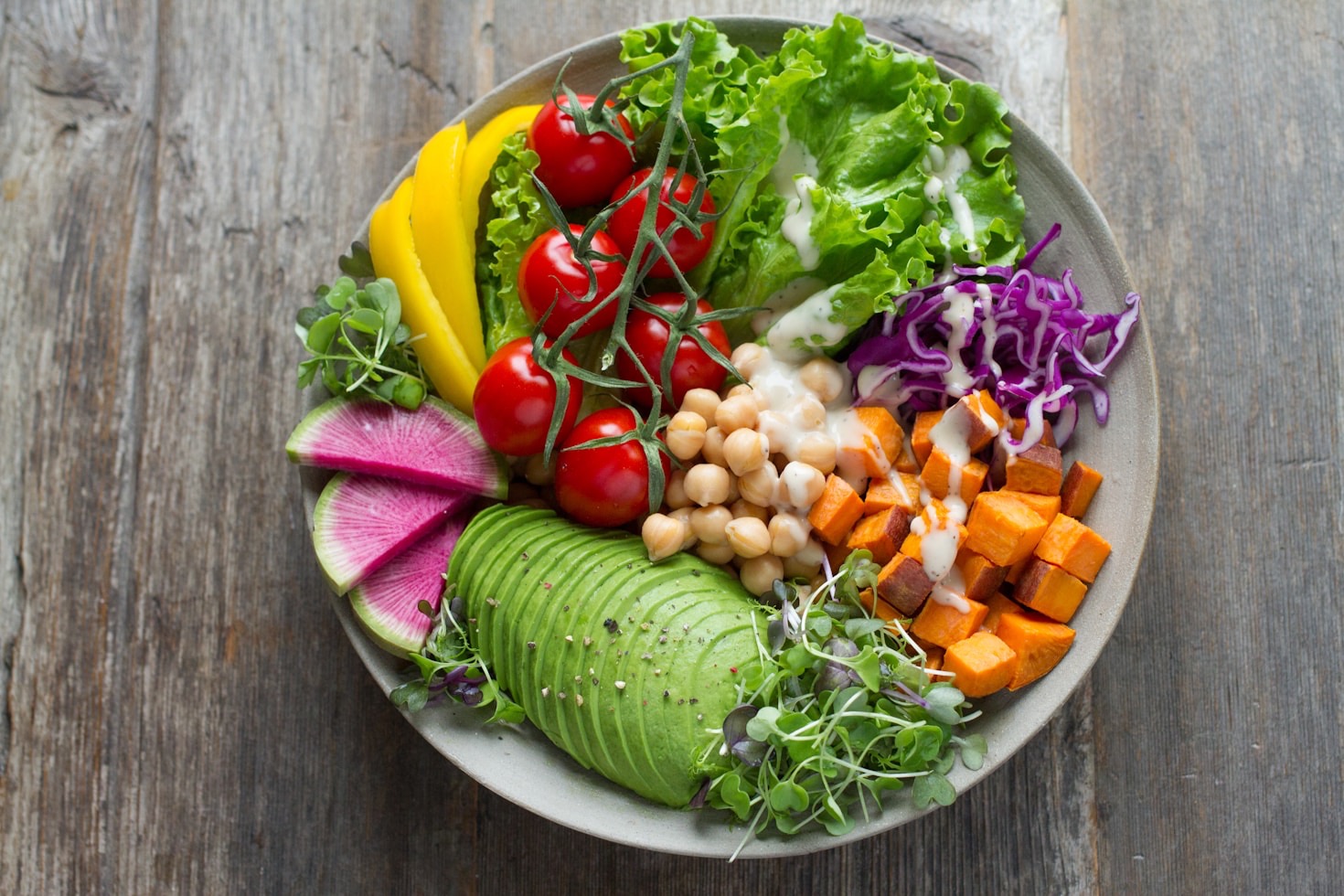
This report provides a comprehensive, multi-dimensional analysis offering Expert Vegan Tips: Nutritionist Advice for Beginners. Using the lenses of nutritional science, ethical advocacy, environmental impact, practical application, and cultural observation, we explore the essential strategies for a smooth and sustainable transition to a vegan diet.
Key findings emphasize that expert guidance is crucial for preventing nutrient deficiencies, maintaining ethical consistency, minimizing environmental impact, and simplifying daily cooking. This analysis synthesizes these perspectives to deliver actionable, evidence-based tips that guarantee long-term health and lifestyle success for every beginner.
Nutritional Crossroads
Starting a vegan diet places the beginner at a critical “Nutritional Crossroads.” The danger for beginners is simply removing animal products without adequately replacing the essential nutrients they provide.
Expert nutritionist advice is vital to map out the intake of four critical nutrients: Vitamin B12, Iron, Omega-3s, and Calcium. The goal of this guidance is to establish a nutrient-dense foundation rooted in whole plant foods.
By immediately adopting simple strategies—like guaranteed B12 supplementation and strategic food pairing—the beginner ensures their dietary shift supports, rather than compromises, their long-term health and vitality.
LENS 1: Nutritional Analysis
The Nutritionist’s View: Mastering the Critical Four
For the nutritionist, the beginner’s success hinges on proactively managing the four most common nutrient challenges. The RD provides evidence-based strategies to ensure bioavailability and adequate intake.
Expert Tip 1: The B12 Guarantee
“The single most crucial piece of advice is to supplement Vitamin B12 immediately,” asserts Dr. Sarah Chen, a Registered Dietitian specializing in plant-based diets. “B12 is not reliably found in any plant foods and is non-negotiable for nerve function and blood health. A supplement (50-100 mcg daily or 2,000 mcg weekly) is essential.”
Expert Tip 2: Iron and Vitamin C Synergy
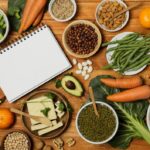
The RD advises on optimizing plant-based iron (non-heme iron) absorption. Iron-rich foods (lentils, beans, tofu, spinach) must be consistently paired with a Vitamin C source (citrus, bell peppers, berries) in the same meal, as Vitamin C drastically increases the bioavailability of iron.
Expert Tip 3: Omega-3s and Essential Fats
The expert emphasizes daily intake of flaxseeds, chia seeds, and walnuts (rich in ALA Omega-3s). They also advise beginners to consider an algal-based $DHA/EPA$ supplement to ensure optimal levels of the longer-chain Omega-3s, which are essential for brain and heart health.
Common Misconceptions vs. Reality:
- Misconception: The vegan diet is deficient in protein.
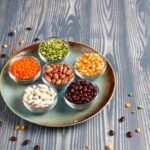
- Reality: Protein needs are easily met by consuming a variety of whole plant foods (beans, lentils, tofu, nuts). The challenge is not total protein, but managing the four critical micronutrients.
LENS 2: Ethical Framework
The Ethical Advocate’s Stance: From Commitment to Consistency
The ethical advocate views the nutritional guidance as the means to sustain the core moral commitment. Nutritional planning translates the abstract desire for animal welfare into concrete, consistent daily actions.
Expert Tip 4: Focus on the “Why”
“For beginners, the most effective tool for overcoming social or culinary obstacles is remembering the ‘why’—the ethical commitment to animal welfare,” explains Alex Hsu, an ethical advocate. “When meal prepping or feeling overwhelmed, grounding yourself in your values provides the necessary motivation to stick with the plan.”
Expert Tip 5: Conscious Consumerism
The ethical transition also involves scrutinizing ingredients that might be unintentionally non-vegan (like gelatin, casein, or bone char in sugar). The expert advises beginners to check labels obsessively initially, ensuring the ethical choice is maintained across all purchases, not just main meals.
LENS 3: Environmental Impact
The Environmental Scientist’s Analysis: Making the Biggest Impact First
The environmental scientist guides beginners toward the choices that yield the greatest reduction in their environmental footprint, primarily through substituting high-impact animal products.
Expert Tip 6: Prioritize the Swap
“The biggest environmental win for a beginner is the direct substitution of the highest-impact animal products,” states Dr. Camila Velez, an environmental impact specialist. “Focus first on swapping beef, lamb, and dairy with lower-impact vegan alternatives like lentils, beans, and oats. This immediately and drastically reduces the beginner’s methane emissions and land use footprint.”
Expert Tip 7: Local & Seasonal Focus
The expert advises prioritizing whole, unprocessed foods that are locally available. This minimizes packaging waste and food miles, ensuring that the beginner’s diet is both vegan and low-carbon.
LENS 4: Practical Application
The Everyday Practitioner’s Experience: Simplifying the Kitchen
For the everyday practitioner, the biggest obstacle is complexity and time. Expert advice must be highly focused on simple, repeatable cooking strategies to prevent burnout.
Expert Tip 8: Batch Cook Staples
“Do not try to make five new, complex recipes a week,” advises Lisa Chen, a vegan lifestyle coach. “Adopt the ‘Building Blocks’ strategy: on Sunday, batch cook basic staples like quinoa, brown rice, and a huge pot of lentils or chickpeas. These items can be combined quickly with fresh veggies and a sauce for five different, simple lunch/dinner options.”
Expert Tip 9: Master the Simple Swap
The expert simplifies grocery shopping by focusing on easy, functional swaps:
- Dairy Milk rightarrow Fortified Soy or Oat Milk
- Ground Meat rightarrow Crumble Tofu or Lentils
- Butter rightarrow Non-Dairy Butter or Nutritional Yeast Sauce
LENS 5: Cultural Significance
The Cultural Observer’s Perspective: Community and Empowerment
The cultural significance of the expert’s advice lies in empowering the beginner, providing a supportive voice that validates the challenge and offers a path to social success.
Expert Tip 10: Find Your Community
“Don’t go it alone. The biggest factor in long-term success is social support,” observes Dr. Jason Wu, a sociologist of food culture. “Seek out online communities, local vegan groups, or friends who are also plant-based. This shared experience combats feelings of isolation and provides a crucial support network for recipe ideas and navigating social situations.”
Expert Tip 11: Focus on Addition, Not Restriction
The cultural framing of the diet should be positive. The expert advises beginners to focus on the exciting new foods they are adding (global spices, new grains, diverse vegetables) rather than the foods they are restricting. This reframes the diet as one of abundance, not deprivation.
PERSPECTIVE INTERSECTION MATRIX
- Nutrition (LENS 1) cap Practical Application (LENS 4): The need to optimize Iron absorption (LENS 1) is achieved through the practical tip of consistently adding Vitamin C-rich elements (e.g., lemon juice or bell peppers) to batch-cooked meals (LENS 4).
- Ethics (LENS 2) cap Environmental Impact (LENS 3): The ethical choice to eliminate high-impact animal products (LENS 2) is aligned with the environmental tip of prioritizing resource-efficient legumes (LENS 3).
- Cultural Significance (LENS 5) cap Nutritional Analysis (LENS 1): The positive cultural framing of abundance (LENS 5) encourages the consumption of diverse plant foods, which naturally covers all nutritional bases (LENS 1).
- Synthesis: The expert’s role is to ensure that the beginner’s ethical conviction is supported by scientific strategy, practical ease, and cultural connection, making the transition seamless and sustainable.
MISCONCEPTION ANALYSIS
| Misconception | Reality |
| “Vegan food is expensive.” | Vegan staples (rice, beans, lentils, seasonal vegetables) are among the cheapest foods available. The cost lies in processed convenience foods, which the expert advises avoiding. |
| “Vegan cooking is complicated.” | The expert guides beginners toward simple, repetitive batch-cooking techniques that minimize daily effort and ingredient lists. |
| “The transition must be sudden and perfect.” | Experts recommend a gradual approach, substituting one meal or food group at a time. Sustainability trumps immediate perfection. |
| “You need complex blood tests constantly.” | A check-up with B12 and Iron panel at the six-month mark is generally sufficient, provided the beginner follows the B12 supplementation rule. |
KEY TURNING POINTS
- Mandatory B12 Education: The widespread dissemination of B12 necessity through expert channels has become the single most critical factor in beginner health.
- Meal Prep Normalization: The rise of batch cooking simplified the practical application of vegan diets for busy lifestyles.
- High-Quality Alternatives: The commercial availability of simple, great-tasting alternatives (oat milk, plant-based butter, tofu) reduced the culinary barrier for beginners.
SYNTHESIS & RECOMMENDATIONS
The transition to a vegan diet is an incredibly rewarding journey, but it requires strategic, expert guidance to ensure success. By following these tips, the beginner maximizes health, minimizes effort, and confidently maintains their ethical commitment.
Convergent Reflections: Expert advice is the catalyst that transforms ethical intent into physiological success. By addressing the critical four nutrients, simplifying meal prep, and promoting low-impact choices, the RD ensures the beginner is set up for a lifetime of healthy, compassionate eating.
Recommendations:
- ACTION: Purchase a B12 Supplement TODAY. Do not wait for any other step.
- FOCUS: Batch Cook a protein (lentils/chickpeas) and a grain (quinoa/rice) every Sunday.
- PAIR: Always consume an Iron-rich food with a Vitamin C-rich food (e.g., beans with salsa or spinach with lemon dressing).
- REPLACE: Identify three simple, ready-to-use swaps (e.g., oat milk for dairy, tofu for eggs, lentils for beef) to streamline grocery shopping this week.
FURTHER AREAS OF EXPLORATION
The psychological benefits of plant-based eating on mood and energy.
A detailed 7-day beginner meal plan using the “Building Blocks” strategy.
The best plant-based sources for Iodine and Vitamin D.
Tips for dining out and navigating non-vegan restaurants as a beginner.