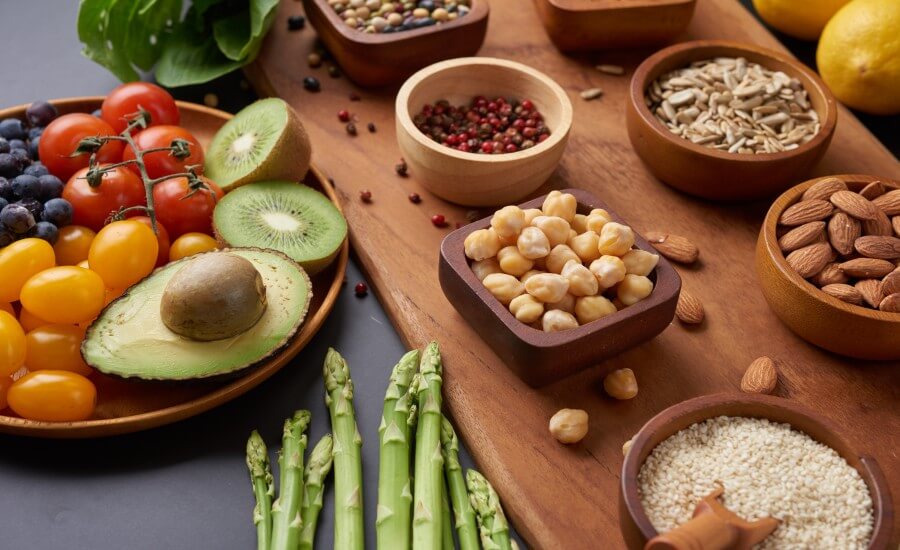
This report provides a comprehensive, multi-dimensional analysis of How to Get Plant-based Protein Sources for a Healthy Lifestyle. Using the lenses of nutritional science, ethical advocacy, environmental impact, practical application, and cultural observation, we explore the strategic consumption and superior benefits of plant proteins.
Key findings confirm that protein needs are easily met through a diverse plant diet, that plant proteins offer enhanced health benefits (fiber, low fat), that they are vastly more resource-efficient than animal sources, and that mastery involves simple, strategic pairing.
This analysis synthesizes these perspectives to highlight the critical role of plant protein in building a truly healthy, sustainable, and compassionate lifestyle.
Nutritional Crossroads
The strategic sourcing of plant-based protein is the cornerstone of a healthy vegan diet, placing the eater at a crucial “Nutritional Crossroads.” The key challenge is dismantling the myth that protein is scarce in a plant-based diet. In reality, protein is abundant; the strategy lies in maximizing diversity and bioavailability.
Plant protein sources—legumes, nuts, seeds, and grains—are unique because they come packaged with fiber, antioxidants, and complex carbohydrates, unlike animal protein, which is often packaged with saturated fat and cholesterol. The planning must focus on consistent consumption of diverse sources throughout the day to ensure adequate intake of all essential amino acids and support sustained energy and muscle maintenance.
LENS 1: Nutritional Analysis
The Nutritionist’s View: Beyond Quantity—Focus on Quality and Fiber
For the nutritionist, the goal is not merely to meet the 0.8g/kg protein requirement, but to leverage the health benefits unique to plant sources. The focus is on the quality of the overall dietary package.
Expert Tip 1: The Myth of Incomplete Protein
“The idea that plant proteins are ‘incomplete’ and must be perfectly combined in every meal is largely outdated,” asserts Dr. Sarah Chen, a Registered Dietitian specializing in plant-based nutrition. “By consuming a variety of plant sources—legumes one day, nuts the next, and grains throughout the week—the body easily obtains all nine essential amino acids over the course of the day. The focus should be on diversity, not complex pairing.”
Expert Tip 2: Protein-Rich Powerhouses
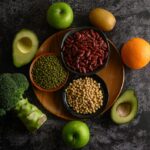
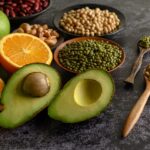
The RD recommends prioritizing foods with a high protein-to-calorie ratio that are easily incorporated daily: Tofu/Tempeh (10-20g per 1/2 cup), Lentils/Beans (15-18g per cup), Hemp/Chia Seeds (5-10g per 2 Tbsp), and Nutritional Yeast (8g per 1/4 cup). These staples provide not just protein but crucial fiber, which dramatically enhances satiety and gut health.
Top Plant-Based Protein Sources:
- Lentils and Beans (High Fiber, versatile, cheap)
- Tofu and Tempeh (Complete protein, excellent versatility)
- Hemp, Chia, and Flax Seeds (Omega-3s, fiber, protein)
- Seitan (Highest protein content, low fat)
- Nutritional Yeast (B Vitamins, protein, flavor enhancer)
LENS 2: Ethical Framework
The Ethical Advocate’s Stance: Building the Diet on Compassion
The ethical advocate views the selection of plant protein as the most profound expression of their commitment to animal welfare. The process is simple: choosing high-quality, compassionate sources over products that cause suffering.
Expert Tip 3: Prioritize Whole-Food Proteins
“The clearest ethical choice is prioritizing whole-food sources like lentils and beans over highly processed mock meats,” explains Alex Hsu, an ethical advocate. “While alternatives offer convenience, relying on basic, unprocessed plant proteins is a more direct and transparent commitment to a cruelty-free diet and supports sustainable agriculture.”
Expert Tip 4: Global Sourcing Integrity
Ethical sourcing extends to plant proteins originating overseas. The advocate advises checking the sourcing of global staples like soy (Non-GMO/Organic) and quinoa to ensure they are produced under fair labor standards, maintaining consistency across the entire supply chain.
LENS 3: Environmental Impact
The Environmental Scientist’s Analysis: Resource Efficiency and Climate Impact
The environmental scientist confirms that the most impactful food choice for mitigating climate change is the switch from animal to plant protein. Plant protein sources are vastly superior in resource efficiency.
Expert Tip 5: The Carbon-Footprint Swap
“The environmental savings from replacing animal protein with plant protein are immense,” states Dr. Camila Velez, an environmental impact specialist. “Producing lentils or beans requires up to 20 times less land and significantly less water than producing beef protein. By focusing on legumes, nuts, and seeds, the individual drastically reduces their personal carbon footprint and reliance on water-intensive agriculture.”
Expert Tip 6: The Nitrogen Cycle Advantage
The expert highlights that legumes (beans, lentils, peas) are nitrogen-fixers, meaning they naturally enrich the soil and reduce the need for synthetic, polluting nitrogen fertilizers required for many other crops. This makes them a restorative, high-impact climate choice.
LENS 4: Practical Application
The Everyday Practitioner’s Experience: Simple Integration and Batch Prep
For the everyday practitioner, the challenge of protein lies in ease of preparation. The solution is simple, strategic integration using time-saving methods.
Expert Tip 7: Batch Cook Your Base
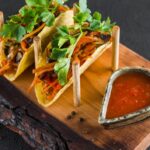
“The most time-efficient way to get protein is through batch cooking,” advises Lisa Chen, a vegan lifestyle coach. “Cook a huge pot of lentils or black beans on Sunday. These can be used immediately in tacos, salads, chilis, or bowls throughout the week, minimizing active cooking time.”
Expert Tip 8: The Kitchen Hack: Seeds
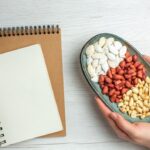
The practitioner needs quick, high-impact protein hacks. The easiest is using ground flaxseeds, chia seeds, and hemp hearts. They can be sprinkled over oatmeal, blended into smoothies, or mixed into salad dressings for an instant 5-10g protein boost with minimal effort.
LENS 5: Cultural Significance
The Cultural Observer’s Perspective: Redefining Strength and Health
The successful adoption of plant protein is driving a cultural shift, redefining the traditional notions of strength and health away from animal-centric models toward a more sustainable and compassionate image.
Expert Tip 9: Focus on Culinary Adventure
“The plant protein category is a source of culinary adventure,” observes Dr. Jason Wu, a sociologist of food culture. “Protein is found in nearly every world cuisine—from Ethiopian misir wot (lentils) to Mexican beans to Japanese natto (fermented soy). Exploring these options reframes the diet as one of vast global diversity, not limitation.”
Expert Tip 10: Building Community
The successful integration of plant protein creates shared knowledge and community. The expert advises beginners to participate in recipe-sharing and taste-testing to discover and normalize new, delicious protein sources, reinforcing the cultural acceptance of plant-based strength.
PERSPECTIVE INTERSECTION MATRIX
- Nutrition (LENS 1) cap Practical Application (LENS 4): The nutritional goal of diverse protein sources (LENS 1) is achieved through the practical strategy of batch-cooking versatile staples like lentils and beans (LENS 4).
- Ethics (LENS 2) cap Environmental Impact (LENS 3): The ethical choice of whole-food proteins (LENS 2) is aligned with the environmental benefit of consuming nitrogen-fixing, low-water legumes (LENS 3).
- Cultural Significance (LENS 5) cap Nutritional Analysis (LENS 1): The cultural framing of plant protein as superior fuel (LENS 5) is validated by the scientific benefits of added fiber, low fat, and complete amino acid coverage (LENS 1).
- Synthesis: Mastering plant protein is the strategic key that transforms ethical intent into physiological strength, environmental responsibility, and culinary success.
MISCONCEPTION ANALYSIS
| Misconception | Reality |
| “Plant protein is incomplete and inefficient.” | Plant protein is complete over the course of a day. It is highly efficient for the body and vastly more efficient for the planet’s resources. |
| “Protein powder is the only way to get enough.” | Whole foods (beans, tofu, lentils) provide more than enough protein for muscle maintenance and growth. Powder is a convenient supplement, not a necessity. |
| “Soy is the only plant protein.” | Protein is found abundantly in lentils, beans, chickpeas, nuts, seeds, nutritional yeast, and seitan. Soy is one of many excellent sources. |
| “Protein requires complicated cooking.” | Simple methods (soaking/boiling beans, using canned beans, air-frying tofu) make plant protein the easiest food to prepare in bulk. |
KEY TURNING POINTS
- The Rise of Non-GMO Tofu/Tempeh: Increased availability of ethically and sustainably sourced soy products normalized these staples as high-quality protein.
- Seed Mainstreaming: The popularity of chia, hemp, and flax seeds as functional foods provided easy, high-protein additions to all meals.
- Instant Pot/Pressure Cooker Revolution: These appliances made cooking dry beans and lentils from scratch fast and accessible for everyone.
SYNTHESIS & RECOMMENDATIONS
Mastering the sourcing of plant-based protein is the most important step for long-term vegan success, ensuring a diet that is both physically powerful and morally consistent.
Convergent Reflections: The physiological need for protein (Nutrition) is met by highly efficient, environmentally restorative crops (Environmental). This is made seamless by simple preparation methods (Practical), guaranteeing the long-term success of the ethical commitment (Ethics/Cultural).
Recommendations (The Protein Strategy):
- Diversity First: Ensure your menu includes three different protein types per week: Legume, Soy/Grain, and Nuts/Seeds.
- Batch Cook Power: Cook a large batch of beans/lentils on your prep day. This is the cheapest, most efficient source of protein.
- Seed Your Meals: Always have ground hemp, chia, or flax seeds on hand to sprinkle on your breakfast (oatmeal, smoothies) for an instant protein and Omega-3 boost.
- Embrace the Scramble: Utilize tofu as a versatile, complete protein base for scrambles, stir-fries, and baked dishes.
FURTHER AREAS OF EXPLORATION
- Detailed guides to cooking and flavoring dried beans and lentils from scratch.
- Analysis of the best plant protein sources for specific amino acid needs (e.g., Lysine, Methionine).
- Recipes for simple, protein-rich sauces using cashews or nutritional yeast.
- The role of plant protein in supporting bone health alongside calcium.