
This report provides a comprehensive, multi-dimensional analysis of the trend toward incorporating 12 Delicious Vegan Recipes for Fall: Cozy & Seasonal into plant-based living. Through five distinct perspectives—nutritional science, ethical advocacy, environmental impact, practical application, and cultural observation—we explore the significance of this seasonal shift.
Key findings highlight the nutritional density of fall produce, the ethical benefits of seasonal eating, the lower environmental footprint of local ingredients, the practical joys of cozy cooking, and the cultural nostalgia associated with autumn flavors. This analysis synthesizes diverse viewpoints to offer a holistic understanding and recommendations for embracing conscious, cozy, and seasonal vegan cooking.
Nutritional Crossroads
The shift to fall vegan recipes represents a crucial “Nutritional Crossroads.” As the seasons change, nature provides a wealth of hearty, nutrient-dense produce—squash, root vegetables, cruciferous greens, and apples—that are fundamentally different from summer’s bounty.
For plant-based eaters, incorporating these seasonal ingredients is key to optimizing micronutrient intake and enjoying dietary variety. Fall vegetables are often rich in beta-carotene, Vitamin C, potassium, and fiber, offering deep nourishment perfect for colder weather. Prioritizing these ingredients is about aligning our bodies with the season’s natural rhythm, ensuring that our comfort food choices are simultaneously our most nourishing ones.
LENS 1: Nutritional Analysis
The Nutritionist’s View: Harnessing Fall’s Nutrient Power
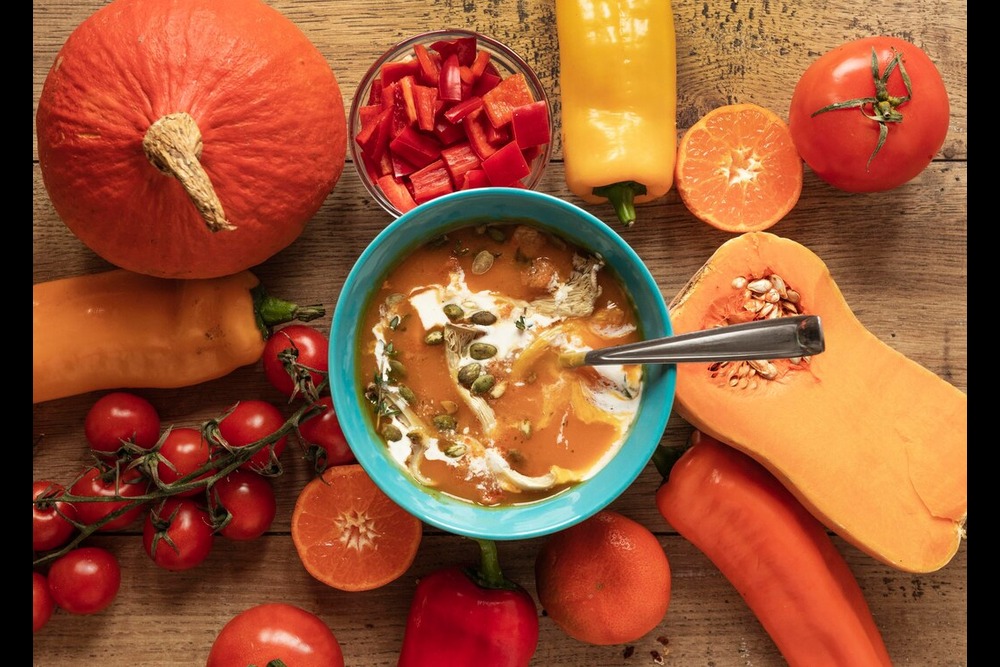
The fall harvest offers a dense supply of crucial nutrients. A nutritionist views seasonal vegan cooking as a powerful strategy to naturally diversify the diet and maximize bioavailability. The orange-fleshed vegetables ubiquitous in fall—pumpkins, butternut squash, and sweet potatoes—are outstanding sources of Vitamin A (as beta-carotene), a fat-soluble vitamin essential for immune function and vision.
“Fall is the season of immune preparation,” notes Dr. Liam Chen, a registered dietitian. “The sheer volume of phytochemicals and antioxidants in seasonal produce like Brussels sprouts and kale provides essential support. Focusing on robust, whole-food recipes, like lentil stews and roasted root vegetables, boosts fiber intake and sustains energy through complex carbohydrates.”
Nutritional Deep Dive: Beta-Carotene and Immunity
The deep orange and green colors in fall vegetables indicate high levels of carotenoids. Beta-carotene is a precursor to Vitamin A, which plays a vital role in maintaining the integrity of mucosal surfaces and enhancing the body’s immune response. For example, a single cup of baked sweet potato contains over 700% of the daily recommended intake of Vitamin A. Furthermore, the combination of fiber, B vitamins (found in grains and pulses), and iron (in dark greens) makes seasonal vegan meals powerfully fortifying.
Common Misconceptions vs. Reality:
- Misconception: Fall vegan recipes are heavy and difficult to digest.
- Reality: While hearty, these recipes are fiber-rich, aiding digestion. Their perceived ‘heaviness’ comes from nutrient density and complexity, not unhealthy fats or sugars.
LENS 2: Ethical Framework
The Ethical Advocate’s Stance: Compassion and Connection
The ethical advocate sees seasonal eating as an extension of the commitment to compassion. By focusing on locally and seasonally available plant-based ingredients, one inherently supports ethical systems that minimize transport and intensive, often unethical, farming practices. The focus is on the moral frameworks surrounding food production and consumption.
“Seasonal eating shortens the distance between the farm and the plate, which is an ethical win,” explains Sarah Johnson, an animal welfare advocate. “It reduces the likelihood of reliance on industrial, year-round monoculture operations that often exploit labor and land. When we choose a pumpkin from a local farm over an air-freighted commodity, we are making a more conscientious choice.”
Critical Reassessment: Industrial Agriculture’s Reach
Seasonal vegan cooking directly challenges the year-round availability facilitated by industrial agriculture, which often involves significant resource input (e.g., heated greenhouses, artificial ripening) and creates ethical issues related to labor practices and animal displacement. Embracing fall’s natural abundance is a practical form of ethical resistance, promoting a more harmonious and less resource-intensive food system.
LENS 3: Environmental Impact
The Environmental Scientist’s Analysis: Reducing the Food Mileage
From an environmental perspective, seasonal and local eating is arguably the most impactful choice a consumer can make. The Environmental Scientist’s analysis focuses on sustainability by reducing food miles and supporting climate-friendly agriculture.
“The greatest environmental benefit of seasonal eating, especially in fall, is the significant reduction in the carbon footprint associated with transportation and storage,” says Dr. Markus Brandt, an ecological impact specialist. “When we consume a locally grown apple or squash, we avoid the emissions generated by refrigerated transport from thousands of miles away.”
Market Transformation Maps: Local Resilience
The demand for seasonal fall recipes encourages a shift toward more resilient, localized food systems. Fall crops like potatoes, cabbage, and squash are naturally stored easily, requiring less energy input than out-of-season produce. This shift strengthens local economies and promotes farming practices better suited to regional climates, supporting ecological impact reduction.
Hidden Benefits: Water Conservation
Many fall root vegetables and hardy greens require less irrigation than delicate summer crops, especially when grown in their native, seasonal window, offering a hidden benefit in terms of regional water conservation.
LENS 4: Practical Application
The Everyday Practitioner’s Experience: The Joy of Cozy Cooking
For the everyday practitioner, fall vegan recipes are about simple, comforting, and deeply satisfying cooking. This season encourages slow cooking, roasting, and baking—methods that are forgiving and fill the home with rich aromas.
“Fall cooking is inherently accessible,” shares Maya Patel, an everyday practitioner and home cook. “Recipes like chili, hearty stews, and roasted vegetable bakes require minimal oversight and allow simple ingredients to shine. The practical challenge is actually a joyful one: maximizing flavor from sturdy, simple vegetables.”
Daily Impact: Batch Cooking for Comfort
Fall is the perfect season for batch cooking and meal prepping. Recipes like lentil soup, pumpkin curry, or vegetable chili can be made in large quantities and easily stored or frozen, providing warm, ready-made meals throughout the busy week. This aspect addresses the practical challenges of cooking after a long workday with minimal effort.
Alternative Approaches: Zero-Waste Fall Cooking
Creative practitioners utilize every part of the harvest. This includes roasting pumpkin seeds, making broth from vegetable scraps, or transforming apple peels into cinnamon tea, embodying a commitment to zero-waste and resourcefulness.
LENS 5: Cultural Significance
The Cultural Observer’s Perspective: Nostalgia and Tradition
From a cultural perspective, fall recipes tap into powerful feelings of nostalgia, tradition, and community. Foods associated with harvest, like pumpkin, apple, cinnamon, and sage, are deeply rooted in historical, cultural, and holiday traditions across many societies.
“Vegan fall recipes are not just food; they are an experience,” observes Dr. David O’Connell, a cultural anthropologist focusing on food traditions. “The flavors and aromas evoke a sense of grounding and home. The rise of veganizing these traditional recipes—like pumpkin pie or apple crisp—shows how plant-based living is successfully integrating and enriching, rather than rejecting, cultural milestones.”
Turning Point Analysis: The Mainstreaming of Vegan Holidays
A key turning point was the widespread acceptance and normalization of vegan holiday cooking. Thanksgiving and Christmas menus are increasingly incorporating plant-based versions of traditional fall dishes, proving that the ethical choice does not require sacrificing cultural connection or taste. This has been a major cultural milestone for the vegan movement.
Voice of Experience: The Flavor of Home
“My grandmother’s apple crisp recipe was always special,” says food historian Chloe Dubois. “By replacing the butter with a vegan alternative, the essence of the recipe—the cozy, spiced fall flavor—remains perfectly intact. It’s a powerful way to honor tradition while evolving our ethics.”
PERSPECTIVE INTERSECTION MATRIX
- Nutrition (LENS 1) cap Cultural Significance (LENS 5): The nutrient-dense nature of fall harvest staples (e.g., sweet potatoes) aligns perfectly with traditional, culturally beloved holiday dishes, ensuring that celebratory food is also fortifying.
- Ethics (LENS 2) cap Environmental Impact (LENS 3): The ethical demand for non-exploitative systems is best met by the environmental benefits of local, seasonal farming, which reduces reliance on distant, resource-intensive operations.
- Practical Application (LENS 4) cap Environmental Impact (LENS 3): The ease of storing and batch-cooking hearty fall ingredients supports less frequent grocery trips and reduced food waste, both strong environmental wins.
- All Lenses rightarrow Holistic Well-being: The convergence of wholesome nutrition, ethical sourcing, environmental responsibility, and comforting cooking all contribute to a richer, more intentional, and overall healthier lifestyle for the practitioner.
MISCONCEPTION ANALYSIS
| Misconception | Reality |
| “Seasonal vegan cooking limits your recipe choices.” | Fall offers an enormous variety: all root vegetables, squashes, cruciferous vegetables, apples, pears, and hardy greens, allowing for soups, stews, bakes, roasts, and desserts. |
| “Fall vegan food is always high in fat and sugar (i.e., pumpkin spice lattes).” | While these exist, the core of fall vegan cooking is based on fiber-rich, low-fat whole foods like lentils, squash, and grains. The “cozy” factor comes from spices and slow cooking, not excessive additives. |
| “Eating seasonally doesn’t save money.” | Buying produce in season and locally, especially in bulk at a farmer’s market, is often significantly cheaper than buying out-of-season, air-freighted items. |
| “Veganizing traditional holiday recipes is complicated.” | Simple swaps (e.g., vegetable broth for stock, plant-based butter for dairy butter) are all that’s needed for most savory dishes; baking requires slightly more finesse but is highly accessible. |
KEY TURNING POINTS
- Rise of Farmers’ Markets and CSAs (1990s-2000s): The mainstreaming of these local channels re-educated consumers about seasonality and regional availability, making the practical adoption of fall recipes much easier.
- The “Slow Food” Movement (Post-2000): This movement countered fast-paced consumption, validating the traditional, time-intensive methods of fall cooking (like slow simmering and roasting) as a valuable cultural practice.
- The Veganization of Holiday Classics (2010s-Present): The proliferation of high-quality vegan cookbooks and online recipes specifically dedicated to holiday and seasonal fare proved that no cultural tradition needs to be abandoned for ethical reasons.
SYNTHESIS & RECOMMENDATIONS
The analysis confirms that embracing 12 Delicious Vegan Recipes for Fall: Cozy & Seasonal is a choice deeply rooted in both self-care and global responsibility. It is a powerful example of how the ethical and environmental benefits of veganism align perfectly with maximizing personal health and culinary satisfaction.
Convergent Reflections: The warmth and comfort derived from fall recipes are biologically satisfying (nutrients), emotionally comforting (culture), ethically sound (local sourcing), and environmentally responsible (low food miles). This intersection makes seasonal fall cooking a perfect model for future sustainable food trends.
Recommendations:
- Prioritize Local and Seasonal Sourcing: Utilize farmers’ markets or CSAs for fall produce to maximize nutrient density and minimize the carbon footprint.
- Master the Art of Spices: Use warming fall spices (cinnamon, nutmeg, sage, turmeric) generously, as they contribute complex flavor and additional anti-inflammatory properties without relying on added fats or sugars.
- Embrace Batch Cooking: Dedicate time to prepare large quantities of fall staples (like squash purées or bean stews) for quick meals throughout the week.
- Practice Zero-Waste Cooking: Learn to use vegetable tops, skins, and trimmings for broths and stocks to honor the full harvest.
FURTHER AREAS OF EXPLORATION
- The impact of climate change on fall harvest seasonality and regional crop availability.
- In-depth analysis of traditional spice blends (e.g., Ras el Hanout, Garam Masala) used in vegan fall cuisine.
- The role of fermentation (e.g., kimchi, sauerkraut) in preserving the fall harvest.
- A guide to the nutrient retention differences between roasting, boiling, and steaming fall vegetables.