Vegan fiber is an essential part of a balanced plant-based diet because it supports healthy digestion, helps maintain regular bowel movements, and contributes to overall well-being. Understanding the best vegan fiber sources can make it easier to meet your daily nutritional needs while enjoying a variety of flavorful meals. From lentils, chickpeas, and whole grains to fruits, vegetables, nuts, and seeds, there are plenty of high-fiber vegan foods to include in everyday meals. A well-planned vegan diet fiber strategy can also support heart health, help regulate blood sugar, and promote a healthy gut microbiome. But how much fiber do vegans need, and which foods provide the most? This guide explores the recommended daily fiber intake for vegans, the best plant-based fiber sources, their health benefits, and practical ways to increase fiber intake naturally.
What Is Fiber, and Why Is It Important for Vegans?
Dietary fiber is a plant-based carbohydrate that the human digestive system cannot completely break down or absorb. Unlike other carbohydrates that are broken down into glucose, fiber passes through the digestive system largely intact. Certain types of fiber are broken down by beneficial bacteria in the gut, while others increase stool volume and help maintain regular bowel movements.
A fiber-rich vegan diet can be easier to achieve because plant-based eating emphasizes fruits, vegetables, legumes, whole grains, nuts, and seeds. These foods provide fiber alongside important nutrients such as vitamins, minerals, antioxidants, and plant-based protein.
The benefits of fiber in a vegan diet extend beyond digestive health. Adequate fiber intake can help improve cholesterol levels, support blood sugar management, increase feelings of fullness, and contribute to long-term metabolic health.
However, following a vegan diet does not automatically guarantee adequate fiber intake. A diet dominated by refined grains, processed vegan snacks, sugary foods, and low-fiber meat alternatives may still fall short. Choosing minimally processed plant foods is one of the most effective ways to improve overall plant-based nutrition.
How Much Daily Fiber Should You Consume on a Vegan Diet?
One of the most common questions about plant-based nutrition is, how much fiber do you need on a vegan diet? The answer depends on age, sex, energy requirements, and individual health needs.
For most healthy adults, commonly used recommendations are approximately 25 grams per day for women and 38 grams per day for men up to age 50. After age 50, recommendations generally decrease to around 21 grams for women and 30 grams for men. Individual requirements may vary according to national dietary guidelines and personal circumstances.
Another practical guideline is to consume about 14 grams of fiber for every 1,000 calories eaten. For example, someone consuming approximately 2,000 calories per day would aim for around 28 grams of fiber.
Recommended Daily Fiber Intake
| Group | General daily target |
| Adult women up to age 50 | 25 g |
| Adult men up to age 50 | 38 g |
| Women over age 50 | 21 g |
| Men over age 50 | 30 g |
| Children and teenagers | Varies by age and energy needs |
These figures are general reference values, not strict limits. A person’s actual needs can differ depending on activity level, total food intake, and digestive health.
The daily fiber intake for vegans may naturally be higher than that of people who consume fewer plant foods. Nevertheless, the goal should be to meet your recommended daily fiber intake consistently rather than simply consuming as much as possible.
If you are wondering how to meet your daily fiber requirements on a plant-based diet, start by including a fiber-rich food at every meal. Oatmeal with fruit, lentils with brown rice, vegetable-rich meals, and snacks containing nuts or seeds can collectively help you reach your daily target.
Best Vegan Fiber Sources to Include in Your Diet
There are numerous vegan sources of dietary fiber that can fit into different cuisines, budgets, and meal preferences. The most effective approach is to eat a variety of plant foods instead of relying on a single ingredient.
Here are some of the best vegan foods for fiber and practical ways to enjoy them.
1. Lentils and Chickpeas
Lentils and chickpeas are among the most useful high-fiber legumes and beans for everyday plant-based meals. They are rich in fiber, plant-based protein, iron, folate, and several other nutrients that support overall health.
Cooked lentils contain approximately 7–8 grams of fiber per 100 grams, depending on the variety and preparation. Cooked chickpeas provide around 7–8 grams per 100 grams as well.
The combination of lentils and chickpeas nutrition makes these legumes especially valuable for people following a vegan diet. These foods help you feel full for longer, supply protein to maintain muscle health, and promote regular digestion and bowel function.
Ways to include them:
- Prepare lentil dal with vegetables and whole-grain roti.
- Add chickpeas to salads, wraps, and grain bowls.
- Make hummus using chickpeas and tahini.
- Cook lentil soup with carrots, tomatoes, and leafy greens.
- Prepare chickpea curry with brown rice.
Regularly including legumes is one of the easiest ways to improve your overall fiber intake while maintaining a balanced diet.
2. Whole Grains for Fiber
Whole grains are important plant-based fiber sources because they retain the bran, germ, and endosperm of the grain. These foods supply dietary fiber and various essential nutrients that are often lost or diminished during the refining process.
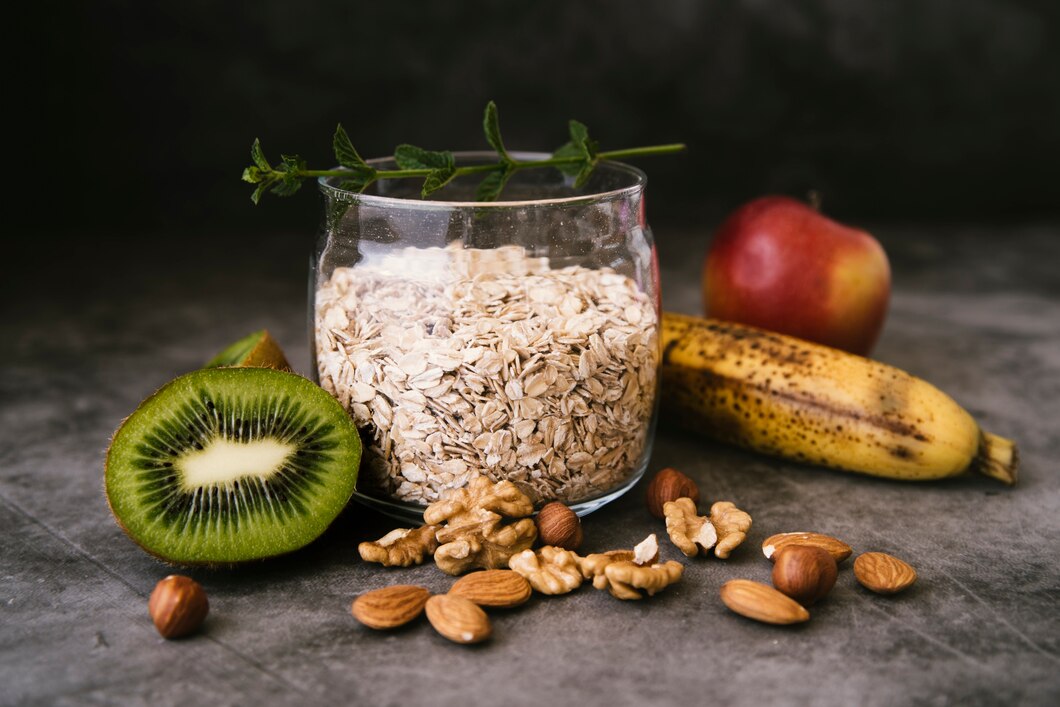
Excellent whole grains for fiber include oats, barley, brown rice, whole wheat, quinoa, millet, and sorghum.
For example, one cup of cooked oatmeal typically provides around 4 grams of fiber, while cooked barley can provide approximately 6 grams per cup. Exact amounts vary with serving size and preparation.
Whole grains can also contribute complex carbohydrates, B vitamins, and minerals to a balanced diet.
Try these options:
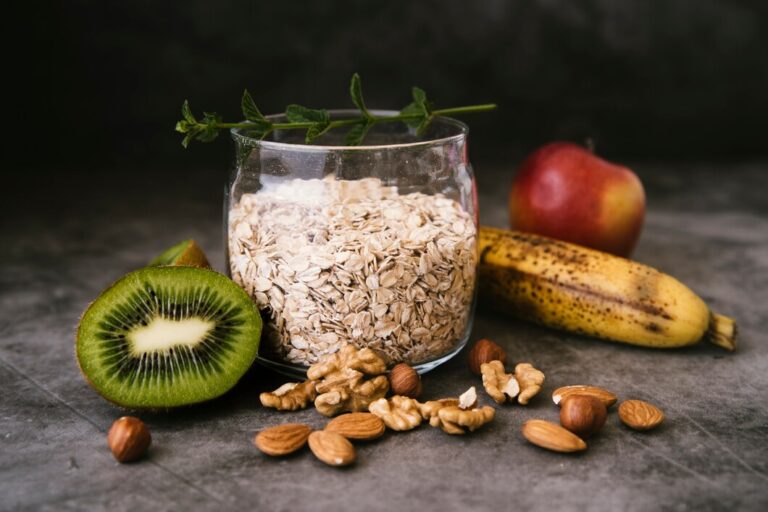
- Eat oatmeal with berries, bananas, and chia seeds.
- Replace some refined rice with brown rice or millet.
- Choose whole-wheat bread instead of white bread.
- Add barley to soups and vegetable stews.
- Prepare quinoa bowls with beans and roasted vegetables.
Replacing refined grains with whole grains is an easy way to increase fiber intake without completely changing your eating habits.
3. Fiber-Rich Fruits and Vegetables
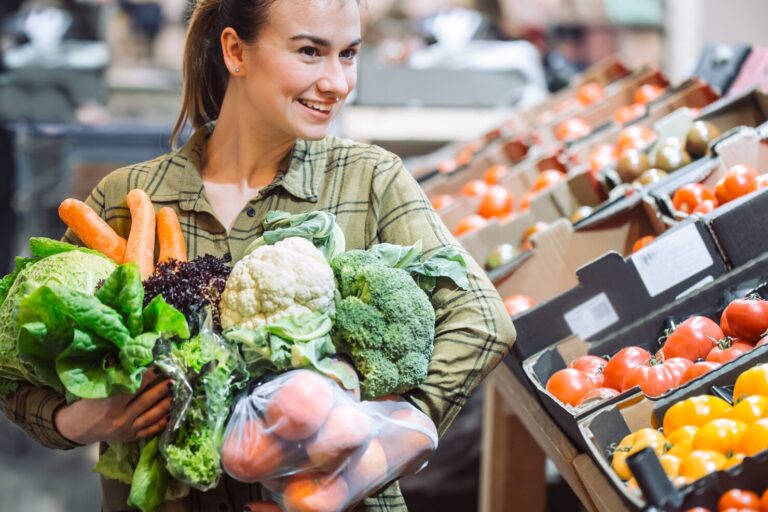
Fresh fruits and vegetables play a vital role in maintaining a balanced and nutritious plant-based diet. They supply dietary fiber, hydration, essential vitamins and minerals, along with natural plant compounds that help support overall well-being..
Some excellent fiber-rich fruits and vegetables include pears, apples, raspberries, oranges, guava, carrots, broccoli, green peas, sweet potatoes, and leafy greens.
A medium pear with its skin provides approximately 5–6 grams of fiber, while a medium apple with its skin contains around 4 grams. One cup of raspberries can provide approximately 8 grams.
Vegetables also contribute meaningfully to daily intake. One cup of cooked green peas contains approximately 8–9 grams of fiber, while cooked broccoli provides around 5 grams per cup.
To increase your intake:
- Eat whole fruit instead of drinking fruit juice.
- Whenever suitable, eat fruits and vegetables with their edible peels to retain more of their natural fiber.
- Add vegetables to sandwiches, soups, curries, and pasta.
- Include fruit with breakfast and as an afternoon snack.
- Combine several vegetables in one meal for greater variety.
Choosing different colors of produce helps diversify your nutrient intake. While no single fruit or vegetable supplies every nutrient, eating a variety of them supports overall health.
4. Chia Seeds and Flaxseeds
Chia seeds and flaxseeds are concentrated sources of fiber that can be added to many foods in small quantities. They also provide healthy fats, and flaxseeds supply alpha-linolenic acid, a plant-based omega-3 fatty acid.
One tablespoon of chia seeds provides approximately 4–5 grams of fiber. One tablespoon of ground flaxseed contains roughly 2 grams, although values vary by product and serving size.
These seeds are an easy way to boost a meal’s fiber content without adding much extra bulk to your portion.
Simple ways to use them include:
- Stir chia seeds into overnight oats.
- Mix ground flaxseed into smoothies.
- Prepare chia pudding with fortified plant milk.
- Add ground flaxseed to whole-grain pancake batter.
- Sprinkle seeds over fruit bowls or oatmeal.
Introduce these foods gradually and drink enough fluids. Chia seeds absorb liquid and expand, so they are best consumed after being mixed into sufficient liquid rather than swallowed dry.
5. Fiber-Rich Nuts and Seeds
Nuts and seeds provide varying amounts of fiber along with healthy fats, protein, and minerals. Almonds, pistachios, sunflower seeds, pumpkin seeds, and sesame seeds can all contribute to a balanced diet.
A 28-gram serving of almonds provides approximately 3–4 grams of fiber, while pistachios offer around 3 grams per similar serving.
Although nuts and seeds are energy-dense, moderate portions can make meals more satisfying and nutritionally diverse.
Practical options include:
- Add almonds or pistachios to a snack box.
- Sprinkle pumpkin seeds over salads.
- Blend sesame seeds into tahini-based dressings.
- Add ground seeds to homemade energy bites.
- Pair a handful of nuts with fresh fruit to create a quick, nutritious, and satisfying snack.
Choose unsalted or lightly salted options when possible, particularly if you are monitoring your sodium intake.
6. Other High-Fiber Vegan Foods
There are many additional foods to explore when building a balanced vegan meal plan.
Foods such as edamame, kidney beans, black beans, split peas, avocados, artichokes, and sweet potatoes can all contribute to fiber intake.
Popcorn prepared with limited oil and salt can also be a whole-grain snack. Dried fruits such as prunes and figs provide fiber, although their concentrated natural sugars and smaller serving sizes should be considered.
The best high-fiber foods for vegans are not necessarily expensive or difficult to prepare. Affordable staples such as dried beans, lentils, oats, seasonal vegetables, and locally available fruits can form the foundation of a nutritious eating pattern.
Soluble and Insoluble Fiber: What Is the Difference?
Learning about vegan foods that contain soluble and insoluble fiber can help you create a balanced and diverse eating plan. Both types support digestive health, and many plant-based foods naturally provide a mix of the two.
Soluble Fiber
Soluble fiber absorbs water in the digestive system, creating a soft, gel-like material as it moves through the gut. Some forms of fiber may reduce LDL (bad) cholesterol levels and slow carbohydrate absorption, helping maintain more stable blood sugar levels.
Common sources include:
- Oats and barley
- Beans and lentils
- Apples and pears
- Citrus fruits
- Chia seeds
- Some vegetables
Including these foods regularly can support cardiovascular and metabolic health as part of an overall balanced diet.
Insoluble Fiber
Unlike soluble fiber, insoluble fiber remains largely intact when it comes into contact with water. It increases stool volume and helps promote consistent, regular bowel movements.
Sources include:
- Whole-wheat grains
- Wheat bran
- Nuts and seeds
- Vegetable skins
- Green vegetables
- Brown rice
Both types contribute to fiber for healthy digestion. Instead of focusing exclusively on one type, aim to eat a wide variety of legumes, whole grains, fruits, vegetables, nuts, and seeds.
Health Benefits of Fiber in a Vegan Diet
Including enough fiber in a well-balanced diet can provide a range of health benefits and support overall well-being.
1. Supports Digestive Health
A major advantage of dietary fiber is that it helps maintain healthy digestion and supports normal bowel function. Fiber can help maintain stool consistency and regularity, reducing the likelihood of constipation for many people.
Certain types of fiber also nourish helpful bacteria in the gut, contributing to a healthier intestinal environment. As beneficial gut bacteria break down specific types of fiber, they release short-chain fatty acids that help maintain a healthy gut lining and support intestinal function.
Maintaining gut health and dietary fiber intake through a varied diet can therefore be an important part of overall digestive wellness.
2. Helps Maintain Healthy Cholesterol Levels
Oats, barley, beans, and some fruits contain soluble fiber that may help lower levels of LDL, commonly known as bad cholesterol. It does this partly by affecting the absorption and recycling of bile acids in the digestive system.
Including these foods alongside other heart-supportive habits, such as regular physical activity and choosing unsaturated fats, may contribute to better cardiovascular health.
3. Supports Blood Sugar Management
Fiber-rich foods generally take longer to digest than many refined, low-fiber foods. Some forms of dietary fiber slow the rate at which carbohydrates are absorbed, which may help prevent sudden increases in blood sugar levels after eating.
Beans, lentils, intact whole grains, and whole fruits are useful choices for people seeking balanced meals. However, fiber should not be considered a substitute for prescribed diabetes treatment or personalized nutritional guidance from a qualified healthcare professional.
4. Helps With Fullness and Weight Management
High-fiber foods can help you feel full for longer because they often require more chewing, contain water, or add bulk to meals.
For example, a meal containing lentils, vegetables, and brown rice may be more satisfying than a meal made primarily from refined grains.
Fiber can support healthy weight management, but body weight is influenced by many factors, including overall energy intake, sleep, physical activity, medications, and individual health conditions.
5. Supports Long-Term Health
Higher dietary fiber intake is associated with several favorable long-term health outcomes, including a lower risk of cardiovascular disease and type 2 diabetes. Some high-fiber dietary patterns are also associated with a reduced risk of colorectal cancer.
These associations reflect overall dietary patterns and other lifestyle factors. Fiber is an important part of a healthy diet, but it is not a guarantee against disease.
How to Get Enough Fiber on a Vegan Diet
Knowing the best foods is only part of the process. Building sustainable habits is what makes it easier to meet your nutritional needs consistently.
Here are practical strategies for how to get enough fiber on a vegan diet.
1. Include Fiber at Every Meal
Instead of trying to consume most of your fiber at dinner, distribute it throughout the day.
For breakfast, choose oats with fruit and chia seeds. At lunch, include lentils, beans, or whole grains. For dinner, combine vegetables with chickpeas, tofu, or beans and a whole-grain side.
This approach makes it easier to reach your target without relying on a single large serving.
2. Make Legumes a Regular Staple
Beans, chickpeas, lentils, and split peas are versatile, affordable foods that provide fiber and plant protein.
Keep cooked or canned legumes available for quick meals. If using canned beans, rinse them under running water to remove some of the sodium.
Try adding a serving of legumes to soups, curries, salads, wraps, or grain bowls several times a week.
3. Choose Whole Fruits Instead of Juice
Whole fruits generally provide more fiber than strained juices because much of the fiber remains in the fruit’s flesh and skin.
Choose an apple, orange, pear, or guava as a snack. Frozen berries are another useful option for oatmeal and smoothies.
Blending whole fruit without straining it generally preserves more fiber than extracting and discarding the pulp.
4. Replace Refined Grains Gradually
Switching every refined grain at once may feel difficult. Start with one simple change, such as replacing white bread with whole-wheat bread or using brown rice for some meals.
You can also experiment with millet, oats, barley, and quinoa to add variety to your meals.
5. Plan Fiber-Rich Snacks
Snacks can contribute meaningfully to your total daily intake.
Useful choices include fresh fruit, roasted chickpeas, hummus with vegetables, a small serving of nuts, or whole-grain crackers with bean dip.
These foods can help you avoid relying entirely on low-fiber packaged snacks.
6. Read Nutrition Labels
Packaged vegan foods differ considerably in fiber content. Some whole-grain cereals and plant-based products contain useful amounts, while others are made mostly from refined starches.
Compare serving sizes and fiber values when choosing breakfast cereals, bread, wraps, crackers, and convenience meals.
Remember that a product labeled vegan is not automatically high in fiber or nutritionally balanced.
Sample One-Day Fiber-Rich Vegan Meal Plan
The following example illustrates how a person can distribute fiber-rich foods across the day. Portions should be adjusted to individual energy needs, appetite, and health requirements.
| Meal | Suggested foods | Approximate fiber |
| Breakfast | Oatmeal with one tablespoon of chia seeds and berries | 10–12 g |
| Mid-morning snack | One medium apple with its skin | 4 g |
| Lunch | Lentil curry, brown rice, and mixed vegetables | 10–14 g |
| Afternoon snack | A small serving of almonds | 3–4 g |
| Dinner | Chickpea and vegetable bowl with whole-wheat roti | 8–12 g |
| Estimated daily total | Varied whole plant foods | 35–46 g |
These figures are estimates, not laboratory-verified totals. Actual fiber content depends on portion sizes, ingredients, cooking methods, and specific varieties of food. The example may provide more fiber than some people need, so portions should be adapted to your own target and digestive tolerance.
For people who currently eat very little fiber, starting with smaller portions may be more comfortable than following the entire plan immediately.
How to Increase Fiber Intake Safely
Although fiber is beneficial, increasing fiber intake safely is important, especially if your current diet contains few high-fiber foods.
A sudden increase can cause bloating, gas, abdominal discomfort, or changes in bowel movements. These effects often improve as your digestive system adapts, but persistent or severe symptoms should not be ignored.
Follow these practical guidelines:
- Increase fiber gradually: Add one extra serving of beans, vegetables, fruit, or whole grains at a time.
- Drink enough fluids: Water helps fiber work effectively, especially when increasing intake or consuming foods such as chia seeds.
- Vary your food choices: Combine legumes, fruits, vegetables, whole grains, nuts, and seeds rather than depending on one source.
- Chew food thoroughly: Eating slowly may improve comfort and help you recognize fullness.
- Monitor your tolerance: Some people experience symptoms with particular foods, such as large portions of beans or certain vegetables. Adjust portion sizes and preparation methods accordingly.
If you have a digestive condition, a history of bowel obstruction, difficulty swallowing, or medical advice to restrict fiber, speak with a healthcare professional before making major dietary changes.
Fiber supplements are not necessary for everyone. Whole foods provide fiber alongside a broader range of nutrients, although a healthcare professional may recommend a supplement in specific circumstances.
Common Mistakes to Avoid on a High-Fiber Vegan Diet
Even when people choose plant-based foods, a few common habits can make it harder to meet their nutritional needs comfortably.
Adding too much fiber too quickly: Large increases can cause digestive discomfort. Build your intake gradually.
Not drinking enough fluids: Adequate hydration is important when increasing fiber, although individual fluid needs vary.
Relying only on raw vegetables: Cooked vegetables, soups, stews, and roasted produce can also contribute plenty of fiber and may be easier for some people to tolerate.
Ignoring portion sizes: Nuts, seeds, and dried fruits are nutritious but energy-dense. Use portions that fit your overall eating pattern.
Choosing processed foods simply because they are vegan: Vegan cookies, refined snacks, and some meat alternatives may contain little fiber. Check ingredient lists and nutrition labels.
Forgetting other nutrients: A healthy vegan diet should also provide adequate protein, vitamin B12, calcium, iron, iodine, vitamin D, and omega-3 fats. Fiber is important, but it is only one part of balanced plant-based nutrition.
Conclusion
Vegan fiber plays an important role in digestive health, cholesterol management, blood sugar regulation, and overall nutritional well-being. Most adults can meet their daily requirements by regularly eating a diverse range of legumes, whole grains, fruits, vegetables, nuts, and seeds.
The best vegan fiber sources include lentils, chickpeas, beans, oats, barley, pears, berries, green peas, chia seeds, and flaxseeds. Combining these ingredients throughout the day can make it easier to achieve your recommended fiber intake without relying on supplements.
For lasting results, focus on simple habits: choose whole grains more often, add legumes to everyday meals, snack on whole fruit, and include vegetables at lunch and dinner. Increase fiber gradually and maintain adequate hydration to help your digestive system adjust.
Ultimately, the goal is not to consume the maximum possible amount of fiber. It is to create a balanced, varied, and sustainable vegan eating pattern that meets your individual needs and supports long-term health.
About the Author