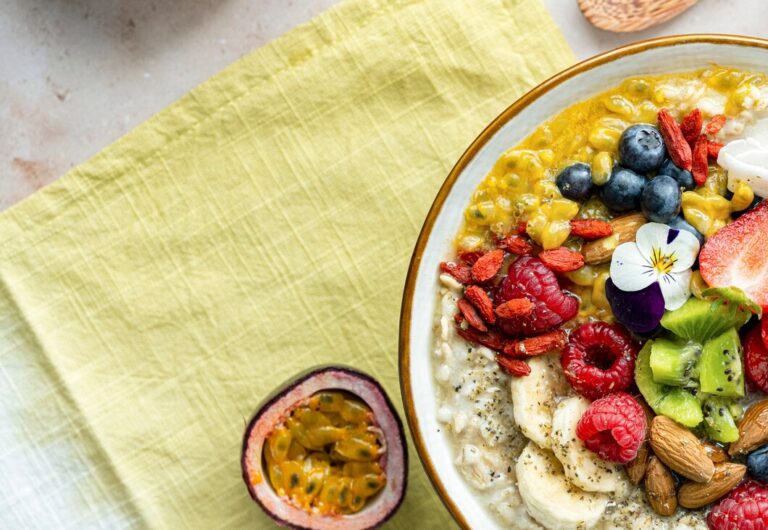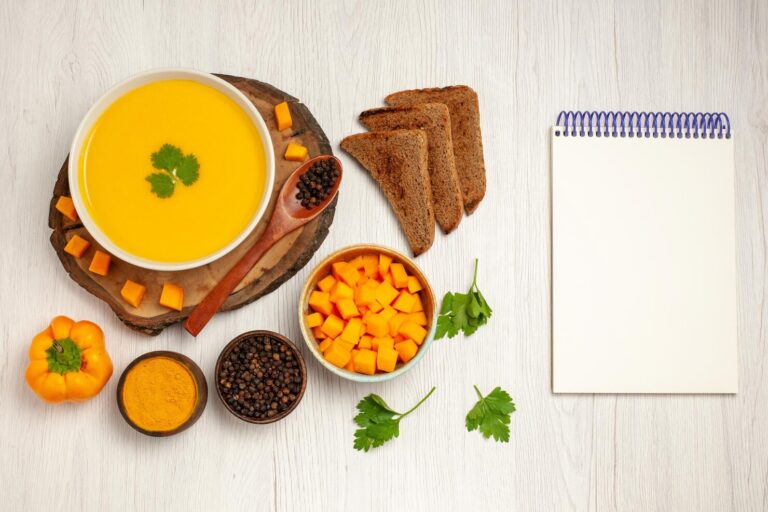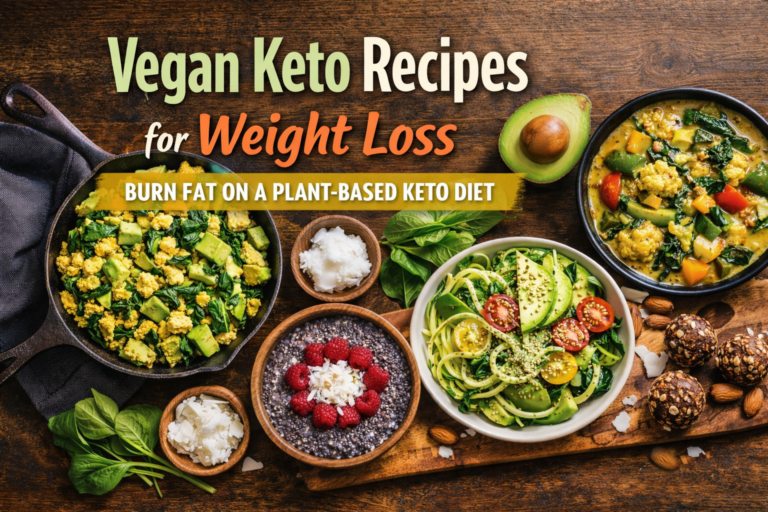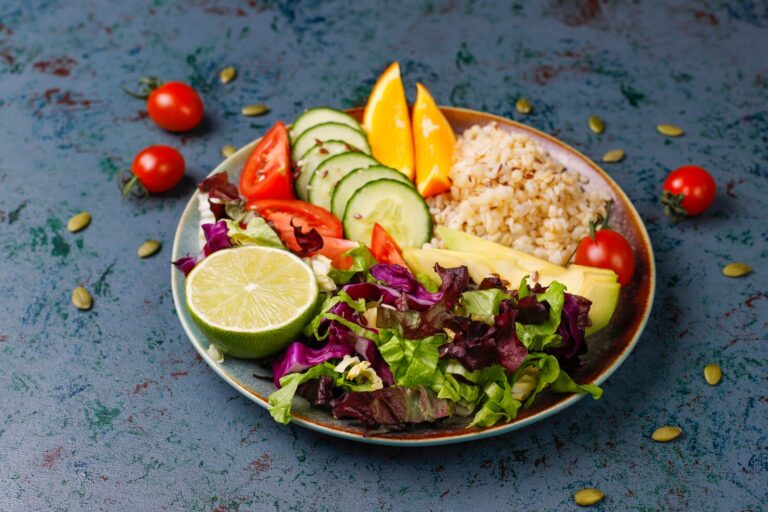
Including Vegan Meals rich in dietary fiber in your daily routine can support digestive health while giving you plenty of opportunities to enjoy tasty, nourishing, and satisfying food. You do not need costly supplements or complicated diet plans to make healthier choices. Simple ingredients like oats, lentils, beans, fresh fruits, vegetables, and whole grains can help you increase your fiber intake while providing essential nutrients. From comforting bowls of dal and refreshing chickpea salads to convenient overnight breakfasts, there are many delicious ways to enjoy plant-based food. These 15 Vegan Meals will give you practical ideas for building a balanced, fiber-rich menu that encourages regular bowel movements and fits easily into your everyday lifestyle.
Understanding Fiber and Its Role in Digestion
Before exploring the recipes, it helps to understand why fiber-rich foods deserve a place on your plate.
Dietary fiber is found in plant foods and passes through the digestive system without being completely broken down. It comes in different forms, and each contributes to digestive function in its own way.
Soluble fiber absorbs water and can form a soft, gel-like material during digestion. Oats, beans, lentils, apples, and chia seeds are examples of soluble fiber foods. Insoluble fiber helps add bulk to stool and is present in foods such as whole grains, vegetable skins, and many vegetables.
Certain types of dietary fiber also serve as nourishment for beneficial bacteria and other microorganisms that live in your gut. These microorganisms make up the gut microbiome, a complex community linked to various functions that help maintain overall health.
A varied selection of fiber-rich vegan foods can also provide protein, vitamins, minerals, and healthy fats.However, adding too much fiber to your diet too quickly can lead to digestive discomfort, including excess gas and bloating. Add new foods gradually, drink adequate fluids, and pay attention to how your body responds. Anyone with a digestive disorder or specific dietary restrictions may need individualized advice from a healthcare professional.
15 High-Fiber Vegan Meals to Add to Your Menu
The recipes below are designed around familiar ingredients, flexible preparation methods, and a variety of textures. These options can be easily customized to suit different flavor preferences and budget requirements. Ingredient quantities can be adjusted according to the number of servings you need.
1. Savory Oats With Peas and Carrots
Best for: A warm breakfast or quick lunch
Ingredients: Rolled oats, green peas, grated carrot, chopped onion, cumin, water, and fresh coriander.
Oats can be enjoyed in savory dishes as well as in traditional sweet breakfast recipes. For a savory version, soften the onion in a little oil, add cumin, peas, and grated carrot, then stir in the oats and water. Cook until the mixture becomes tender, adding extra water if necessary. Garnish with freshly chopped cilantro and add a little lemon juice for a bright, refreshing flavor.
Oats contribute soluble fiber, while peas and carrots add more plant-based nutrients. This combination is a useful starting point for people who want easy high-fiber vegan meals without learning unfamiliar cooking techniques.
For additional protein, serve the oats with a small portion of tofu or unsweetened soy yogurt. Adjust the consistency to your preference, especially if you find very thick meals uncomfortable.
2. Lemon-Garlic Chickpea Salad
Best for: A refreshing lunch
Ingredients: Cooked chickpeas, cucumber, tomatoes, red onion, parsley or coriander, lemon juice, and olive oil.
Rinse and drain the chickpeas thoroughly, then toss them with diced cucumber, chopped tomatoes, and onion.Drizzle with lemon juice and a little olive oil, then stir in your favorite fresh herbs. Toss gently and let the salad rest briefly so the flavors can blend before serving.
Chickpeas supply fiber and plant-based protein. The fresh vegetables add texture and variety, making this a useful choice among vegan meals for better digestion.
You can eat the salad on its own, spoon it into a whole-wheat wrap, or serve it alongside a grain dish. If chickpeas tend to make you feel bloated, begin with a smaller serving and increase it gradually if tolerated.
3. Red Lentil and Pumpkin Stew
Best for: A comforting evening meal
Ingredients: Red lentils, pumpkin, tomatoes, onion, garlic, turmeric, cumin, and water or vegetable stock.
Cook the onion and garlic until soft.Combine cubed pumpkin, washed lentils, chopped tomatoes, and your preferred spices in a pot. Pour in enough water or vegetable broth to cover all the ingredients. Simmer until the pumpkin is tender and the lentils have broken down into a thick stew.
Red lentils provide fiber and protein, while pumpkin contributes additional nutrients and a naturally smooth texture. The result is a filling meal that can be prepared in one pot.
Serve it with whole-wheat roti or a modest portion of brown rice. If you want a thinner consistency, add more liquid near the end of cooking. This recipe also works well for batch cooking, allowing you to save portions for another day.
4. Peanut-Sesame Tofu With Brown Rice
Best for: A balanced lunch or dinner
Ingredients: Firm tofu, brown rice, cabbage, carrots, sesame seeds, peanut butter, lime juice, and ginger.
Cook the rice separately. Cut the tofu into cubes and brown it in a pan with a little oil. Add shredded cabbage and carrots, cooking until the vegetables reach your preferred softness.
For the dressing, mix a small spoonful of peanut butter with lime juice, grated ginger, and warm water. Pour it over the tofu and vegetables, then sprinkle with sesame seeds. Serve with the rice.
This dish combines plant-based protein from tofu with fiber from brown rice and vegetables. The peanut dressing adds richness without requiring a packaged sauce.
If you are looking for healthy vegan meal ideas that feel substantial, this bowl offers a useful combination of grains, protein, and vegetables.
5. Whole-Wheat Pasta With White Beans
Best for: An easy weeknight dinner
Ingredients: Whole-wheat pasta, cooked white beans, tomatoes, spinach, garlic, onion, and dried herbs.
Cook the pasta according to its package directions. As the dish simmers, sauté the chopped onion and garlic in a separate pan until they become soft and fragrant. Add tomatoes and herbs, then stir in the white beans and allow the sauce to simmer. Add spinach shortly before serving.
Combine the sauce with the cooked pasta. The beans make the meal more filling and add fiber and protein, while whole-wheat pasta provides more fiber than many refined pasta alternatives.
This is one of the more flexible high-fiber vegan recipes because you can substitute butter beans, cannellini beans, or another suitable variety. Add mushrooms or zucchini if you have them available.
6. Millet Bowl With Roasted Vegetables and Lentils
Best for: A packed lunch or meal-prep option
Ingredients: Millet, cooked lentils, cauliflower, carrots, onion, cumin, lemon juice, and fresh herbs.
Cook the millet until tender. Cut the vegetables into bite-sized pieces, season them with cumin, and roast until softened and lightly browned. Combine the vegetables with the millet and cooked lentils, then finish with lemon juice and herbs.
Lentils supply dietary fiber and plant-based protein, while the vegetables add a range of nutrients, flavors, and textures to the meal. Millet offers an alternative to rice and can be useful when you want more variety in your grain choices.
Prepare the individual components ahead of time and assemble them when needed. Store cooked ingredients safely in the refrigerator and reheat them thoroughly before eating.
7. Vegetable-Rich Moong Dal Khichdi
Best for: A simple home-cooked meal
Ingredients: Split moong dal, brown rice or another whole grain, carrots, peas, spinach, turmeric, cumin, and water.
Rinse the dal and grain, then place them in a pot with chopped vegetables, turmeric, and water. Simmer until everything is cooked through and soft. Add cumin and other seasonings according to your taste.
Khichdi can be adapted to suit different preferences. Using a variety of vegetables and a suitable whole grain helps add fiber to the meal, while moong dal supplies protein and other nutrients.
This is one of the simplest plant-based meals for digestion because the ingredients can be cooked together with little preparation. If you are sensitive to large amounts of fiber, begin with a comfortable portion rather than suddenly eating a very large bowl.
8. Pear and Flaxseed Overnight Oats
Best for: Breakfast when mornings are busy
Ingredients: Rolled oats, unsweetened soy milk, a ripe pear, ground flaxseed, and cinnamon.
Combine the oats, soy milk, ground flaxseed, and cinnamon in a container. Cover and refrigerate overnight. In the morning, stir the mixture and add diced pear.
Oats and pear contribute fiber, while ground flaxseed provides additional fiber and unsaturated fats. Soy milk can add protein, depending on the product you choose.
This make-ahead breakfast is useful when you want to prepare food in advance instead of reaching for a low-fiber packaged snack. If seeds are not a regular part of your diet, begin with a small serving of flaxseed and slowly increase the quantity as your digestive system adjusts.
9. Three-Bean Tomato Chili
Best for: A hearty dinner or batch cooking
Ingredients: Kidney beans, black beans, chickpeas, tomatoes, bell peppers, onion, garlic, and mild chili seasoning.
Cook the onion and garlic until softened. Add chopped bell peppers, tomatoes, the drained beans, and seasoning. Simmer until the vegetables are tender and the flavors combine.
Using several types of beans introduces variety into the meal and provides both fiber and plant protein. Tomatoes and peppers contribute further nutrients.
Serve the chili by itself or alongside a modest serving of whole grains. You can make a large batch and freeze individual portions for days when cooking from scratch is inconvenient.
If beans are new to your regular diet, start with a smaller serving. Eating a large quantity of legumes immediately may cause uncomfortable gas in some people.
10. Hummus, Spinach, and Roasted Carrot Wrap
Best for: Lunch at work or school
Ingredients: Whole-wheat wraps, hummus, carrots, spinach, cucumber, lemon juice, and black pepper.
Slice the carrots and roast them until tender. Coat a whole-wheat tortilla with hummus, then layer it with shredded carrots, fresh spinach leaves, and sliced cucumber. Add lemon juice and black pepper before rolling the wrap.
Hummus contains chickpeas, which contribute fiber and plant protein. Whole-wheat wraps and vegetables provide additional fiber, making this a practical option among fiber-rich vegan lunch and dinner ideas.
For a less crunchy filling, lightly cook the spinach and use softer roasted vegetables. You can also prepare the roasted carrots in advance, making assembly faster during the week.
11. Barley Soup With Mushrooms and Greens
Best for: A warming lunch
Ingredients: Pearl barley, mushrooms, spinach, celery, onion, garlic, and vegetable stock.
Cook the onion, garlic, and celery in a pot with a little oil. Add sliced mushrooms, rinsed barley, and vegetable stock. Simmer until the barley is tender, adding water if needed. Stir in spinach near the end.
Barley is a whole grain that provides soluble fiber. Mushrooms and spinach add flavor and help make the soup more varied.
Serve it with a slice of whole-grain bread if you want a more substantial meal. Barley contains gluten, so anyone with celiac disease or a medical need to avoid gluten should choose a suitable alternative, such as quinoa.
12. Chia Pudding With Berries and Banana
Best for: Breakfast or a planned snack
Ingredients: Chia seeds, unsweetened plant milk, berries, banana, and a little vanilla.
Mix chia seeds with plant milk and vanilla. Refrigerate for several hours or overnight, stirring once after the mixture begins to thicken. Before serving, top with berries and a few banana slices.
Chia seeds absorb liquid and supply fiber, while berries and banana add flavor and other nutrients. This meal is convenient because most of the preparation happens in advance.
Although chia seeds are nutritious, a large serving may be uncomfortable for someone who is not accustomed to eating much fiber. Begin with a smaller amount and consume the pudding as prepared with sufficient liquid.
13. Split Pea and Carrot Pot Stew
Best for: An economical family meal
Ingredients: Dried split peas, carrots, onion, celery, garlic, bay leaf, and water or vegetable stock.
Rinse the split peas and add them to a pot with chopped vegetables, garlic, and liquid. Allow the mixture to reach a boil, then lower the heat and simmer until the peas are tender. Remove the bay leaf and season before serving.
Split peas are a useful source of fiber and plant protein. They also work well in one-pot recipes, making this a practical option for anyone seeking affordable high-fiber vegan meal ideas.
Serve the stew with whole-grain toast or enjoy it on its own. If the soup thickens more than you prefer, gradually add some hot water until it reaches your desired consistency. Cooked portions can be refrigerated for later meals.
14. Sweet Potato and Black Bean Stuffed Peppers
Best for: A colorful dinner
Ingredients: Bell peppers, cooked black beans, sweet potato, tomatoes, onion, cumin, and cooked quinoa.
Slice each bell pepper lengthwise into two halves, then scoop out the seeds and remove the inner membranes. Roast small cubes of sweet potato until nearly tender. Combine the black beans with diced tomatoes, prepared quinoa, chopped onion, and a pinch of cumin, stirring until the ingredients are evenly mixed.
Fill the pepper halves with the mixture and bake until the peppers soften. Allow them to cool slightly before serving.
Black beans contribute fiber and protein, while sweet potato and quinoa add further nutrients and variety. The recipe can be prepared in advance and reheated when needed.
This meal is an example of high-fiber vegan meals for everyday eating that can look appealing without relying on complicated ingredients.
15. Warm Apple-Cinnamon Oats With Peanut Butter
Best for: Breakfast or a light evening meal
Ingredients: Rolled oats, apple, unsweetened peanut butter, cinnamon, and water or plant milk.
Chop the apple into small pieces and simmer it with a splash of water and a sprinkle of cinnamon until tender.
Stir in the oats and the rest of the liquid, then cook over low heat until the mixture develops a smooth, creamy texture.
Stir in a small spoonful of peanut butter before serving.
Oats and apples provide fiber, while peanut butter contributes protein and unsaturated fat. The combination offers a warm, filling option made from inexpensive ingredients.
Although this recipe resembles a familiar breakfast, it can be varied with pear, chopped nuts, or ground flaxseed. It is a convenient choice when you want something homemade without spending much time in the kitchen.
How to Increase Fiber Without Making Digestion Uncomfortable
Eating more fiber is not a race. If your usual meals contain relatively few whole grains, vegetables, fruits, or legumes, a sudden increase can leave you feeling bloated.
Use these practical approaches to make the transition more comfortable.
Make one change at a time. Add a serving of vegetables to lunch or replace a refined grain with a whole-grain option. After you become comfortable with the first adjustment, gradually add another food rich in dietary fiber to your meals.
Drink enough fluids. Fiber and fluid work together in the digestive tract. Your fluid requirements depend on your health, activity, and climate, so follow medical advice if you have been told to restrict fluids.
Prepare legumes properly. Rinse canned beans before using them. Follow appropriate soaking and cooking instructions for dried beans. If one type of legume upsets your stomach, reduce the serving size or switch to another variety to see which option suits you better.
Choose textures you tolerate. Some people find cooked vegetables easier to manage than raw salads. You can roast, steam, simmer, or mash vegetables instead of eating them raw.
Eat a variety of foods. Include a wide range of fiber-rich foods in your diet by alternating between whole grains, fresh fruits, beans, lentils, vegetables, nuts, and seeds. Different foods contribute different nutrients, and variety makes a vegan eating pattern less repetitive.
These steps explain how to get more fiber on a vegan diet while giving your digestive system time to adjust.
Building a Balanced Vegan Menu for the Week
You do not need to prepare all 15 recipes in one week. Instead, choose a few meals you genuinely enjoy and use them as the foundation of your menu.
For breakfast, alternate between savory oats, overnight oats, and chia pudding. For lunch, prepare chickpea salad, a whole-wheat wrap, or a grain bowl with lentils. For dinner, rotate soups, khichdi, bean chili, stuffed peppers, and tofu with vegetables.
Keep a few dependable ingredients in your kitchen: dried lentils, canned beans, oats, whole grains, frozen vegetables, seasonal fruit, and seeds. These staples make it easier to prepare simple plant-based meals rich in fiber without buying specialty products.
A balanced vegan diet should provide more than fiber alone. Include a range of protein sources, healthy fats, and foods containing essential vitamins and minerals. People following a vegan diet also need a reliable source of vitamin B12, generally through fortified foods or a supplement, because unfortified plant foods are not dependable sources.
Frequently Asked Questions
Which vegan foods are particularly rich in fiber?
Lentils, split peas, beans, chickpeas, oats, barley, chia seeds, flaxseeds, vegetables, and whole fruits are useful options. The amount of fiber varies with the food and serving size, so eating a range of sources is a practical strategy.
Can vegan meals help support regular bowel movements?
Fiber-rich meals may help support regularity, particularly when fiber intake increases gradually and fluid intake is adequate. Constipation can have causes beyond diet, however. If it continues or is accompanied by concerning symptoms, seek medical advice.
What are some good high-fiber vegan recipes for beginners?
Start with oatmeal, lentil stew, chickpea salad, vegetable khichdi, or a whole-wheat wrap with hummus. These recipes use familiar ingredients and do not require advanced cooking skills.
Do I need a supplement to get enough fiber?
Many people can obtain fiber through a varied diet of whole grains, legumes, fruits, vegetables, nuts, and seeds. Whether a supplement is appropriate depends on your diet and health needs. Ask a qualified healthcare professional if you are unsure.
Are these meals suitable for people with sensitive digestion?
Not every high-fiber food suits every person. Large portions of beans, raw vegetables, or seeds may aggravate symptoms in some individuals. Try smaller portions, softer preparations, and gradual changes. People with conditions such as irritable bowel syndrome or inflammatory bowel disease may need tailored guidance.
Final Thoughts
A fiber-rich eating pattern does not have to be built around unfamiliar ingredients or complicated recipes. Oats, lentils, chickpeas, vegetables, whole grains, fruit, and seeds can form the basis of meals that are practical, satisfying, and varied.
Choose two or three recipes from this list and make them part of your regular routine. Once they become familiar, introduce other ingredients to broaden your food choices. Increase fiber gradually, drink enough fluids, and adjust meals to your own digestive comfort.
The aim is not to eat the largest possible amount of fiber at every meal. It is to develop a balanced and sustainable way of eating that supports digestive wellness, provides a broad range of nutrients, and fits your daily life.
About the Author