Many people believe that building muscle requires eating meat, eggs, chicken, or dairy products. However, this is a common misconception. Vegans build muscle by following a well-planned diet that provides enough protein, calories, carbohydrates, healthy fats, vitamins, and minerals. With the right approach to vegan muscle building, it is entirely possible to increase muscle mass, improve strength, and support physical performance without consuming animal products. A balanced vegan diet for muscle growth can provide all the essential nutrients needed to support plant-based muscle building and recovery. Whether someone follows a vegan bodybuilding diet for competitive fitness or simply wants to become stronger, choosing the right foods and maintaining consistent training habits makes a significant difference. Understanding vegan protein for muscle growth, daily calorie requirements, and meal timing can help make building muscle on a vegan diet more effective and sustainable.
The key to success is not simply removing animal products from meals. It involves understanding nutrition, combining different plant-based protein sources, eating enough food, and following a structured resistance-training routine. A properly planned vegan diet for gaining muscle can support both beginners and experienced athletes who want to develop a stronger physique.
Can Vegans Build Muscle Effectively?
Yes, vegans can build muscle just as other individuals can when they consume sufficient calories and protein and follow an appropriate strength-training program. Muscle development depends on several important factors, including progressive resistance training, adequate nutrition, recovery, and consistency.
When muscles experience resistance during exercise, small amounts of muscle damage occur. The body repairs and adapts to this stress by building stronger muscle tissue. Protein supplies the amino acids required for this process, while carbohydrates and fats provide the energy needed for exercise and everyday activities.
A carefully designed vegan muscle gain diet can supply these nutrients through foods such as tofu, tempeh, lentils, chickpeas, beans, soy milk, nuts, seeds, and whole grains.
One important consideration is protein quality. Some plant proteins contain lower amounts of particular essential amino acids than animal proteins. However, eating a variety of protein-rich foods throughout the day helps provide a broad range of amino acids.
Therefore, vegan nutrition for muscle growth is not about relying on one particular food. It is about combining different nutritious ingredients to meet the body’s overall requirements.
Understanding Protein Requirements for Vegan Muscle Building
Protein plays a vital role in supporting muscle growth, repair, and overall muscle development. It provides amino acids that help repair muscle tissue, support muscle protein synthesis, and maintain lean body mass.
How Much Protein Do Vegans Need to Build Muscle?
The amount of protein required depends on body weight, training intensity, fitness goals, and total calorie intake.
For people who regularly perform resistance training, a commonly recommended daily protein range is approximately 1.6–2.2 grams per kilogram of body weight.
For example:
| Body weight | Daily protein target |
| 50 kg | 80–110 g |
| 60 kg | 96–132 g |
| 70 kg | 112–154 g |
| 80 kg | 128–176 g |
| 90 kg | 144–198 g |
These figures provide a practical starting point rather than a strict requirement for every individual.
People following a fully plant-based diet may benefit from aiming toward the higher end of their protein target because some plant proteins have lower digestibility or a less balanced essential amino acid profile.
Understanding how much protein do vegans need to build muscle makes it easier to plan meals and distribute protein throughout the day.
Why Protein Quality Matters
The nutritional value of protein is influenced by its amino acid profile and how effectively the body breaks it down, absorbs it, and utilizes it.
Essential amino acids cannot be produced by the body, so they must come from food. Leucine is particularly important because it helps activate muscle protein synthesis.
Some useful plant-based protein options include:
- Soybeans and soy-based foods.
- Tofu and tempeh.
- Lentils and chickpeas.
- Kidney beans and black beans.
- Peas and green peas.
- Quinoa and whole grains.
- Pumpkin seeds and hemp seeds.
- Pea, soy, and blended vegan protein powders.
Combining different foods helps improve the overall amino acid variety in a vegan diet.
Best Vegan Foods for Muscle Growth
Choosing the right foods is essential for anyone interested in developing a practical and nutritious muscle-building routine. The best vegan foods for muscle growth provide protein along with carbohydrates, healthy fats, vitamins, and minerals.
Here are some excellent choices.
Tofu for Muscle Building
Tofu is one of the most versatile protein-rich foods available to vegans. It is made from soybeans and provides all nine essential amino acids.
Depending on its firmness and brand, tofu generally provides around 10–17 grams of protein per 100 grams.
It can be added to salads, sandwiches, curries, stir-fries, and rice bowls. Its mild flavor makes it easy to combine with different seasonings and ingredients.
Including tofu for muscle building is a convenient way to increase daily protein intake without relying entirely on supplements.
Lentils and Beans for Protein
Lentils and beans are affordable, nutritious, and widely available plant-based protein sources. They also provide dietary fiber, iron, magnesium, potassium, and complex carbohydrates.
Some popular options include:
- Cooked lentils.
- Black beans.
- Chickpeas.
- Kidney beans.
- Green peas.
- Soybeans.
A cup of cooked lentils provides approximately 18 grams of protein, although the exact amount depends on preparation and serving size.
Lentils and beans for protein are especially useful for people who prefer home-cooked meals. They can be included in soups, dals, curries, wraps, salads, and grain bowls.
Tempeh and Soy Products
Tempeh is made from fermented soybeans and is known for its dense consistency and distinctive earthy, nut-like taste. It provides substantial protein and can be used in sandwiches, stir-fries, and roasted dishes.
Soy products are particularly valuable because soy contains all nine essential amino acids.
Soy protein for muscle growth can support muscle repair and development when consumed in appropriate amounts as part of a balanced diet.
Nuts and Seeds
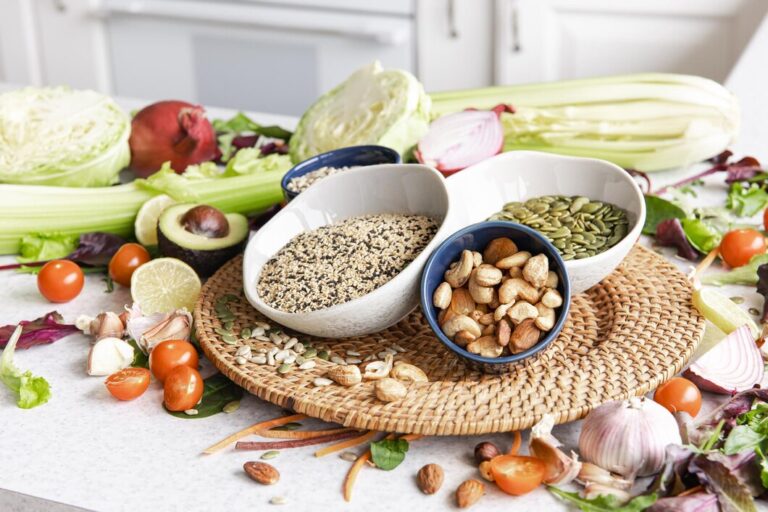
Almonds, peanuts, walnuts, chia seeds, flaxseeds, hemp seeds, and pumpkin seeds provide protein along with healthy fats.
Although nuts and seeds are calorie-dense, they are useful additions to a muscle-building diet, especially for individuals who struggle to consume enough calories.
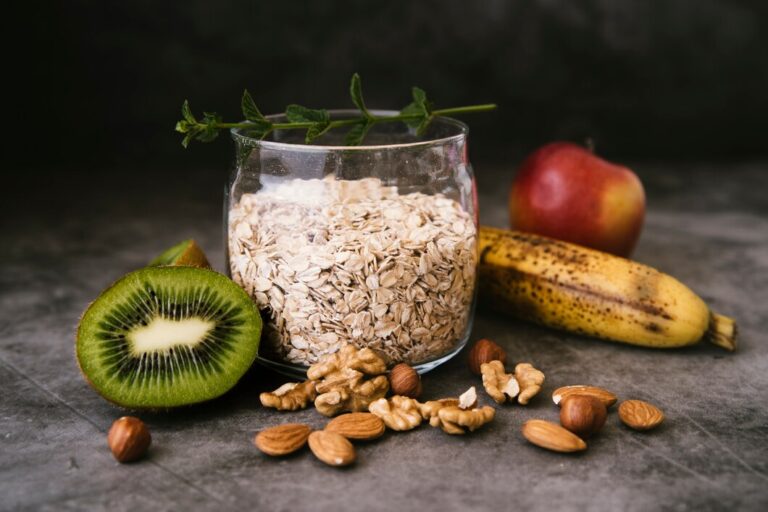
They can be added to oatmeal, smoothies, salads, and homemade energy bars.
Quinoa and Whole Grains
Quinoa is a nutrient-rich seed that provides all nine essential amino acids, making it a valuable addition to a balanced diet. Oats, brown rice, whole-wheat bread, and other whole grains also contribute protein and provide carbohydrates.
Carbohydrates are important because they supply energy for demanding workouts and help replenish muscle glycogen after exercise.
Combining grains with legumes creates satisfying meals that support overall nutrition.
How to Build Muscle on a Vegan Diet
Knowing how to build muscle on a vegan diet requires more than choosing protein-rich foods. The entire eating and training routine must support muscle development.
Here are some important strategies.
Eat Enough Protein Every Day
Make protein a regular part of breakfast, lunch, dinner, and snacks. Instead of trying to consume most of your daily protein in one meal, distribute it across several meals.
For example, a person targeting 120 grams of protein could divide their intake into four meals containing approximately 30 grams each.
This approach makes daily protein requirements easier to achieve.
Follow a Progressive Strength-Training Program
Muscle growth requires resistance training. Exercises should gradually become more challenging as strength improves.
Useful exercises include:
- Squats.
- Deadlifts.
- Bench presses.
- Push-ups.
- Pull-ups.
- Lunges.
- Shoulder presses.
- Rows.
Progressive overload involves gradually increasing resistance, repetitions, or training volume while maintaining proper technique.
A balanced workout program should train all major muscle groups and allow sufficient recovery between demanding sessions.
Maintain a Balanced Diet
Protein is important, but carbohydrates and fats also contribute to muscle development.
Carbohydrates provide workout energy, while dietary fats support hormone production, cell function, and the absorption of fat-soluble vitamins.
A balanced approach makes plant-based muscle building more effective than focusing on protein alone.
How Many Calories Do Vegans Need to Build Muscle?
Calories play a major role in muscle development. Even when someone consumes sufficient protein, building muscle can become difficult if their overall energy intake is consistently too low.
The number of calories needed depends on age, body weight, height, activity level, training frequency, and metabolism.
Understanding a Calorie Surplus
A calorie surplus means consuming slightly more calories than the body burns each day.
For muscle gain, a modest surplus of approximately 150–300 calories per day is a reasonable starting point for many people. Some individuals may need a different amount depending on their training experience and body composition goals.
For example, someone whose maintenance requirement is 2,200 calories might begin with approximately 2,350–2,500 calories daily.
This approach supports gradual weight gain while helping limit unnecessary fat accumulation.
A controlled calorie surplus for muscle gain is especially useful for people who want to develop muscle without gaining excessive body fat.
Choosing Calorie-Dense Vegan Foods
Some plant-based foods provide plenty of calories in relatively small portions.
Examples include:
- Peanut butter.
- Almond butter.
- Avocados.
- Olive oil.
- Nuts and seeds.
- Tahini.
- Dried fruits.
- Oats.
- Rice.
- Whole-grain pasta.
Adding these ingredients to meals can help increase calorie intake without making meals unnecessarily large.
How to Gain Weight and Muscle as a Vegan
People who struggle to gain weight should focus on eating regularly and choosing foods that provide both calories and nutrients.
A smoothie containing soy milk, banana, oats, peanut butter, and vegan protein powder can provide a convenient combination of protein, carbohydrates, and fats.
Other useful options include rice with tofu, lentil curry with whole-grain bread, and chickpea wraps with avocado.
The goal of how to gain weight and muscle as a vegan is to increase body weight gradually while supporting strength improvements through resistance training.
Best Vegan Protein Sources for Bodybuilding
People following a vegan bodybuilding routine should choose foods that provide substantial protein without making meal preparation complicated.
Some of the most practical choices include:
| Vegan food | Approximate protein |
| Firm tofu (100 g) | 10–17 g |
| Tempeh (100 g) | 19–21 g |
| Cooked lentils (1 cup) | 18 g |
| Cooked chickpeas (1 cup) | 14–15 g |
| Cooked black beans (1 cup) | 15 g |
| Soy milk (1 cup) | 7–9 g |
| Peanut butter (2 tablespoons) | 7–8 g |
| Pumpkin seeds (30 g) | 8–9 g |
| Cooked quinoa (1 cup) | 8 g |
Values vary depending on the product, cooking method, and serving size.
High-Protein Vegan Foods for Bodybuilding
The most convenient options for high-protein vegan foods for bodybuilding include tofu, tempeh, textured vegetable protein, soy chunks, lentils, seitan, and soy-based products.
Seitan is especially protein-dense, although it is not suitable for people with celiac disease or gluten sensitivity.
Soy chunks are another practical choice because they can be incorporated into curries, rice dishes, and vegetable preparations.
Using different protein sources throughout the week helps improve dietary variety and makes a muscle-building routine easier to maintain.
Should Vegans Use Protein Powder?
Protein powder is not compulsory for muscle growth. However, it can make meeting daily protein requirements more convenient.
A vegan protein powder is generally made using ingredients such as pea protein, soy protein, rice protein, or blended plant proteins.
Types of Vegan Protein Powder
Pea protein: Made from yellow peas, it is a popular option that provides a good amount of protein.
Soy protein: Soy protein contains all nine essential amino acids and is commonly used in sports nutrition products.
Rice protein: Made from brown rice, it is another plant-based option. It is sometimes combined with pea protein to improve the overall amino acid profile.
Blended plant protein: These products combine ingredients such as pea, rice, and other plant proteins to provide a broader amino acid profile.
When Should You Take Vegan Protein Powder?
Protein powder can be consumed after exercise, between meals, or whenever additional protein is needed.
For example, a smoothie containing soy milk, banana, oats, and vegan protein powder can be a convenient post-workout option.
However, whole foods should remain the foundation of a balanced diet. Dietary supplements offer a practical option for providing nutrients that may be missing from your regular meals.
Best Time to Eat Protein for Muscle Growth
Meal timing can influence how effectively someone distributes protein throughout the day. However, total daily protein intake is generally more important than following a strict eating schedule.
The best time to eat protein for muscle growth is whenever it helps an individual consistently meet their daily protein target.
Protein Before a Workout
Eating a protein-containing meal approximately one to three hours before exercise can provide amino acids that support muscle function and recovery.
Good pre-workout options include:
- Oatmeal with soy milk.
- Tofu sandwiches.
- Peanut butter and banana toast.
- A smoothie with plant-based protein.
These foods provide a combination of protein and carbohydrates.
Protein After a Workout
After exercise, muscles need nutrients to repair and adapt to training.
A meal containing approximately 20–40 grams of protein is a practical option for many adults, depending on body size and total daily requirements.
Examples of post-workout vegan meals include:
- Tofu and vegetable rice bowls.
- Lentil curry with whole-wheat chapati.
- Soy chunks with rice.
- Chickpea and quinoa salads.
- Tempeh with roasted potatoes.
Eating protein after training is useful, but there is no need to consume it immediately after the final repetition. A consistent daily protein intake matters more than a narrow post-workout window.
Spread Protein Across the Day
Instead of consuming a large quantity of protein at dinner, divide it across three to five meals.
This provides regular opportunities to stimulate muscle protein synthesis and makes nutritional planning easier.
Vegan Meal Plan for Muscle Gain
A structured vegan meal plan for muscle gain can make it easier to achieve daily protein and calorie requirements.
Below is an example of a one-day eating plan. Portions should be adjusted according to individual calorie and protein targets.
| Meal | Food choices |
| Breakfast | Oats with soy milk, banana, chia seeds, and peanut butter |
| Mid-morning snack | Roasted chickpeas and fruit |
| Lunch | Rice, lentil dal, tofu, and mixed vegetables |
| Pre-workout snack | Whole-grain toast with peanut butter |
| Post-workout | Vegan protein shake with a banana |
| Dinner | Soy chunks or tempeh with chapati and vegetables |
| Evening snack | Soy yogurt with pumpkin seeds |
This meal plan includes a variety of plant-based ingredients that provide protein, carbohydrates, fiber, and healthy fats.
Tips for Meal Preparation
Preparing meals in advance can help people stay consistent with their nutrition goals.
Consider cooking lentils, beans, and grains in larger quantities. Keep tofu, tempeh, soy milk, and vegetables available for quick meals.
Preparing overnight oats or protein smoothies can also make breakfast easier.
People who follow an Indian vegan diet can use familiar foods such as dal, rajma, chole, soy chunks, tofu bhurji, rice, roti, and vegetable curries.
These ingredients make it possible to create affordable, nutritious meals without depending on expensive specialty products.
Importance of Amino Acids in Vegan Muscle Building
Amino acids are the building blocks of protein. They play an essential role in muscle repair, tissue development, and several metabolic processes.
There are nine essential amino acids that must come from food.
Some plant-based foods provide all nine, including soy, quinoa, and buckwheat. Other foods may contain lower amounts of certain essential amino acids.
For example, legumes are generally rich in lysine but relatively lower in methionine. Grains generally provide more methionine but less lysine.
Eating a varied diet containing legumes, grains, nuts, seeds, and soy products helps provide a suitable range of plant-based amino acids.
There is no need to combine complementary proteins in every single meal. Consuming a variety of protein-rich foods throughout the day is generally sufficient for healthy adults.
Protein Intake for Muscle Recovery
Muscle recovery is an important part of every strength-training program. Exercise places stress on muscles, and the body requires adequate nutrients and rest to adapt.
Appropriate protein intake for muscle recovery helps repair muscle tissue and supports the development of new muscle proteins.
However, protein alone cannot guarantee effective recovery.
Other important factors include:
- Getting sufficient sleep.
- Drinking enough water.
- Eating adequate carbohydrates.
- Consuming enough total calories.
- Allowing muscles time to recover.
- Avoiding excessive training volume.
Best Muscle Recovery Foods
Several plant-based foods can support post-exercise recovery.
Bananas: Provide carbohydrates and potassium.
Sweet potatoes: Supply carbohydrates and other important micronutrients.
Tofu: Provides complete plant protein.
Lentils: Contain protein, iron, and carbohydrates.
Berries: Provide antioxidants and other beneficial plant compounds.
Oats: Supply carbohydrates, fiber, and some protein.
Including these muscle recovery foods in a balanced diet can help support an effective training routine.
Common Mistakes to Avoid When Building Muscle on a Vegan Diet
Although a plant-based diet can support muscle development, certain nutritional mistakes can make progress more difficult.
Not Eating Enough Calories
One common mistake is eating too little. Many plant-based foods are high in fiber and can make people feel full quickly.
If calorie intake remains below maintenance, gaining muscle and body weight may become challenging.
Including calorie-dense ingredients such as nuts, seeds, peanut butter, oats, and avocado can help.
Depending on Only One Protein Source
Eating only lentils or relying exclusively on protein shakes can limit dietary variety.
Instead, include soy products, legumes, grains, nuts, seeds, and other protein-rich foods.
Ignoring Micronutrients
A vegan diet requires attention to certain vitamins and minerals.
Vitamin B12 is particularly important because naturally occurring reliable sources in an unfortified vegan diet are limited. Vegans should obtain it through fortified foods or an appropriate supplement.
Other nutrients worth considering include:
- Iron.
- Calcium.
- Vitamin D.
- Zinc.
- Iodine.
- Omega-3 fatty acids.
A well-planned diet helps reduce the risk of nutritional deficiencies that could affect overall health and training performance.
Training Without a Proper Recovery Routine
Working out every day without sufficient recovery can interfere with performance and progress.
A structured program should balance training intensity, rest days, sleep, and nutrition.
Expecting Immediate Results
Muscle growth takes time. Visible changes depend on training experience, genetics, nutrition, sleep, and consistency.
Following a realistic plan for several months is more beneficial than frequently changing diets and workout routines.
Is a Vegan Diet Suitable for Lean Muscle Gain?
Yes. A well-planned vegan diet for lean muscle gain can help individuals increase muscle mass while limiting unnecessary fat gain.
The main strategy involves consuming sufficient protein, maintaining a small calorie surplus when needed, and following progressive resistance training.
People who want to gain lean muscle should monitor their body weight, strength improvements, energy levels, and workout performance.
If body weight increases too quickly, calorie intake may need adjustment. If strength and weight remain unchanged for an extended period, slightly increasing daily calories may be useful.
It is also important to understand that gaining muscle without gaining any body fat is not realistic for everyone. The objective should be gradual, sustainable progress rather than extreme dietary restrictions.
Conclusion
Building muscle without animal products is completely achievable with the right nutritional and training strategy. Vegan muscle building depends on consuming enough protein, maintaining an appropriate calorie intake, choosing nutritious plant-based foods, and following a consistent strength-training program.
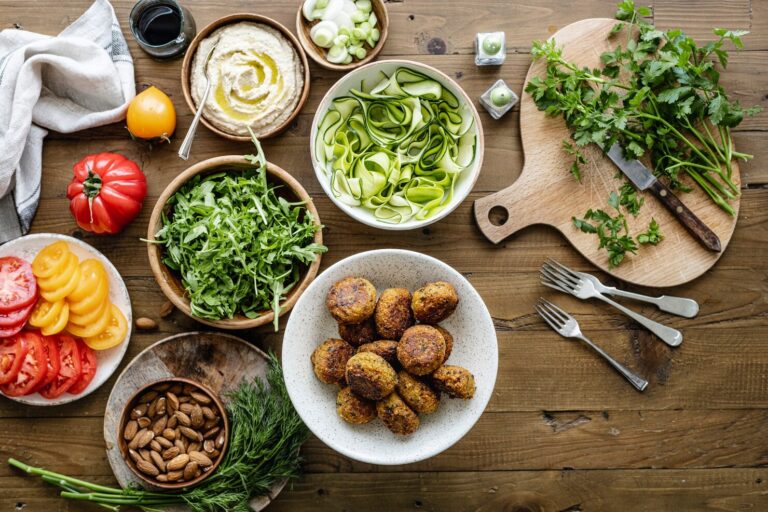
Foods such as tofu, tempeh, lentils, chickpeas, soy chunks, beans, quinoa, nuts, and seeds can provide the nutrients required to support muscle development. Protein powder can also be useful when whole foods alone do not meet daily requirements.
Understanding calorie needs, distributing protein throughout the day, and choosing suitable post-workout meals can make a significant difference. Just as importantly, adequate sleep, hydration, and recovery should remain part of the routine.
Ultimately, a carefully planned vegan diet for muscle growth can support strength, performance, and long-term fitness goals. With patience, consistency, and balanced nutrition, vegans can build muscle and develop a strong, healthy physique without including animal products in their meals.
About the Author