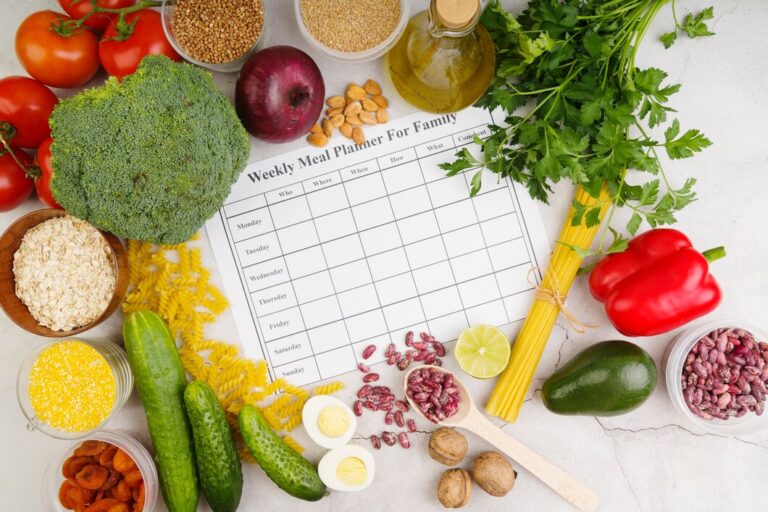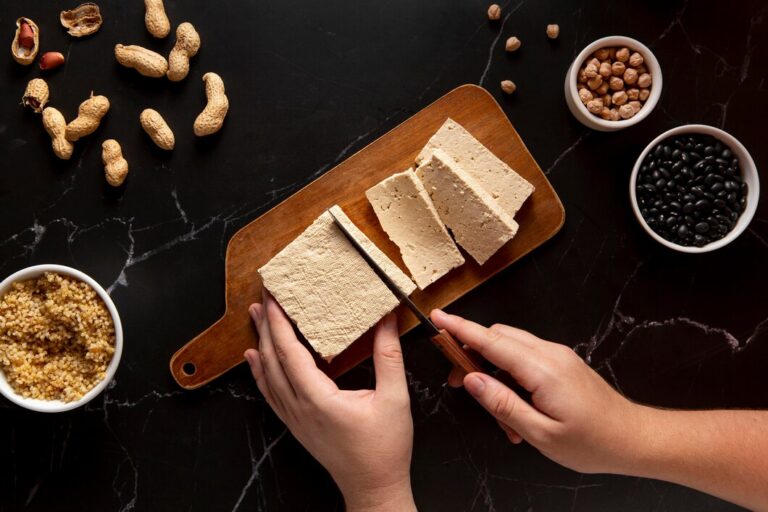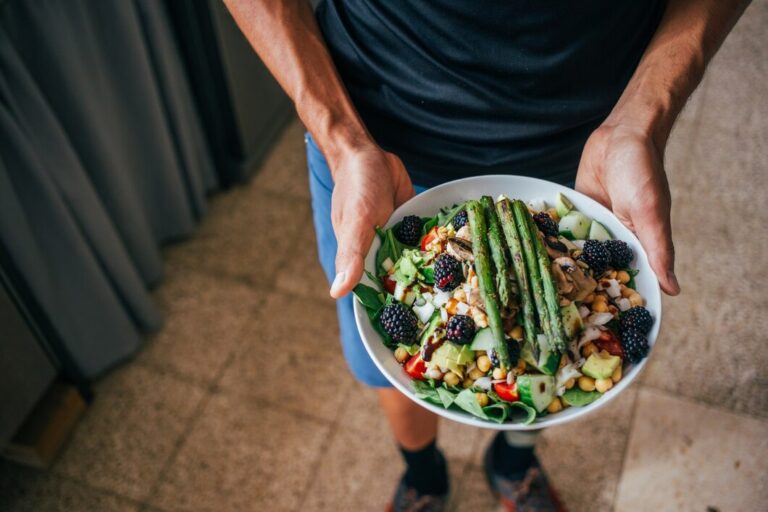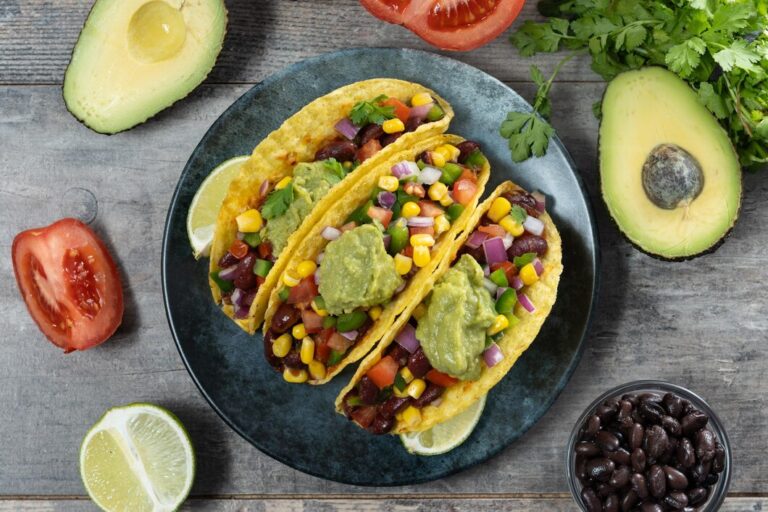
Running requires energy, endurance, strength, and proper recovery. Whether you enjoy short morning jogs, participate in weekend races, or prepare for a marathon, the food you eat can influence how comfortably you train and how well your body recovers. A well-planned Vegan diet for runners can provide the carbohydrates, protein, healthy fats, vitamins, and minerals needed to support an active lifestyle without relying on animal-based foods.
A plant-based eating routine includes a wide variety of foods, such as fruits, vegetables, whole grains, beans, lentils, nuts, seeds, and soy products. These ingredients can supply essential nutrients while offering plenty of meal combinations for runners with different training schedules.
However, following a vegan running diet requires some planning. Runners need enough calories to support their activity levels, carbohydrates to fuel their muscles, and protein to repair muscle tissue after exercise. Nutrients such as iron, vitamin B12, calcium, and zinc also deserve attention.
Another important consideration is meal timing. Eating the right foods before running can help provide energy, while choosing suitable meals afterward supports muscle recovery and replenishes energy stores.
In this guide, we will explore vegan nutrition for runners, including what to eat before and after running, how to fuel long distances, which plant-based foods provide essential nutrients, and how to build a balanced eating routine that supports running performance.
Why Is a Vegan Diet Suitable for Runners?
A properly planned plant-based diet for runners can provide many of the nutrients required for regular training and endurance activities.
Plant foods contain carbohydrates, fiber, vitamins, minerals, antioxidants, and different types of plant-based protein. By combining a variety of ingredients, runners can create balanced meals that support their daily energy requirements.
Here are some reasons why a vegan eating pattern can work well for runners.
1. Provides Energy Through Carbohydrates
Carbohydrates are one of the main energy sources used during running. Your muscles store carbohydrates in the form of glycogen, which helps support physical activity.
Foods such as oats, brown rice, potatoes, bananas, whole-grain bread, and pasta provide carbohydrates that can be included in everyday meals.
These foods are particularly useful for runners who participate in endurance activities or follow demanding training schedules.
Choosing the best carbohydrates for vegan runners depends on the timing of your workout. Easily digested carbohydrates may be more suitable before running, while whole grains and fiber-rich foods can be included in regular meals.
2. Supports Muscle Recovery
Running places repeated demands on your muscles, particularly during longer sessions, speed workouts, and hill training.
Protein provides amino acids that help repair and maintain muscle tissue.
A vegan diet can supply protein through lentils, chickpeas, tofu, tempeh, soy milk, beans, nuts, seeds, and other plant-based ingredients.
Combining different protein foods throughout the day helps vegan runners obtain a variety of essential amino acids.
3. Offers a Variety of Vitamins and Minerals
Plant foods provide several nutrients that support normal body functions.
For example:
- Leafy green vegetables provide folate and contribute iron.
- Citrus fruits provide vitamin C.
- Nuts and seeds provide magnesium and healthy fats.
- Beans and lentils provide iron, protein, and fiber.
- Fortified plant milk can provide calcium and vitamin B12, depending on the product.
Eating a varied diet helps runners cover their nutritional requirements.
4. Encourages a Diverse Eating Routine
A vegan running diet can include different cuisines and ingredients.
You can prepare lentil soups, vegetable rice bowls, tofu stir-fries, oatmeal, smoothies, chickpea salads, and homemade energy snacks.
This variety makes it easier to enjoy your meals while meeting your nutritional needs.
However, a vegan diet is not automatically healthy or suitable for athletic performance. Runners still need to pay attention to portion sizes, total calorie intake, nutrient quality, and meal timing.
What to Eat Before Running Vegan
Choosing the right food before running can help you feel energized and avoid unnecessary hunger during exercise.
If you are wondering what to eat before running vegan, focus mainly on carbohydrates and choose foods that are comfortable for your stomach.
Your meal size and timing should depend on the distance, intensity, and duration of your run.
1. Bananas
Bananas are among the most convenient vegan snacks before and after running.
They contain easily available carbohydrates and potassium, making them a practical choice before exercise.
You can eat a banana on its own or combine it with a small amount of peanut butter if you have enough time to digest it.
For shorter morning runs, a banana may be sufficient if you have already eaten adequately the previous day and feel comfortable exercising with a light stomach.
2. Oatmeal
Oatmeal is a useful breakfast option for runners who prefer eating before their workouts.
It provides complex carbohydrates and contains fiber, which can help make meals more satisfying.
You can prepare oats using fortified soy milk, almond milk, or another plant-based milk.
Add banana slices, berries, or a small amount of maple syrup for additional flavor and carbohydrates.
However, oatmeal may feel too heavy immediately before running because of its fiber content. It is generally more suitable when eaten a few hours before exercise.
3. Whole-Grain Toast With Peanut Butter
Whole-grain toast with peanut butter is a simple breakfast combination that provides carbohydrates, some protein, and healthy fats.
It works well as part of a morning meal when you have enough time before your run.
If you are eating shortly before exercise, consider using a smaller portion of peanut butter because higher-fat foods may take longer to digest.
You can also add banana slices or a little jam to increase the carbohydrate content.
4. Dates
Dates are convenient energy-boosting vegan foods because they contain naturally occurring sugars and carbohydrates.
Their small size makes them easy to carry, particularly during longer training sessions.
You can eat a few dates before running or include them in homemade energy balls.
Since dates are concentrated in carbohydrates, they can also be useful when you need a quick source of energy during endurance activities.
5. Rice Cakes
Rice cakes provide a relatively light carbohydrate option.
You can eat them with jam, banana slices, or a small amount of fruit spread.
They are especially convenient when you want a simple snack that does not contain a large amount of fiber.
6. Smoothies
A smoothie can be a convenient option for runners who prefer drinking their pre-run nutrition rather than eating a large meal.
A basic vegan smoothie can include:
- One ripe banana.
- A cup of plant-based milk.
- A handful of berries.
- A small amount of oats.
- Optional maple syrup.
Blend the ingredients until smooth and adjust the consistency according to your preference.
If you have a sensitive stomach, avoid adding too many high-fiber ingredients immediately before running.
What Should Vegan Runners Eat Before a Run?
The following table provides some simple options based on the time available before exercise.
| Timing | Suggested vegan food |
| 2–3 hours before | Oatmeal with banana and plant milk |
| 1–2 hours before | Toast with jam and fruit |
| 30–60 minutes before | Banana or a few dates |
| Shortly before | Small amounts of easily digested carbohydrates, if needed |
These are general suggestions rather than strict rules. Individual digestion and training needs vary.
For longer or more demanding sessions, eating enough carbohydrates in the hours before exercise becomes particularly important.
What to Eat After Running Vegan
After completing a run, your body needs nutrients to restore energy and support muscle repair.
Knowing what to eat after running vegan can help you create meals that provide carbohydrates, protein, fluids, and important micronutrients.
A balanced post-run meal should generally include a carbohydrate source and a good-quality plant-based protein source.
Here are some useful vegan post-run meals.
1. Tofu and Vegetable Rice Bowl
Tofu is one of the most versatile plant-based protein sources.
A rice bowl with tofu and vegetables provides carbohydrates, protein, and several vitamins and minerals.
You can prepare it using:
- Cooked brown or white rice.
- Grilled or stir-fried tofu.
- Broccoli.
- Carrots.
- Bell peppers.
- A light soy-based dressing.
This meal is suitable after regular training sessions because it combines energy-restoring carbohydrates with protein.
2. Lentil and Vegetable Soup
Lentils are valuable vegan protein foods that also provide iron, fiber, and complex carbohydrates.
A warm lentil soup with vegetables can make a satisfying recovery meal, particularly during colder weather.
You can prepare it using red or green lentils, tomatoes, carrots, onions, spinach, and vegetable broth.
Pair the soup with whole-grain bread or rice to increase the carbohydrate content.
Adding a vitamin C-rich ingredient, such as tomatoes or lemon juice, can also help improve the absorption of non-heme iron from plant foods.
3. Chickpea and Quinoa Salad
Chickpeas and quinoa provide a combination of carbohydrates and plant-based protein.
You can prepare a colorful salad using cooked quinoa, chickpeas, cucumber, tomatoes, leafy greens, and lemon dressing.
Add pumpkin seeds or sunflower seeds for additional nutrients and healthy fats.
This is one of the best plant-based meals for runners who prefer something light and refreshing after exercise.
4. Vegan Protein Smoothie
A vegan protein smoothie can be useful when you do not feel hungry enough to eat a full meal immediately after running.
A simple recipe includes:
- One banana.
- Fortified soy milk.
- A serving of suitable vegan protein powder, if needed.
- A tablespoon of peanut butter.
- A small amount of cocoa powder.
Blend everything until smooth.
This combination provides carbohydrates, protein, and calories to support post-workout recovery nutrition.
5. Peanut Butter and Banana Sandwich
A peanut butter and banana sandwich is an easy recovery snack for runners who need something convenient.
Whole-grain bread provides carbohydrates, while peanut butter contributes protein and healthy fats.
Banana adds additional carbohydrates and potassium.
It is a practical option when you need to eat soon after completing your workout but cannot prepare a full meal.
6. Tempeh With Sweet Potatoes
Tempeh is a fermented soybean product that offers protein and other useful nutrients.
Pair it with roasted sweet potatoes and steamed vegetables to create a balanced recovery meal.
Sweet potatoes provide carbohydrates, while tempeh contributes protein.
This combination can be included in a regular meal plan for people following endurance training schedules.
Best Vegan Foods to Eat After Running
Some useful foods to include in your post-run routine are:
- Tofu and tempeh.
- Lentils and chickpeas.
- Quinoa.
- Brown or white rice.
- Potatoes and sweet potatoes.
- Soy milk.
- Bananas and berries.
- Nuts and seeds.
The right combination depends on your training intensity, appetite, and daily nutritional requirements.
How Vegan Runners Get Enough Protein
Protein is essential for maintaining muscle tissue and supporting recovery after exercise.
One common concern about vegan nutrition for runners is whether plant-based foods can provide enough protein.
The answer is yes, provided the diet is properly planned.
You do not need to depend on a single food to meet your protein requirements. Instead, include different protein sources throughout the day.
Best Plant-Based Protein Sources
| Food | Approximate protein |
| 100 g firm tofu | 10–17 g |
| 100 g tempeh | 18–20 g |
| 100 g cooked lentils | 9 g |
| 100 g cooked chickpeas | 9 g |
| 100 g cooked quinoa | 4–5 g |
| 250 ml soy milk | 7–9 g |
| 30 g pumpkin seeds | 8–9 g |
| 2 tablespoons peanut butter | 7–8 g |
Values are approximate and vary by brand, preparation method, and food variety.
Include Different Protein Foods
A varied diet makes it easier to obtain essential amino acids.
For example, you can combine:
- Rice with lentils.
- Whole-grain bread with peanut butter.
- Quinoa with chickpeas.
- Tofu with vegetables and noodles.
- Oatmeal with soy milk and seeds.
You do not have to combine complementary proteins in every single meal. Eating a variety of protein-containing foods throughout the day is generally sufficient for healthy adults.
How Much Protein Do Vegan Runners Need?
Protein requirements depend on body weight, training volume, recovery demands, and overall health.
For many active people, approximately 1.2–2.0 grams of protein per kilogram of body weight per day may be appropriate, depending on their training needs.
For example, a runner weighing 60 kg might require approximately 72–120 grams of protein daily within that broad range.
A sports dietitian can help determine an appropriate individual target, particularly during intensive marathon training.
How to Fuel Long Runs on a Vegan Diet
Long-distance running requires more preparation than a short jog.
As your running duration increases, your muscles use more stored glycogen. Without appropriate fueling, you may experience fatigue, reduced performance, or difficulty maintaining your planned pace.
Here are some practical ways to fuel long runs on a vegan diet.
1. Eat Enough Carbohydrates Before Training
Carbohydrates are particularly important for endurance running nutrition.
Before a long run, include familiar carbohydrate-rich foods such as:
- Oatmeal.
- Bananas.
- Toast.
- Rice.
- Potatoes.
- Pasta.
- Dates.
Avoid experimenting with unfamiliar meals before an important training session.
2. Carry Easily Digestible Snacks
For longer runs, you may need carbohydrates during exercise.
Some vegan-friendly options include:
- Dates.
- Bananas.
- Vegan energy gels.
- Chews without animal-derived ingredients.
- Sports drinks.
- Homemade carbohydrate snacks.
For many endurance athletes, a common starting guideline is approximately 30–60 grams of carbohydrates per hour during exercise lasting longer than about 60–90 minutes. Longer events may require higher amounts, sometimes up to 90 grams per hour, depending on duration, tolerance, and training.
Practise your fueling strategy during training rather than trying it for the first time on race day.
3. Pay Attention to Hydration
Hydration for runners is important before, during, and after exercise.
The amount of fluid you need depends on temperature, humidity, running intensity, duration, and individual sweat rate.
Drink according to your thirst and training conditions rather than forcing excessive amounts of water.
During longer or particularly sweaty sessions, electrolyte drinks may help replace sodium and other minerals lost through sweat.
4. Plan Your Recovery After Long Runs
After a demanding session, prioritize a meal containing both carbohydrates and protein.
For example, a large rice bowl with tofu, vegetables, and fruit can provide a useful combination of nutrients.
You should also replace fluids gradually and include sodium when appropriate, particularly after substantial sweating.
Important Nutrients in a Vegan Running Diet
A vegan running diet should provide more than carbohydrates and protein.
Several micronutrients deserve special attention because they contribute to normal energy metabolism, oxygen transport, bone health, and muscle function.
1. Iron-Rich Vegan Foods
Iron helps the body produce hemoglobin, which carries oxygen through the bloodstream.
Low iron levels can affect endurance and exercise capacity.
Iron-rich vegan foods include:
- Lentils.
- Chickpeas.
- Kidney beans.
- Tofu.
- Pumpkin seeds.
- Spinach.
- Fortified breakfast cereals.
Plant-based iron is known as non-heme iron. Its absorption can be improved by eating vitamin C-rich foods alongside iron-containing meals.
For example, combine lentils with tomatoes, bell peppers, or lemon juice.
Runners experiencing unexplained fatigue or declining performance should discuss appropriate blood testing with a healthcare professional rather than starting iron supplements without guidance.
2. Vitamin B12 for Vegan Athletes
Vitamin B12 is particularly important because naturally reliable sources are limited in an entirely plant-based diet.
It supports normal red blood cell production and nervous system function.
Vegan athletes should obtain vitamin B12 through reliable fortified foods or an appropriate supplement.
Useful fortified options may include:
- Fortified plant milk.
- Fortified breakfast cereals.
- Nutritional yeast with added B12.
Always check product labels because not every plant-based product contains vitamin B12.
3. Healthy Fats for Runners
Healthy fats provide energy and support normal body functions.
Good plant-based sources include:
- Walnuts.
- Chia seeds.
- Flaxseeds.
- Almonds.
- Avocados.
- Peanut butter.
- Olive oil.
Chia seeds, flaxseeds, and walnuts also provide plant-based omega-3 fatty acids.
Include healthy fats in everyday meals, but avoid consuming large quantities immediately before running if they cause digestive discomfort.
4. Calcium and Vitamin D
Calcium supports bone health and normal muscle function.
Vegan sources include calcium-fortified plant milk, calcium-set tofu, sesame seeds, and certain leafy vegetables.
Vitamin D helps the body absorb calcium and supports bone health.
Depending on your diet, sun exposure, and individual circumstances, fortified foods or supplementation may be necessary.
5. Zinc and Magnesium
Zinc supports immune function and normal tissue repair, while magnesium contributes to muscle and nerve function.
Good vegan sources include beans, whole grains, nuts, seeds, and tofu.
Eating a varied diet usually provides a useful combination of these minerals.
However, runners with unusually high training demands may need individualized nutritional assessment.
Vegan Diet for Marathon Training
Marathon preparation requires consistent training and adequate nutritional support.
A vegan diet for marathon training should provide enough calories, carbohydrates, protein, and micronutrients to support both training and recovery.
Here are some practical considerations.
Prioritize carbohydrate intake: Include rice, oats, potatoes, pasta, fruits, and whole grains regularly.
Spread protein across meals: Include tofu, lentils, beans, soy milk, and other protein sources throughout the day.
Practise race-day nutrition: Test vegan energy gels, drinks, dates, and other carbohydrate sources during long training runs.
Avoid sudden dietary changes: Your digestive system needs time to adapt to new foods and fueling strategies.
Monitor recovery: Persistent fatigue, frequent injuries, and declining performance can indicate that your energy or nutrient intake needs attention.
For marathon runners, working with a sports dietitian familiar with plant-based nutrition can help create a suitable fueling plan.
Sample One-Day Vegan Meal Plan for Runners
The following example demonstrates how you can organize meals around a typical training day.
| Meal | Food suggestions |
| Early morning | Banana and water |
| Breakfast after running | Oatmeal with soy milk, berries, and chia seeds |
| Mid-morning snack | Apple and almonds |
| Lunch | Brown rice, lentils, tofu, and vegetables |
| Afternoon snack | Peanut butter toast |
| Dinner | Chickpea curry, rice, and spinach |
| Evening snack | Fortified soy milk or fruit, if needed |
This is an illustrative meal plan, not a fixed calorie prescription. Portion sizes should be adjusted according to body weight, training volume, appetite, and individual energy requirements.
Common Mistakes Vegan Runners Should Avoid
Even a carefully selected plant-based diet can become unbalanced if certain nutritional needs are overlooked.
Here are some common mistakes to watch out for.
1. Eating Too Few Calories
Plant-based foods can be high in fiber and relatively filling. Some runners unintentionally eat less than their bodies require.
Make sure your meals provide enough energy to support your training and everyday activities.
2. Ignoring Protein Intake
Eating vegetables and fruits alone will not necessarily provide enough protein.
Include legumes, tofu, tempeh, soy products, nuts, and seeds regularly.
3. Avoiding Carbohydrates
Some people reduce carbohydrates unnecessarily because they believe they should avoid starchy foods.
However, carbohydrates are a major fuel source for endurance exercise.
Runners need sufficient carbohydrates to support training intensity and recovery.
4. Forgetting Vitamin B12
A completely plant-based diet needs a reliable source of vitamin B12.
Do not assume that all natural or organic plant foods provide this nutrient.
5. Trying New Foods Before a Race
High-fiber meals, unfamiliar ingredients, and large portions may cause digestive discomfort.
Stick to familiar foods before important running sessions and competitions.
Frequently Asked Questions (FAQ)
1. What should vegan runners eat before a run?
Vegan runners can eat bananas, oatmeal, toast with jam, dates, rice cakes, or smoothies before running. The best choice depends on how much time is available before exercise. Choose easily digested carbohydrates for snacks close to your workout.
2. What should vegan runners eat after running?
After running, choose a combination of carbohydrates and plant-based protein. Tofu with rice, lentil soup with bread, chickpea and quinoa salad, and vegan protein smoothies are useful options for recovery.
3. Can you build muscle while following a vegan running diet?
Yes. Vegan runners can maintain and build muscle by consuming sufficient calories, protein, and essential nutrients while following an appropriate resistance-training program.
4. How do vegan runners get enough protein?
Vegan runners can obtain protein from tofu, tempeh, lentils, chickpeas, beans, soy milk, quinoa, nuts, seeds, and vegan protein powders. Eating different protein sources throughout the day helps provide essential amino acids.
5. Are bananas good before running?
Yes. Bananas provide carbohydrates and are convenient to eat before running. They are particularly useful for people who prefer a light snack rather than a large meal.
6. What are the best vegan foods for endurance?
Oats, rice, potatoes, bananas, pasta, lentils, dates, tofu, beans, and quinoa are useful foods for endurance athletes. Combining carbohydrate-rich foods with adequate protein helps support training and recovery.
7. Can a vegan diet support marathon training?
Yes. A properly planned vegan diet can support marathon training by providing sufficient carbohydrates, protein, fats, vitamins, and minerals. Special attention should be given to iron, vitamin B12, calcium, and overall calorie intake.
8. How can vegan runners improve recovery?
Vegan runners can support recovery by eating sufficient carbohydrates and protein, staying hydrated, getting enough sleep, and allowing adequate time between demanding training sessions.
9. Do vegan runners need protein supplements?
Not necessarily. Many runners can meet their protein needs through regular foods such as tofu, lentils, chickpeas, beans, and soy products. Supplements can be convenient when dietary intake is insufficient or meal preparation is difficult.
10. Is a plant-based diet good for long-distance running?
A well-planned plant-based diet can provide the energy and nutrients needed for long-distance running. The key is to consume enough calories, fuel long sessions with carbohydrates, maintain protein intake, and monitor important micronutrients.
Conclusion
A well-planned Vegan diet for runners can provide the nutritional support needed for everyday jogging, endurance training, and marathon preparation. By choosing a variety of plant-based foods, runners can obtain carbohydrates for energy, protein for muscle recovery, and essential vitamins and minerals for overall health.
The most important part is understanding what your body needs before and after exercise. Foods such as bananas, oatmeal, dates, and toast can provide convenient pre-run energy, while tofu, lentils, chickpeas, quinoa, and rice can make satisfying post-run meals.
Remember to pay attention to protein intake, iron-rich vegan foods, vitamin B12, healthy fats, and hydration. These nutritional considerations become especially important as your training volume increases.
You do not need an expensive meal plan or complicated recipes to get started. Focus on eating enough, choosing nutrient-rich ingredients, and adjusting meal timing according to your running schedule.
Ultimately, the best vegan running diet is one that you can enjoy consistently while supporting your energy levels, training goals, and recovery.
About the Author