Becoming a vegan meal planner was never part of Maya’s original plan. When she first decided to change her eating habits, she was simply a vegan newbie looking for a practical way to eat more plant-based food without feeling overwhelmed. Like many people starting a beginner vegan diet, she had plenty of enthusiasm but very little experience with planning meals, shopping for ingredients, preparing unfamiliar foods, or understanding vegan nutrition. Within a few months, however, she had developed a reliable system for vegan meal planning, created a weekly vegan meal plan, learned vegan meal prep, and discovered that preparing healthy vegan meals could actually make everyday life easier. Her experience offers useful lessons for anyone considering a vegan diet for beginners or exploring a plant-based diet.
Starting as a Vegan Newbie
Maya’s journey began with a simple decision: she wanted to eat more plant-based meals and gradually move toward a vegan lifestyle.
At first, she assumed becoming vegan would mainly involve replacing meat and dairy products with vegetables. After her first few grocery trips, she realized it was more complicated.
Her kitchen was filled with ingredients, but she still found herself asking:
- What should I cook tonight?
- Am I getting enough protein?
- Which foods should I buy every week?
- How can I make meals filling?
- What can I prepare ahead of time?
- How do I avoid eating the same thing every day?
These questions are common during the early stages of a vegan diet for beginners.
Maya quickly discovered that knowing what foods are vegan is very different from knowing how to organize those foods into practical meals.
That realization became the turning point in her journey.
Instead of preparing whatever food happened to be available, she decided to learn plant-based meal planning.
Why She Needed a Vegan Meal Plan
Before discovering structured planning, Maya frequently made food decisions at the last minute.
She might prepare toast for breakfast, grab a quick salad for lunch, and then realize at dinner that she had no idea what to cook.
This approach created unnecessary stress.
She also spent more money than expected because she regularly purchased ingredients without knowing how they would be used.
Creating a vegan meal plan changed that.
Instead of asking what to eat every few hours, she began deciding in advance.
Her first weekly plan was extremely simple.
She selected:
- Three breakfast options
- Three lunch ideas
- Four dinner meals
- Several snacks
- A few fruits
- Basic ingredients for quick meals
She did not try to create a perfect seven-day menu.
Her objective was simply to remove uncertainty.
That small change made eating plant-based feel much more manageable.
Learning Vegan Meal Planning for Beginners
Maya approached vegan meal planning for beginners like learning a new skill rather than following a strict diet.
She started by identifying foods she already enjoyed.
She liked oats, rice, potatoes, lentils, beans, vegetables, fruit, nuts, and pasta. Instead of searching for dozens of complicated recipes, she built meals around familiar ingredients.
This made vegan food planning less intimidating.
Her basic formula became:
Carbohydrate + protein-rich plant food + vegetables + healthy fat + flavor.
For example, she might combine rice with lentils, roasted vegetables, and a simple sauce.
Another meal could include potatoes, chickpeas, vegetables, and tahini dressing.
The formula gave her flexibility without requiring a completely different recipe every day.
How to Plan Vegan Meals Without Feeling Overwhelmed
One of the biggest lessons Maya learned was that how to plan vegan meals does not have to involve creating an elaborate menu.
She started planning meals in categories.
Breakfast
She rotated between:
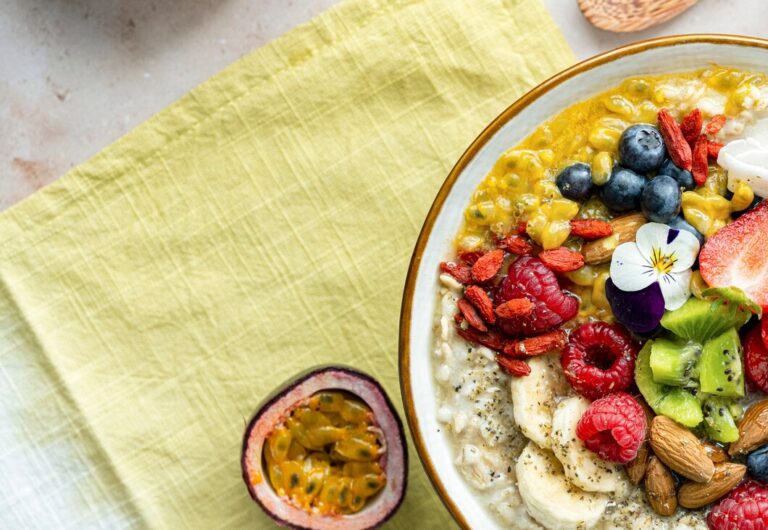
- Oatmeal with fruit
- Smoothie bowls
- Toast with nut butter and fruit
- Chia pudding
- Tofu scramble
Lunch
She prepared:
- Grain bowls
- Lentil salads
- Chickpea wraps
- Vegetable soups
- Leftovers from dinner
Dinner
She rotated:
- Lentil curry
- Vegetable pasta
- Bean tacos
- Tofu stir-fry
- Chickpea and vegetable bowls
Snacks
Her options included:
- Fruit
- Nuts
- Seeds
- Hummus with vegetables
- Homemade energy bites
This simple structure became her first easy vegan meal plan for beginners.
She realized that meal planning was less about finding something completely new every day and more about creating a reliable rotation.
Discovering Easy Vegan Meal Ideas
Maya initially believed vegan cooking required complicated ingredients.
Online recipes often featured specialty products she had never purchased before.
Eventually, she realized that some of the best easy vegan meal ideas were based on ordinary ingredients.
For example, a simple bowl of rice, beans, vegetables, salsa, and avocado could become a satisfying dinner.
Pasta could be combined with tomato sauce, vegetables, lentils, or beans.
Potatoes could be roasted and served with chickpeas and a flavorful dressing.
Oats could become breakfast with fruit, seeds, and nut butter.
These discoveries helped her understand that simple vegan recipes can be both nutritious and enjoyable.
The goal was not to recreate every traditional meal using vegan substitutes.
Instead, she began learning how to make naturally plant-based meals taste good.
Building a Beginner Vegan Diet
As Maya became more comfortable, she started learning more about the nutritional side of a beginner vegan diet.
At first, she focused almost entirely on vegetables.
Later, she learned that a balanced plant-based diet needs variety.
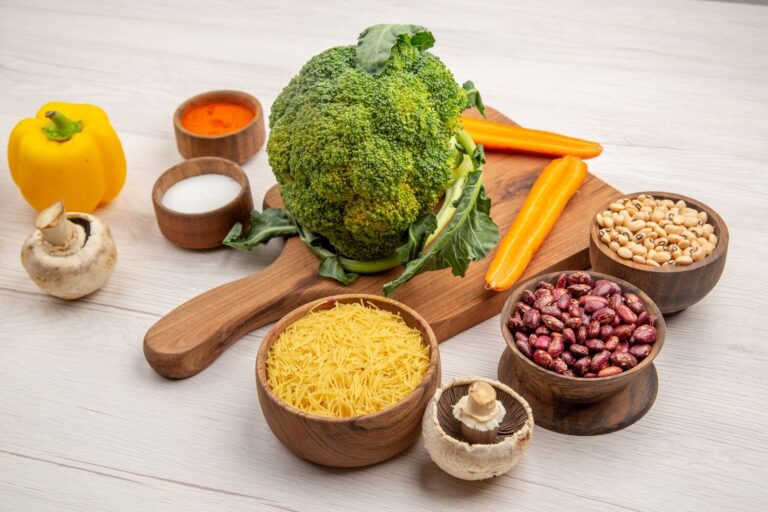
She began intentionally including foods such as:
- Beans
- Lentils
- Chickpeas
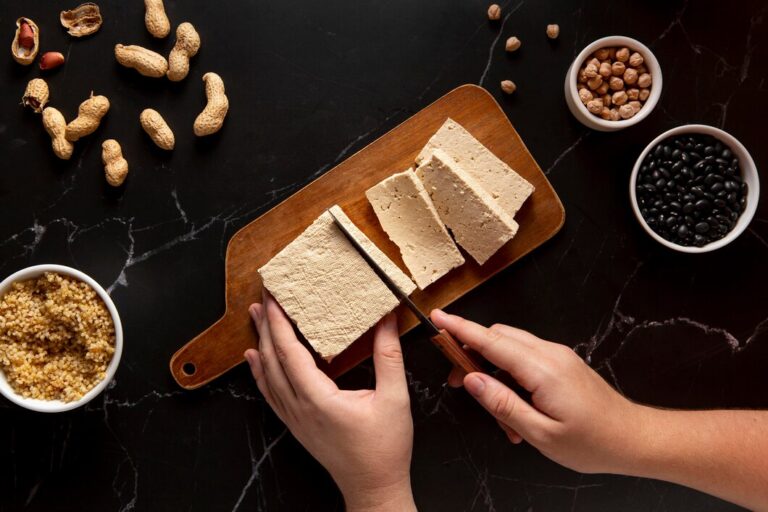
- Tofu
- Tempeh
- Whole grains
- Nuts
- Seeds
- Vegetables
- Fruits
- Fortified foods where appropriate
She also learned that certain nutrients deserve special attention when following a vegan diet, including vitamin B12.
Rather than guessing about supplements or nutrient requirements, she began using reliable nutrition information and consulting qualified professionals when she had questions.
This helped her understand that vegan nutrition is not simply about removing animal products.
It is about replacing them with a varied and nutritionally appropriate selection of plant foods.
Learning Vegan Cooking for Beginners
Maya’s first attempts at cooking were not perfect.
Some dishes were bland.
Others were too complicated.
A few recipes ended up being abandoned halfway through.
Instead of giving up, she simplified her approach.
She began learning basic cooking techniques such as:
- Roasting vegetables
- Cooking grains
- Preparing beans and lentils
- Making simple sauces
- Stir-frying vegetables
- Preparing tofu
- Creating soups and stews
This was an important part of vegan cooking for beginners.
She stopped expecting every meal to look like something from a restaurant.
A successful weekday dinner simply needed to be nutritious, satisfying, affordable, and easy enough to repeat.
The Role of Vegan Meal Prep
Once Maya had a few favorite meals, she started experimenting with vegan meal prep.
Instead of preparing complete meals seven days in advance, she prepared ingredients.
On Sunday, she might:
- Cook a batch of rice
- Prepare lentils
- Roast vegetables
- Wash salad ingredients
- Make a dressing
- Prepare overnight oats
- Portion snacks
During the week, she could combine these ingredients in different ways.
Rice could become a burrito bowl one day and a stir-fry another.
Roasted vegetables could be added to wraps, salads, pasta, or grain bowls.
This approach made vegan meal prep ideas for beginners much easier to follow.
She was no longer spending an hour cooking from scratch every evening.
Creating a Weekly Vegan Meal Planning Routine
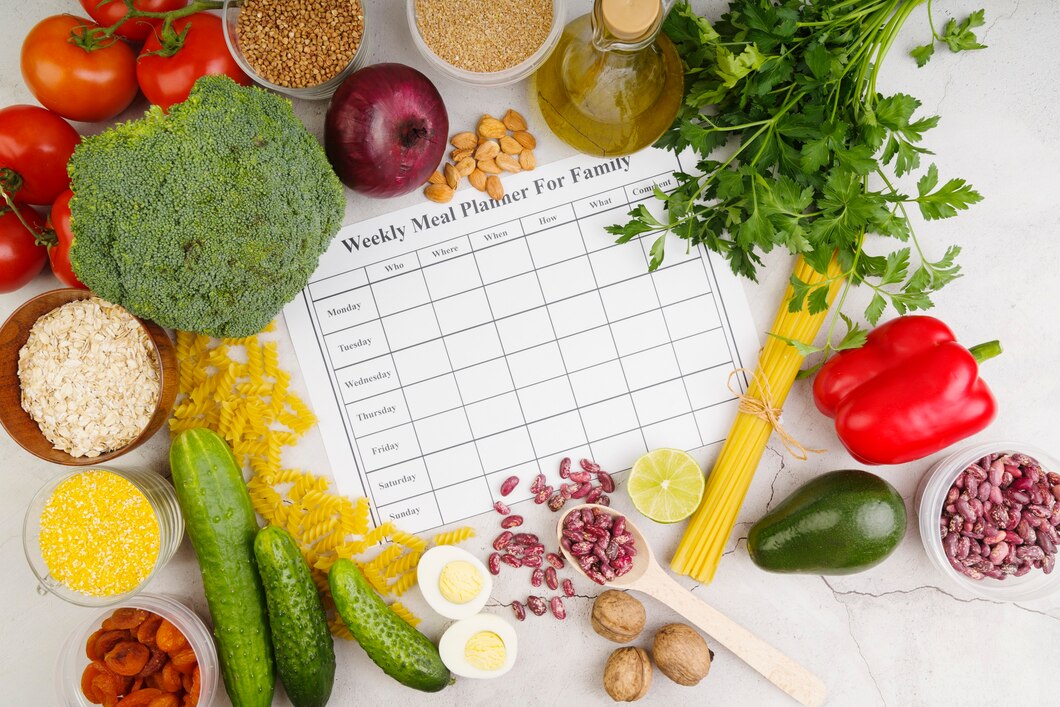
After several weeks, Maya developed a weekly vegan meal planning routine.
Every Saturday morning, she would spend about 20–30 minutes planning the upcoming week.
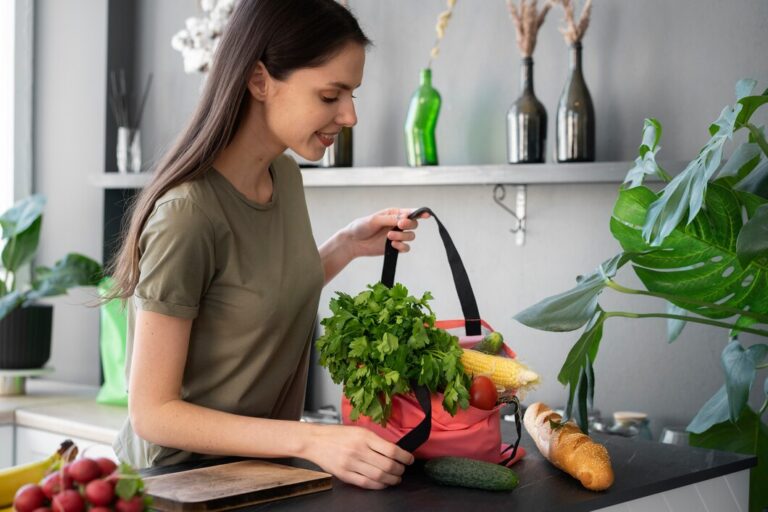
First, she checked what was already in the kitchen.
Then she looked at her schedule.
If she had a busy evening, she planned a quick meal.
If she had more time on the weekend, she selected something that required longer preparation.
Finally, she created a grocery list.
This process became predictable.
Instead of feeling like another chore, planning became part of her weekly routine.
That was one of the biggest reasons her vegan meal planning success story developed so naturally.
How Meal Planning Makes Vegan Eating Easier
Maya discovered firsthand how meal planning makes vegan eating easier.
Before planning, she had to make several food decisions every day.
After planning, many of those decisions had already been made.
This reduced:
- Last-minute food choices
- Grocery waste
- Unnecessary spending
- Dependence on takeout
- Repetitive meals
- Kitchen stress
Meal planning also gave her more confidence.
When she opened the refrigerator, she knew what ingredients were available and how they could be used.
The process removed much of the uncertainty that had made her early vegan experience difficult.
How to Create a Balanced Vegan Meal Plan
One question Maya frequently encountered was how to create a balanced vegan meal plan.
Her solution was to think about variety across the entire day and week rather than trying to make every meal perfect.
She included different plant protein sources throughout the week.
She varied vegetables and fruits.
She rotated grains and other carbohydrate sources.
She included appropriate sources of healthy fats.
She also paid attention to fortified foods and nutrients that can require particular consideration in vegan diets.
A balanced meal could be as simple as:
Lentil curry + brown rice + vegetables + a small serving of nuts or seeds.
Or:
Tofu stir-fry + noodles or rice + mixed vegetables + sesame-based dressing.
The exact meal matters less than creating variety and nutritional adequacy over time.
Her Favorite Beginner-Friendly Vegan Meals
Maya created a personal collection of beginner-friendly vegan meal ideas that she could prepare quickly.
Chickpea Wrap
She filled a whole-grain wrap with mashed chickpeas, vegetables, greens, and a simple dressing.
Lentil Bowl
She combined cooked lentils with rice, roasted vegetables, and a flavorful sauce.
Tofu Stir-Fry
Tofu, mixed vegetables, and noodles became a quick dinner on busy evenings.
Vegetable Pasta
Whole-grain pasta with tomato sauce, mushrooms, spinach, and beans became one of her reliable meals.
Overnight Oats
Oats, plant-based milk, fruit, seeds, and nut butter created an easy breakfast.
Potato and Chickpea Bowl
Roasted potatoes and chickpeas were combined with vegetables and a simple dressing.
These meals were not complicated, but they gave her enough variety to avoid feeling restricted.
How to Start a Vegan Diet Gradually
Maya also learned that how to start a vegan diet can look different for different people.
Some people transition immediately.
Others prefer to make changes gradually.
Maya began by replacing a few meals each week and gradually increased the number of fully plant-based meals.
This gave her time to learn.
She became familiar with new ingredients before trying to overhaul everything.
For someone considering a vegan diet for beginners, gradual experimentation can make the transition feel less intimidating.
The important thing is to create an approach that is nutritionally appropriate and sustainable.
Tips for New Vegans From Maya’s Experience
Maya eventually wrote down several tips for new vegans based on what she wished she had known at the beginning.
Do not buy everything at once
You do not need every vegan ingredient available at the grocery store.
Start with foods you already like.
Learn a few reliable meals
Having five or six dependable recipes is more useful than saving 100 recipes you never cook.
Keep convenient food available
Frozen vegetables, canned beans, tofu, grains, fruit, and other practical staples can make meals easier.
Learn basic nutrition
Understand protein sources and nutrients that deserve attention on a vegan diet.
Plan around your schedule
Do not create meals that require two hours of cooking on your busiest day.
Experiment with flavors
Herbs, spices, sauces, citrus, garlic, ginger, and other seasonings can transform simple ingredients.
Do not expect perfection
Some meals will be better than others.
The goal is consistency, not flawless eating.
Transitioning to a Vegan Lifestyle
For Maya, transitioning to a vegan lifestyle eventually became about more than food.
She began paying more attention to her everyday choices and thinking about how they aligned with her values.
However, she also learned that lifestyle changes do not happen overnight.
Rather than trying to change every habit simultaneously, she focused on one area at a time.
Food remained her starting point.
Once meal planning became comfortable, other aspects of her lifestyle naturally became easier to explore.
The key was avoiding an all-or-nothing mindset.
How to Become a Vegan Meal Planner
Maya’s story also provides a practical answer to how to become a vegan meal planner.
You do not need professional culinary skills.
You need a system.
Start with these steps:
Step 1: Identify foods you enjoy.
Build your meals around ingredients you already know.
Step 2: Learn plant protein sources.
Include beans, lentils, chickpeas, tofu, tempeh, and other suitable options.
Step 3: Create a recipe collection.
Choose 10–15 recipes that are simple enough for regular use.
Step 4: Make a weekly schedule.
Assign meals to specific days based on your availability.
Step 5: Create a grocery list.
Buy ingredients according to the meals you actually intend to prepare.
Step 6: Prepare ingredients in advance.
Cook grains, legumes, vegetables, and sauces ahead of time when convenient.
Step 7: Review your week.
Identify meals you enjoyed and recipes you would not make again.
This turns vegan meal planning for beginners into a repeatable process.
Simple Plant-Based Meal Planning
Maya’s system eventually became an example of simple plant-based meal planning.
She stopped trying to create a completely different menu every day.
Instead, she created a meal framework.
For example:
Monday: Lentil bowl
Tuesday: Tofu stir-fry
Wednesday: Leftover bowl
Thursday: Chickpea wraps
Friday: Vegetable pasta
Saturday: Homemade vegan burgers
Sunday: Soup and grain bowl
This rotation allowed her to shop efficiently while still enjoying different meals.
Leftovers also became part of the system.
Cooking a larger quantity did not mean eating the exact same meal repeatedly. Leftover ingredients could be transformed into wraps, salads, bowls, or soups.
Overcoming Common Vegan Meal Planning Challenges
Maya still encountered challenges.
“I am bored with my meals.”
Her solution was changing flavors rather than completely changing ingredients.
The same chickpeas could become curry, tacos, salad topping, or roasted snacks.
“I do not have enough time.”
She relied on quick recipes and prepared ingredients in advance.
“I forgot to go grocery shopping.”
She kept a few shelf-stable staples available for emergency meals.
“My recipe failed.”
She treated it as part of learning rather than a reason to quit.
“I am eating the same thing repeatedly.”
She created a list of different breakfast, lunch, dinner, and snack combinations.
These simple solutions made the process sustainable.
What Changed After Six Months?
Six months after beginning her journey, Maya noticed that meal planning had become almost automatic.
She could walk into a grocery store and quickly identify what she needed.
She knew how to combine ingredients into a balanced meal.
She had a collection of favorite recipes.
She could prepare several meals in advance.
Most importantly, she no longer viewed vegan eating as complicated.
She had moved from being a vegan newbie to someone who could confidently organize her own meals.
The biggest transformation was not learning hundreds of recipes.
It was learning a system.
The Biggest Lesson From Her Vegan Meal Planning Success Story
Maya’s vegan meal planning success story demonstrates that successful dietary changes do not necessarily require dramatic transformations.
Her progress came from small, repeatable improvements.
She learned to:
- Plan before shopping
- Shop with a purpose
- Prepare ingredients in advance
- Keep meals simple
- Learn about vegan nutrition
- Build meals around familiar foods
- Experiment gradually
- Adapt recipes to her schedule
- Review what worked
- Avoid perfectionism
These habits gave her confidence.
Instead of wondering what she could eat, she began seeing possibilities everywhere.
Vegan Meal Planning Can Save Time
One unexpected benefit was that vegan meal planning actually saved Maya time.
Before planning, she spent a lot of time deciding what to cook.
Now, she could make decisions once at the beginning of the week.
She also reduced grocery-store visits because she had a clearer shopping list.
Meal preparation became faster because ingredients were already washed, chopped, cooked, or portioned.
This made her vegan lifestyle feel more convenient.
Building a Long-Term Plant-Based Routine
Maya’s experience also highlights an important principle: a sustainable plant-based diet should fit your life.
If you work long hours, your meal plan needs quick options.
If you enjoy cooking, you can include more elaborate recipes.
If you travel frequently, you may need portable snacks and flexible meals.
If you live with other people who eat differently, you may need adaptable recipes.
There is no single perfect vegan routine.
The best system is the one that helps you eat well consistently without making food preparation unnecessarily stressful.
Final Thoughts
Maya’s journey from vegan newbie to confident vegan meal planner started with a simple problem: she wanted to eat plant-based but did not know how to organize her meals.
Her solution was not a complicated diet.
She learned vegan meal planning, created a practical vegan meal plan, explored simple vegan recipes, developed vegan meal prep habits, and gradually learned more about vegan nutrition.
For anyone wondering how to plan vegan meals, her story offers a straightforward lesson: start with foods you enjoy, create a small collection of reliable meals, plan around your schedule, shop with intention, and prepare ingredients ahead of time when possible.
If you are exploring how to start a vegan diet, remember that you do not need to know everything on day one. Learning vegan cooking for beginners is a process. Your first meal may not be perfect, your first grocery list may contain too much food, and some recipes may not become favorites.
That is completely normal.
Over time, planning becomes easier.
You learn which ingredients belong in your kitchen, which meals work during busy days, and which recipes are worth repeating.
Most importantly, you begin to see plant-based eating as something you can organize rather than something you have to constantly figure out.
That is ultimately how meal planning makes vegan eating easier: it turns countless daily food decisions into a simple, repeatable routine.
Maya’s experience shows that becoming confident with plant-based eating does not happen through perfection. It happens through practice, preparation, curiosity, and consistency. With a little planning, even a complete beginner can build a collection of healthy vegan meals and develop a sustainable approach to plant-based meal planning that fits everyday life.
About the Author