Vegan electrolytes are essential minerals that help the body maintain fluid balance, support muscle movement, regulate nerve signals, and keep various body functions working properly. People following a plant-based lifestyle can get these important nutrients from everyday foods and beverages without relying on animal-derived products or artificial sports drinks. From coconut water and bananas to leafy greens, nuts, seeds, and homemade smoothies, there are plenty of natural options for maintaining hydration. Understanding plant-based electrolytes and choosing natural vegan electrolytes can help vegans stay hydrated, support physical performance, and maintain healthy mineral levels. Whether you exercise regularly, follow a vegan diet, or simply want better hydration habits, including electrolyte-rich vegan foods and vegan electrolyte drinks in your daily routine can make a meaningful difference.
What Are Electrolytes and Why Does the Body Need Them?
Electrolytes are essential minerals that develop an electrical charge when they dissolve in the fluids throughout the body. They help regulate several important processes, including fluid distribution, muscle contractions, nerve communication, and the balance between acids and bases in the body.
The main electrolytes include:
- Sodium: Helps regulate fluid balance and supports nerve and muscle function.
- Potassium: Supports normal heart rhythm, muscle contractions, and fluid regulation.
- Magnesium: Contributes to energy production, nerve function, and muscle relaxation.
- Calcium: Plays an important role in muscle movement, nerve signaling, and bone health.
- Chloride: Helps regulate fluid levels in the body by working with sodium and also plays a role in healthy digestion.
- Phosphorus: Helps produce energy and maintain healthy bones and tissues.
When the body loses fluids through sweating, exercise, vomiting, or diarrhea, it may also lose electrolytes. Replacing these minerals is important for maintaining normal body functions.
Fortunately, a balanced vegan diet can provide many of these nutrients through fruits, vegetables, legumes, nuts, seeds, and plant-based beverages.
Best Vegan Foods That Naturally Provide Electrolytes
Food is one of the easiest ways to maintain electrolyte intake. Many everyday plant foods contain multiple minerals, making them practical choices for people who want to improve hydration through nutrition.
Here are some of the best vegan foods for electrolytes.
1. Bananas for Potassium
Bananas are among the most popular potassium-rich foods. Potassium helps regulate fluid balance, supports normal muscle function, and contributes to healthy nerve signaling.
The banana electrolyte benefits make this fruit a convenient snack before or after physical activity. Bananas also contain carbohydrates that provide energy, along with vitamin B6 and dietary fiber.
You can enjoy bananas in several ways:
- Eat a fresh banana as a quick snack.
- Add sliced bananas to oatmeal.
- Blend bananas into plant-based smoothies.
- Combine bananas with peanut butter for a filling snack.
- Add them to homemade chia seed pudding.
Because bananas are easy to carry and require no preparation, they are a practical addition to a plant-based hydration routine.
2. Coconut Water for Natural Hydration
Coconut water is a naturally occurring beverage that contains potassium and smaller amounts of sodium, magnesium, and calcium. It is one of the most recognized natural sources of electrolytes for vegans.
The potential coconut water benefits include providing fluids and helping replace some minerals lost through everyday sweating. Its naturally refreshing taste also makes it an appealing alternative to sugary beverages.
Here are some simple ways to enjoy coconut water:
- Drink plain coconut water after light exercise.
- Mix it with fresh lemon juice.
- Blend it with watermelon for a refreshing drink.
- Use it as the liquid base for fruit smoothies.
Choose unsweetened coconut water whenever possible. Although coconut water can contribute to hydration, it is relatively low in sodium compared with many sports drinks. It may not provide enough sodium for people completing prolonged or intense exercise.
3. Spinach and Other Leafy Greens
Leafy green vegetables are valuable sources of magnesium, potassium, and calcium. Spinach, kale, collard greens, and Swiss chard can contribute several important minerals to a balanced vegan diet.
These vegetables are particularly useful for people looking for magnesium-rich plant foods and calcium-containing plant-based options.
Spinach can be included in your meals through:
- Fresh green salads.
- Vegetable soups.
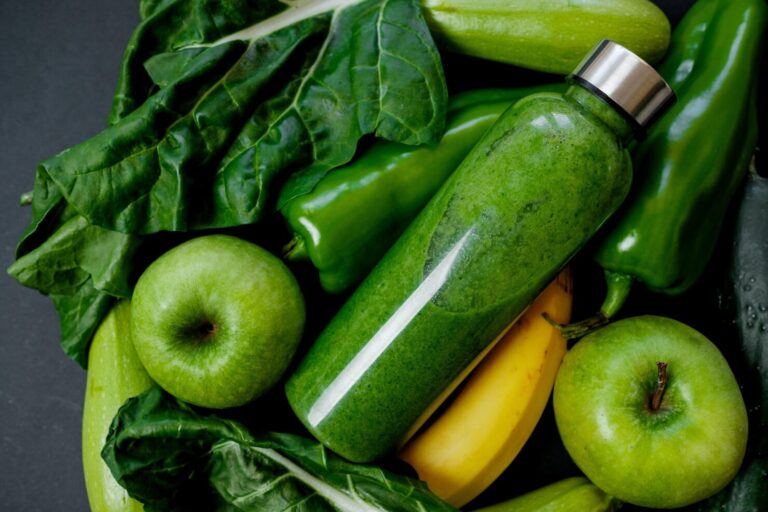
- Smoothies with banana and almond milk.
- Lentil and spinach curries.
- Stir-fried vegetables.
Leafy greens also provide vitamin K, folate, and antioxidants. However, spinach contains oxalates, which can reduce calcium absorption. Lower-oxalate greens such as kale and bok choy are useful alternatives when calcium intake is a priority.
4. Watermelon for Hydration
Watermelon contains a high percentage of water, making it a refreshing choice for people who want to improve everyday hydration.
The benefits of watermelon for hydration come mainly from its water content. It also provides potassium, vitamin C, and beneficial plant compounds.
You can enjoy watermelon in different ways:
- Eat freshly cut watermelon.
- Blend it into a refreshing juice.
- Combine it with mint and lime.
- Add it to fruit salads.
- Freeze watermelon pieces for a chilled snack.
Although watermelon contains some electrolytes, it should not be considered a complete replacement for electrolyte beverages during heavy sweating.
5. Avocados for Potassium and Magnesium
Avocados are nutrient-dense fruits that provide potassium, magnesium, and healthy monounsaturated fats.
They are especially useful for people searching for vegan foods high in potassium and magnesium. Adding avocado to regular meals can support overall plant-based nutrition.
Try including avocados in:
- Whole-grain avocado toast.
- Vegetable salads.
- Vegan wraps and sandwiches.
- Smoothies.
- Homemade guacamole.
Their creamy texture makes them an easy addition to many plant-based meals.
6. Chia Seeds for Hydration and Minerals
Chia seeds are small but nutritionally valuable. They contain magnesium, calcium, phosphorus, fiber, and plant-based omega-3 fatty acids.
The idea behind chia seed hydration comes from their ability to absorb liquid and form a gel-like texture. Soaked chia seeds can be included in meals and drinks to add fiber and minerals.
Some easy options include:
- Chia seed water with lemon.
- Overnight chia pudding.
- Fruit smoothies with chia seeds.
- Oatmeal topped with chia seeds.
- Homemade plant-based energy bowls.
Always soak chia seeds adequately before consuming them in a drink. Their fiber content can support digestive health, but increasing intake too quickly may cause digestive discomfort.
7. Nuts and Seeds
Nuts and seeds are excellent additions to a vegan diet because they provide magnesium, phosphorus, potassium, and other essential nutrients.
Some useful options include:
- Almonds.
- Pumpkin seeds.
- Sunflower seeds.
- Cashews.
- Pistachios.
- Flaxseeds.
Pumpkin seeds are particularly rich in magnesium, while almonds provide magnesium and calcium. These foods can help improve daily mineral intake.
Add a handful of unsalted nuts to your breakfast, salads, or afternoon snacks. Choosing unsalted varieties also helps you control your sodium intake.
Best Vegan Drinks for Hydration and Electrolyte Balance
Drinks can help maintain fluid intake while providing additional minerals. The best options depend on your activity level, hydration needs, and personal preferences.
Here are some of the best vegan drinks for hydration.
1. Homemade Coconut Water and Lemon Drink
This simple beverage combines coconut water with lemon juice for a refreshing drink.
Ingredients:
- 1 cup unsweetened coconut water.
- 1 tablespoon fresh lemon juice.
- A few fresh mint leaves.
- Water as needed.
Preparation:
Combine the coconut water with freshly squeezed lemon juice in a glass and stir well until blended. Add mint leaves and stir well. Serve chilled.
This drink provides fluid and naturally occurring potassium. However, it is not a high-sodium electrolyte replacement.
2. Watermelon and Mint Drink
Watermelon juice is a refreshing choice during hot weather. It provides fluid and a small amount of potassium.
Ingredients:
- 2 cups fresh watermelon.
- 4 to 5 mint leaves.
- 1 teaspoon lemon juice.
- Half a cup of water.
Preparation:
Blend the watermelon with water until smooth. Add lemon juice and mint leaves. Mix again and serve fresh.
This is one of the easiest homemade vegan electrolyte drinks to prepare at home.
3. Banana and Plant-Based Milk Smooth
A banana smoothie provides potassium, carbohydrates, and other nutrients. Fortified plant-based milk can also contribute calcium and sometimes vitamin D.
Ingredients:
- 1 ripe banana.
- 1 cup fortified soy or almond milk.
- 1 tablespoon peanut butter.
- 1 teaspoon chia seeds.
Preparation:
Add all ingredients to a blender and blend until creamy. Serve immediately.
This smoothie works well as a breakfast option or a post-workout snack.
4. Homemade Lemon Electrolyte Drink
A homemade lemon drink can provide fluids and some sodium when prepared with a measured amount of salt.
Ingredients:
- 2 cups clean drinking water.
- 2 tablespoons lemon juice.
- 1 to 2 teaspoons sugar.
- A small measured pinch of salt.
Preparation:
Combine the ingredients in a jug and stir until everything dissolves. Serve chilled.
This drink can be a simple hydration option. However, it is not a medically formulated oral rehydration solution. For significant dehydration caused by diarrhea or vomiting, use a properly formulated oral rehydration solution (ORS) and seek medical advice when needed.
5. Homemade Orange and Ginger Drink
Oranges provide potassium, vitamin C, and natural carbohydrates. Ginger adds flavor and creates a refreshing combination.
Blend fresh orange segments with a little water and a small piece of ginger. Strain if preferred and serve immediately.
This drink is a convenient way to include fruit in your daily hydration routine.
Important Electrolytes in a Vegan Diet
Understanding which minerals your body needs can help you choose suitable foods. Different plant-based ingredients provide different electrolytes, so eating a variety of foods is important.
Potassium-Rich Foods
Potassium supports normal muscle contractions, fluid balance, and heart function.
Some useful potassium-rich foods include:
- Bananas.
- Potatoes.
- Sweet potatoes.
- Avocados.
- White beans.
- Lentils.
- Spinach.
- Tomatoes.
- Oranges.
Including these foods regularly can help support healthy potassium intake.
Magnesium-Rich Plant Foods
Magnesium contributes to energy production, muscle function, and nerve signaling.
Some good sources of magnesium include:
- Pumpkin seeds.
- Almonds.
- Cashews.
- Black beans.
- Whole grains.
- Chia seeds.
- Dark chocolate.
- Spinach.
Adding nuts, seeds, and legumes to everyday meals is a practical way to increase magnesium intake.
Calcium-Rich Vegan Foods
Calcium is important for strong bones, muscle movement, and normal nerve communication.
Some calcium-rich vegan foods include:
- Calcium-set tofu.
- Fortified soy milk.
- Fortified plant-based yogurt.
- Kale.
- Bok choy.
- Tahini.
- Sesame seeds.
- Calcium-fortified orange juice.
Check product labels because calcium levels can vary significantly between brands and preparation methods.
Sodium-Rich Foods
Sodium is another important electrolyte that helps maintain fluid balance and normal nerve and muscle function.
Some plant-based sources include:
- Table salt.
- Salted nuts.
- Olives.
- Pickles.
- Salted vegetable broths.
- Miso.
- Certain packaged plant-based foods.
However, more sodium is not always better. Consuming too much sodium may increase blood pressure, particularly in individuals who are sensitive to salt. Most people should focus on a balanced intake rather than deliberately adding extra salt to every meal.
How to Get Electrolytes on a Vegan Diet
People sometimes assume that avoiding animal products makes it difficult to obtain essential minerals. However, a well-planned vegan diet can provide a wide range of electrolytes.
If you are wondering how to get electrolytes on a vegan diet, the simplest approach is to include different food groups throughout the day.
Consider these practical habits:
1. Eat different fruits and vegetables
Include bananas, oranges, watermelon, avocados, potatoes, spinach, and tomatoes in your daily meals.
2. Include nuts and seeds
Almonds, pumpkin seeds, chia seeds, and cashews provide magnesium and other minerals.
3. Choose legumes regularly
Beans, lentils, and chickpeas provide potassium, magnesium, and phosphorus.
4. Drink enough water
Water is essential for maintaining normal hydration. Your needs depend on temperature, physical activity, diet, and individual circumstances.
5. Choose fortified plant-based products
Fortified soy milk and other fortified alternatives can help improve calcium intake.
6. Avoid relying on only one food
No single fruit or drink provides every electrolyte in the amounts your body needs. A varied diet is a more reliable approach to maintaining mineral balance.
These simple habits support plant-based hydration while helping you obtain essential nutrients from everyday foods.
Vegan Electrolytes for Exercise and Sports Performance
Physical activity increases fluid loss through sweating. Depending on exercise intensity, duration, and environmental conditions, the body may also lose significant amounts of sodium.
People who exercise regularly may benefit from planning their hydration carefully.
Here are some useful options:
- Bananas for potassium and carbohydrates.
- Coconut water for fluids and potassium.
- Dates for quick energy and some potassium.
- Pumpkin seeds for magnesium.
- Potatoes for potassium and carbohydrates.
- Fortified plant-based smoothies for additional nutrients.
For everyday workouts and shorter exercise sessions, water and regular meals are often sufficient.
For prolonged or intense workouts, particularly in hot and humid conditions, additional sodium may be necessary. This is where suitable vegan sports drinks can be useful.
When choosing a commercial beverage, check the ingredient list for animal-derived ingredients such as honey, milk derivatives, or certain color additives. Look for products with appropriate sodium content for your activity.
Remember that coconut water and ordinary fruit juices are not automatically equivalent to sports drinks because their sodium content is generally lower.
How to Replenish Electrolytes Naturally
Knowing how to replenish electrolytes naturally can help you make better food and drink choices after sweating or physical activity.
Start with these simple strategies:
- Drink water regularly throughout the day.
- Eat potassium-rich fruits such as bananas and oranges.
- Include vegetables such as spinach, potatoes, and tomatoes.
- Add nuts and seeds to meals for magnesium.
- Choose fortified plant-based milk for calcium.
- Include appropriate amounts of sodium through regular meals.
- Eat balanced meals containing carbohydrates, protein, and healthy fats.
These electrolyte replacement foods can support everyday nutrient intake and recovery after normal physical activity.
However, significant dehydration requires more than simply eating fruit or drinking coconut water. Persistent vomiting, diarrhea, dizziness, confusion, or very little urination can indicate dehydration that needs medical attention.
Benefits of Choosing Natural Vegan Electrolyte Sources
Getting electrolytes through a varied plant-based diet offers several nutritional advantages.
1. Supports Everyday Hydration
Fruits and vegetables contain water along with minerals. Eating them regularly can contribute to daily fluid intake.
2. Provides Additional Nutrients
Unlike many highly processed sports beverages, whole plant foods also provide fiber, vitamins, antioxidants, and other beneficial compounds.
3. Encourages Better Eating Habits
Including beans, vegetables, nuts, seeds, and fruits promotes balanced eating and supports overall nutrition.
4. Offers Affordable Hydration Options
Bananas, potatoes, lemons, watermelon, and seasonal vegetables are often affordable alternatives to specialty hydration products.
5. Supports Physical Activity
A balanced intake of electrolytes, carbohydrates, and fluids helps support normal muscle and nerve function during exercise.
These benefits make vegan hydration solutions practical for people who want to maintain healthy eating habits without depending entirely on packaged products.
Common Mistakes to Avoid When Choosing Vegan Electrolytes
Although plant-based foods offer many electrolyte options, some common mistakes can affect hydration habits.
Relying only on coconut water: Coconut water contains potassium but generally does not provide enough sodium to replace substantial sweat losses.
Drinking too much plain water during prolonged exercise: Excessive water intake without sufficient electrolyte replacement can contribute to dangerously low blood sodium levels.
Ignoring sodium completely: Sodium is an essential mineral. People who sweat heavily may need additional sodium, depending on their circumstances.
Depending on fruit juice alone: Fruit juice can provide potassium and fluids, but it may not provide enough sodium or other electrolytes for strenuous exercise.
Overlooking fortified foods: Vegans should pay attention to calcium and other nutrients that may require fortified foods or carefully planned alternatives.
Using supplements without understanding personal needs: Electrolyte supplements are not necessary for everyone. People with kidney conditions or those taking certain medications should seek professional advice before using potassium or magnesium supplements.
Sample One-Day Vegan Meal Plan for Better Electrolyte Intake
A simple daily meal plan can make it easier to include different mineral-rich foods.
Breakfast
Oatmeal with banana, chia seeds, and fortified soy milk.
Provides potassium, magnesium, calcium, and fiber.
Mid-Morning Snack
One orange and a small handful of almonds.
Provides potassium, magnesium, and vitamin C.
Lunch
Lentils, spinach, roasted sweet potatoes, and quinoa.
Provides potassium, magnesium, and plant protein.
Evening Snack
Fresh watermelon with a glass of water.
Provides fluids and some potassium.
Dinner
Tofu with broccoli, brown rice, and mixed vegetables.
Provides calcium, magnesium, and other essential nutrients.
This meal plan is an example rather than a personalized nutrition prescription. Portion sizes and food choices should reflect individual energy needs, activity levels, and dietary requirements.
Frequently Asked Questions (FAQs)
1. What are the best vegan foods for electrolytes?
Bananas, avocados, spinach, potatoes, beans, pumpkin seeds, chia seeds, and oranges are excellent plant-based options. They provide minerals such as potassium, magnesium, and calcium.
2. What is the best natural electrolyte drink for vegans?
Unsweetened coconut water is a convenient natural option because it contains potassium and fluids. However, it is relatively low in sodium, so it may not be sufficient after heavy sweating.
3. Can vegans get enough electrolytes without supplements?
Yes. A balanced vegan diet containing fruits, vegetables, legumes, nuts, seeds, and fortified foods can provide most essential electrolytes without routine supplementation.
4. Are bananas good for replacing electrolytes?
Yes. Bananas provide potassium, which supports normal muscle function and fluid balance. However, they do not replace all electrolytes, particularly sodium.
5. How can I replenish electrolytes after exercise naturally?
Drink water, eat potassium-rich foods such as bananas and potatoes, and include magnesium-rich foods such as nuts and seeds. After prolonged or intense sweating, you may also need an appropriate source of sodium.
6. Is coconut water better than regular water?
Not necessarily. Coconut water provides potassium and some other minerals, while regular water is an excellent everyday hydration option. The better choice depends on your activity level and electrolyte needs.
7. Which vegan foods contain the most magnesium?
Pumpkin seeds, chia seeds, almonds, cashews, spinach, black beans, and whole grains are useful magnesium sources.
8. Are homemade vegan electrolyte drinks healthy?
They can be useful hydration options when prepared with suitable ingredients and appropriate amounts of salt and sugar. However, homemade fruit drinks are not automatically equivalent to medically formulated rehydration solutions.
Conclusion
Maintaining proper hydration does not have to be complicated or expensive for people following a vegan lifestyle. From bananas, avocados, spinach, and pumpkin seeds to coconut water, watermelon juice, and homemade smoothies, there are plenty of ways to include essential minerals in everyday meals.
The best approach is to combine different fruits, vegetables, legumes, nuts, seeds, and fortified plant-based products rather than depending on one particular food or beverage. Understanding natural vegan electrolytes, choosing suitable vegan hydration drinks, and eating a balanced diet can help support fluid balance, muscle function, and overall well-being.
With consistent hydration habits and thoughtful food choices, plant-based eating can provide a practical foundation for maintaining electrolyte balance and supporting an active lifestyle.
About the Author