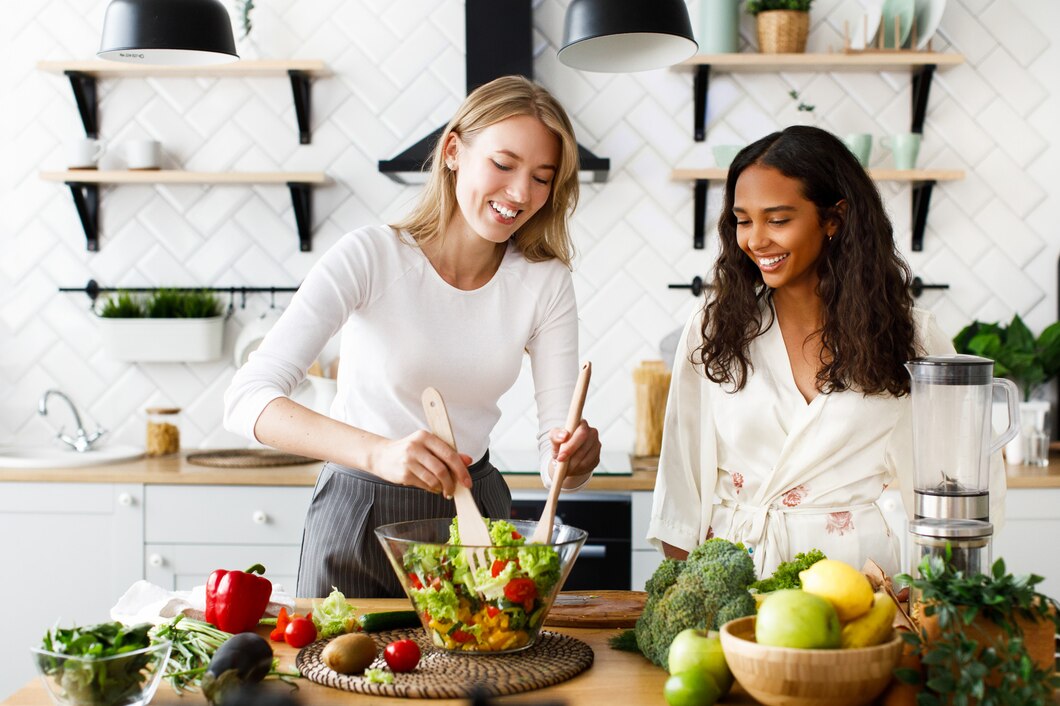
Building a vegan kitchen on a budget does not require expensive appliances, premium cookware, or a collection of specialized gadgets. With a few practical tools, affordable ingredients, and some basic cooking knowledge, anyone can create a functional kitchen for preparing delicious plant-based meals. Whether you are transitioning to a vegan lifestyle or simply want to explore healthier eating habits, having the right vegan kitchen essentials can make everyday cooking easier and more enjoyable. From basic knives and cutting boards to storage containers, pressure cookers, and mixing bowls, choosing useful equipment can help you save money while preparing nutritious homemade meals. A well-organized kitchen also makes vegan food preparation more convenient and encourages you to cook at home instead of spending money on expensive ready-made products.
Starting a vegan lifestyle often involves changing grocery shopping habits, learning new recipes, and discovering different cooking techniques. Many beginners assume they need to purchase an entirely new set of kitchen equipment to prepare plant-based food. However, most traditional kitchen tools are already suitable for vegan cooking.
The key is to identify which tools are genuinely useful, avoid unnecessary purchases, and invest in equipment that can perform multiple tasks. You can prepare everything from lentil soups and vegetable curries to tofu stir-fries, homemade plant-based burgers, smoothies, and vegan desserts using a relatively small collection of affordable tools.
In this guide, we will explore the essential equipment, affordable kitchen accessories, storage solutions, and money-saving strategies that can help you build a practical vegan kitchen without stretching your budget.
Why Do You Need a Budget-Friendly Vegan Kitchen?
A budget-friendly vegan kitchen makes it easier to prepare plant-based meals regularly while controlling household food expenses.
When you have the right equipment, cooking becomes more organized, ingredients are easier to manage, and meal preparation takes less time. Instead of purchasing expensive packaged vegan meals, you can prepare similar dishes at home using affordable ingredients such as lentils, beans, rice, vegetables, oats, and seasonal fruits.
Here are some important benefits of creating an affordable plant-based kitchen.
1. Saves Money on Everyday Meals
Preparing food at home is often more economical than regularly ordering restaurant meals or purchasing packaged convenience foods.
Basic ingredients such as chickpeas, kidney beans, potatoes, rice, and seasonal vegetables can be used in several different recipes.
With simple cookware, you can turn these ingredients into nutritious meals without purchasing expensive equipment.
2. Encourages Healthier Eating
A properly organized kitchen makes it easier to prepare homemade plant-based meals.
You can control the ingredients, cooking methods, seasoning, and portion sizes. This gives you more flexibility when preparing balanced meals containing vegetables, whole grains, legumes, nuts, and seeds.
3. Reduces Food Waste
Storage containers, airtight jars, and proper food organization help keep ingredients fresh and make it easier to monitor what you already have.
You can also use leftover vegetables in soups, curries, sandwiches, and stir-fries.
4. Makes Cooking Easier for Beginners
Having a few reliable tools can make vegan cooking for beginners less intimidating.
You do not need complicated appliances to prepare everyday meals. A knife, chopping board, saucepan, frying pan, and basic storage containers are enough to get started.
15 Essential Vegan Kitchen Tools You Need
You do not need to purchase every available kitchen gadget. Start with equipment that supports your everyday cooking requirements.
Here are 15 practical essential vegan cooking tools worth considering.
1. A Good Kitchen Knife
A kitchen knife is one of the most important tools in any cooking space.
Vegan cooking often involves preparing fresh vegetables, fruits, herbs, tofu, and other plant-based ingredients. A sharp, comfortable knife makes these tasks easier and more efficient.
A basic chef’s knife can handle most everyday chopping requirements.
You can use it for:
- Chopping onions and tomatoes.
- Slicing carrots and cucumbers.
- Preparing leafy vegetables.
- Cutting tofu and tempeh.
- Chopping herbs and nuts.
Instead of buying an expensive knife collection, invest in one good-quality knife that feels comfortable in your hand.
2. A Durable Cutting Board
A cutting board protects your kitchen countertop and provides a stable surface for preparing ingredients.
Wooden and food-grade plastic cutting boards are both practical choices.
If you prepare different types of food, having separate boards can make kitchen organization and food hygiene easier.
Look for a cutting board that is easy to clean, does not move around while chopping, and is large enough for your regular cooking needs.
A durable cutting board is one of the simplest must-have vegan kitchen tools for beginners.
3. A Basic Pressure Cooker
A pressure cooker is particularly useful for preparing affordable plant-based meals.
Beans, chickpeas, lentils, and certain whole grains can take considerable time to cook using traditional methods. A pressure cooker can reduce cooking time for many of these ingredients.
It is useful for preparing:
- Chickpea curry.
- Kidney bean curry.
- Lentil soup.
- Vegetable khichdi.
- Rice and grain dishes.
- Homemade bean-based meals.
For Indian households, a traditional stovetop pressure cooker can be a practical investment.
You do not need an expensive electric model to prepare everyday vegan dishes.
4. A Non-Stick or Stainless Steel Frying Pan
A frying pan is another important part of your vegan kitchen equipment collection.
It can be used for preparing tofu, vegetable stir-fries, pancakes, sautéed mushrooms, and quick breakfast dishes.
A non-stick pan can help reduce the amount of oil needed for cooking, while stainless steel pans are versatile and durable when used correctly.
Choose a pan with a comfortable handle and a size suitable for your household.
One medium-sized frying pan is generally sufficient when starting a small vegan kitchen.
5. A Medium-Sized Saucepan
A saucepan is useful for preparing foods that require boiling, simmering, or gentle heating.
You can use it for oatmeal, pasta, soups, sauces, lentils, and plant-based milk.
Choose a medium-sized saucepan with a sturdy handle and a well-fitting lid.
If you regularly prepare meals for several people, a slightly larger model may be more convenient.
6. Mixing Bowls
Mixing bowls are among the most useful plant-based kitchen essentials.
They help with washing vegetables, mixing salad ingredients, preparing batters, combining spices, and storing food temporarily.
You do not need a large collection.
A set of two or three bowls in different sizes should be enough for most everyday cooking tasks.
Stainless steel bowls are durable, lightweight, and easy to maintain.
7. Measuring Cups and Spoons
Accurate measurements can make a significant difference when following recipes.
Measuring cups and spoons are especially helpful when preparing vegan cakes, cookies, sauces, and baked dishes.
They can also help you maintain consistency when cooking rice, lentils, and grains.
A basic measuring set is an affordable addition to your vegan cooking essentials.
8. A Vegetable Peeler
A vegetable peeler makes it easier to remove the skin from potatoes, carrots, cucumbers, and other vegetables.
It is inexpensive, takes up very little storage space, and can save time during food preparation.
Choose a comfortable peeler with a sharp blade and an easy-to-clean design.
9. A Colander or Strainer
A colander is useful for washing fruits and vegetables, draining pasta, and rinsing beans or lentils.
It is a simple tool that supports many different cooking tasks.
A medium-sized stainless steel or food-grade plastic colander is generally sufficient for a beginner kitchen.
10. A Blender
A blender can be useful for preparing smoothies, soups, sauces, chutneys, and plant-based drinks.
It is particularly helpful if you enjoy experimenting with homemade vegan recipes.
You can use it to prepare:
- Banana and oat smoothies.
- Homemade hummus.
- Tomato-based sauces.
- Fruit smoothies.
- Plant-based pancake batter.
- Blended vegetable soups.
If your budget is limited, choose a basic blender rather than purchasing a premium model with features you may never use.
11. A Spatula and Wooden Spoon
Spatulas and wooden spoons are inexpensive tools that make everyday cooking easier.
They help you stir soups, mix vegetables, flip pancakes, combine sauces, and scrape food from bowls.
A wooden spoon is suitable for many cooking tasks, while a heat-resistant silicone spatula is useful for mixing and scraping.
These affordable accessories should be included in your beginner collection.
12. Airtight Storage Containers
Storage containers are essential for keeping your vegan kitchen organized.
Plant-based cooking often involves ingredients such as lentils, beans, rice, nuts, seeds, oats, and spices.
Airtight containers help protect dry ingredients from moisture, insects, and contamination.
You can use them for:
- Storing cooked lentils.
- Keeping chopped vegetables.
- Organizing dry grains.
- Storing leftover meals.
- Preparing ingredients in advance.
Glass and food-grade plastic containers are both available in different price ranges.
Choose reusable containers instead of purchasing expensive storage systems.
13. A Baking Tray
A baking tray is useful for preparing roasted vegetables, baked potatoes, homemade vegan snacks, and plant-based desserts.
You can also use it for roasting chickpeas, cauliflower, carrots, and other vegetables.
A simple metal baking tray is usually enough for beginners.
Choose a size that fits your oven and is easy to clean.
14. A Vegetable Grater
A vegetable grater is useful for preparing salads, vegetable pancakes, and different types of homemade snacks.
You can grate carrots, cucumbers, potatoes, zucchini, and other vegetables.
A basic stainless steel box grater provides several grating options without requiring an electrical appliance.
15. A Reusable Water Bottle and Lunch Containers
A reusable water bottle and lunch containers are practical additions to a vegan kitchen.
They make it easier to carry homemade meals to work, school, or college.
You can pack vegetable sandwiches, salads, rice bowls, wraps, fruits, and homemade snacks.
Preparing meals at home can also reduce the need to purchase expensive takeaway food during the day.
Additional Budget-Friendly Kitchen Gadgets Worth Considering
Once you have purchased the basic tools, you can gradually add a few optional accessories that make cooking more convenient.
However, remember that these items are not necessary for every household.
| Kitchen gadget | How it helps |
| Garlic press | Crushes garlic quickly |
| Citrus juicer | Extracts juice from lemons and oranges |
| Kitchen tongs | Helps turn and serve vegetables |
| Potato masher | Mashes potatoes, beans, and vegetables |
| Fine mesh strainer | Strains liquids and rinses small ingredients |
| Ice cube tray | Freezes smoothie portions and homemade sauces |
| Kitchen scissors | Cuts herbs and food packaging |
| Silicone baking mat | Provides a reusable baking surface |
These budget-friendly kitchen gadgets can improve convenience, but it is better to purchase them according to your actual cooking habits.
How to Set Up a Vegan Kitchen on a Budget
Creating an affordable vegan kitchen becomes easier when you follow a planned approach.
Instead of purchasing everything at once, focus on the equipment you need for your regular meals.
Step 1: Start With the Kitchen Tools You Already Own
Before buying new equipment, check your existing kitchen supplies.
Most households already have several items suitable for plant-based cooking, including:
- Knives.
- Cutting boards.
- Cooking pots.
- Frying pans.
- Plates and bowls.
- Spoons and spatulas.
- Storage containers.
There is no reason to replace functional cookware simply because you are switching to a vegan diet.
Using existing equipment is one of the easiest ways to reduce initial expenses.
Step 2: Make a List of Essential Equipment
Write down the tools you need for your most common meals.
For example, if you regularly prepare lentil curry, rice, and vegetable stir-fries, a pressure cooker, saucepan, knife, cutting board, and frying pan should be your priorities.
Avoid purchasing specialized appliances just because they appear in online vegan cooking videos.
A simple list will help you focus on practical vegan meal preparation tools.
Step 3: Purchase Multi-Purpose Tools
Choose equipment that can perform several functions.
For example, a blender can prepare smoothies, soups, sauces, and hummus. A pressure cooker can prepare lentils, beans, rice, and vegetable dishes.
Multi-purpose equipment reduces the need for separate gadgets and helps keep your kitchen organized.
Step 4: Compare Prices Before Purchasing
Check prices at local kitchenware stores, supermarkets, and online marketplaces.
Compare product quality, materials, durability, and warranty information where applicable.
Affordable does not always mean low quality. Sometimes a simple, durable product provides better value than an expensive appliance with unnecessary features.
Step 5: Build Your Kitchen Gradually
You do not need to complete your vegan kitchen setup in one shopping trip.
Start with essential cookware and add optional tools when you discover a genuine need for them.
This gradual approach allows you to understand your cooking habits before spending additional money.
Affordable Ingredients to Keep in Your Vegan Kitchen
Kitchen equipment is only one part of preparing affordable plant-based meals. Choosing economical ingredients is equally important.
Here are some useful staples to keep available.
1. Lentils and Pulses
Lentils and pulses are important ingredients in many vegan diets.
They provide plant-based protein, fibre, and several essential nutrients.
Affordable options include:
- Red lentils.
- Green lentils.
- Chickpeas.
- Kidney beans.
- Black-eyed peas.
- Split peas.
- Moong dal.
These ingredients can be used in soups, curries, salads, and homemade patties.
2. Rice and Whole Grains
Rice and grains are versatile pantry staples.
Rice, oats, whole wheat flour, and other affordable grains can be used for breakfast, lunch, and dinner.
They are easy to store and work well with vegetables, beans, and lentils.
3. Seasonal Vegetables
Seasonal vegetables are often more affordable than imported or out-of-season varieties.
Choose locally available produce such as potatoes, carrots, spinach, cabbage, cauliflower, tomatoes, and beans.
These vegetables can be used in curries, soups, salads, sandwiches, and stir-fries.
4. Nuts and Seeds
Nuts and seeds provide healthy fats, protein, minerals, and other nutrients.
Peanuts, sunflower seeds, sesame seeds, and pumpkin seeds can be economical choices depending on local prices.
Use them in salads, snacks, chutneys, and breakfast recipes.
5. Basic Spices and Seasonings
Spices can make simple vegan meals more flavorful without requiring expensive ingredients.
A basic collection may include:
- Turmeric.
- Cumin.
- Coriander powder.
- Black pepper.
- Red chilli powder.
- Garam masala.
- Mustard seeds.
- Cinnamon.
You can gradually expand your spice collection as you experiment with different cuisines.
How to Save Money When Setting Up a Vegan Kitchen
Building an affordable kitchen is not just about buying inexpensive equipment. It also involves developing habits that reduce unnecessary spending over time.
Here are some practical ways to manage your kitchen budget.
Buy Only What You Need
Avoid purchasing every kitchen gadget available in the market.
Start with basic tools and identify additional requirements through regular cooking.
This prevents unused equipment from occupying valuable storage space.
Choose Durable Products
A good-quality knife, saucepan, and frying pan can last for years when properly maintained.
Instead of repeatedly replacing low-quality items, consider investing in reliable everyday equipment.
Shop for Seasonal Produce
Seasonal fruits and vegetables are often more affordable and widely available.
Planning meals around locally available ingredients can reduce grocery expenses.
Cook in Larger Batches
Preparing larger quantities of food can save time and energy.
For example, you can cook chickpeas or lentils in advance and use them in different meals throughout the week.
Store cooked food safely in suitable containers and refrigerate or freeze it promptly.
Reduce Packaged Convenience Foods
Packaged vegan burgers, ready-made sauces, and plant-based snacks can be convenient, but regularly purchasing them may increase your food expenses.
Preparing simple alternatives at home can be more economical.
Use Leftovers Creatively
Do not throw away usable leftover ingredients.
You can transform leftover rice into vegetable fried rice, use extra vegetables in soup, or turn cooked beans into homemade patties.
Creative leftover management helps reduce waste and makes grocery shopping more efficient.
Vegan Kitchen Setup: A Simple Starter Checklist
If you are a beginner, the following checklist can help you organize your first kitchen without unnecessary purchases.
Your vegan kitchen checklist
0/20 ready
Basic preparation tools
One good-quality kitchen knife
One durable cutting board
Vegetable peeler
Vegetable grater
Measuring cups and spoons
Cooking equipment
One pressure cooker or cooking pot
One medium-sized frying pan
One saucepan
Wooden spoon and spatula
Colander or strainer
Food storage
Airtight jars for grains and pulses
Reusable food containers
A few mixing bowls
Reusable lunch container
Water bottle
Optional equipment
Basic blender
Baking tray
Kitchen tongs
Potato masher
Garlic press
Reset checklist
Use this checklist as a guide rather than a shopping requirement. If you already own some of these items, there is no need to purchase them again.
Best Tips for Vegan Meal Planning on a Budget
Vegan meal planning can help you organize your grocery shopping, reduce food waste, and prepare meals more efficiently.
Here are some practical suggestions.
Plan Meals Before Grocery Shopping
Create a simple weekly meal plan before visiting the market.
Choose recipes that use overlapping ingredients. For example, chickpeas purchased for curry can also be used in salads, wraps, and homemade hummus.
Prepare Ingredients in Advance
Wash vegetables, portion dry ingredients, and prepare suitable sauces ahead of time.
This can reduce daily preparation work and make cooking more convenient.
Use Affordable Protein Sources
You do not need expensive meat substitutes to prepare protein-rich vegan meals.
Beans, lentils, chickpeas, tofu, peas, peanuts, and soy products can all contribute protein to your diet.
Try to include a variety of these foods throughout the week.
Prepare Homemade Plant-Based Meals
Cooking at home allows you to control ingredients and adjust recipes according to your budget.
Simple meals such as vegetable pulao, dal, chickpea curry, tofu stir-fry, and bean wraps can be both satisfying and affordable.
Store Ingredients Properly
Keep dry foods in airtight containers and refrigerate perishable ingredients appropriately.
Good storage habits help preserve food quality and reduce unnecessary waste.
Common Mistakes to Avoid When Building a Vegan Kitchen
Beginners sometimes spend more than necessary because they assume a vegan kitchen requires specialized equipment.
Here are some mistakes worth avoiding.
1. Buying too many gadgets: A large collection of appliances is not necessary for everyday plant-based cooking. Start with versatile tools.
2. Replacing all existing cookware: Most traditional kitchen equipment works perfectly well for vegan meals. Keep functional items.
3. Purchasing expensive appliances immediately: A premium blender or food processor may be useful later, but it is not essential for every beginner.
4. Ignoring storage requirements: Poor food storage can lead to spoilage and unnecessary grocery expenses.
5. Buying ingredients without meal planning: Purchasing too many unfamiliar ingredients can result in wasted food and money.
6. Choosing equipment based only on appearance: Focus on durability, ease of cleaning, safety, and practical functionality rather than decorative features.
Avoiding these mistakes can help you build a functional kitchen while keeping your spending under control.
Conclusion
Building a vegan kitchen on a budget is easier than many beginners expect. You do not need expensive appliances or specialized cookware to prepare nutritious and delicious plant-based meals. A few reliable tools, including a kitchen knife, cutting board, pressure cooker, frying pan, saucepan, mixing bowls, and storage containers, can provide everything needed for most everyday recipes.
The best approach is to begin with the vegan kitchen essentials you genuinely need, make use of existing equipment, and gradually add affordable kitchen tools as your cooking skills develop.
Combining practical equipment with economical ingredients such as lentils, beans, rice, seasonal vegetables, oats, and nuts can make homemade plant-based meals more affordable.
Remember that a successful vegan kitchen is not defined by how many gadgets you own or how much money you spend. It is about creating a convenient, organized space where you can prepare healthy meals, reduce food waste, and enjoy experimenting with different recipes.
Start small, plan your purchases carefully, and focus on equipment that makes everyday cooking easier. With the right approach, you can build an affordable vegan kitchen that supports your plant-based lifestyle without putting unnecessary pressure on your budget.
About the Author