







In recent years, the food industry has seen a wave of highly processed plant-based products designed to mimic meat. Burgers made from soy isolates, pea proteins, and laboratory-engineered ingredients have become mainstream. However, as consumers become more aware of ingredient lists and nutritional quality, a new trend is emerging: a return to whole foods.
At the center of this shift are heritage beans. These traditional legumes—often grown from heirloom seeds passed down for generations—are experiencing a culinary renaissance. Unlike mass-produced canned beans or processed meat substitutes, heritage beans offer flavor complexity, nutritional density, and agricultural diversity.
Food experts and nutritionists are now highlighting heritage beans vegan recipes as part of a broader movement toward purposeful protein. Instead of relying on heavily processed alternatives, people are rediscovering beans, lentils, and legumes as sustainable and nourishing protein sources.
From creamy Greek Gigantes beans to earthy Spanish Pardina lentils and vibrant heirloom runner beans, these ingredients are no longer seen as simple pantry staples. They are being celebrated as culinary treasures—ingredients that offer rich flavors, unique textures, and powerful health benefits.
This article explores the legume trends of 2026, explains the nutritional advantages of heritage beans, provides a detailed soak and simmer guide, and features a traditional Gigantes beans recipe that demonstrates how these humble legumes can become the centerpiece of a memorable meal.
The Renaissance of Heritage Beans
The resurgence of heritage beans is part of a larger cultural shift in the way people think about food. Instead of focusing only on convenience, consumers are increasingly interested in authenticity, sustainability, and nutritional value.
This trend is particularly visible among people who follow plant-based or flexitarian diets. While many initially turned to meat alternatives for ethical or environmental reasons, some have begun questioning whether highly processed substitutes are truly the healthiest option.
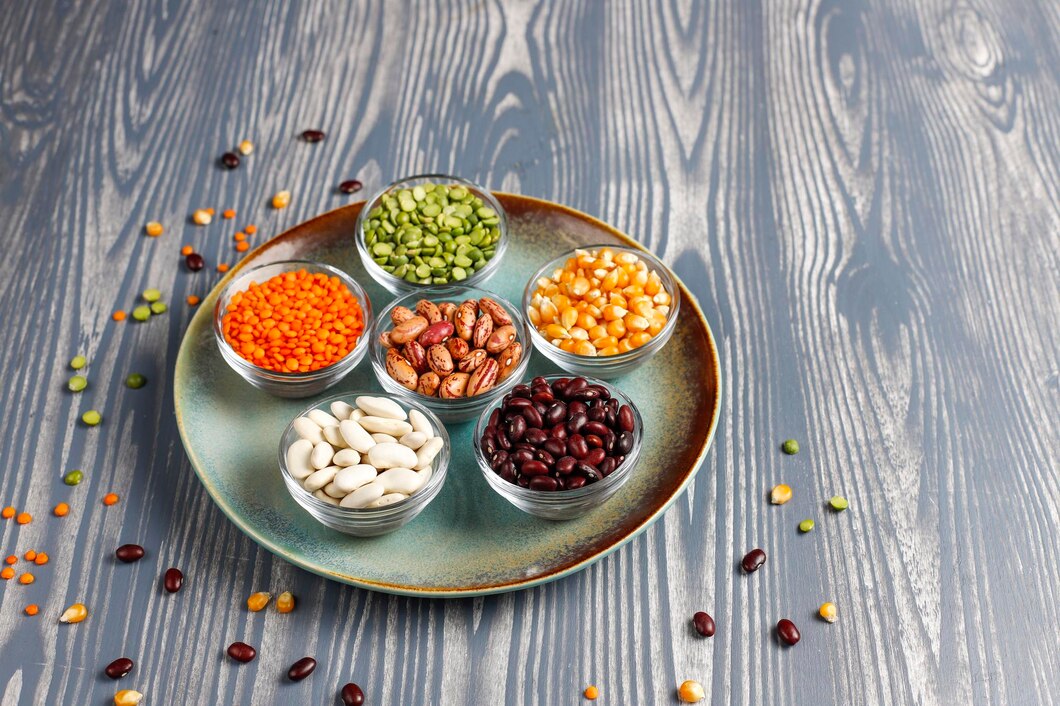
As a result, many are returning to whole food protein sources, including lentils, chickpeas, peas, and traditional beans. Among these, heritage beans stand out because they offer something unique: variety and character.
Unlike uniform commercial beans, heritage varieties come in many shapes, colors, and flavors. Each type reflects the climate, soil, and cultural traditions of the region where it was cultivated.
Today, chefs and home cooks alike are rediscovering the richness of these legumes and incorporating them into creative heritage beans vegan recipes.
What Are Heritage Beans?
Heritage beans—also called heirloom beans—are traditional bean varieties that have been cultivated for generations without modern hybridization.
These beans are often:
- Grown using traditional farming practices
- Preserved by seed savers and small farmers
- Known for their distinctive colors and flavors
- Adapted to specific climates and regions
Unlike mass-produced commercial beans, heritage varieties are not bred for uniform appearance or rapid growth. Instead, they are valued for taste, nutrition, and cultural heritage.
This makes them an exciting ingredient for cooks who want to explore authentic flavors.
The Legume Trends of 2026
Food trends constantly evolve, but the legume trends of 2026 show a clear direction: people want real food.
Several factors are driving this movement.
1. Demand for Whole-Food Protein
Consumers are increasingly seeking sustainable protein sources that are minimally processed. Heritage beans provide a natural solution.
They offer protein, fiber, and complex carbohydrates without the additives often found in processed plant-based products.
2. Interest in Traditional Foods
Many chefs and food enthusiasts are exploring traditional ingredients from around the world.
This has led to renewed interest in Mediterranean beans, Spanish lentils, and heirloom varieties grown by small farmers.
3. Sustainability and Climate Awareness
Beans require significantly fewer resources than animal agriculture.
They improve soil health through nitrogen fixation and require less water than livestock farming.
This makes them one of the most environmentally friendly protein sources available.
Why Heritage Beans Are Nutritional Powerhouses
One reason heritage beans are gaining attention is their impressive nutritional profile.
These legumes contain a wide range of nutrients that support long-term health.
High-Quality Plant Protein
Beans are an excellent source of plant-based protein. While they may not contain all essential amino acids individually, they can easily be combined with grains to create complete proteins.
This makes them an ideal component of heritage beans vegan recipes.
Fiber for Digestive Health
Heritage beans are rich in dietary fiber, which supports healthy digestion and gut bacteria.
Fiber also helps regulate blood sugar levels and promotes feelings of fullness.
Resistant Starch
Many beans contain resistant starch, a type of carbohydrate that behaves like fiber in the body.
Resistant starch feeds beneficial gut microbes and may help reduce inflammation.
Essential Minerals
Beans provide important minerals such as:
- Iron
- Magnesium
- Potassium
- Zinc
These nutrients help strengthen the immune system, support muscle function, and promote steady energy production.
Heritage Beans vs Processed Plant Burgers
While plant-based burgers have gained popularity, heritage beans offer several advantages.
Fewer Ingredients
Most heritage beans contain only one ingredient: the bean itself.
In contrast, processed plant burgers often include:
- Protein isolates
- Stabilizers
- Flavor enhancers
- Artificial colors
Higher Fiber Content
Whole beans contain much more fiber than most processed alternatives.
Fiber is essential for gut health and long-term metabolic balance.
Lower Environmental Impact
Beans are among the most sustainable protein sources available.
They require fewer resources to grow and contribute to soil fertility.
Exploring Unique Heritage Bean Varieties
Let’s explore some of the most exciting heritage bean varieties gaining attention.
Greek Gigantes Beans
Gigantes beans are large white beans traditionally grown in northern Greece.
Their name literally means “giants,” and they are prized for their creamy texture.
Gigantes are commonly used in Mediterranean dishes, particularly Gigantes Plaki, a baked bean dish in tomato sauce.
Spanish Pardina Lentils
Pardina lentils are small brown lentils grown in Spain.
They have a firm texture and earthy flavor, making them ideal for soups and salads.
Unlike some lentils, they hold their shape well during cooking.
Heirloom Runner Beans
Runner beans are climbing plants known for their large seeds and vibrant colors.
These beans are especially popular in Europe and Latin America.
They have a rich, slightly nutty flavor and work well in stews and vegetable dishes.
Fava Beans and Their Health Benefits
Another heritage legume gaining popularity is the fava bean.
Many nutritionists highlight fava bean benefits, including their high protein content and unique nutritional profile.
Fava beans are rich in:
- Folate
- Iron
- Plant protein
- Fiber
They are widely used in Mediterranean and Middle Eastern cuisines.
Overcoming the Fear of Bean Digestion Issues
One common concern about beans is digestive discomfort.
However, proper preparation can significantly reduce these issues.
Traditional cooking techniques make beans easier to digest and improve their texture.
The Soak and Simmer Guide
Preparing beans correctly is essential for maximizing flavor and digestibility.
Here is a simple soak and simmer guide.
Step 1: Sorting and Rinsing
Before cooking, spread the beans on a flat surface and remove any debris or damaged beans.
Rinse thoroughly under cold water.
Step 2: Soaking the Beans
Soaking beans helps reduce compounds that cause digestive discomfort.
Two common soaking methods include:
Overnight Soak
Place beans in a bowl with plenty of water and leave them overnight.
Quick Soak
Bring beans to a boil for two minutes, then let them sit for one hour.
Step 3: Add Kombu or Baking Soda
Adding a small piece of kombu seaweed during soaking can improve digestion and flavor.
Alternatively, a pinch of baking soda softens the beans and speeds up cooking.
Step 4: Slow Simmering
Once the beans have soaked, discard the soaking water and cook them in clean, fresh water.
Simmer gently rather than boiling aggressively.
This ensures creamy texture and even cooking.
Cooking Heritage Beans for Maximum Flavor
Once beans are properly prepared, they can be used in a wide range of dishes.
Heritage beans are incredibly versatile.
They can be used in:
- Soups
- Stews
- Salads
- Spreads
- Grain bowls
However, one of the most iconic dishes featuring heritage beans is Gigantes Plaki.
Featured Recipe: Greek Gigantes Plaki
This traditional Mediterranean dish showcases the creamy texture of gigantes beans.
Ingredients
- 2 cups dried gigantes beans
- 1 onion, finely chopped
- 3 cloves garlic, minced
- 1 carrot, diced
- 1 can crushed tomatoes
- 3 tablespoons olive oil
- 1 teaspoon smoked paprika
- Fresh parsley
- Salt and pepper
Preparation
Step 1: Prepare the Beans
Soak the gigantes beans overnight.
Drain and simmer until tender but not mushy.
Step 2: Make the Tomato Base
In a pan, heat olive oil and sauté onion, garlic, and carrot.
Add crushed tomatoes, paprika, salt, and pepper.
Simmer for 10 minutes.
Step 3: Bake the Dish
Combine the beans with the tomato mixture in a baking dish.
Bake at 375°F (190°C) for 30–40 minutes.
Step 4: Garnish and Serve
Garnish with freshly chopped parsley and finish with a light drizzle of olive oil.
Serve warm with crusty bread.
This gigantes beans recipe perfectly demonstrates how heritage beans can become the star of a meal.
The Cultural Significance of Beans
Beans have been a staple food in cultures around the world for thousands of years.
From Latin American black beans to Mediterranean fava beans, legumes are deeply tied to culinary traditions.
The revival of heritage beans is also a celebration of cultural heritage and traditional agriculture.
Heritage Beans and Sustainable Agriculture
Growing heritage beans supports biodiversity in agriculture.
Many modern crops rely on a limited number of genetically uniform varieties.
Heritage beans preserve genetic diversity and help farmers adapt to changing climates.
They also support small-scale farming communities.
How to Start Cooking with Heritage Beans
If you are new to heritage beans, start with simple recipes.
Try incorporating them into:
- Mediterranean salads
- Vegetable stews
- Grain bowls
- Plant-based pasta dishes
Over time, you’ll discover their versatility and flavor complexity.
Why Heritage Beans Represent the Future of Food
As the global food system evolves, consumers are increasingly seeking foods that are both nutritious and sustainable.
Heritage beans meet both of these goals.
They provide:
- High-quality plant protein
- Rich flavor diversity
- Environmental sustainability
This makes them an essential part of the future of plant-based cooking.
Final Thoughts: The Return of the Humble Bean
The story of heritage beans is about rediscovery.
For generations, beans were considered simple, everyday food. Yet today, chefs and nutritionists are recognizing their extraordinary value.
With their nutritional density, culinary versatility, and cultural heritage, heritage beans deserve to be celebrated as more than just a pantry staple.
They are truly culinary gold—ingredients that nourish both the body and the planet.
As the legume trends of 2026 continue to evolve, one thing is clear: the humble bean is making a powerful comeback.