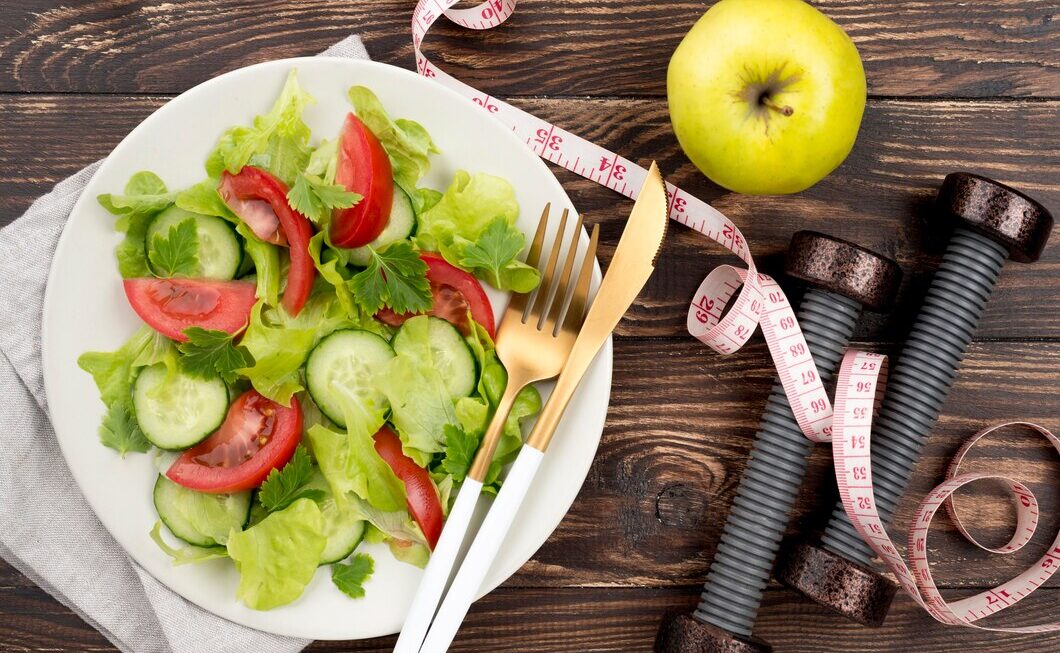









The keto diet has become one of the most popular nutrition approaches worldwide, especially among people looking for sustainable weight loss, better energy levels, and improved metabolic health. If you’re feeling overwhelmed by conflicting advice, complicated rules, or extreme meal plans, this free keto diet guide for beginners is designed specifically for you. In this comprehensive beginner keto guide, you’ll learn exactly how to start keto diet, understand how it works, follow a realistic keto diet plan for beginners, and build a practical keto meal plan that fits your lifestyle—without confusion or deprivation.
This guide breaks down everything step by step, making the keto diet for beginners simple, safe, and effective.
What Is the Keto Diet?
The keto diet, short for ketogenic diet, is a low-carbohydrate, high-fat, moderate-protein eating plan designed to shift your body’s primary fuel source from carbohydrates (glucose) to fat (ketones).
Under normal conditions, your body burns carbs for energy. When carb intake is significantly reduced, the body enters a metabolic state called ketosis, where fat becomes the main energy source.
Core Principles of the Keto Diet
- Very low carbohydrates
- High healthy fats
- Moderate protein intake
- Stable blood sugar levels
- Enhanced fat burning
This metabolic shift is what makes the keto weight loss guide so effective for many beginners.
How the Keto Diet Works (In Simple Terms)
When carbohydrates are consumed, the body breaks them down into glucose for energy. Any excess glucose is stored as fat. On a keto diet:
- Carbohydrate intake is reduced
- Blood sugar levels drop
- Insulin levels decrease
- Stored fat is released
- The liver converts fat into ketones
- Ketones become your main energy source
This process allows your body to burn fat efficiently, even when you’re resting.
Benefits of Keto Diet for Beginners
A well-structured keto diet plan for beginners offers multiple benefits beyond weight loss.
1. Weight Loss and Fat Burning
One of the biggest reasons people start keto is weight loss. By reducing insulin levels and increasing fat burning, the body becomes more efficient at using stored fat for fuel.
2. Reduced Hunger and Cravings
High-fat and moderate-protein meals promote satiety. Many beginners notice fewer cravings and reduced snacking.
3. Stable Energy Levels
Without blood sugar spikes and crashes, energy becomes more consistent throughout the day.
4. Improved Mental Focus
Ketones are a clean fuel source for the brain, often leading to better concentration and clarity.
5. Better Blood Sugar Control
The keto diet can help reduce blood sugar fluctuations, making it beneficial for insulin sensitivity when done responsibly.
Is Keto Diet Safe for Beginners?
For most healthy adults, the keto diet for beginners is safe when followed correctly. However, beginners should:
- Start gradually
- Focus on nutrient-dense foods
- Stay hydrated
- Monitor electrolytes
- Individuals with existing medical conditions should seek advice from a qualified healthcare professional
This free keto diet guide for beginners emphasizes sustainability and balance rather than extremes.
How to Start Keto Diet: Step-by-Step Beginner Guide
Step 1: Understand Keto Macros
Your daily calories are divided into macronutrients:
- Fats: 70–75%
- Protein: 20–25%
- Carbohydrates: 5–10%
For most beginners, this equals 20–50 grams of net carbs per day.
Step 2: Clear Your Kitchen
Remove or reduce:
- Sugar
- Bread
- Pasta
- Rice
- Potatoes
- Sugary snacks
- Processed foods
Replace them with keto-friendly alternatives.
Step 3: Stock Keto-Friendly Foods
Healthy keto staples include:
- Avocados
- Olive oil
- Butter and ghee
- Leafy greens
- Nuts and seeds
- Cheese (in moderation)
Step 4: Plan Simple Meals
Planning prevents mistakes. A keto diet beginner meal plan keeps you consistent during the adjustment phase.
Step 5: Stay Hydrated and Balance Electrolytes
Low-carb diets flush water and minerals. Increase intake of:
- Sodium
- Potassium
- Magnesium
- Water
This helps avoid the “keto flu.”
Keto Flu: What Beginners Need to Know
When starting keto, some people experience temporary symptoms known as keto flu:
- Headache
- Fatigue
- Dizziness
- Brain fog
- Muscle cramps
How to Reduce Keto Flu Symptoms
- Increase salt intake
- Drink more water
- Eat enough calories
- Rest adequately
These symptoms usually resolve within a few days.
Foods to Eat on a Keto Diet
Healthy Fats
- Avocado
- Coconut oil
- Olive oil
- Butter
- Ghee
Proteins
- Beef
- Lamb
Low-Carb Vegetables
- Spinach
- Kale
- Zucchini
- Cauliflower
- Broccoli
Dairy (Optional)
- Cheese
- Greek yogurt (full-fat)
- Heavy cream
Foods to Avoid on Keto Diet
- Sugar
- Bread
- Pasta
- Rice
- Cereals
- Fruits high in sugar
- Sweetened beverages
- Processed snacks
Avoiding these foods is critical for maintaining ketosis.
Keto Meal Plan: 7-Day Beginner Example
Day 1
- Dinner: Salmon with broccoli
Day 2
- Breakfast: Avocado omelet
- Lunch: Tuna salad
- Dinner: Beef stir-fry with zucchini
Day 3
- Breakfast: Greek yogurt with nuts
- Lunch: salad
- Dinner: cauliflower mash
Day 4
- Lunch: Shrimp salad
- Dinner: Lamb chops with greens
Day 5
- Breakfast: Keto smoothie
- Dinner: Baked fish with spinach
Day 6
- Breakfast: Cheese omelet
- Lunch: Avocado bowl
- Dinner: Steak with buttered vegetables
Day 7
- Breakfast: avocado
- Lunch: Salmon salad
- Dinner: Roasted Vegetables with broccoli
This keto diet beginner meal plan focuses on simplicity and balance.
Keto Diet Plan for Beginners (Calories & Portions)
Beginners should prioritize:
- Eating until satisfied
- Avoiding calorie obsession initially
- Learning portion awareness over time
As your body adapts, appetite naturally regulates.
Keto Weight Loss Guide: How to Maximize Results
1. Be Consistent
Consistency matters more than perfection.
2. Avoid Hidden Carbs
Check labels carefully.
3. Prioritize Whole Foods
Minimize processed keto products.
4. Add Light Activity
Walking or gentle workouts support fat burning.
Common Keto Mistakes Beginners Make
- Eating too much protein
- Not eating enough fat
- Ignoring electrolytes
- Expecting instant results
- Overusing artificial sweeteners
Avoiding these mistakes improves long-term success.
Keto Diet for Beginners: Eating Out Tips
- Choose grilled meats
- Request extra vegetables
- Avoid sauces and dressings
- Skip bread baskets
- Choose salads with oil-based dressing
Keto is possible even when dining out.
Keto Diet and Intermittent Fasting
Many people new to keto often pair it with intermittent fasting as reduced hunger makes fasting easier.
Start with:
- 12:12 fasting
- Progress to 16:8 if comfortable
This combination enhances fat burning but is optional.
How Long Does It Usually Take to See Results with the Keto Diet?
- Week 1: Water weight loss
- Weeks 2–4: Fat adaptation
- 1–3 months: Visible fat loss
- 3–6 months: Metabolic improvements
Results vary based on consistency and lifestyle.
Who Should Avoid or Modify Keto?
Keto may not be suitable for:
- Pregnant or breastfeeding women
- People with eating disorders
- Certain medical conditions
Always consult a professional when unsure.
Sustainability: Making Keto a Lifestyle
Long-term success comes from:
- Flexible keto approaches
- Occasional low-carb days
- Prioritizing whole foods
- Listening to your body
Keto can deliver results without being overly restrictive.
Frequently Asked Questions About Keto Diet for Beginners
Is keto safe long term?
Yes, when nutrient-dense foods are prioritized.
Can vegetarians follow keto?
Yes, with careful planning.
Do I need supplements?
Electrolytes may help initially.
Can I exercise on keto?
Yes, performance improves after adaptation.
Final Thoughts: A Simple Start to Your Keto Journey
Changing how you eat can feel challenging in the beginning, especially when you’re trying something new like the keto diet. However, with clear knowledge and the right support, starting keto becomes far less intimidating. This free keto guide for beginners is created to walk you through the basics of the keto diet, help you design a practical eating plan, understand meal choices, and develop habits that support long-term results.
Rather than aiming for perfection, success on keto comes from steady effort, patience, and listening to your body. Small, consistent steps lead to meaningful progress over time. When followed with the right mindset and structure, the keto lifestyle can support better energy levels, improved overall health, and increased confidence in your wellness journey.