





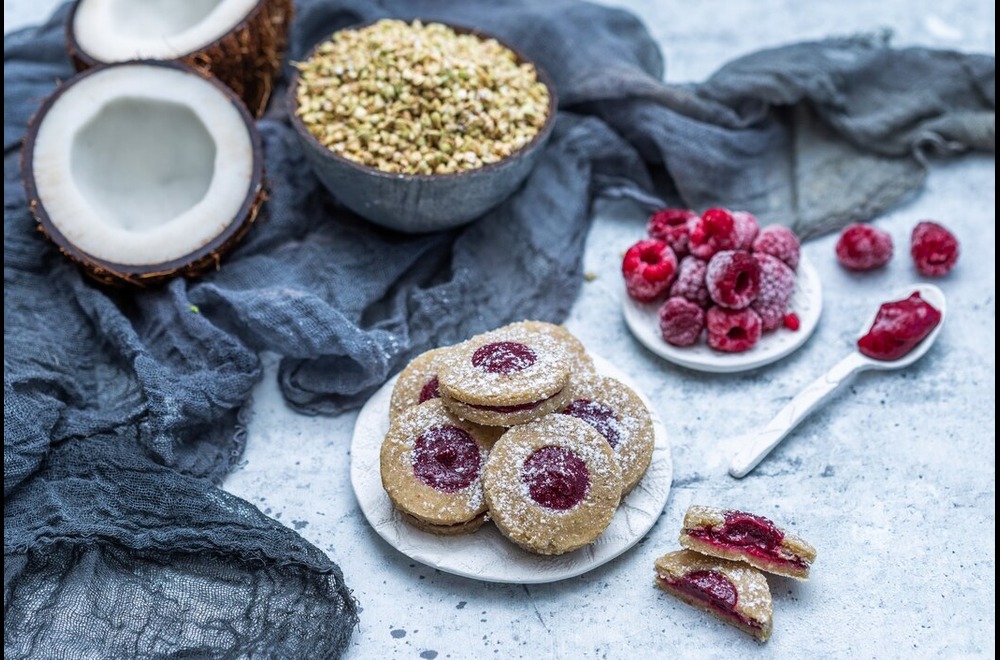
This report presents a comprehensive, multi-dimensional analysis of “10 Delicious Vegan Desserts Without Refined Sugar.” Through the lenses of nutritional science, ethical advocacy, environmental impact, practical application, and cultural observation, we explore the profound implications of transitioning to naturally sweetened vegan desserts.
Key findings reveal significant health benefits, enhanced sustainability, ethical sourcing considerations, evolving culinary techniques, and a growing cultural acceptance of ‘cleaner’ indulgence. This analysis challenges common misconceptions, identifies pivotal turning points, and synthesizes diverse perspectives to offer a holistic understanding and recommendations for embracing this innovative facet of plant-based living.
Nutritional Crossroads
The journey into plant-based living often begins at a “Nutritional Crossroads,” where choices about food composition profoundly impact well-being. Among the most significant decisions is the role of sweeteners. Refined sugars, stripped of their inherent nutrients and fiber, have long been implicated in a spectrum of health issues, from metabolic disorders to energy crashes. For vegans, the imperative to seek alternatives is amplified by a broader commitment to mindful consumption.
Embracing naturally occurring, unrefined sweeteners in desserts isn’t merely about avoiding a problematic ingredient; it’s about re-integrating whole food wisdom into our treats, ensuring that even indulgence contributes positively to our health. This shift establishes the fundamental significance of exploring delicious vegan desserts without refined sugar as a cornerstone of truly healthful plant-based eating.
LENS 1: Nutritional Analysis
The Nutritionist’s View: Sweetness Reimagined for Health
From a nutritional standpoint, the move from refined sugar to whole-food or minimally processed natural sweeteners is a significant upgrade. Refined sugars, such as white cane sugar or high-fructose corn syrup, are essentially empty calories, devoid of vitamins, minerals, or fiber. Their rapid absorption leads to sharp blood sugar spikes and subsequent crashes, contributing to insulin resistance over time.
“The immediate and long-term metabolic benefits of opting for natural, unrefined sweeteners are substantial,” notes Dr. Anya Sharma, a registered dietitian. “Ingredients like dates, maple syrup, and coconut sugar offer a more gradual release of glucose due due to their fiber content or different sugar profiles, supporting stable energy levels and better glycemic control.”
Nutritional Deep Dive: The Power of Dates Dates, often hailed as nature’s candy, are a prime example. They are not just sweet; they are a whole food, packed with dietary fiber, potassium, magnesium, and antioxidants. The fiber in dates slows down sugar absorption, mitigating the glycemic impact compared to refined sugar. A single Medjool date contains about 1.6 grams of fiber, contributing significantly to daily intake. Studies published in the Journal of Agricultural and Food Chemistry highlight dates’ high phenolic compound content, suggesting anti-inflammatory and antioxidant benefits.
Another excellent alternative is maple syrup, rich in antioxidants and minerals like manganese and zinc. Coconut sugar, derived from the sap of the coconut palm, retains some minerals such as iron, zinc, calcium, and potassium. While still caloric, these options offer a nutrient profile that refined sugar simply cannot match.
Common Misconceptions vs. Reality:
- Misconception: Natural sweeteners are “calorie-free” or can be consumed in unlimited quantities.
- Reality: All sugars, natural or refined, provide calories. While natural sweeteners offer more nutritional value, moderation is still key for calorie management and overall health.
Scientific Evidence diagram showing the glycemic index comparison between white sugar, maple syrup, and dates.
LENS 2: Ethical Framework
The Ethical Advocate’s Stance: Conscientious Sweetness
Beyond personal health, the ethical considerations of our sweeteners are crucial for a plant-based lifestyle. For the ethical advocate, the journey to refined sugar-free vegan desserts involves scrutinizing the origins and production methods of all ingredients. This includes ensuring that alternatives to animal-derived ingredients like honey are truly animal-friendly and that the sourcing of plant-based sweeteners aligns with broader ethical principles.
“Choosing truly vegan and ethically sourced sweeteners extends our compassion beyond the plate to the entire supply chain,” explains Maria Rodriguez, a long-time animal rights activist. “This means avoiding sugars that are bone char-processed and supporting sweeteners that are produced without exploitation.”
Critical Reassessment: Bone Char and Beyond A critical reassessment of “vegan” sugar reveals that some conventional granulated sugars are whitened using bone char, a charcoal derived from animal bones. While the bone char itself is not present in the final product, its use in processing renders the sugar non-vegan from an ethical standpoint. This has driven the demand for certified organic or unrefined sugars, which typically do not use bone char filtration.
Furthermore, the ethical advocate considers the labor practices involved in sweetener production. Fair trade certification, for instance, ensures that workers in developing countries receive fair wages and work in safe conditions, preventing exploitation in the production of coconut sugar, dates, or other natural sweeteners. This perspective also broadens to include the impact on local communities and indigenous populations whose livelihoods are tied to these crops.
Behind-the-Scenes image of ethically/fair-trade sourced coconut sugar being harvested.
LENS 3: Environmental Impact
The Environmental Scientist’s Analysis: Sustainable Sweetness
From an environmental perspective, the choice of sweeteners can have a significant ecological footprint. The environmental scientist examines the cultivation practices, resource consumption, and biodiversity impacts associated with different sugar sources. Refined cane sugar, for example, often involves large-scale monocultures that deplete soil nutrients, require extensive water for irrigation, and contribute to habitat loss.
“The environmental cost of conventional sugar production is often overlooked, but it’s substantial,” states Dr. Kenji Tanaka, an environmental researcher specializing in sustainable agriculture. “By shifting to certain natural sweeteners, especially those from perennial plants or those grown with regenerative practices, we can significantly reduce our impact.”
Market Transformation Maps: The Rise of Sustainable Sweeteners The growing demand for unrefined and organic sweeteners has spurred positive changes in agricultural practices. Maple syrup, sourced from maple trees, is a relatively sustainable option as it comes from a perennial crop, reducing the need for annual planting and tilling. Date palms are also long-lived trees that thrive in arid environments, potentially requiring less water than other sugar crops when cultivated appropriately.
However, even “natural” options are not without their considerations. For instance, the carbon footprint associated with transporting sweeteners from tropical regions must be weighed against local options. The environmental scientist encourages supporting local maple producers or opting for dates from regions with sustainable water management.
Hidden Benefits: Biodiversity in Agroforestry Some natural sweetener sources, like certain traditional methods of tapping coconut palms for coconut sugar, can be integrated into agroforestry systems, which promote biodiversity and soil health, offering hidden environmental benefits compared to large-scale monoculture sugar cane fields.
LENS 4: Practical Application
The Everyday Practitioner’s Experience: Sweet Success in the Kitchen
For the everyday practitioner, moving to refined sugar-free vegan desserts can initially present a learning curve. Baking without the familiar structure and moisture-retaining properties of granulated sugar requires understanding the unique characteristics of natural alternatives. However, with practice, it unlocks a world of wholesome and equally delicious possibilities.
“The biggest challenge is often texture and consistency,” admits Sarah Lee, a vegan food blogger and home baker. “Refined sugar contributes not just sweetness but also browning, volume, and crispness. You learn to embrace the denser, chewier qualities of date-sweetened brownies or the softer crumb of maple-sweetened cakes.”
Daily Impact: Mastering the Art of Natural Sweeteners Successfully incorporating natural sweeteners means adjusting recipes and expectations. Date paste, made by blending soaked dates, is an excellent binder and sweetener for no-bake treats. Maple syrup and agave nectar add liquid, which means other liquid ingredients might need to be reduced. Coconut sugar can often be substituted cup-for-cup with granulated sugar in some recipes, but its caramel notes and slightly coarser texture are distinct.
Alternative Approaches: The Sweetening Spectrum Practitioners often explore a spectrum of approaches:
- Whole Fruit Sweetening: Relying solely on fruits like bananas, applesauce, or berries for sweetness in smoothies, muffins, or fruit crisps.
- Date-Centric: Using dates, date syrup, or date sugar as the primary sweetener for energy balls, cakes, and cookies.
- Liquid Natural Sweeteners: Utilizing maple syrup, agave, or even homemade fruit syrups for custards, drizzles, and softer baked goods.
Practical Application visual showing a home cook successfully achieving a desired dessert texture using date paste.
LENS 5: Cultural Significance
The Cultural Observer’s Perspective: Redefining Indulgence
The rise of refined sugar-free vegan desserts signals a profound shift in how society perceives indulgence, health, and treat consumption. Historically, desserts were often symbols of luxury and celebration, heavily reliant on sugar as a key ingredient. Today, this movement challenges traditional notions, repositioning health-conscious options not as restrictive, but as equally, if not more, desirable.
“This isn’t just a dietary trend; it’s a cultural re-evaluation of what constitutes a ‘treat’,” observes Dr. Elena Petrova, a sociologist studying food culture. “The demand for unrefined vegan desserts reflects a broader societal push for transparency, sustainability, and a deeper connection to food origins.”
Turning Point Analysis: The ‘Clean Eating’ Revolution A key turning point was the emergence of the “clean eating” movement and increasing awareness of sugar’s detrimental health effects. This led to a cultural valorization of whole, unprocessed ingredients, even in desserts. Social media played a significant role, with influencers showcasing visually appealing and health-promoting vegan desserts that eschewed refined sugars.
Voice of Experience: The Artisan Baker “When I started my vegan bakery focusing on natural sweeteners, many doubted the market,” says artisan baker Leo Chen. “But customers were hungry for options that aligned with their values and didn’t leave them feeling sluggish. We’ve shown that ethical and delicious can coexist beautifully.”
Cultural Milestone: Mainstream Acceptance What was once a niche market for health food enthusiasts has steadily infiltrated mainstream consciousness. Major grocery chains now stock a wide array of natural sweeteners, and “no refined sugar” claims are becoming a marketing asset on vegan dessert packaging, indicating a significant cultural milestone in acceptance and demand.
Cultural Milestone image showing a vegan dessert brand’s advertisement highlighting “no refined sugar” with an appealing product shot.
PERSPECTIVE INTERSECTION MATRIX
This matrix highlights how the different lenses on refined sugar-free vegan desserts interrelate and mutually influence one another.
- Nutrition (LENS 1) → Practical Application (LENS 4): The nutritionist’s advocacy for stable blood sugar and nutrient-rich ingredients directly drives the everyday practitioner’s innovation in baking with dates, maple syrup, and other whole-food sweeteners. Health benefits motivate culinary experimentation.
- Ethics (LENS 2) → Environmental Impact (LENS 3): Concerns over animal welfare (bone char in sugar) and fair labor practices (fair trade sweeteners) often align with environmental sustainability, as ethically sourced ingredients frequently come from more responsible, smaller-scale, or organic farming operations.
- Environmental Impact (LENS 3) → Market Transformation (LENS 4/5): Consumer demand for sustainable options (e.g., lower water usage, less deforestation) incentivizes companies to source environmentally friendly sweeteners, leading to market growth in products featuring these alternatives, which then influences cultural norms.
- Cultural Significance (LENS 5) → All Lenses: Shifting societal values towards health and environmental consciousness (the ‘clean eating’ revolution) creates a broader demand for refined sugar-free vegan desserts, thereby influencing nutritional recommendations, ethical sourcing, and practical recipe development. The cultural acceptance validates efforts in all other areas.
MISCONCEPTION ANALYSIS
| Misconception | Reality |
| “Refined sugar-free desserts don’t taste as good.” | While different, natural sweeteners offer complex flavor profiles (caramel from dates/coconut sugar, earthy from maple syrup) that many find equally, if not more, delicious. Texture may vary, but quality remains high. |
| “Natural sweeteners are always ‘healthier’ regardless of quantity.” | Natural sweeteners are generally healthier due to micronutrients and fiber, but they still contain calories and sugars. Overconsumption can still lead to health issues; moderation is key. |
| “It’s too hard to bake with natural sweeteners; recipes won’t work.” | It requires understanding different properties (e.g., moisture content, binding power), but countless successful recipes and resources exist. It’s a skill to develop, not an insurmountable barrier. |
| “All vegan sugar is refined sugar-free.” | Not necessarily. Many vegan baked goods still use conventional cane sugar (even if bone char-free) or high-fructose corn syrup. “Vegan” doesn’t automatically mean “refined sugar-free.” |
| “Natural sweeteners are always ethically and sustainably sourced.” | While many are, consumers must still research brands and certifications (e.g., Fair Trade, organic) for each specific sweetener to ensure ethical labor and environmental practices. |
KEY TURNING POINTS
1. The Rise of the Raw Food Movement (Early 2000s): This movement critically challenged traditional cooking methods and ingredients, heavily promoting whole, unprocessed foods and natural sweeteners like dates and agave. It demonstrated the viability and deliciousness of desserts made entirely without refined sugar or even baking.
2. Increased Awareness of Sugar’s Health Impacts (Mid-2010s): Growing scientific evidence and public health campaigns linking excessive refined sugar consumption to obesity, type 2 diabetes, and cardiovascular disease spurred a widespread demand for healthier alternatives, catalyzing innovation in the vegan dessert space.
3. Growth of Clean Label and Free-From Markets (Late 2010s-Present): The broader “clean label” trend, where consumers seek products with simple, recognizable ingredients and avoid artificial additives, directly fueled the market for refined sugar-free vegan desserts, integrating them into a larger health and wellness narrative.
4. Social Media and Food Blogging Boom (Ongoing): Platforms like Instagram and dedicated food blogs have been instrumental in popularizing visually appealing and accessible recipes for naturally sweetened vegan treats, inspiring home cooks and driving consumer interest globally.
SYNTHESIS & RECOMMENDATIONS
The multi-lens analysis of “10 Delicious Vegan Desserts Without Refined Sugar” reveals a powerful convergence of health, ethical, environmental, practical, and cultural motivations. It’s clear that moving away from refined sugar in vegan desserts is not a compromise but an enhancement—offering superior nutritional value, supporting sustainable practices, aligning with compassionate values, and opening new avenues for culinary creativity.
Convergent Reflections: The journey towards refined sugar-free vegan desserts is a holistic one. Nutritionists highlight health benefits; ethical advocates demand responsible sourcing; environmental scientists underscore sustainability; practitioners discover new culinary techniques; and cultural observers note a societal shift towards conscious indulgence. These perspectives are intertwined, each reinforcing the value and necessity of this dietary evolution.
Recommendations:
- Educate and Experiment: Encourage individuals to learn about the nutritional profiles and unique properties of various natural sweeteners (dates, maple syrup, coconut sugar, fruit purees) and experiment with them in their own kitchens.
- Prioritize Whole-Food Sweeteners: Advocate for the use of whole-food options like dates and bananas as primary sweeteners, maximizing fiber and nutrient intake.
- Support Ethical and Sustainable Sourcing: Promote purchasing sweeteners with certifications like Fair Trade or organic, ensuring both social and environmental responsibility.
- Embrace New Textures and Flavors: Guide consumers and bakers to appreciate the distinct flavors and textures that natural sweeteners impart, moving beyond the expectations set by refined sugar.
- Promote Mindful Consumption: Emphasize that while healthier, natural sweeteners are still caloric and should be consumed mindfully as part of a balanced diet.
By embracing these recommendations, we can continue to foster a vibrant, delicious, and responsible culture of vegan dessert enjoyment, demonstrating that true indulgence can indeed be sweet in every sense of the word.
FURTHER AREAS OF EXPLORATION
- The role of non-nutritive sweeteners (e.g., stevia, erythritol) in refined sugar-free vegan desserts.
- Regional and traditional natural sweeteners in global plant-based cuisines.
- The psychological impact of sugar reduction on cravings and dietary habits.
- Innovation in commercial refined sugar-free vegan dessert production.
- The economic impact of shifting from conventional sugar to alternative sweeteners on global markets.