The phrase “natural Ozempic” has rapidly evolved from a niche social media buzzword into a global search trend. In early 2026, millions of people are actively looking for food-based ways to replicate the appetite-reducing effects of GLP-1 medications—without pharmaceuticals. At the center of this demand is a simple but powerful question: Can food itself trigger the same satiety hormones that drugs like Ozempic target?
The answer is yes—when approached strategically.
This guide introduces The Natural Ozempic Vegan Meal Plan, a 7-day, high-satiety, plant-based protocol designed to stimulate GLP-1 (glucagon-like peptide-1) release naturally through fermentable fibers, water-rich foods, and plant proteins. Unlike most weight-loss content, this article doesn’t rely on vague “eat more vegetables” advice. Instead, it connects specific vegan foods to real hormonal mechanisms that regulate hunger, fullness, and blood sugar.
This is not about extreme restriction.
This is about biological leverage.
Understanding Satiety Science: How GLP-1 Actually Works
To understand why this natural ozempic vegan meal plan works, you need to understand how satiety is created inside the body.
What Is GLP-1?
GLP-1 (glucagon-like peptide-1) is a hormone released in the gut when you eat. It plays a key role in:
- Slowing stomach emptying
- Reducing appetite
- Improving insulin sensitivity
- Sending “I’m full” signals to the brain
Pharmaceutical GLP-1 drugs mimic this hormone artificially. Food, however, can stimulate your body to produce it naturally.
The Missing Link: Fiber Fermentation & SCFAs
Here’s what most diet plans never explain:
GLP-1 release is not triggered by calories alone.
It is strongly influenced by short-chain fatty acids (SCFAs).
SCFAs—especially acetate, propionate, and butyrate—are produced when gut bacteria ferment soluble fiber. These SCFAs:
- Activate GLP-1 secretion in the colon
- Improve leptin sensitivity (another fullness hormone)
- Reduce cravings by stabilizing blood sugar
A vegan diet rich in fermentable fiber is uniquely effective at this.
Why a Vegan Diet Is Perfect for Natural GLP-1 Activation
When designed intentionally, a vegan diet becomes a GLP-1 diet plan by default.
Key Advantages
- High fiber density (legumes, oats, vegetables, seeds)
- Lower calorie density, allowing larger portions
- Prebiotic fibers that feed beneficial gut bacteria
- Plant proteins that enhance satiety without heaviness
This is why vegan diets dominate research on appetite control and metabolic health—and why they are central to vegan weight loss in 2026.
The Satiety Triad: The Core Framework of This Plan
Every meal in this protocol follows the Satiety Triad, a three-pillar system designed to maximize fullness while naturally reducing caloric intake.
1. High Volume (Water-Rich Foods)
Examples:
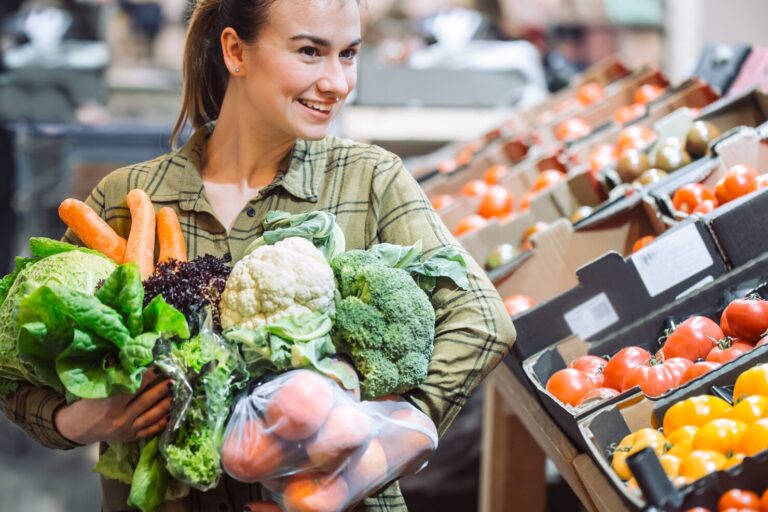
- Leafy greens
- Zucchini
- Cucumbers
- Tomatoes
- Broths and soups
These foods stretch stomach volume without adding excess calories, triggering mechanical fullness signals.
2. High Fiber (Fermentable & Gel-Forming)
Examples:
- Oats
- Lentils
- Chickpeas
- Chia seeds
- Flaxseeds
- Beans
These fibers:
- Slow digestion
- Feed gut bacteria
- Increase SCFA production
- Prolong GLP-1 release
3. Sufficient Plant Protein
Examples:
- Lentils
- Tofu
- Tempeh
- Edamame
- Fava beans
Protein helps preserve lean muscle during fat loss and increases satiety hormones like peptide YY.
Together, this triad creates foods that mimic Ozempic—naturally.
Why This Is Not Just Another Vegan Meal Plan
Most vegan meal plans fail because they:
- Underestimate hunger
- Over-rely on refined carbs
- Ignore hormonal regulation
This high-satiety vegan protocol is different. Every meal is engineered to:
- Reduce cravings
- Stabilize blood sugar
- Extend fullness for hours
- Support gut health
- Prevent muscle loss
Now let’s move into the heart of the protocol.
The 7-Day Natural Ozempic Vegan Meal Plan
Daily Structure
- Breakfast: Gel-forming, fiber-rich, slow-digesting
- Lunch: High-volume salad + vinegar-based dressing
- Dinner: Slow-digesting legumes + vegetables
- Optional Snack: Strategic, protein-forward
DAY 1
Breakfast: Chia-Oat Satiety Bowl
- Rolled oats
- Chia seeds
- Unsweetened soy milk
- Blueberries
- Cinnamon
Why it works:
Chia seeds absorb liquid and expand in the stomach, while oats provide beta-glucan fiber that enhances GLP-1 release.
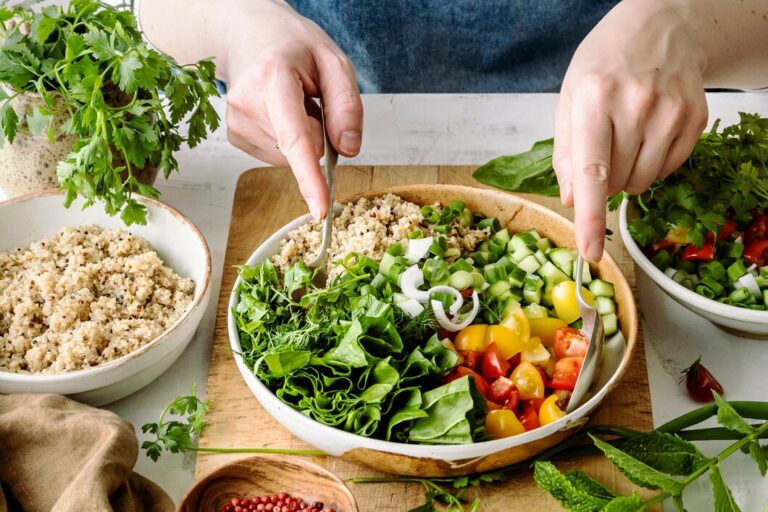
Lunch: Big Volume Lentil Salad
- Cooked green lentils
- Mixed leafy greens
- Cucumbers
- Tomatoes
- Red onion
- Apple cider vinegar + mustard dressing
Why it works:
Large physical volume + vinegar reduces post-meal glucose spikes, enhancing satiety.
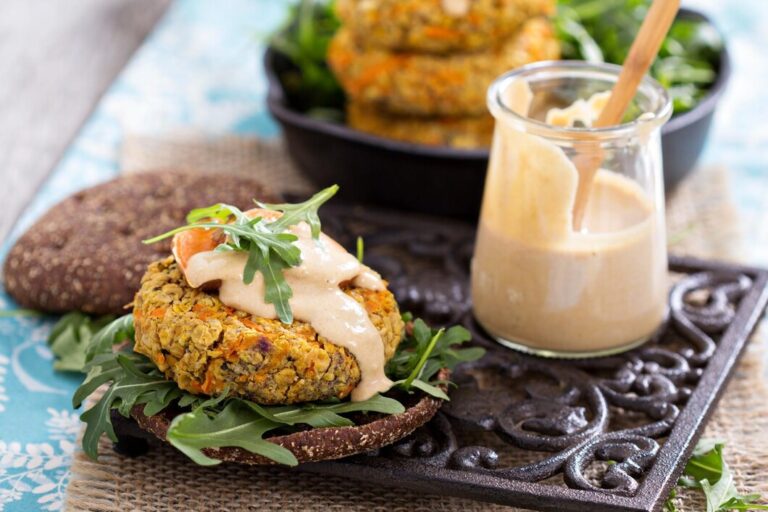
Dinner: Red Lentil Vegetable Stew
- Red lentils
- Carrots
- Celery
- Spinach
- Garlic and spices
Why it works:
Slow digestion + high fermentable fiber = extended GLP-1 signaling.
Optional Snack
- Edamame with sea salt
DAY 2
Breakfast: Overnight Oats with Flax
- Oats
- Ground flaxseed
- Unsweetened almond milk
- Raspberries
GLP-1 benefit:
Flaxseed increases SCFA production and improves insulin sensitivity.
Lunch: Chickpea Crunch Salad
- Chickpeas
- Romaine lettuce
- Shredded cabbage
- Carrots
- Lemon-vinegar dressing
Dinner: Fava Bean & Vegetable Stir-Simmer
- Fava beans
- Zucchini
- Bell peppers
- Tomatoes
Optional Snack
- Tofu cubes with nutritional yeast
DAY 3
Breakfast: Savory Oats with Mushrooms
- Steel-cut oats
- Mushrooms
- Spinach
- Black pepper
Lunch: Giant White Bean Mediterranean Bowl
- Cannellini beans
- Arugula
- Cherry tomatoes
- Olives
- Red wine vinegar
Dinner: Split Pea Soup
- Yellow split peas
- Onion
- Garlic
- Bay leaf
Optional Snack
- Roasted chickpeas (air-fried)
DAY 4
Breakfast: Chia Pudding with Cacao
- Chia seeds
- Soy milk
- Raw cacao
- Strawberries
Lunch: Massive Kale & Lentil Salad
- Steamed kale
- French lentils
- Pickled onions
- Balsamic vinegar
Dinner: Tempeh & Bean Veggie Bowl
- Tempeh
- Black beans
- Broccoli
- Tahini-lemon drizzle
Optional Snack
- Lupini beans
DAY 5
Breakfast: Protein Oats
- Oats
- Pea protein
- Cinnamon
- Apple slices
Lunch: High-Volume Cabbage Slaw Bowl
- Red cabbage
- White beans
- Vinegar dressing
Dinner: Chickpea & Spinach Curry (Oil-Free)
- Chickpeas
- Spinach
- Tomato base
Optional Snack
- Unsweetened soy yogurt + flax
DAY 6
Breakfast: Savory Chickpea Pancake
- Chickpea flour
- Spinach
- Onion
Lunch: Giant Bean & Greens Soup
- Mixed beans
- Celery
- Carrots
- Herbs
Dinner: Lentil Shepherd’s Pie (Vegan)
- Lentil base
- Cauliflower mash topping
Optional Snack
- Pumpkin seeds
DAY 7
Breakfast: Classic Overnight Oats Reset
- Oats
- Chia
- Blueberries
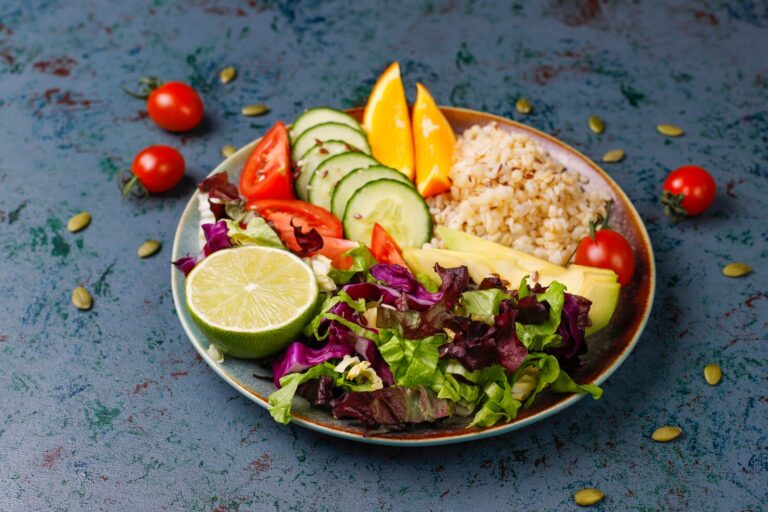
Lunch: Mega Salad Bowl
- Mixed greens
- Edamame
- Chickpeas
- Vinegar dressing
Dinner: Slow-Cooked Bean Medley
- Kidney beans
- White beans
- Tomatoes
- Herbs
Optional Snack
- Steamed soybeans
Foods That Mimic Ozempic (Naturally)
These foods appear repeatedly because they biologically enhance satiety:
- Oats (beta-glucan fiber)
- Lentils (slow digestion)
- Chickpeas (protein + fiber)
- Chia seeds (gel formation)
- Vinegar (blood sugar control)
- Leafy greens (volume)
Together, they form the backbone of high satiety vegan recipes.
Why This Plan Works for Vegan Weight Loss in 2026
This protocol aligns with current metabolic research because it:
- Targets hormones, not willpower
- Prioritizes fullness, not restriction
- Supports gut microbiome health
- Preserves lean mass
- Reduces cravings naturally
This is why the natural ozempic vegan meal plan is emerging as a serious alternative—not a trend.
FAQs (Schema-Ready)
Is this plan safe without medication?
Yes. It uses whole foods to support natural satiety hormones.
Will I feel hungry?
No. The plan is designed around high volume + fiber + protein.
Can I repeat weeks?
Yes. Many people cycle this protocol for 2–4 weeks.
Is exercise required?
No, but walking and light resistance training enhance results.
Final Thoughts: Food as a Metabolic Tool
This isn’t about replacing medication—it’s about reclaiming biological control through food. By understanding satiety science and applying it strategically, this 7-day Natural Ozempic Protocol empowers you to eat more, feel full longer, and support metabolic health—without pharmaceuticals.
About the Author