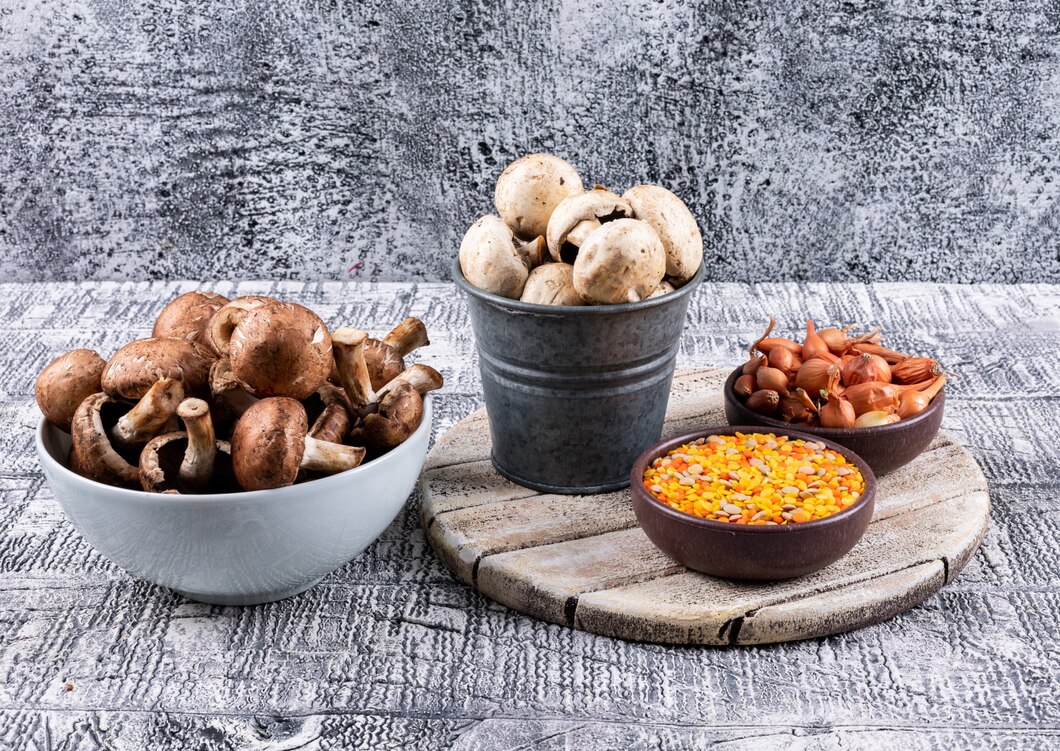
Functional mushrooms are becoming one of the biggest wellness trends of 2026, moving far beyond capsules and supplements into coffee blends, smoothies, broths, and everyday meals. As more people search for natural ways to improve focus, sleep, immunity, and stress management, these fungi are gaining attention for their unique health-supporting properties. This comprehensive functional mushrooms guide explores the science, uses, and practical benefits of the most popular varieties, including Lion’s Mane, Reishi, Cordyceps, and Turkey Tail. Whether you are interested in adaptogenic mushrooms, natural energy support, or plant-based cognitive enhancement through vegan nootropics, understanding how medicinal mushrooms work can help you make smarter wellness choices. From mushroom coffee to cooking whole mushrooms at home, these fungi are transforming how people approach nutrition, mental clarity, and long-term health.
What Are Functional Mushrooms?
Functional mushrooms are fungi known for their potential health-supporting properties beyond basic nutrition. Unlike common culinary mushrooms used only for flavor, functional varieties contain bioactive compounds that may support cognitive performance, immunity, stress response, and overall wellness.
These mushrooms have been used for centuries in traditional Chinese medicine, Japanese wellness practices, and herbal healing systems. However, modern research and growing consumer interest in holistic wellness have brought them into mainstream health culture.
Today, functional mushrooms appear in:
- Mushroom coffee blends
- Vegan protein powders
- Herbal teas
- Capsules and tinctures
- Adaptogenic beverages
- Plant-based wellness foods
- Broths and soups
- Healthy snack products
The popularity of these mushrooms reflects a wider shift toward natural wellness solutions, particularly among people looking to reduce dependency on synthetic stimulants or highly processed supplements.
Why Functional Mushrooms Are Trending in 2026
Mental wellness, burnout recovery, and immune resilience are major health priorities in 2026. Many consumers are searching for natural ways to improve concentration, energy, and emotional balance without relying heavily on caffeine or artificial ingredients.
Functional mushrooms fit perfectly into these wellness goals because they are often associated with:
- Stress adaptation
- Cognitive support
- Improved focus
- Better sleep quality
- Immune support
- Gut health balance
- Sustainable plant-based nutrition
Another reason for their growth is the rise of “food as medicine.” Consumers increasingly want ingredients that provide both nourishment and functional health benefits. Instead of swallowing multiple supplements, people prefer incorporating wellness-supporting foods directly into meals and beverages.
This shift has made medicinal mushrooms benefits a central topic in health-conscious communities, especially among vegans, fitness enthusiasts, remote workers, students, and biohacking enthusiasts.
Understanding Adaptogenic Mushrooms
Many functional mushrooms are also classified as adaptogenic mushrooms. Adaptogens are natural substances believed to help the body respond more effectively to physical, emotional, and environmental stress.
Rather than overstimulating the nervous system, adaptogens are thought to support balance and resilience. This makes them appealing for people dealing with:
- Chronic stress
- Mental fatigue
- Sleep disruption
- Busy work schedules
- Digital burnout
- Low energy levels
Unlike quick stimulants that create temporary highs followed by crashes, adaptogenic mushrooms are typically associated with gradual and sustainable wellness support.
The Big Four Functional Mushrooms
1. Lion’s Mane Mushroom
What Is Lion’s Mane?
Lion’s Mane is a white, shaggy mushroom that resembles a lion’s mane as it grows. It has become one of the most talked-about functional mushrooms due to its connection with brain health and cognitive performance.
Scientific interest in Lion’s Mane focuses on compounds called hericenones and erinacines, which may support nerve growth factor (NGF), a protein involved in nerve cell growth and maintenance.
Potential Benefits of Lion’s Mane
1. Cognitive Support
Lion’s Mane is widely associated with focus, memory, and mental clarity. Many people use it as a natural productivity aid during work or study sessions.
2. Vegan Nootropic Potential
Because it may support cognitive performance naturally, Lion’s Mane is frequently included in discussions around vegan nootropics. It appeals to people seeking plant-based alternatives to synthetic cognitive enhancers.
3. Mood and Mental Wellness
Some users report that Lion’s Mane helps reduce feelings of mental fog and improves emotional balance, although research is still ongoing.
4. Nervous System Support
Its connection to nerve growth factor has made Lion’s Mane especially popular in neurohealth research and longevity-focused wellness communities.
How to Consume Lion’s Mane
Mushroom Coffee
Lion’s Mane mushroom coffee is one of the most popular functional beverages today. These blends combine coffee with mushroom extracts to provide smoother energy and reduced jitters.
Powders
Powdered Lion’s Mane can be added to:
- Smoothies
- Oatmeal
- Plant-based yogurt
- Soups
- Lattes
- Protein shakes
Tinctures
Liquid extracts offer concentrated doses and are commonly added to water, tea, or coffee.
Cooking Whole Mushrooms
Fresh Lion’s Mane has a seafood-like texture that works beautifully in savory dishes.
Popular preparation ideas include:
- Lion’s Mane steak
- Vegan crab cakes
- Stir-fries
- Tacos
- Roasted mushroom bowls
Cooking whole mushrooms allows people to enjoy both flavor and functionality together.
Lion’s Mane Steak: Eating Your Medicine
One of the most exciting food trends connected to functional mushrooms is the Lion’s Mane steak. Thick slices of the mushroom are seasoned, seared, and roasted to create a rich, meaty texture.
Why people love it:
- Completely plant-based
- High in umami flavor
- Visually impressive
- Supports sustainable eating
- Combines nutrition with culinary creativity
Many vegan chefs now use Lion’s Mane as a centerpiece ingredient because it satisfies both taste and wellness goals.
2. Reishi Mushroom
What Is Reishi?
Reishi is often called the “Mushroom of Immortality” in traditional herbal medicine. Unlike Lion’s Mane, which is linked with focus and productivity, Reishi is more commonly associated with calmness, relaxation, and stress management.
Its woody texture makes it less suitable for direct cooking, so it is usually consumed as extracts, teas, or powders.
Potential Benefits of Reishi
1. Stress Support
Reishi is widely used among people seeking natural stress management solutions. As one of the best-known adaptogenic mushrooms, it is often included in nighttime wellness routines.
2. Sleep Quality
Many users drink Reishi tea or take Reishi extracts before bed because it may promote relaxation and restful sleep.
3. Immune Wellness
Reishi contains beta-glucans and other compounds that have drawn attention for immune system support.
4. Emotional Balance
Some wellness enthusiasts describe Reishi as grounding or calming, making it popular during periods of emotional stress.
How to Consume Reishi
Herbal Tea
Reishi tea is one of the oldest preparation methods. The mushroom is simmered for extended periods to extract its compounds.
Powdered Blends
Reishi powders are commonly added to:
- Hot cocoa
- Golden milk
- Herbal lattes
- Smoothies
Tinctures
Concentrated liquid extracts are popular for convenience and portability.
Capsules
Many people choose capsules because raw Reishi has a naturally bitter flavor.
Reishi and the Modern Stress Epidemic
The rise of burnout culture has fueled Reishi’s popularity. Many people spend long hours online, face chronic work pressure, and struggle with sleep disruptions caused by excessive screen exposure.
Reishi aligns with the growing wellness movement focused on slowing down, recovering from stress, and improving nervous system balance naturally.
3. Cordyceps Mushroom
What Is Cordyceps?
Cordyceps is a unique functional mushroom traditionally used for stamina and vitality. It has become especially popular among athletes, fitness enthusiasts, and busy professionals.
Modern cultivated Cordyceps products are typically vegan-friendly and grown in controlled environments rather than harvested from wild insect hosts.
Potential Benefits of Cordyceps
1. Natural Energy Support
Cordyceps is often used as an alternative to excessive caffeine consumption.
2. Exercise Performance
Many people associate Cordyceps with endurance and oxygen utilization during physical activity.
3. Reduced Fatigue
Cordyceps products are frequently marketed toward people experiencing energy crashes or burnout.
4. Athletic Recovery
Some fitness communities include Cordyceps in post-workout wellness routines.
How to Consume Cordyceps
Energy Drinks
Cordyceps is increasingly included in natural wellness beverages.
Mushroom Coffee
Cordyceps coffee blends are popular among people seeking sustained energy without strong caffeine crashes.
Powders
These can be mixed into:
- Smoothies
- Protein shakes
- Oatmeal
- Sports drinks
Capsules and Tinctures
Convenient for daily supplementation.
Cordyceps vs Coffee
Traditional coffee delivers rapid stimulation, but some users experience jitters or crashes afterward. Cordyceps-based products aim to provide smoother energy support.
This makes Cordyceps attractive to:
- Remote workers
- Students
- Athletes
- Entrepreneurs
- Gamers
- Creatives
As interest in healthier productivity tools grows, Cordyceps continues gaining popularity in the wellness industry.
4. Turkey Tail Mushroom
What Is Turkey Tail?
Turkey Tail gets its name from its colorful, fan-shaped appearance resembling a turkey’s tail feathers. It is one of the most researched medicinal mushrooms in immune-support discussions.
This mushroom contains polysaccharides and prebiotic compounds that have attracted scientific attention.
Potential Benefits of Turkey Tail
1. Immune Support
Turkey Tail is commonly associated with immune system wellness because of its beta-glucan content.
2. Gut Health
It includes natural prebiotics that can support the growth of healthy gut bacteria.
3. Daily Wellness Support
Turkey Tail is frequently used as part of long-term preventive wellness routines.
4. Plant-Based Immune Support
For people seeking immune support vegan solutions, Turkey Tail is a popular option.
How to Consume Turkey Tail
Tea
Turkey Tail tea is commonly brewed for wellness purposes.
Powders
These can be blended into soups, smoothies, or wellness drinks.
Capsules
Convenient for consistent daily use.
Tinctures
Liquid extracts provide concentrated forms of the mushroom.
Other Functional Mushrooms Worth Exploring
Chaga Mushroom
Known for antioxidant content and earthy flavor, Chaga is commonly added to teas and wellness drinks.
Popular Uses
- Antioxidant support
- Winter wellness routines
- Herbal beverages
Shiitake Mushroom
While widely known as a culinary mushroom, Shiitake also contains compounds linked with immune support.
Popular Uses
- Stir-fries
- Soups
- Noodle dishes
- Broths
Maitake Mushroom
Often called “Hen of the Woods,” Maitake is popular in both cooking and wellness products.
Popular Uses
- Roasted dishes
- Plant-based bowls
- Wellness extracts
Medicinal Mushrooms Benefits: What Science Says
Interest in medicinal mushrooms benefits continues growing because researchers are studying how fungal compounds interact with the immune system, nervous system, and gut microbiome.
Key compounds include:
- Beta-glucans
- Polysaccharides
- Triterpenes
- Ergothioneine
- Antioxidants
However, it is important to understand that functional mushrooms are not miracle cures. Research is ongoing, and results vary depending on the mushroom type, dosage, extraction method, and individual health conditions.
Most experts recommend viewing functional mushrooms as part of a broader wellness lifestyle rather than a standalone solution.
Mushroom Coffee: The Wellness Beverage Boom
Mushroom coffee has become one of the fastest-growing wellness beverage categories.
What Is Mushroom Coffee?
It combines traditional coffee with powdered mushroom extracts, often including:
- Lion’s Mane
- Cordyceps
- Reishi
- Chaga
These blends aim to provide a more balanced energy experience.
Why People Love Mushroom Coffee
Reduced Jitters
Some users feel mushroom coffee delivers smoother energy compared to high-caffeine beverages.
Added Functional Benefits
Different mushrooms may support different wellness goals.
Lower Caffeine Options
Many blends contain less caffeine than regular coffee.
Better Focus
Lion’s Mane mushroom coffee is especially popular among remote workers and students.
How to Choose Quality Functional Mushroom Products
Not all mushroom products are created equally. Quality matters significantly.
Look for Fruiting Body Extracts
The fruiting body is the actual mushroom structure containing many beneficial compounds.
Check Extraction Methods
Hot water or dual-extraction processes are commonly used for better bioavailability.
Avoid Excessive Fillers
Choose products with minimal additives and transparent labeling.
Third-Party Testing
Reputable brands often provide testing for purity and contaminants.
Organic Certification
Organic cultivation may reduce exposure to pesticides or pollutants.
Functional Mushrooms for Different Wellness Goals
For Focus and Productivity
Best choice:
- Lion’s Mane
Popular format:
- Mushroom coffee
For Relaxation and Sleep
Best choice:
- Reishi
Popular format:
- Evening tea or tincture
For Energy and Exercise
Best choice:
- Cordyceps
Popular format:
- Pre-workout drinks
For Immunity and Gut Health
Best choice:
- Turkey Tail
Popular format:
- Daily capsules or tea
Functional Mushrooms and Vegan Nutrition
Functional mushrooms fit naturally into plant-based lifestyles because they provide:
- Unique phytonutrients
- Umami flavor
- Wellness-supporting compounds
- Low-calorie nutrition
Many vegans appreciate mushrooms as alternatives to heavily processed supplements.
The growing interest in vegan nootropics and immune support vegan products has accelerated mushroom innovation across the food industry.
Cooking With Functional Mushrooms
One of the biggest trends of 2026 is incorporating mushrooms into actual meals instead of relying only on supplements.
Popular Culinary Uses
Mushroom Broths
Functional mushrooms add depth and earthy flavor to soups and ramen.
Stir-Fries
Fresh mushrooms pair well with vegetables, tofu, and noodles.
Vegan Steaks
Lion’s Mane steaks are becoming restaurant favorites.
Wellness Smoothies
Powders blend easily into fruit-based drinks.
Functional Desserts
Reishi hot chocolate and mushroom cacao blends are increasingly popular.
Beginner’s Guide to Starting Functional Mushrooms
If you are new to functional mushrooms, start slowly.
Step 1: Choose One Goal
Ask yourself what you want support with:
- Focus
- Sleep
- Energy
- Immunity
Step 2: Start With One Mushroom
Avoid taking multiple mushroom products immediately.
Step 3: Use Consistently
Many functional mushrooms are used daily over time rather than occasionally.
Step 4: Monitor Your Experience
Keep track of:
- Energy levels
- Focus
- Sleep quality
- Digestion
- Mood
Are Functional Mushrooms Safe?
Most commonly used functional mushrooms are considered safe for many healthy adults when used appropriately. However, certain people should speak with healthcare professionals before use, especially individuals who:
- Take immune-related medications
- Have mushroom allergies
- Are pregnant or breastfeeding
- Have underlying medical conditions
Because mushrooms can interact with medications or affect immune activity, professional guidance is important for personalized care.
The Sustainability Advantage of Mushrooms
Functional mushrooms are also gaining popularity because of sustainability benefits.
Compared to many animal-based products, mushrooms often require:
- Less land
- Less water
- Fewer resources
Their ability to grow in controlled indoor environments also supports year-round cultivation.
This sustainability appeal resonates strongly with environmentally conscious consumers.
Functional Mushrooms and the Future of Food
The future of functional mushrooms extends far beyond supplements.
Experts expect continued growth in:
- Functional beverages
- Mushroom-based snacks
- Plant-based wellness foods
- Cognitive nutrition products
- Adaptogenic meal kits
- Culinary mushroom innovation
Restaurants, cafes, and grocery stores increasingly treat mushrooms as wellness ingredients rather than niche health products.
As consumers continue prioritizing mental health, stress resilience, and preventive wellness, functional mushrooms are likely to remain one of the defining nutrition trends of the decade.
Common Myths About Functional Mushrooms
Myth 1: All Mushrooms Are Psychedelic
Functional mushrooms like Lion’s Mane, Reishi, and Turkey Tail are non-psychoactive wellness mushrooms.
Myth 2: More Is Always Better
Excessive supplementation is not necessarily beneficial. Consistency and quality matter more than extremely high doses.
Myth 3: Mushrooms Replace Medical Care
Functional mushrooms should complement healthy lifestyles, not replace professional medical treatment.
Myth 4: Mushroom Coffee Tastes Like Mushrooms
Most mushroom coffee blends taste very similar to regular coffee because the mushroom flavor is subtle.
Building a Functional Mushroom Routine
Morning Routine
- Lion’s Mane coffee for focus
- Cordyceps smoothie for energy
Afternoon Routine
- Mushroom protein shake
- Adaptogenic latte
Evening Routine
- Reishi tea for relaxation
- Turkey Tail wellness tonic
Consistency often matters more than complexity.
The Connection Between Gut Health and Mushrooms
Interest in gut health continues growing, and many medicinal mushrooms contain compounds that interact with the microbiome.
Turkey Tail, in particular, is frequently discussed in gut wellness circles because of its prebiotic potential.
A healthier gut microbiome may support:
- Digestion
- Immune resilience
- Mood balance
- Energy regulation
This connection has strengthened the role of mushrooms within holistic wellness systems.
Functional Mushrooms in Modern Vegan Culture
Plant-based lifestyles increasingly focus on nutrient density and functional wellness. Mushrooms naturally align with these goals because they offer:
- Culinary versatility
- Rich savory flavor
- Wellness compounds
- Sustainable production
Many vegan wellness brands now build entire product lines around mushrooms, including:
- Protein powders
- Functional creamers
- Adaptogenic snacks
- Plant-based broths
- Wellness chocolates
Final Thoughts
Functional mushrooms are reshaping the modern wellness landscape by bridging the gap between nutrition and holistic health support. Whether you are interested in sharper focus through Lion’s Mane, stress relief from Reishi, natural energy support with Cordyceps, or immune wellness from Turkey Tail, these fungi offer exciting possibilities for people seeking more intentional lifestyles.
This functional mushrooms guide highlights how mushrooms are evolving from niche supplements into everyday wellness foods. Their growing role in mushroom coffee, plant-based meals, and adaptogenic nutrition reflects a broader movement toward sustainable, food-based health support.
As research continues and culinary innovation expands, functional mushrooms are likely to become even more integrated into daily life. For beginners, starting with one mushroom and using it consistently is often the best approach. Over time, these fungi may become not just supplements in your cabinet, but meaningful ingredients in your kitchen and wellness routine.
About the Author