Eco-friendly vegan living is about more than choosing plant-based foods. It also means making thoughtful decisions about how food is purchased, prepared, stored, and discarded. A kitchen can become one of the most important places to practice vegan sustainable living, especially because everyday habits around groceries, packaging, cooking, and food scraps can create significant waste. By adopting an eco-friendly vegan lifestyle, households can combine compassionate food choices with practical environmental habits. Sustainable vegan living focuses on using resources wisely, reducing unnecessary purchases, choosing reusable alternatives, and finding useful ways to manage leftovers and kitchen scraps.
Creating a zero-waste vegan kitchen does not require throwing everything away and replacing it with expensive sustainable products. Instead, it starts with simple changes. Planning meals before shopping, storing food correctly, buying only what is needed, choosing products with less packaging, and using leftovers creatively can all contribute to vegan kitchen waste reduction. The goal is not perfection but creating consistent habits that make it easier to reduce kitchen waste over time.
Why Sustainable Vegan Living Matters
Plant-based diet can be part of a broader approach to environmental responsibility, but what happens inside the kitchen also matters. Food waste, excessive packaging, disposable products, and unnecessary consumption can reduce the environmental benefits of thoughtful food choices.
Plant-based sustainable living considers the entire food journey rather than focusing only on what is on the plate. It includes grocery shopping, food transportation, storage, cooking, cleaning, and disposal.
For people interested in an environmentally friendly vegan lifestyle, reducing kitchen waste provides an accessible way to make everyday routines more sustainable. Even small changes, such as using reusable containers or freezing extra vegetables, can prevent useful resources from being wasted.
1. Start With Vegan Meal Planning
One of the simplest ways to reduce waste is to plan meals before buying groceries. Vegan meal planning helps prevent impulse purchases and makes it easier to use ingredients efficiently.
Before going shopping, check:
- What vegetables are already available?
- Which grains, beans, or lentils are in the pantry?
- Are there leftovers that should be eaten first?
- Which ingredients can be used in multiple meals?
- What foods are likely to spoil soon?
For example, a bunch of spinach can be used in a breakfast smoothie, lunch salad, and dinner curry. Similarly, cooked chickpeas can become hummus, salad toppings, wraps, or curry ingredients.
Planning meals around ingredients already available is an important part of vegan food waste reduction. It also saves money because fewer unused ingredients end up in the trash.
2. Practice Sustainable Grocery Shopping
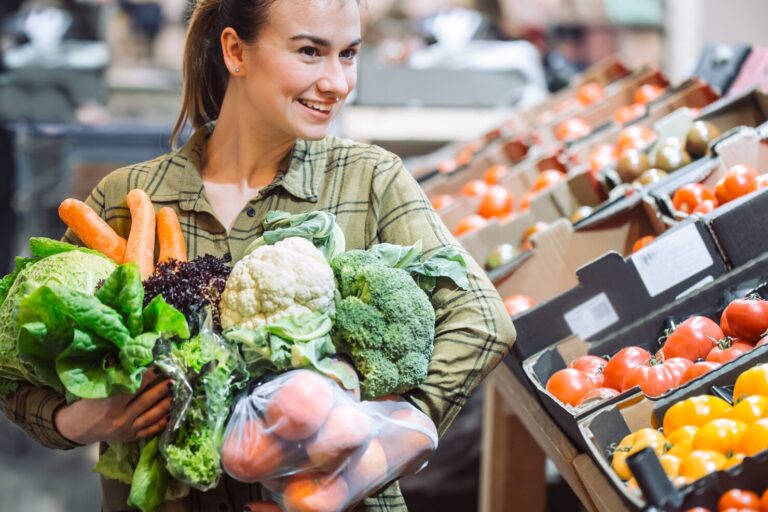
Sustainable grocery shopping involves making purchasing decisions based on both personal needs and environmental considerations.
Start by making a shopping list and sticking to it. Buying large quantities simply because an item is discounted can create unnecessary waste if the food eventually spoils.
Consider these strategies:
- Buy seasonal produce when practical.
- Choose loose fruits and vegetables when available.
- Purchase only realistic quantities.
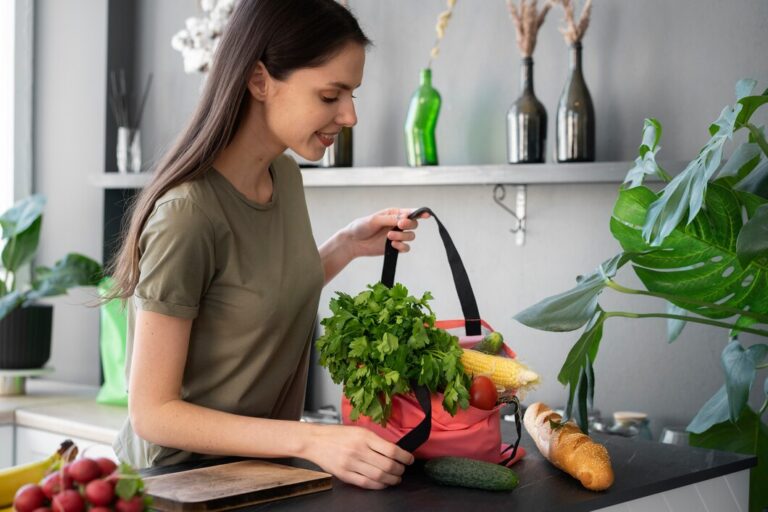
- Carry reusable shopping bags.
- Choose products with minimal packaging.
- Buy staple foods in refillable or larger formats when they will actually be used.
- Consider locally available foods.
- Avoid buying food simply because it is trending.
These habits support sustainable food choices while helping households control spending.
3. Build a Zero-Waste Vegan Kitchen
A vegan zero-waste lifestyle does not mean producing absolutely no waste. Instead, it means actively looking for opportunities to prevent, reuse, repurpose, recycle, or compost materials before sending them to landfill.
A zero-waste vegan lifestyle can begin with the kitchen because this is where many household consumption decisions take place.
Instead of immediately replacing existing kitchen products with new “eco-friendly” versions, use what you already own for as long as possible. When something eventually needs replacement, consider a durable alternative.
Useful changes include:
- Reusable shopping bags
- Cloth kitchen towels
- Refillable containers
- Reusable food storage
- Durable cooking utensils
- Reusable produce bags
- Glass jars for pantry storage
- Refillable cleaning products
This approach combines waste prevention with responsible consumption.
4. Choose Reusable Kitchen Products
Disposable kitchen products can create a steady stream of household waste. Switching to reusable kitchen products can reduce dependence on single-use alternatives.
Instead of disposable plastic wrap, consider reusable containers or washable food covers. Replace paper towels with washable cloths where practical. Use durable bottles and cups instead of buying disposable versions.
However, sustainability is not about purchasing every reusable product available. The most environmentally responsible choice is often to use existing items for as long as possible.
A reusable product is most useful when it actually gets reused regularly.
5. Improve Reusable Food Storage
Proper storage can extend the useful life of food and support reducing food waste. Reusable food storage options such as glass containers, stainless-steel containers, and durable food-safe boxes can help keep leftovers organized.
Good storage habits include:
- Labeling leftovers with dates.
- Keeping older foods where they are easy to see.
- Storing foods according to their needs.
- Freezing foods before they spoil.
- Using airtight containers for suitable ingredients.
- Keeping dry foods protected from moisture.
An organized refrigerator can make a major difference. When food is hidden behind newer purchases, it is easier to forget about it. Keeping frequently used and soon-to-expire foods visible encourages timely use.
6. Reduce Food Waste With Creative Cooking
One of the most effective sustainable kitchen practices is learning how to use ingredients in multiple ways.
Vegetable stems, leaves, cooked grains, beans, and leftovers can often become part of another meal. For example:
- Vegetable scraps can contribute to homemade stock.
- Overripe bananas can become smoothies or banana bread.
- Wilted greens can be added to soups or sauces.
- Leftover rice can become a stir-fry.
- Cooked beans can be turned into spreads or patties.
- Stale bread can become breadcrumbs or croutons.
- Extra vegetables can become soup or curry.
These waste-free kitchen ideas encourage creativity instead of treating leftover ingredients as useless.
7. Make Composting Part of Your Routine
Composting kitchen waste is another useful strategy for managing unavoidable organic scraps. Fruit and vegetable peels, certain food scraps, and other suitable organic materials can be composted according to local composting rules.
Composting does not prevent food waste from occurring, so it should come after prevention and reuse. A practical hierarchy is:
- Buy only what you need.
- Store food properly.
- Use leftovers.
- Repurpose suitable scraps.
- Compost unavoidable organic waste.
- Dispose of remaining waste responsibly.
A small composting system can make kitchen waste easier to manage, particularly for households that regularly prepare fresh plant-based meals.
8. Develop Eco-Friendly Kitchen Habits
Small daily actions become powerful when repeated consistently. Eco-friendly kitchen habits can include turning off unnecessary lights, using water carefully, choosing appropriate cooking methods, and cleaning without excessive disposable materials.
For example, instead of running a dishwasher for a few items, wait until it has a suitable full load if your household routine allows it. When washing vegetables, avoid unnecessarily long periods of running water.
Other green kitchen practices include:
- Using energy-efficient appliances.
- Cooking multiple portions at once.
- Keeping refrigerator doors closed when possible.
- Using appropriately sized cookware.
- Reusing suitable cooking water where practical.
- Air-drying dishes when convenient.
- Avoiding unnecessary disposable products.
These actions support broader sustainable kitchen practices without making cooking complicated.
9. Create a Plastic-Free Vegan Kitchen
A plastic-free vegan kitchen may be difficult to achieve completely, especially because many food products come packaged in plastic. However, reducing unnecessary plastic is a realistic goal.
Start with the easiest changes.
Use reusable bags instead of disposable shopping bags. Choose unpackaged produce when practical. Store dry goods in durable containers. Carry reusable bottles and food containers.
It is also important not to waste existing plastic products simply because they are plastic. If a container is safe and functional, continuing to use it may be more sustainable than throwing it away and buying a replacement.
The objective is gradual reduction rather than creating unnecessary consumption in the name of sustainability.
10. Make Sustainable Food Choices
Sustainable food choices consider more than whether food is vegan. They can include seasonality, packaging, food waste, transportation, production methods, and how much food is actually needed.
For example, purchasing a large quantity of a highly perishable ingredient may not be sustainable if half of it is thrown away. A smaller amount that gets completely eaten can be the better choice.
Plant-based food sustainability also benefits from variety. Beans, lentils, peas, whole grains, vegetables, fruits, nuts, seeds, and other plant foods can be incorporated according to personal preferences, availability, and local food systems.
The key is to focus on practical choices rather than trying to follow a perfect sustainability checklist.
11. Reduce Packaging Waste
Packaging is another important part of vegan kitchen waste reduction. Plant-based foods can come in everything from cardboard boxes to plastic bags, cans, jars, and multilayer packaging.
When choosing between similar products, consider options that use less packaging or packaging that can be reused or appropriately recycled.
You can also:
- Buy loose produce when practical.
- Choose refill options.
- Reuse clean glass jars.
- Avoid unnecessary individually wrapped products.
- Carry reusable bags.
- Choose larger packages only when you can use the entire quantity.
Remember that buying a large package is not automatically more sustainable. If food spoils before it is consumed, the packaging savings may be outweighed by the wasted food.
12. Cook More Efficiently
Sustainable cooking habits can reduce both food and energy waste.
Batch cooking is particularly useful. Preparing a larger quantity of beans, grains, soup, curry, or roasted vegetables can reduce repeated cooking time and help make better use of ingredients.
You can also plan meals around overlapping ingredients. For example, roasted vegetables prepared for dinner can become a filling for wraps or grain bowls the next day.
Cooking efficiently can support low-waste vegan kitchen goals while making everyday meal preparation easier.
13. Organize the Pantry and Refrigerator
Organization is an underrated part of sustainability. A cluttered pantry makes it difficult to know what you already have, which can lead to duplicate purchases.
Try organizing foods by category:
- Grains
- Legumes
- Nuts and seeds
- Spices
- Canned foods
- Baking ingredients
- Snacks
- Fresh produce
Place older products toward the front so they are used first.
This simple “first in, first out” approach can reduce forgotten ingredients and support vegan food waste reduction.
14. Repurpose Leftovers Instead of Repeating Meals
Eating leftovers does not have to mean eating exactly the same dish several days in a row. Creative repurposing can make leftovers more appealing.
For example, leftover roasted vegetables can become:
- A wrap filling
- A pasta topping
- A grain bowl
- A soup ingredient
- A sandwich filling
- A taco filling
Similarly, leftover lentil curry can be served with rice one day and transformed into a filling for wraps another day.
This makes reducing food waste easier without making meals repetitive.
15. Practice Ethical Vegan Living Beyond Food
Ethical vegan living can extend beyond food choices to everyday purchasing and consumption habits. It can involve considering how products are made, how long they last, whether they are necessary, and what happens when they are discarded.
For the kitchen, this may mean choosing durable tools, repairing items where possible, avoiding unnecessary purchases, and supporting responsible production practices.
This broader perspective connects veganism with conscious consumption rather than treating plant-based eating as the only sustainability decision.
16. Make Your Kitchen a Low-Waste System
A truly sustainable kitchen works as a system. Food purchasing, storage, cooking, leftovers, and waste management should support one another.
For example:
Plan → Shop → Store → Cook → Reuse → Compost → Review
First, plan meals. Then buy appropriate quantities. Store ingredients correctly. Cook portions that are realistic. Reuse leftovers. Compost appropriate scraps. Finally, review what was wasted and adjust your next shopping trip.
This cycle can gradually turn a conventional kitchen into a low-waste vegan kitchen.
Benefits of an Eco-Friendly Vegan Kitchen
Adopting these practices can provide several benefits beyond environmental responsibility.
Less Food Waste
Better meal planning and storage can prevent edible food from being discarded.
Lower Household Costs
Using ingredients completely means you get more value from every grocery purchase.
Less Packaging Waste
Reusable products and thoughtful purchasing can reduce reliance on disposable packaging.
Better Organization
A well-organized kitchen makes ingredients easier to find and use.
More Sustainable Consumption
Thoughtful purchasing encourages people to buy according to actual needs rather than impulse.
Stronger Environmental Awareness
Everyday kitchen habits can help build a broader understanding of resource conservation.
Simple Eco-Friendly Kitchen Checklist
If you want to begin gradually, start with these steps:
- Plan meals before grocery shopping.
- Check the pantry and refrigerator before buying food.
- Purchase realistic quantities.
- Choose seasonal and locally available foods when practical.
- Use reusable shopping bags.
- Invest in reusable food storage when existing containers need replacement.
- Freeze food before it spoils.
- Repurpose leftovers.
- Compost suitable kitchen scraps.
- Reduce unnecessary single-use products.
- Use existing kitchen items for as long as possible.
- Choose products with less packaging when practical.
- Organize food using a first-in, first-out system.
- Cook larger batches when it makes sense.
- Track the food you regularly throw away and adjust your shopping habits.
Final Thoughts
Creating an eco-friendly vegan lifestyle is not about achieving a perfectly waste-free kitchen overnight. It is about making practical decisions that reduce unnecessary consumption and help resources stay useful for longer. From vegan meal planning and sustainable grocery shopping to composting kitchen waste, reusable storage, and creative leftover recipes, there are many ways to make everyday routines more environmentally responsible.
A sustainable plant-based living approach considers the complete kitchen cycle: what you purchase, how you store it, how you prepare it, and what happens to the leftovers and waste. By adopting practical eco-friendly kitchen ideas, choosing reusable kitchen products, reducing packaging, and developing consistent sustainable cooking habits, anyone can move toward a more responsible kitchen.
The most important step is simply to begin. Choose a few changes that fit your lifestyle, make them routine, and build from there. Over time, these small actions can create a kitchen that supports vegan sustainable living, plant-based food sustainability, and a more thoughtful approach to everyday consumption.
About the Author