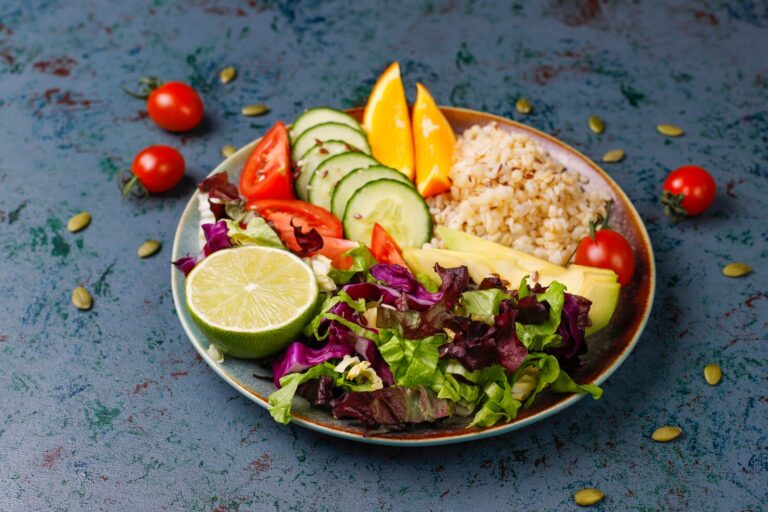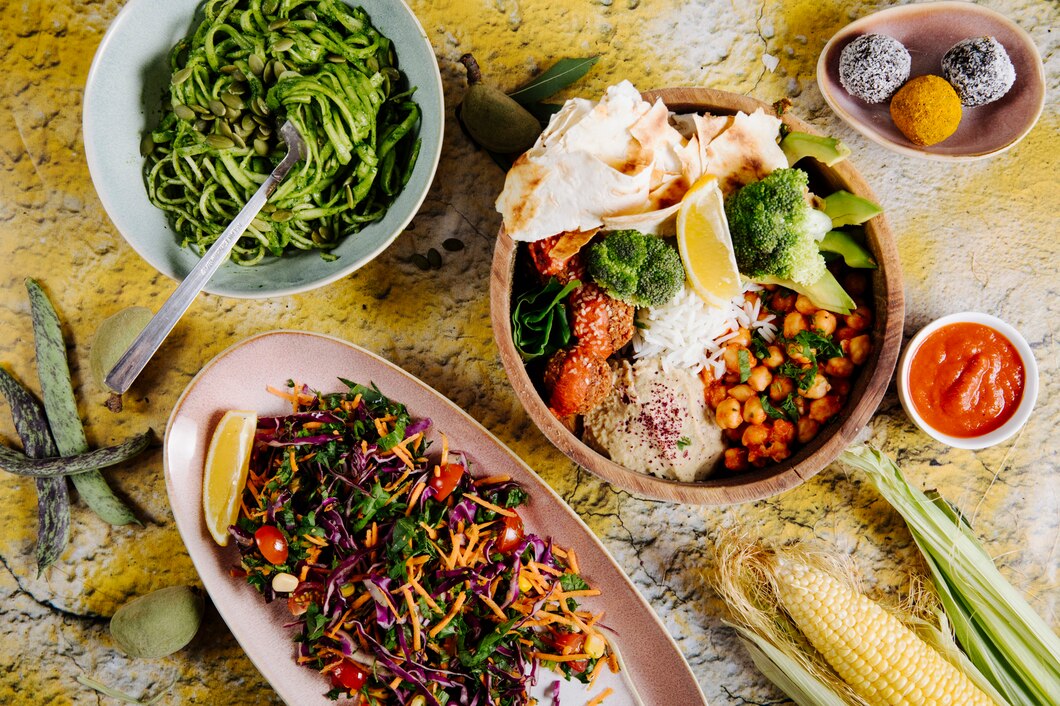
Finding vegan options at restaurants can be easier than you think when you know what to look for, which ingredients to avoid, and how to communicate your dietary preferences. Whether you follow a vegan lifestyle, are transitioning toward plant-based eating, or simply want to explore meat-free meals, eating out does not have to be complicated. Many restaurants already serve dishes that are naturally vegan or can be modified with a few simple changes. From vegetable curries and grain bowls to salads, pasta, wraps, and plant-based burgers, there are plenty of possibilities for enjoying a satisfying meal.
The key is to understand restaurant menus, recognize hidden animal ingredients, and ask the right questions before ordering. This practical guide explains how to find vegan meals, identify suitable menu items, customize popular dishes, and discover vegan-friendly restaurants. With these vegan dining tips, you can enjoy greater variety, make informed food choices, and feel more confident when eating out as a vegan.
Understand What Makes a Restaurant Meal Vegan
Before exploring restaurant menus, it helps to understand what qualifies as vegan food. A vegan meal excludes ingredients derived from animals, including meat, poultry, fish, seafood, dairy products, eggs, and honey. Some dishes may appear plant-based but contain animal-derived ingredients in their sauces, seasonings, toppings, or cooking methods.
For example, a vegetable sandwich may contain mayonnaise made with eggs, while a vegetable soup could be prepared using chicken stock. Similarly, a salad might include cheese, a creamy dressing, or honey-based vinaigrette.
When following a vegan restaurant ordering guide, remember that a dish containing vegetables is not automatically vegan. The preparation method and every ingredient matter.
Common ingredients to check include:
- Butter, cream, milk, cheese, and yogurt.
- Eggs and egg-based mayonnaise.
- Honey and honey-based dressings.
- Chicken, beef, fish, or other animal-based stocks.
- Gelatin and certain animal-derived additives.
- Fish sauce, oyster sauce, and shrimp paste.
- Ghee, which is clarified butter commonly used in Indian cooking.
Understanding these ingredients makes it easier to identify vegan food choices and avoid ordering meals that do not meet your dietary preferences.
Research Vegan-Friendly Restaurants Before You Go
One of the best ways to find vegan meals is to research your dining destination in advance. A little preparation can save time, particularly when visiting an unfamiliar neighborhood or eating with friends who have different dietary preferences.
Use restaurant search platforms
Search online for terms such as “vegan restaurants near me,” “plant-based dining,” or “vegan-friendly restaurants.” Restaurant directories, map services, and review platforms can help you discover businesses with dedicated vegan menus or dishes that can be modified.
Read recent customer reviews to see whether diners mention vegan choices, ingredient transparency, and staff knowledge. However, do not rely entirely on reviews because menus and recipes can change.
Explore vegan food apps
Vegan food apps and restaurant discovery platforms can help you locate suitable places while traveling or exploring a new city. Depending on the app and location, you may find dedicated vegan restaurants, vegetarian cafés, and mainstream restaurants with plant-based meals.
Look for features such as:
- Filters for vegan or plant-based food.
- Customer reviews about vegan menu choices.
- Restaurant menus and food photographs.
- Information about ingredient substitutions.
- Location-based recommendations.
You can also check a restaurant’s official website or social media pages for its current menu. If the information is unclear, call ahead and ask whether the kitchen can prepare a fully vegan meal.
Check menus before making a reservation
Reviewing restaurant menus in advance is one of the best ways to find vegan-friendly restaurants. Look for dishes labeled vegan, plant-based, or dairy-free, but confirm the ingredients if necessary.
A restaurant without a dedicated vegan section may still offer suitable meals. For example, an Italian restaurant might serve tomato-based pasta, while a Mexican restaurant could offer bean tacos without cheese or sour cream.
Planning ahead gives you more choices and makes eating out as a vegan a more relaxed experience.
How to Identify Vegan Options on Restaurant Menus
Learning how to identify vegan options on restaurant menus is an important skill. Although some establishments clearly label plant-based dishes, others provide only a list of ingredients or short descriptions.
Start by looking for meals built around vegetables, legumes, grains, fruits, and plant-based proteins. These ingredients can provide a strong foundation for a balanced and satisfying meal.
Look for naturally vegan dishes
Many traditional foods are vegan or can be made vegan with minimal adjustments. Examples include:
- Vegetable stir-fries prepared without animal-based sauces.
- Bean burritos without cheese or sour cream.
- Hummus with pita bread, provided the bread is vegan.
- Lentil soup made with vegetable stock.
- Tomato-based pasta without cheese or egg pasta.
- Rice bowls with vegetables, beans, and tofu.
- Falafel wraps without yogurt-based sauce.
- Vegetable curries prepared without cream, butter, or ghee.
- Baked potatoes with salsa, beans, or other plant-based toppings.
These are useful starting points when exploring plant-based restaurant options. Always check preparation details because recipes vary between restaurants.
Pay attention to menu descriptions
Words such as “vegetable,” “garden fresh,” “light,” and “meat-free” do not necessarily mean that a dish is vegan. A vegetable curry could contain cream, and a garden salad might come with cheese or egg-based dressing.
Look for specific ingredients rather than relying on general descriptions. When a dish sounds suitable but you are unsure about its preparation, ask the server to clarify.
Understand common menu labels
Restaurants may use several terms to describe their food.
- Vegan: Intended to exclude animal-derived ingredients, although checking preparation details is still sensible.
- Vegetarian: Excludes meat but may include eggs, dairy, and sometimes other animal-derived ingredients.
- Plant-based: Often emphasizes foods from plants, but the exact meaning varies by restaurant.
- Dairy-free: Excludes dairy ingredients but may still contain eggs, meat, fish, or honey.
- Meat-free: Does not necessarily exclude dairy or eggs.
Knowing these distinctions can help you make better vegan food choices and avoid misunderstandings when ordering.
How to Order Vegan Food Confidently
Knowing how to order vegan food becomes easier when you communicate clearly and politely. You do not need to give a lengthy explanation of your lifestyle. Simply state what you avoid and ask whether the restaurant can accommodate your request.
For example, you could say, “I eat vegan, so I do not have meat, fish, dairy, eggs, or honey. Could you recommend something suitable?”
If the server suggests a dish, ask about ingredients that may not be obvious from the menu.
Ask specific questions
Instead of asking whether a dish is vegan, consider asking about its individual components.
Useful questions include:
- Is this dish cooked with butter, ghee, or oil?
- Does the sauce contain milk, cream, cheese, or eggs?
- Is the soup prepared with vegetable stock?
- Does the bread contain milk, butter, or eggs?
- Is the dressing made with mayonnaise or honey?
- Can the kitchen prepare this without animal-derived ingredients?
Specific questions can help staff understand your requirements and provide more accurate information.
Request simple substitutions
Many kitchens can adjust a dish without changing the entire recipe. You might ask for olive oil instead of butter, extra vegetables instead of cheese, or beans instead of meat.
For example, a restaurant may be able to prepare a vegetable pizza without cheese, a burger with a plant-based patty, or a rice bowl with tofu and vegetables.
Keep your request straightforward and allow the kitchen to explain which substitutions are possible. Not every restaurant can accommodate every modification, particularly during busy periods.
Confirm the final order
Before the kitchen prepares your meal, make sure the server understands your request. If several substitutions are involved, briefly repeat them.
This is especially helpful when dining with a group, ordering multiple dishes, or visiting restaurants where vegan meals are not commonly requested.
These practical steps make vegan food ordering tips easier to apply in everyday situations.
Finding Vegan Options at Non-Vegan Restaurants
You do not have to visit a dedicated vegan restaurant every time you eat out. In fact, some of the most convenient vegan options at restaurants can be found at establishments that serve a wide range of cuisines.
The best approach is to identify dishes that can be prepared using plant-based ingredients.
Italian restaurants
Italian menus often include tomato-based pasta, vegetable pizza, minestrone soup, and grilled vegetables. Ask whether the pasta contains eggs and whether the sauce is prepared with butter, cream, cheese, or meat stock.
A simple pasta dish with tomato sauce, vegetables, herbs, and olive oil can be a practical choice. If ordering pizza, request no cheese and check whether the dough is vegan.
Mexican restaurants
Mexican restaurants may offer bean tacos, vegetable fajitas, rice bowls, salsa, guacamole, and burritos.
Ask whether the beans are cooked with lard, whether the rice contains chicken stock, and whether tortillas contain animal-derived ingredients. Request no cheese or sour cream and add beans, vegetables, salsa, and avocado where available.
Indian restaurants
Indian cuisine offers many potential vegan meal options, including chana masala, dal, vegetable pulao, aloo gobi, and certain vegetable curries.
However, preparation methods vary considerably. Some dishes contain ghee, butter, cream, paneer, or yogurt. Ask whether the kitchen can prepare the dish using vegetable oil and without dairy ingredients.
Also check whether breads such as naan contain milk, butter, or yogurt. Roti may be a suitable alternative, but ingredients differ between establishments.
Asian restaurants
Asian restaurants may serve vegetable stir-fries, tofu dishes, rice bowls, vegetable dumplings, and noodle dishes.
Be particularly careful with fish sauce, oyster sauce, shrimp paste, egg noodles, and sauces containing honey. Ask whether the kitchen can prepare your meal with tofu, vegetables, rice, or egg-free noodles and a suitable plant-based sauce.
Mediterranean and Middle Eastern restaurants
Hummus, falafel, tabbouleh, vegetable salads, rice, and grilled vegetables can offer useful vegan choices.
Check whether falafel is fried separately from animal products when that matters to you, and confirm that sauces and bread do not contain dairy or eggs. Yogurt-based dressings should be replaced with tahini, hummus, or another suitable vegan sauce when available.
Exploring different cuisines expands your choices and makes eating vegan at restaurants more enjoyable.
Learn to Recognize Hidden Animal Ingredients
Hidden animal ingredients are among the biggest challenges when ordering vegan food. Even dishes that appear entirely plant-based may contain ingredients derived from animals.
Knowing what to look for is an essential part of checking ingredients in restaurant food.
Sauces and dressings
Sauces often contain ingredients that are easy to overlook. Caesar dressing commonly contains anchovies and may include egg or cheese. Mayonnaise is generally egg-based unless a vegan version is used. Creamy dressings may contain dairy, while some vinaigrettes include honey.
Ask for ingredient details and request olive oil, lemon juice, salsa, tahini, or another suitable alternative when available.
Cooking fats and stocks
Restaurants may cook vegetables with butter or ghee rather than vegetable oil. Soups, gravies, rice, and sauces may also contain chicken stock, beef stock, or other animal-based ingredients.
If you are uncertain, ask how the dish is prepared rather than focusing only on the ingredients listed in its description.
Breads, desserts, and baked goods
Bread, pastries, pancakes, cakes, and desserts may contain milk, butter, eggs, or honey. Some desserts also contain gelatin, which is commonly produced from animal collagen.
Fresh fruit, sorbet, and certain dairy-free desserts may be suitable alternatives, but check ingredients and preparation methods.
Restaurant allergen information
Restaurant allergen information can help you identify common ingredients such as milk and eggs. However, an allergen chart may not cover every animal-derived ingredient relevant to vegan diets.
For example, fish sauce and honey may not appear in a standard allergen summary. Ask staff for ingredient information when needed, and remember that allergen information is primarily intended to help identify allergens rather than certify that a meal is vegan.
How to Customize Restaurant Meals to Be Vegan
Vegan meal customization is often the simplest way to make a restaurant dish suitable for your needs. Rather than searching for an entirely new meal, look for a dish that can be modified with a few clear substitutions.
Here are some practical examples:
| Restaurant dish | Possible vegan customization |
| Vegetable burger | Replace the patty with a vegan option and remove dairy-based sauces |
| Garden salad | Skip cheese and egg; choose a verified vegan dressing |
| Vegetable pizza | Remove cheese and check the dough and sauce |
| Pasta | Choose egg-free pasta with tomato or vegetable-based sauce |
| Burrito | Use beans and vegetables instead of meat; omit cheese and sour cream |
| Stir-fried vegetables | Request plant-based oil and a vegan sauce |
| Baked potato | Replace butter, cheese, and sour cream with beans or salsa |
| Curry | Request a preparation without ghee, cream, paneer, or yogurt |
| Sandwich | Use suitable bread and replace egg or dairy spreads with hummus or avocado |
These examples are starting points rather than guarantees. Always verify ingredients with the restaurant.
Build a balanced vegan meal
When possible, combine a source of plant-based protein with vegetables, grains, and healthy fats. Beans, lentils, chickpeas, tofu, and suitable meat alternatives can help make a meal more satisfying.
For example, a grain bowl containing rice, chickpeas, roasted vegetables, avocado, and tahini dressing can provide more variety than a plate consisting only of plain vegetables.
These plant-based eating tips can help you enjoy meals that are both convenient and nutritionally varied.
Vegan Dining Tips for Beginners
If you are new to vegan dining, the number of ingredients and substitutions may initially feel overwhelming. Fortunately, you do not need to memorize every possible ingredient before visiting a restaurant.
Start with a few practical habits.
Check the menu in advance. Identify two or three possible dishes so you have alternatives if your first choice is unavailable.
Choose simpler meals. Dishes built around rice, beans, vegetables, lentils, potatoes, or tofu may be easier to customize than complicated meals with several sauces.
Learn common ingredients. Become familiar with dairy, eggs, ghee, fish sauce, and animal-based stock.
Keep your requests clear. Explain what you avoid and ask direct questions about preparation.
Be flexible. If a restaurant cannot prepare a suitable version of your preferred dish, ask whether another option is available.
Plan for group dining. When friends or colleagues select a restaurant, review the menu beforehand and suggest places with suitable choices for everyone.
These vegan dining options for beginners make the transition less stressful and help you develop confidence over time.
Best Ways to Find Vegan-Friendly Restaurants While Traveling
Traveling can make vegan dining more challenging because ingredients, menu labels, and cooking traditions vary between locations. A little research and preparation can make a significant difference.
Before your trip, search for vegan restaurants, vegetarian establishments with vegan dishes, and mainstream restaurants offering plant-based meals. Save a few options near your accommodation and planned activities.
When visiting a destination where you do not speak the local language, prepare a short explanation of your dietary requirements. A translated note can help communicate that you avoid meat, fish, dairy, eggs, and other animal-derived ingredients.
You can also check restaurant menus online and contact establishments before arriving. If you have strict dietary requirements, ask about shared cooking surfaces and utensils when cross-contact with animal products is a concern.
In places with a strong tradition of vegetarian cuisine, you may find plenty of meat-free dishes. However, vegetarian food is not automatically vegan, so always check for dairy, ghee, yogurt, paneer, and eggs.
These strategies make it easier to find vegan meals while exploring unfamiliar places.
Common Mistakes to Avoid When Ordering Vegan Food
Even experienced diners can make mistakes when ordering plant-based meals. Recognizing common problems can help you avoid unnecessary confusion.
Assuming vegetarian means vegan
Vegetarian dishes may contain dairy products, eggs, butter, or ghee. Always check the actual ingredients rather than relying on the label.
Trusting menu descriptions without confirmation
A dish described as vegetable-based may still contain animal stock, butter, fish sauce, or a dairy-based dressing.
Forgetting drinks and desserts
Milk in coffee, cream in hot chocolate, honey in tea, and dairy in desserts can affect whether your entire order is vegan. Ask about plant-based milk and suitable dessert alternatives.
Overlooking cooking methods
A meal may contain vegan ingredients but be prepared using butter or another animal-derived fat. Ask about cooking methods when necessary.
Assuming every restaurant can accommodate modifications
Some kitchens have limited ingredients or strict preparation procedures. If a suitable meal is not possible, consider another restaurant rather than assuming staff can make every requested change.
Ordering too little food
A side salad or a small serving of vegetables may not be enough for a satisfying meal. Look for combinations that include legumes, grains, potatoes, tofu, or other substantial plant-based ingredients.
Avoiding these mistakes makes eating out as a vegan more practical and enjoyable.
Frequently Asked Questions About Vegan Options at Restaurants
How do I find vegan options at restaurants?
Search restaurant menus online, use vegan food apps, read recent reviews, and look for meals based on vegetables, grains, beans, lentils, and tofu. Contact the restaurant if ingredient information is unclear.
What should I order at restaurants as a vegan?
Suitable choices may include vegetable curries without dairy, bean burritos without cheese, tomato-based pasta, tofu stir-fries, hummus wraps, grain bowls, and salads with vegan dressings. Confirm ingredients before ordering.
How can I ask restaurants for vegan meals?
Explain that you avoid meat, fish, dairy, eggs, and other animal-derived ingredients. Ask whether the kitchen can recommend a suitable dish or customize an existing menu item.
Are dairy-free restaurant meals always vegan?
No. Dairy-free meals exclude dairy ingredients but may still contain eggs, meat, fish, honey, or other animal-derived ingredients. Check the full ingredient list.
Can non-vegan restaurants prepare vegan meals?
Many can, depending on their menu, ingredients, and kitchen facilities. Restaurants may be able to modify pasta, salads, sandwiches, curries, burgers, and rice bowls to make them suitable.
How can I check ingredients in restaurant food?
Read menu descriptions, review ingredient or allergen information, and ask staff about sauces, cooking fats, stocks, dressings, and substitutions. For complicated dishes, request clarification from the kitchen.
What if a restaurant has no vegan menu?
Look for dishes that can be adapted, such as rice with vegetables and beans, plain potatoes with suitable toppings, or pasta with a verified vegan sauce. If no appropriate option is available, choose another restaurant when possible.
Are plant-based restaurant options always healthy?
Not necessarily. Plant-based meals can range from nutritious combinations of vegetables, legumes, and whole grains to foods high in salt, refined carbohydrates, or saturated fat. Choose a variety of ingredients according to your nutritional needs.
Conclusion
Finding vegan options at restaurants becomes easier when you know how to read menus, identify hidden animal ingredients, and request practical substitutions. Dedicated vegan restaurants can offer convenient choices, but non-vegan establishments may also serve suitable dishes when their ingredients and preparation methods are checked carefully.
Use restaurant search platforms and vegan food apps to plan ahead, ask clear questions about sauces and cooking fats, and consider customizing familiar dishes with beans, lentils, vegetables, tofu, and grains. With these vegan dining tips, you can discover more plant-based restaurant options without making every meal an elaborate search.
Whether you are a beginner or have followed a vegan lifestyle for years, the most useful approach is to stay informed, communicate your needs clearly, and remain open to different cuisines. A thoughtful vegan restaurant ordering guide can help make eating out more comfortable, flexible, and enjoyable wherever your next meal takes you.
About the Author