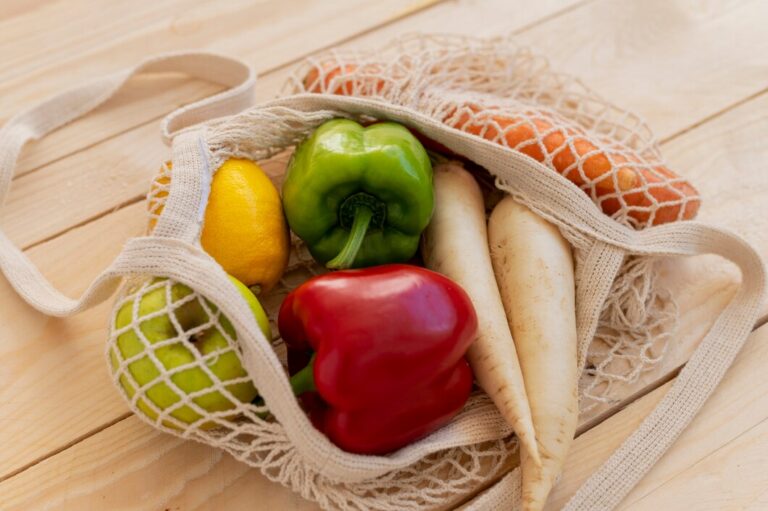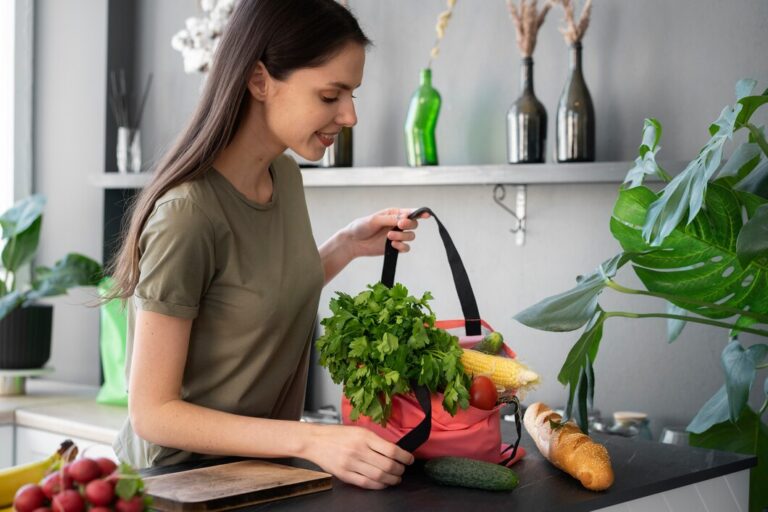
Creating a zero-waste vegan kitchen is a practical way to combine plant-based eating with responsible resource use. Instead of focusing only on avoiding animal products, this approach considers food purchasing, storage, cooking, packaging, leftovers, and disposal. A well-planned zero-waste kitchen can reduce unnecessary waste while making everyday meals more economical, organized, and environmentally conscious. Whether you are completely new to sustainable living or simply want to improve your existing vegan kitchen, small changes can make a meaningful difference.
What Is a Zero-Waste Vegan Kitchen?
A zero-waste vegan kitchen aims to minimize the amount of material and food sent to landfill while following a plant-based diet. It brings together two complementary ideas: vegan food choices and waste-conscious kitchen practices.
The goal is not necessarily to produce absolutely no waste. That can be difficult in modern households because some packaging, unavoidable food scraps, and other materials may still occur. Instead, the focus is on preventing waste whenever possible, reusing items, choosing recyclable or compostable options when appropriate, and purchasing only what you are likely to use.
A zero-waste vegan lifestyle can extend beyond the kitchen into grocery shopping, meal preparation, dining, and household routines. Starting with the kitchen makes sense because food and packaging are common sources of household waste.
Start by Auditing Your Current Kitchen Waste
Before purchasing new products, spend several days observing what your household actually throws away.
Keep track of:
- Unused vegetables and fruits
- Food scraps
- Spoiled leftovers
- Single-use packaging
- Plastic bags
- Disposable wraps
- Takeaway containers
- Paper towels
- Coffee or tea packaging
- Empty bottles and jars
- Items that could have been reused
- Food purchased but never consumed
This simple audit can reveal where your biggest opportunities are. For example, if most of your waste consists of vegetable scraps, learning zero-waste cooking techniques may help. If packaging dominates your waste, bulk shopping and reusable containers may be more useful.
The purpose of a waste audit is not to criticize your current habits. It gives you information that can help you build a realistic sustainable vegan kitchen around your actual needs.
Build Your Kitchen Gradually
One common mistake is attempting to replace every kitchen product at once. This can create unnecessary expenses and may result in perfectly usable items being discarded.
Instead, use what you already own until it needs replacement. When something wears out, consider a durable alternative.
For example, you can gradually introduce:
- Reusable shopping bags
- Glass storage containers
- Stainless-steel lunch boxes
- Cloth napkins
- Reusable produce bags
- Silicone storage bags
- Reusable food covers
- Wooden or bamboo kitchen tools
- Refillable cleaning products
- Durable water bottles
These reusable kitchen products can reduce dependence on disposable alternatives when they are used consistently.
Sustainability is not about having a perfectly styled kitchen filled with expensive eco-products. It is about making practical decisions that reduce unnecessary consumption.
Plan Your Vegan Meals Before Shopping
Vegan meal planning is one of the simplest ways to reduce food waste. Without a plan, it is easy to buy ingredients because they look appealing and then forget about them in the refrigerator.
Start by checking what you already have. Look at your pantry, refrigerator, and freezer before preparing your shopping list.
Then decide:
- Which meals you will prepare during the week.
- Which ingredients are already available.
- Which fresh foods need to be purchased.
- How ingredients can be used in more than one meal.
- Which leftovers can become another dish.
For example, a bunch of spinach could be used in a breakfast smoothie, lunch wrap, and dinner curry. Cooked chickpeas might become a salad topping one day and part of a curry or hummus another day.
This approach makes zero-waste vegan meal planning more efficient because one ingredient can serve multiple purposes.
Buy Only What You Can Use
Buying large quantities is not always sustainable. A bulk purchase can become wasteful if the food expires before you consume it.
Buy according to your household’s eating habits. If you cook for one or two people, smaller quantities of highly perishable foods may be more practical.
Choose foods based on:
- How frequently you eat them
- Their shelf life
- Storage requirements
- Available recipes
- Your weekly schedule
- Household portion sizes
This is an important part of food waste reduction because preventing surplus food is usually easier than finding a use for it after it has spoiled.
Choose Foods With Minimal Packaging
A plastic-free kitchen can be developed gradually by looking for foods that require less packaging.
Depending on availability in your area, you may find grains, lentils, beans, nuts, seeds, spices, and other staples through bulk sections or refill stores. When shopping this way, reusable containers or bags can replace some disposable packaging.
However, packaging should not become an all-or-nothing issue. If packaged food is the most practical or accessible option, use it and focus on responsible disposal or reuse where possible.
The broader objective is to develop eco-friendly kitchen habits that reduce unnecessary packaging without making your routine impractical.
Prioritize Whole and Minimally Processed Ingredients
A plant-based kitchen can naturally support waste reduction when meals are built around versatile staples.
Useful ingredients include:
- Lentils
- Beans
- Chickpeas
- Rice
- Oats
- Potatoes
- Seasonal vegetables
- Fresh fruits
- Whole grains
- Seeds
- Nuts
- Herbs
- Tofu
- Tempeh
These ingredients can be combined in numerous ways, allowing you to adapt meals according to what is available.
Whole vegetables and fruits can also provide opportunities for creative cooking. Vegetable stems, leaves, peels, and stalks may sometimes be incorporated into soups, stocks, sauces, curries, or other recipes, provided they are safe and suitable to eat.
Learn Zero-Waste Cooking Techniques
Zero-waste cooking is about using ingredients thoughtfully rather than automatically throwing away parts that may still be useful.
Here are several approaches:
Use Vegetable Scraps
Vegetable stems, herb stalks, onion skins, and other scraps can sometimes be collected for homemade vegetable stock. Keep suitable scraps in a freezer container and use them when you have enough.
Revive Tired Produce
Slightly wilted leafy greens can sometimes be incorporated into cooked dishes. Soft vegetables may work well in soups, sauces, curries, or blended preparations.
Transform Leftovers
Leftover cooked vegetables can become filling for wraps, toppings for grain bowls, or ingredients in soups. Extra rice can be used in fried rice-style dishes or patties.
Cook With Portions in Mind
Preparing excessive quantities often creates unnecessary leftovers. Start with portions appropriate for the number of people eating.
These vegan cooking tips can make everyday meals more resource-efficient without requiring complicated recipes.
Improve Food Storage
Good storage is essential for reducing food waste. Even fresh ingredients can become waste if they are stored incorrectly.
Sustainable food storage can include reusable containers, jars, durable lunch boxes, and other storage solutions that can be washed and used repeatedly.
Consider separating ingredients according to how quickly they need to be consumed. Foods that need to be eaten soon can be placed where they are easy to see.
Labeling leftovers with the preparation date can also prevent forgotten containers from remaining in the refrigerator for too long.
Freezing is another useful option. Many suitable fruits, vegetables, cooked legumes, sauces, breads, and prepared meals can be frozen according to appropriate food-safety practices.
Create a Plastic-Free Food Storage System
If your goal is how to make a plastic-free vegan kitchen, food storage is a useful place to begin.
Instead of automatically reaching for disposable plastic bags or cling film, consider reusable alternatives such as:
- Glass containers
- Stainless-steel containers
- Reusable silicone bags
- Reusable food covers
- Glass jars
- Cloth produce bags
The most sustainable option is often the storage item you already own and can continue using for years.
You do not need to throw away all plastic products immediately. If a plastic container is safe and suitable for its intended purpose, continuing to use it can prevent unnecessary replacement and consumption.
Make Your Kitchen Cleaning Routine More Sustainable
Cleaning products and disposable cleaning materials can also contribute to household waste.
A sustainable kitchen practices approach can involve using washable cloths instead of constantly purchasing disposable paper towels.
You can also consider concentrated or refillable cleaning products when practical. Durable brushes and washable cleaning tools may reduce the number of disposable products used over time.
The key is to select products based on durability and actual usefulness rather than purchasing something simply because it is marketed as environmentally friendly.
Start Composting Kitchen Waste
Not every food scrap can be reused in cooking. Composting kitchen waste provides another way to manage suitable organic materials.
Depending on your local system, compostable materials may include:
- Fruit and vegetable scraps
- Coffee grounds
- Certain tea materials
- Plant trimmings
- Other approved organic matter
Before starting, check the requirements of your local composting program or composting method.
Home composting can be done through different systems, including outdoor composting, vermicomposting, and other suitable methods. Select a practical approach that suits your available space, daily routine, and lifestyle needs.
Composting should come after prevention and reuse. If food can still be eaten safely, consuming it is generally preferable to sending it to compost.
Practice Food Waste Reduction Every Day
How to reduce food waste in a vegan kitchen is ultimately about changing everyday decisions.
Try these habits:
- Check the refrigerator before shopping.
- Organize your meals by prioritizing ingredients that are closest to expiring to help prevent food waste.
- Store fresh produce appropriately.
- Freeze suitable foods before they spoil.
- Prepare realistic portions.
- Use leftovers creatively.
- Keep an inventory of pantry staples.
- Avoid impulse purchases.
- Learn how to store herbs and leafy greens effectively.
- Compost suitable unavoidable scraps.
These simple actions make reducing food waste part of your normal routine rather than an occasional project.
Make Sustainable Cooking More Efficient
Sustainable cooking is not only about what you eat but also how you prepare it.
Cooking several components at once can save time and energy. For example, you could cook a batch of grains and legumes and use them in different meals during the week.
Using appropriately sized cookware and avoiding unnecessary preheating can also improve kitchen efficiency. When using an oven, planning several suitable dishes around the same cooking session may reduce repeated heating.
However, energy-saving practices should always remain compatible with safe food preparation.
Build a Low-Waste Pantry
A well-organized pantry can make a major difference in a low-waste kitchen.
Choose versatile staples that work across multiple recipes. Examples include lentils, beans, rice, oats, pasta, flour, spices, seeds, and other plant-based ingredients that fit your diet.
Store dry foods in clean, suitable airtight containers when appropriate. Clearly visible labels can help you identify older products and use them before newer purchases.
A first-in, first-out approach can be useful: use older suitable products before opening newly purchased ones.
Shop Seasonally When Practical
Seasonal foods can be a useful part of an eco-friendly vegan kitchen. Seasonal produce may be readily available and can inspire meals around what is currently abundant.
Rather than creating a rigid list of expensive specialty ingredients, build meals around accessible foods available in your region.
For example, a seasonal vegetable can become the centerpiece of a curry, soup, stir-fry, roasted dish, or grain bowl. This flexibility makes plant-based cooking easier and can help prevent ingredients from being purchased solely for one recipe.
Avoid the “Perfect Zero-Waste” Mindset
A major part of learning how to start a zero-waste vegan kitchen is understanding that perfection is unnecessary.
You may occasionally buy packaged food. You may forget vegetables in the refrigerator. You may use disposable products. You may have food scraps that cannot be reused.
These situations do not cancel out your other efforts.
A practical zero-waste vegan lifestyle focuses on continuous improvement. Instead of asking whether your kitchen produces absolutely no waste, ask whether you can prevent a little more waste this week than you did last week.
Practical Tips for a Zero-Waste Vegan Kitchen
If you are looking for tips for a zero-waste vegan kitchen, start with changes that are inexpensive and easy to maintain:
- Plan meals before grocery shopping.
- Make a shopping list and follow it.
- Use ingredients in multiple meals.
- Store food correctly.
- Freeze suitable foods before they spoil.
- Keep leftovers visible and organized.
- Choose reusable products.
- Carry reusable shopping and produce bags.
- Reduce unnecessary packaging.
- Learn recipes that use vegetable scraps.
- Compost suitable organic waste.
- Avoid replacing functional kitchen items unnecessarily.
- Buy durable products when replacements are needed.
- Keep a pantry inventory.
- Review your waste regularly.
These steps can gradually transform an ordinary kitchen into a more sustainable space.
How to Create a Sustainable Vegan Kitchen on a Budget
Sustainability does not have to mean buying premium products.
If you want to know how to create a sustainable vegan kitchen without spending heavily, start by using what you already have.
Reuse jars for appropriate storage, repair items where possible, choose secondhand equipment when suitable, and avoid buying unnecessary gadgets.
When purchasing something new, consider durability, repairability, frequency of use, and whether it replaces a disposable product.
For example, a durable reusable container that you use hundreds of times can be more practical than repeatedly purchasing disposable storage products.
Create a Routine That Works for You
The most successful sustainable kitchen is one that fits your lifestyle.
A busy household may benefit from batch cooking and freezer storage. Someone who cooks daily may prefer buying smaller quantities of fresh produce more frequently. A person with limited storage space may focus on pantry organization and reusable multipurpose products.
There is no single correct version of a vegan kitchen.
Your objective should be to develop systems that make waste prevention convenient. When sustainable choices are easy to follow, they are more likely to become permanent habits.
Final Thoughts
Learning how to start a zero-waste vegan kitchen does not require a complete lifestyle transformation overnight. Begin by understanding where your waste comes from, then focus on meal planning, smart shopping, appropriate food storage, creative cooking, reusable products, and composting.
A sustainable vegan kitchen is built through consistent decisions rather than perfection. By combining plant-based meals with thoughtful purchasing and sustainable kitchen practices, you can create a kitchen that uses resources more efficiently and wastes less.
The best zero-waste practices for vegan cooking are often simple: buy what you need, use what you purchase, store food properly, reuse what you can, and dispose of unavoidable waste responsibly. Over time, these habits can turn a conventional kitchen into a practical, eco-friendly kitchen that supports both plant-based living and more conscious consumption.
About the Author