Finding reliable vegan iron sources is an important part of planning a balanced plant-based diet. Iron helps the body make hemoglobin, which carries oxygen through the blood, and it also supports normal energy metabolism and other biological processes. Fortunately, there are plenty of vegan iron foods, including legumes, seeds, soy foods, whole grains, vegetables, dried fruit, and fortified products. The key is not only choosing iron rich vegan foods, but also learning how to improve the body’s ability to absorb the iron found in plants.
Plant foods mainly provide non-heme iron. Non-heme iron can be absorbed less efficiently than the heme iron found in animal foods, but meal composition can make a meaningful difference. Pairing iron-rich foods with vitamin C, preparing certain foods appropriately, and paying attention to factors that inhibit absorption can help you make better use of the iron in your meals.
Why Is Iron Important on a Vegan Diet?
Iron is an essential mineral involved in several functions throughout the body. One of its best-known roles is helping produce hemoglobin, a protein in red blood cells responsible for transporting oxygen.
Iron is also involved in myoglobin, which helps provide oxygen to muscles, as well as various cellular processes.
Because plant foods primarily contain non-heme iron, people following a vegan diet need to pay attention to both iron intake and absorption.
This does not mean that a vegan diet cannot provide sufficient iron. Legumes, tofu, tempeh, lentils, beans, seeds, nuts, whole grains, leafy vegetables, and fortified foods can all contribute iron.
The most useful approach is to build meals around several plant based iron sources rather than relying on one particular food.
Best Vegan Sources of Iron
There are many options when it comes to the best vegan sources of iron. The amount of iron varies between foods, so eating a variety of plant foods throughout the week is a practical strategy.
Lentils
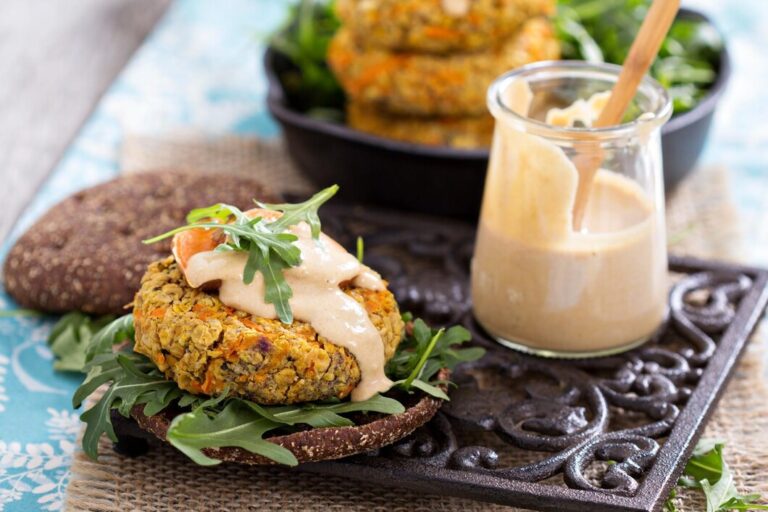
Lentils are among the most versatile iron rich plant foods. They can be used in soups, curries, salads, stews, dals, and grain bowls.
They also provide protein and fiber, making them useful for meals that need to be both filling and nutrient-dense.
Try combining lentils with tomatoes, bell peppers, lemon juice, or other vitamin C-rich ingredients to create a meal that supports iron absorption.
Beans
Kidney beans, black beans, chickpeas, white beans, and other varieties can contribute substantial amounts of iron.
Beans work well in tacos, curries, salads, soups, wraps, hummus, and grain bowls.
Using different types of beans throughout the week is an easy way to add variety to your vegan diet iron sources.
Tofu
Tofu is another useful food for people looking for vegan foods high in iron. The exact nutrient content can vary according to the type and brand, but tofu can contribute both iron and plant protein.
It can be baked, stir-fried, grilled, scrambled, or added to soups.
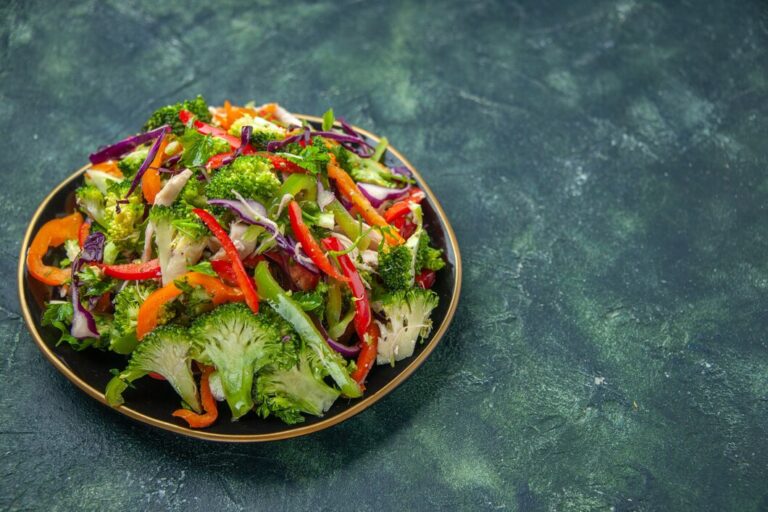
For an iron-focused meal, try tofu with broccoli, bell peppers, cabbage, or another vitamin C-containing vegetable.
Tempeh
Tempeh is a fermented soy food that provides protein and can contribute iron to a vegan diet.
Its firm texture makes it useful in sandwiches, stir-fries, salads, bowls, and wraps.
Because tempeh has a stronger flavor than tofu, marinades containing lemon juice or other acidic ingredients can work particularly well.
Pumpkin Seeds
Seeds are concentrated sources of several nutrients, and pumpkin seeds can make a useful addition to an iron-conscious diet.
Sprinkle them over oatmeal, salads, soups, roasted vegetables, or grain bowls.
They can also be blended into sauces or eaten as a snack.
Sesame Seeds and Tahini
Sesame seeds and tahini can contribute iron while adding flavor and texture to meals.
Tahini works particularly well in hummus, salad dressings, sauces, and sandwiches.
Combining tahini with lemon juice is an easy example of pairing an iron-containing food with a vitamin C-containing ingredient.
Quinoa
Quinoa is a whole grain-like seed that contributes iron, protein, and other nutrients.
It can replace rice in grain bowls or serve as the base for salads containing beans, vegetables, and a citrus-based dressing.
Oats
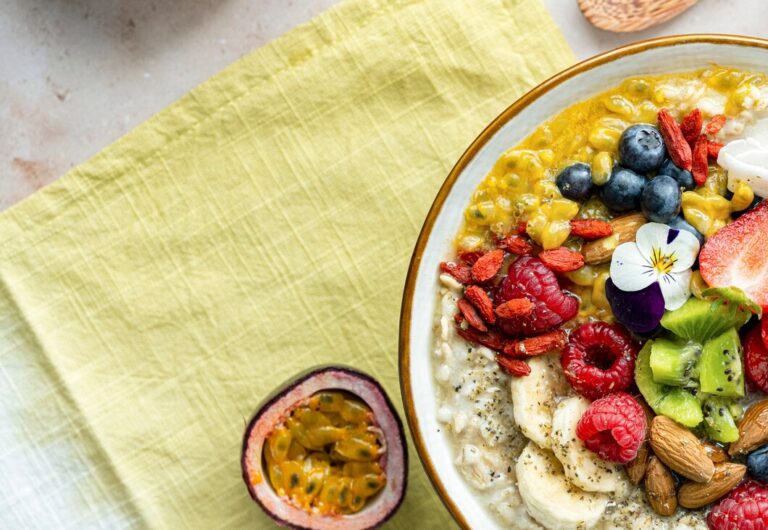
Oats can contribute iron as part of breakfast or snacks. Choose minimally processed oats and combine them with fruit, seeds, nuts, or fortified plant milk.
Adding strawberries, kiwi, oranges, or berries can provide vitamin C alongside the meal.
Dark Leafy Greens
Spinach, kale, Swiss chard, and other leafy vegetables contain iron, although the amount the body absorbs can vary.
Leafy greens are most useful as part of a broader diet rather than being treated as the sole source of iron.
Cooking greens and combining them with legumes, grains, tofu, or seeds can create more substantial meals.
Fortified Foods
Some breakfast cereals, plant-based milks, meat alternatives, and other packaged foods are fortified with iron.
Because fortification varies between brands, checking the nutrition label is important.
Fortified foods can be particularly useful for vegan iron sources for beginners because they provide a convenient way to increase iron intake without completely changing familiar meals.
How Much Iron Do Vegans Need?
The amount of iron a person needs depends on factors such as age, sex, life stage, and individual circumstances.
For adults, commonly used dietary reference values list approximately 8 mg of iron per day for adult men and postmenopausal women and approximately 18 mg per day for premenopausal women. Requirements are different during pregnancy, adolescence, childhood, and other life stages.
People eating primarily plant-based diets should pay attention to iron because non-heme iron is generally less readily absorbed than heme iron.
However, how much iron do vegans need cannot be answered with one number for everyone. Individual needs can change because of menstruation, pregnancy, growth, blood loss, certain medical conditions, and other factors.
If there is concern about iron status, a healthcare professional can assess the situation rather than relying only on dietary symptoms.
Non-Heme Iron Sources for Vegans
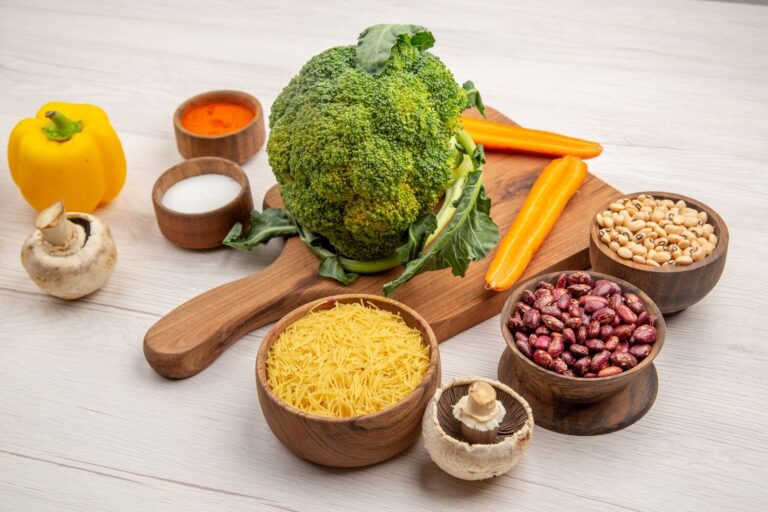
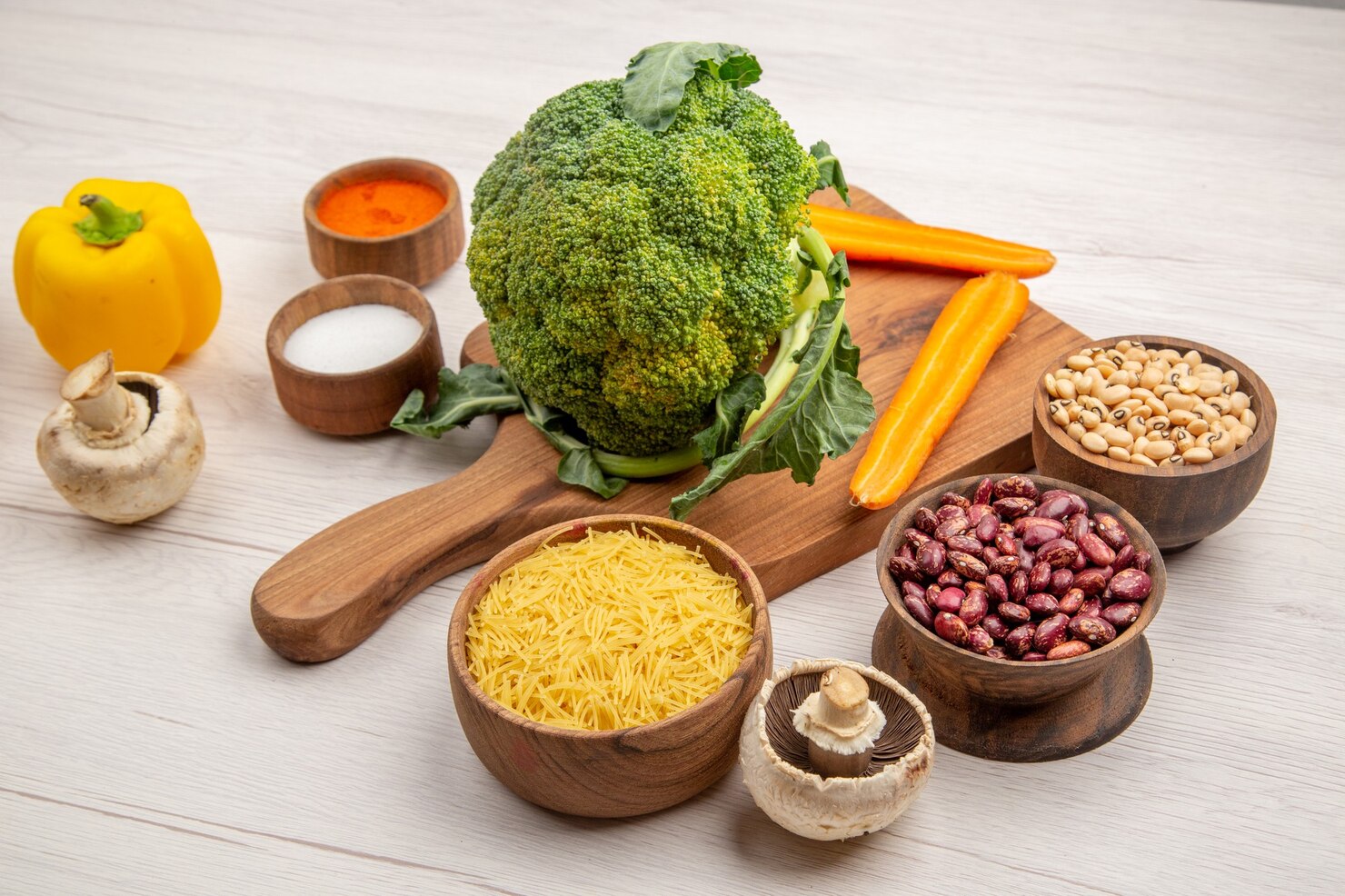
Most non-heme iron sources for vegans come from plants. This includes legumes, tofu, tempeh, seeds, nuts, whole grains, vegetables, dried fruit, and fortified foods.
Non-heme iron absorption is influenced by what else is present in the meal.
This is important because two meals containing a similar amount of iron may not necessarily result in the same amount being absorbed.
Instead of focusing exclusively on the iron number on a nutrition label, consider the entire meal.
For example:
Lentils + tomato + bell pepper + lemon
can provide a combination of plant-based iron and vitamin C.
By comparison, an iron-rich meal consumed with large amounts of tea or coffee may provide conditions that are less favorable for iron absorption.
How to Absorb More Iron From Plant Foods
Knowing how to absorb more iron from plant foods can make a plant-based diet more effective without requiring complicated meal planning.
Add Vitamin C to Iron-Rich Meals
Vitamin C can improve the absorption of non-heme iron.
This makes vitamin C-rich produce particularly useful alongside iron rich foods for a vegan diet.
Good options include:
- Bell peppers
- Oranges
- Kiwi
- Strawberries
- Guava
- Tomatoes
- Broccoli
- Cabbage
- Lemon
- Lime
For example, add lemon juice to lentil soup, sliced bell peppers to a bean wrap, or berries to an oat-based breakfast.
Combine Iron and Vitamin C
Some of the easiest vegan foods high in iron and vitamin C can be combined into the same meal.
Try:
- Lentils with tomatoes
- Chickpeas with bell peppers
- Tofu with broccoli
- Black beans with salsa
- Spinach with lemon
- Quinoa with roasted peppers
- Hummus with raw vegetables
This approach makes improving absorption part of normal meal preparation rather than a separate task.
How to Increase Iron Absorption Naturally
If you’re wondering how to increase iron absorption naturally, start by considering food preparation and meal combinations.
Soak Legumes
Soaking beans and other legumes before cooking can help reduce some compounds that interfere with mineral absorption.
Proper soaking and cooking also improves texture and can make legumes easier to incorporate into everyday meals.
Sprouting
Sprouting certain grains, legumes, and seeds can alter their nutritional composition and may reduce some compounds that bind minerals.
Sprouted foods can therefore be another option for adding variety to a plant-based diet.
Fermentation
Fermentation can also influence the availability of nutrients in foods.
Foods such as tempeh are examples of fermented plant foods that can contribute to an overall nutrient-rich diet.
These preparation techniques do not need to be used for every meal. They are simply additional strategies that can be incorporated when practical.
Vegan Foods That Help With Iron Absorption
The best vegan foods that help with iron absorption are often foods rich in vitamin C.
Citrus Fruits
Oranges, lemons, limes, and grapefruit can add vitamin C to meals and snacks.
A squeeze of lemon or lime can be one of the easiest ways to modify an iron-rich dish.
Bell Peppers
Bell peppers can provide vitamin C and work with many iron-containing foods.
Add chopped peppers to bean salads, tofu stir-fries, wraps, or grain bowls.
Tomatoes
Fresh tomatoes and tomato-based sauces can complement lentils, beans, chickpeas, and soy foods.
Broccoli
Broccoli contributes vitamin C while also providing fiber and other nutrients.
It pairs well with tofu, tempeh, quinoa, and beans.
Guava and Kiwi
These fruits can provide substantial vitamin C and make convenient additions to breakfast or snacks.
Foods That Reduce Iron Absorption
Understanding foods that reduce iron absorption is also useful, especially when meals are heavily dependent on plant-based iron.
Tea and coffee contain polyphenols that can reduce the absorption of non-heme iron when consumed with meals.
Calcium can also interfere with iron absorption under some circumstances.
Certain plant compounds, particularly phytates, can bind minerals and reduce their absorption. Phytates naturally occur in foods such as whole grains, legumes, nuts, and seeds.
This does not mean you should avoid these nutritious foods. Many foods containing phytates are also excellent sources of iron, protein, fiber, magnesium, and other nutrients.
Instead, preparation methods such as soaking, sprouting, fermentation, and cooking can be useful tools.
You can also avoid drinking tea or coffee immediately alongside your main iron-rich meals if iron status is a particular concern.
Best Plant-Based Foods for Iron
A varied diet makes it easier to obtain iron from multiple sources.
Some of the best plant based foods for iron include:
- Lentils
- Chickpeas
- Kidney beans
- Black beans
- White beans
- Tofu
- Tempeh
- Pumpkin seeds
- Sesame seeds
- Tahini
- Quinoa
- Oats
- Fortified cereals
- Fortified plant milk
- Dark leafy greens
- Dried apricots
- Prunes
- Cashews
The goal is not to eat all of these foods every day.
Instead, rotate them through breakfast, lunch, dinner, and snacks.
How to Prevent Iron Deficiency on a Vegan Diet
Learning how to prevent iron deficiency on a vegan diet starts with dietary variety.
Try to include a meaningful iron-containing food in several meals rather than relying on a single food.
For example:
Breakfast:
Oatmeal with fortified plant milk, pumpkin seeds, berries, and kiwi.
Lunch:
Chickpea and quinoa bowl with spinach, tomatoes, bell peppers, and lemon dressing.
Snack:
Hummus with bell pepper and carrot sticks.
Dinner:
Tofu and broccoli stir-fry with brown rice.
This type of meal pattern provides multiple opportunities to consume iron throughout the day.
People with higher iron requirements or known low iron status may need individualized dietary or medical advice.
Symptoms such as persistent tiredness, weakness, shortness of breath, dizziness, or unusual changes in physical performance can have many possible causes. Anyone concerned about iron deficiency should speak with a qualified healthcare professional and consider appropriate testing rather than self-diagnosing.
Iron Rich Vegan Meal Ideas
Creating practical meals is often easier than memorizing nutrient charts.
Here are some iron rich vegan meal ideas you can adapt to your preferences.
Lentil Tomato Bowl
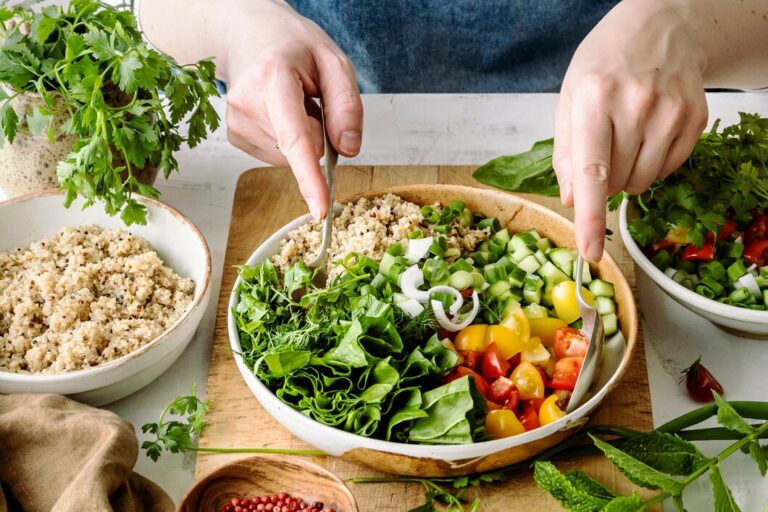
Combine cooked lentils with tomatoes, cucumber, parsley, roasted peppers, and lemon dressing.
The lentils provide iron while the vegetables and citrus add vitamin C.
Tofu and Broccoli Stir-Fry
Cook tofu with broccoli, bell peppers, mushrooms, and a flavorful sauce. Serve over rice or quinoa.
This provides a combination of protein, iron-containing plant foods, and vitamin C-rich vegetables.
Chickpea Hummus Wrap
Spread hummus onto a whole-grain wrap and add bell peppers, tomatoes, leafy greens, cucumber, and lemon juice.
This is a convenient lunch option with several plant-based iron sources.
Iron-Focused Oatmeal
Prepare oats with fortified plant milk and top them with pumpkin seeds, strawberries, kiwi, and nut butter.
This can make a simple breakfast more nutrient-dense.
Bean and Quinoa Salad
Combine black beans, quinoa, tomatoes, red peppers, corn, greens, and lime juice.
This is an easy make-ahead meal for lunch or dinner.
Iron for Vegans: Should You Take a Supplement?
Food should generally be the starting point for meeting nutritional needs, but supplementation can be appropriate in certain situations.
Taking iron supplements without knowing whether you need them is not always a good idea. Excessive iron intake can cause side effects and, in some circumstances, can be harmful.
If blood tests indicate iron deficiency or a healthcare professional identifies increased iron needs, they can recommend an appropriate supplement and dose.
This is particularly important during pregnancy or when someone has a history of anemia, significant menstrual blood loss, gastrointestinal problems, or another condition that may affect iron status.
For iron for vegans, the focus should therefore be on a combination of a varied diet, good meal planning, and professional guidance when needed.
Vegan Iron Sources for Beginners
If you are new to vegan eating, you do not need to completely redesign your diet overnight.
Start by adding one reliable iron-containing food to each major meal.
For breakfast, try fortified cereal or oats with seeds.
For lunch, use lentils, chickpeas, or beans.
For dinner, choose tofu, tempeh, beans, or another legume.
Add a vitamin C-rich food to these meals whenever practical.
This simple strategy makes vegan iron sources for beginners easier to understand and apply.
Instead of focusing on the question, “Which food provides the highest amount of iron?” ask:
“What combination of foods can help me regularly consume and absorb iron?”
That shift makes plant-based nutrition much more practical.
Final Thoughts
A well-planned vegan diet can include plenty of iron through legumes, soy foods, seeds, whole grains, vegetables, dried fruits, and fortified products. The most useful strategy is variety rather than dependence on one so-called superfood.
Choose best iron sources for vegans such as lentils, beans, tofu, tempeh, seeds, quinoa, oats, and fortified foods, then pair them with vitamin C-rich produce when possible. Pay attention to meal timing around tea and coffee, and use preparation methods such as soaking, cooking, sprouting, or fermentation to add variety and potentially improve mineral availability.
Ultimately, how to get enough iron on a vegan diet is about both intake and absorption. Building meals around reliable plant-based iron sources and including foods that improve iron absorption can make a vegan eating pattern more nutritionally thoughtful.
If you have symptoms or risk factors associated with low iron, dietary changes alone may not be enough. A healthcare professional can use appropriate blood testing to determine your iron status and advise whether additional treatment or supplementation is necessary.
About the Author