


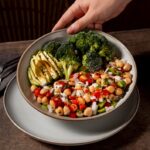

Starting a vegan diet for beginners can feel exciting, empowering, and even a little overwhelming. Whether you’re curious about a healthier lifestyle, want to reduce your environmental impact, or hope to explore a more ethical way of eating, transitioning to a vegan lifestyle is a big step.
This beginner vegan diet guide will show you what to eat on a vegan diet, which vegan foods to eat and avoid, how to confidently start a vegan diet, and what you can expect in the first few weeks.
From crafting a simple vegan meal plan for beginners to sharing practical vegan diet tips for newbies, this article walks you through everything you need to know about how to start a vegan lifestyle and enjoy a sustainable plant-based diet for beginners.
What Is a Vegan Diet? A Simple Explanation for Beginners
A vegan diet is a fully plant-based eating pattern that excludes all animal-derived foods. Instead, you focus on nutritious plant foods such as:
- Vegetables
- Fruits
- Whole grains
- Beans, lentils & legumes
- Nuts & seeds
- Plant-based milks and dairy alternatives
- Vegan meat alternatives
While vegetarian diets avoid meat, vegan diets go further by eliminating all animal products. Many people adopt veganism for health reasons, while others focus on environmental sustainability, animal welfare, or simply because plant-based eating feels better overall.
If you’re just starting a vegan diet, it’s important to understand that being vegan isn’t about perfection—it’s about progress. You don’t need to master everything at once. With the right beginner vegan diet guide, the process becomes much easier and far more enjoyable.
What to Eat on a Vegan Diet: Core Foods for Every Beginner
Learning what to eat on a vegan diet is the key to success. A well-planned vegan diet can be nutritious, flavorful, satisfying, and packed with variety. Here are the essential food groups you should include in your plant-based diet for beginners:
A. Fruits and Vegetables
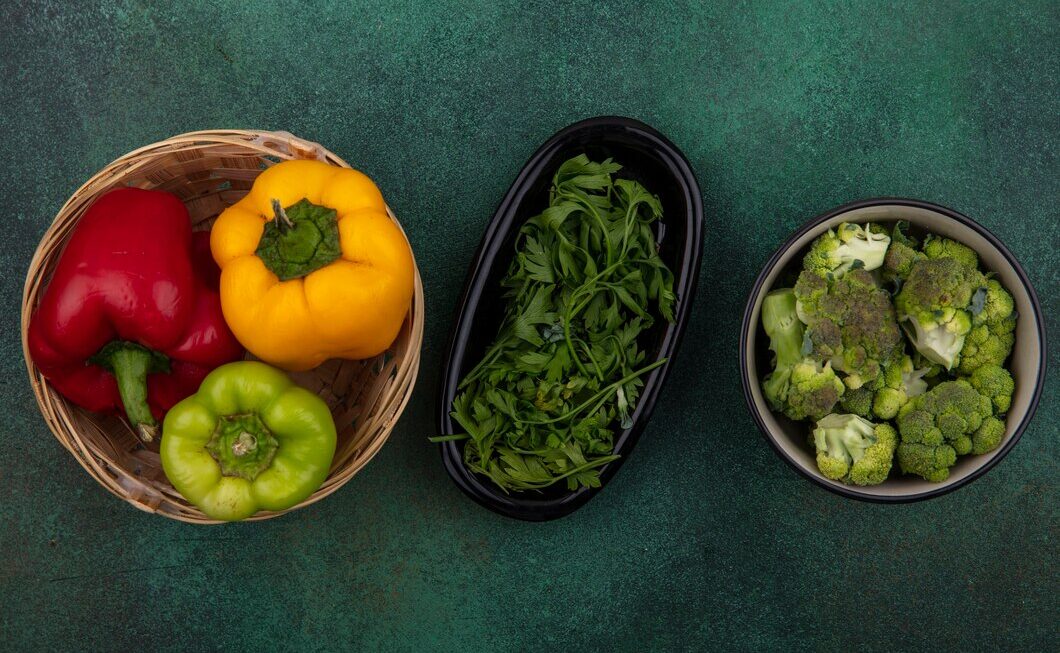
These are the foundation of every vegan diet. Aim for a rainbow of colors each week to get a wide variety of vitamins, minerals, antioxidants, and fiber.
- Leafy greens: spinach, kale, lettuce, chard
- Cruciferous veggies: broccoli, cauliflower, cabbage
- Root vegetables: carrots, beets, sweet potatoes
- Fruits: berries, apples, bananas, citrus fruits, mangoes, grapes
B. Whole Grains
Whole grains offer sustained energy, fiber, B-vitamins, and minerals.
- Brown rice
- Oats
- Quinoa
- Couscous
- Barley
- Whole wheat bread and pasta
C. Legumes (Beans, Lentils & Peas)
These are the backbone of plant-based protein. They keep you satisfied and play a key role in maintaining muscle health.
- Chickpeas
- Black beans
- Kidney beans
- Lentils
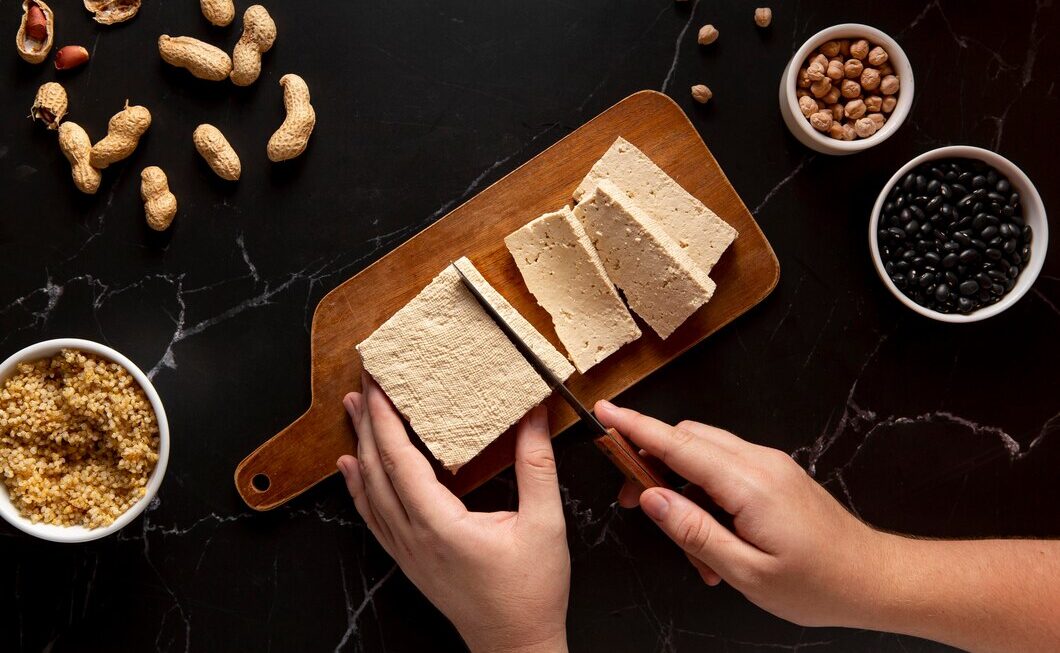
- Soybeans (tofu, tempeh, edamame)
D. Nuts and Seeds
Nutrient-dense and rich in healthy fats, nuts and seeds are important for brain health and energy levels.
- Walnuts
- Almonds
- Flaxseeds
- Chia seeds
- Sunflower seeds
- Pumpkin seeds
E. Healthy Fats
Healthy fats help with hormone balance, skin glow, heart health, and satiety.
- Avocados
- Olive oil
- Coconut
- Nut butters
- Seeds and seed oils
F. Plant-Based Alternatives
Modern vegan diets offer convenient alternatives for beginners:
- Almond, soy, oat, coconut, and cashew milk
- Vegan cheese, yogurt, butter
- Meat alternatives like tofu, tempeh, seitan, and plant-based meats
G. Fortified Foods
Look for products fortified with B12, Vitamin D, iodine, or calcium, especially if you follow a strict plant-based diet.
Together, these food groups create endless possibilities for delicious meals while meeting your nutritional needs. As you explore more vegan foods, you will learn what flavors you love most and how to build meals that energize your day.
Vegan Foods to Eat and Avoid: A Clear Beginner’s Checklist
When starting a vegan diet, it’s helpful to know exactly which foods are allowed and which are not.
✔ Vegan Foods to Eat
- Fruits and vegetables
- Beans, lentils, chickpeas, peas
- Whole grains
- Nuts and seeds
- Tofu, tempeh, seitan
- Plant-based dairy alternatives
- Plant-based meat substitutes
- Herbs, spices, and cooking oils
- Vegan snacks labeled “plant-based” or “vegan”
✘ Foods to Avoid
These contain animal products and are not part of a vegan diet:
- Meat: chicken, turkey, beef, pork, seafood
- Dairy: milk, cheese, butter, yogurt, ghee
- Honey
- Gelatin (found in marshmallows, gummy candies)
- Some breads
- Some wines and beers (check vegan-friendly labels)
- Processed foods using animal-based additives like whey, casein, lactose, or carmine
Understanding this list will help you quickly identify vegan-friendly choices while grocery shopping or eating out.
How to Start a Vegan Lifestyle: A Step-by-Step Guide
Knowing how to start a vegan lifestyle doesn’t mean changing everything overnight. You can transition smoothly with the following steps:
Step 1: Start with Familiar Foods
You don’t need exotic ingredients. Begin with foods you already enjoy—rice bowls, veggie stir-fries, dal, chickpea curry, salads, pasta, oats, smoothies.
Step 2: Make One Meal Vegan at a Time
Turn breakfast vegan for a week. Then focus on lunch. Then progress to dinner. Gradual transitions help build sustainable habits.
Step 3: Replace Instead of Remove
Instead of thinking about what you’re giving up, focus on delicious alternatives:
- Swap cow’s milk for almond or oat milk
- Replace eggs with tofu scramble
- Use vegan butter and cheese
- Try vegan burgers or sausages
Step 4: Learn Basic Vegan Cooking Techniques
Cooking at home helps you control ingredients and improve nutrition. Start with basics:
- Stir-fries
- Buddha bowls
- Smoothies
- Curries
- Soups
- Salads
- Overnight oats
Step 5: Get Comfortable Reading Ingredients
This is essential for beginners. Look for hidden animal ingredients like casein, whey, gelatin, lactose, and honey.
Step 6: Stock Your Pantry with Vegan Essentials
A well-stocked pantry ensures you will never run out of meal ideas. Items to include:
- Rice, quinoa, oats
- Beans, chickpeas, lentils
- Tomatoes (canned)
- Spices (turmeric, cumin, pepper, paprika)
- Almond milk
- Nuts and seeds
Step 7: Keep Healthy Vegan Snacks Handy
Snacking is part of a balanced lifestyle. Try:
- Nuts
- Fruit
- Popcorn
- Dark chocolate
- Hummus + veggies
- Granola bars (vegan certified)
Step 8: Stay Hydrated and Supplement Smartly
You may need certain supplements like Vitamin B12 or Vitamin D depending on your diet. Consult a nutritionist for personalized advice.
By following these steps, starting a vegan diet becomes smoother, enjoyable, and stress-free.
Vegan Meal Plan for Beginners: A Simple 7-Day Sample
A practical vegan meal plan for beginners helps you visualize what a typical week of plant-based eating looks like.
Day 1
Breakfast: Oatmeal with bananas & chia seeds
Lunch: Chickpea salad with greens
Dinner: Vegan stir-fried tofu with veggies
Day 2
Breakfast: Smoothie with spinach, berries, and almond milk
Lunch: Veggie pasta with marinara
Dinner: Lentil curry with rice
Day 3
Breakfast: Peanut butter toast + fruit
Lunch: Veggie wrap with hummus
Dinner: Vegan chili with beans
Day 4
Breakfast: Overnight oats
Lunch: Quinoa bowl with vegetables
Dinner: Sweet potato & black bean tacos
Day 5
Breakfast: Vegan yogurt with granola
Lunch: Roasted veggie sandwich
Dinner: Vegan biryani
Day 6
Breakfast: Green smoothie
Lunch: Chickpea curry
Dinner: Vegan pasta with veggies
Day 7
Breakfast: Fruit salad + nuts
Lunch: Buddha bowl
Dinner: Tofu stir-fry with noodles
This weekly plan gives you a balance of proteins, carbs, fats, vitamins, and minerals—perfect for anyone following a plant-based diet for beginners.
Vegan Diet Tips for Newbies: Things I Wish I Knew Earlier
Every journey gets easier when you learn tips from someone experienced. Here are practical vegan diet tips for newbies to help you avoid common mistakes:
1. Don’t Rely Too Much on Processed Foods
Vegan chips and mock meats are fun, but whole foods should be the base of your meals.
2. Try New Recipes Every Week
Exploring new flavors keeps the diet exciting.
3. Watch Your Protein Intake
Include beans, lentils, tofu, tempeh, and nuts in daily meals.
4. Eat Enough Calories
Plant foods are nutrient-dense but often lower in calories, so make sure to eat enough to feel satisfied.
5. Don’t Fear Carbs
Whole grains provide energy, fiber, and nutrients—embrace them!
6. Prepare Meals in Advance
Meal prep helps you avoid cravings for convenience foods.
7. Stay Social—but Prepared
Check menus before dining out to ensure vegan options.
8. Join Vegan Communities
Facebook groups, Instagram pages, and YouTube channels can offer inspiration and support.
9. Focus on Progress, Not Perfection
Occasional slip-ups are normal—what matters is your commitment.
10. Listen to Your Body
Your energy levels will guide you to adjust your meal portions and choices.
What to Expect When Starting a Vegan Diet: The First 30 Days
You might be curious about what happens once you adopt a vegan lifestyle. Here’s what you can expect physically, mentally, and emotionally:
Week 1: Increased Energy & Lightness
Many beginners report feeling less bloated and more energized due to increased fiber and hydration.
Week 2: Clearer Skin
Plant-based diets improve gut health and reduce inflammation, leading to clearer skin for many people.
Week 3: Better Digestion
Your gut microbiome begins to thrive on fiber-rich foods.
Week 4: Cravings Slow Down
After a few weeks, your body adapts and cravings for non-vegan foods fade.
Long-Term Benefits
- Lower chance of chronic diseases
- Improved heart health
- Weight management
- Enhanced mood
- Better sleep
- Increased longevity
Of course, every body is different. Some may need more adjustments. But overall, a plant-based diet for beginners can lead to significant improvements in well-being.
Common Mistakes Beginners Make—and How to Avoid Them
If you’re transitioning to a vegan lifestyle, avoid these pitfalls:
Mistake 1: Not Eating Enough Protein
Fix: Add tofu, lentils, beans, edamame, or tempeh to each meal.
Mistake 2: Forgetting Healthy Fats
Fix: Include avocado, olive oil, nuts, and seeds regularly.
Mistake 3: Skipping Supplements
Fix: Take vitamin B12 and consider vitamin D or omega-3s from algae.
Mistake 4: Eating Too Many Carbs Without Balance
Fix: Add veggies, proteins, and fats to each plate.
Mistake 5: Assuming All Vegan Foods Are Healthy
Fix: Prioritize whole foods over vegan junk food.
Knowing these helps you stay on track and build a nourishing diet.
Long-Term Tips for Thriving on a Vegan Diet
Once the basics feel natural, these long-term habits will help you grow in your vegan journey:
- Experiment with global cuisines (Indian, Thai, Mexican, Mediterranean)
- Build a rotation of go-to recipes
- Stay open to learning about ingredients
- Keep healthy snacks in your bag
- Choose whole grains over refined grains
- Add variety to ensure nutrient coverage
A vegan lifestyle is a long-term journey, and continuous learning is part of the fun.
Final Thoughts: Your Beginner Vegan Diet Journey Starts Today
Embracing a vegan diet is one of the best changes you can make for your health, the planet, and animal welfare. With this complete beginner vegan diet guide, you now understand what to eat on a vegan diet, the key vegan foods to eat and avoid, how to choose a balanced vegan meal plan for beginners, and What you might experience during the first few weeks. By following these vegan diet tips for newbies and applying a flexible approach to starting a vegan diet, your transition can be smooth, enjoyable, and truly life-changing.
A plant-based diet for beginners doesn’t need to be complicated. Start small, stay consistent, explore new flavors, and most importantly—enjoy the process.
Your vegan journey begins today… and every plant-powered choice counts.