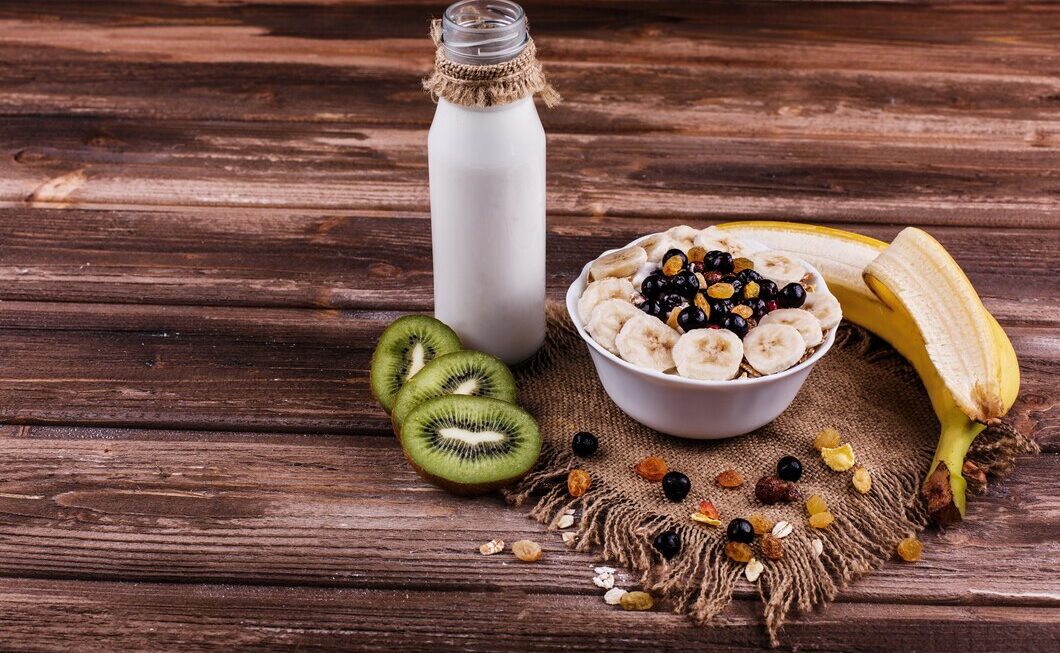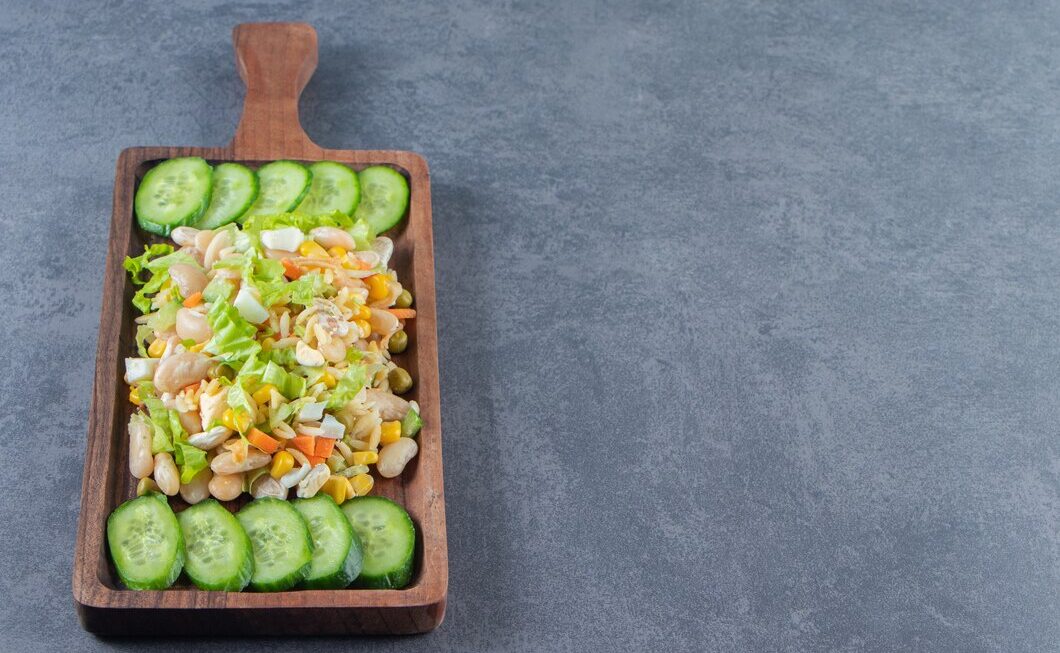

High-Protein Vegan Diet Plans for Athletes are gaining global recognition as more professionals and fitness enthusiasts adopt vegan diet plans for athletes to improve performance, recovery, and long-term health. A well-structured vegan protein diet for athletes, built around a plant-based high-protein diet, can support muscle growth, endurance, and strength just as effectively as animal-based nutrition.
With the right vegan athlete meal plan, strategic vegan protein sources for athletes, and smart vegan sports nutrition, athletes can fuel training using high-protein plant-based meals, efficient vegan meal prep for athletes, and science-backed vegan performance nutrition.
Whether the goal is muscle building, fat loss, or stamina, this guide explains how a vegan diet for strength training and a plant-based protein diet for endurance athletes can deliver elite results.
Understanding Protein Needs for Athletes on a Vegan Diet
Protein plays a central role in muscle repair, recovery, enzyme production, hormone balance, and immune function. Athletes place significantly higher demands on their bodies than sedentary individuals, making protein intake a critical part of any nutrition plan.
For vegan athletes, the challenge is not protein availability but proper planning. When approached strategically, a vegan protein diet for athletes can easily meet or exceed recommended protein intakes.
Recommended Protein Intake for Vegan Athletes
- Strength and power athletes: 1.8–2.4 g per kg body weight
- Endurance athletes: 1.6–1.8 g per kg body weight
- Recreational athletes: 1.4–1.6 g per kg body weight
A balanced plant-based high-protein diet ensures these needs are met without digestive overload or nutrient deficiencies.
Breaking the Myth: Is Plant Protein Enough for Athletes?
One of the most persistent misconceptions in sports nutrition is that plant protein is inferior. In reality, total daily intake, amino acid variety, and calorie adequacy matter far more than protein source alone.
Why Plant Protein Works
- Plant foods contain all essential amino acids when consumed in variety
- Protein combining improves amino acid profiles
- Higher fiber intake improves gut health and nutrient absorption
- Anti-inflammatory compounds enhance recovery
Modern vegan sports nutrition focuses on combining legumes, grains, seeds, and soy products to optimize muscle protein synthesis.
Best Vegan Protein Sources for Athletes
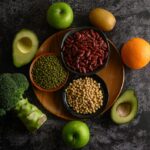
Choosing the right foods is the foundation of a successful vegan athlete meal plan. The following are top vegan protein sources for athletes, offering both quantity and quality.
Legumes
- Lentils
- Chickpeas
- Black beans
- Kidney beans
Rich in protein, fiber, and iron, legumes are essential for high-protein plant-based meals.
Soy-Based Foods
- Tofu
- Tempeh
- Edamame
- Soy milk
Soy is a complete protein and a cornerstone of many vegan diet plans for athletes.
Whole Grains
- Quinoa
- Oats
- Brown rice
- Buckwheat
Whole grains provide both protein and carbohydrates for energy.
Nuts and Seeds
- Almonds
- Peanuts
- Pumpkin seeds
- Chia seeds
- Hemp seeds
These foods add calorie density and healthy fats to a vegan protein diet for athletes.
Plant Protein Powders
- Pea protein
- Rice protein
- Soy protein
Useful for post-workout recovery and meeting higher protein targets.
Macronutrient Balance in Vegan Sports Nutrition
Protein is vital, but performance depends on balanced macronutrients.
Carbohydrates: Primary Fuel Source
Carbohydrates replenish glycogen stores and fuel high-intensity exercise. A plant-based protein diet for endurance athletes relies heavily on complex carbs like fruits, vegetables, and whole grains.
Fats: Recovery and Hormone Support
Healthy fats support joint health and inflammation control. Include:
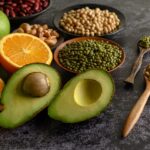
- Avocados
- Flaxseeds
- Walnuts
- Olive oil
A complete vegan performance nutrition plan balances all three macronutrients effectively.
Vegan Diet for Strength Training
Strength athletes often worry about muscle gain on a vegan diet. However, research and real-world results show that muscle hypertrophy is achievable with proper planning.
Key Principles for Strength Training
- Calorie surplus
- High protein intake
- Progressive overload in training
- Frequent meals
A vegan diet for strength training prioritizes dense protein foods such as tofu, seitan, lentils, and protein-enriched meals.
Sample Strength-Focused Protein Targets
- Breakfast: 30–40 g protein
- Lunch: 35–45 g protein
- Dinner: 35–45 g protein
- Snacks: 20–30 g protein
Plant-Based Protein Diet for Endurance Athletes
Endurance athletes require sustained energy, fast recovery, and efficient digestion.
Nutrition Priorities for Endurance Sports
- Higher carbohydrate intake
- Moderate protein intake
- Electrolyte balance
- Easy-to-digest foods
A plant-based protein diet for endurance athletes supports marathon runners, cyclists, swimmers, and triathletes by improving glycogen storage and reducing oxidative stress.
Timing Protein Intake for Maximum Results
Nutrient timing plays a key role in vegan sports nutrition.
Pre-Workout Nutrition
- Carbohydrates for energy
- Moderate protein
- Low fat for easy digestion
Post-Workout Nutrition
- 25–40 g protein
- Fast-digesting carbs
- Fluids and electrolytes
This approach enhances muscle recovery and adaptation.
Vegan Athlete Meal Plan (Sample Day)
A structured vegan athlete meal plan ensures consistency and performance.
Breakfast
- Oats with soy milk, chia seeds, peanut butter
- Protein: ~30 g
Lunch
- Quinoa bowl with lentils, roasted vegetables, tahini
- Protein: ~40 g
Snack
- Smoothie with banana, pea protein, flaxseed
- Protein: ~25 g
Dinner
- Tofu stir-fry with brown rice and vegetables
- Protein: ~45 g
Evening Snack
- Roasted chickpeas or plant-based yogurt
- Protein: ~20 g
Total protein: ~160 g (adjustable based on body weight)
Vegan Meal Prep for Athletes
Consistency is the secret weapon of successful athletes. Vegan meal prep for athletes saves time, reduces stress, and ensures nutritional targets are met.
Benefits of Meal Prep
- Consistent protein intake
- Better calorie control
- Reduced reliance on processed foods
- Improved recovery
Meal Prep Tips
- Cook legumes and grains in bulk
- Marinate tofu and tempeh ahead of time
- Portion meals based on training load
- Keep protein-rich snacks ready
Micronutrients in Vegan Performance Nutrition
A complete vegan performance nutrition plan includes key micronutrients.
Iron
Supports oxygen transport. Found in:
- Lentils
- Spinach
- Pumpkin seeds
Vitamin B12
Essential for nerve and blood health. Supplementation is recommended.
Omega-3 Fatty Acids
Reduce inflammation and support joint health. Found in flaxseed, chia seeds, and algae supplements.
Calcium and Vitamin D
Important for bone health and muscle function.
Hydration and Electrolytes for Vegan Athletes
Hydration affects endurance, strength, and recovery. Athletes should monitor:
- Sodium
- Potassium
- Magnesium
Natural sources include fruits, vegetables, coconut water, and mineral-rich foods.
Common Mistakes Vegan Athletes Should Avoid
Even the best vegan diet plans for athletes can fail if common mistakes occur.
Under-Eating Calories
Plant foods are filling but often low in calories. Athletes must eat enough to support training.
Ignoring Protein Distribution
Spreading protein evenly throughout the day improves muscle protein synthesis.
Poor Planning
Lack of preparation leads to inconsistent nutrition.
Benefits of High-Protein Plant-Based Meals for Athletes
Athletes who follow a plant-based high-protein diet often report:
- Faster recovery
- Reduced inflammation
- Better digestion
- Improved body composition
- Enhanced long-term health
These benefits make vegan nutrition a sustainable performance strategy.
Can Vegan Athletes Compete at Elite Levels?
Yes. Numerous elite athletes across bodybuilding, endurance sports, and team sports thrive on vegan diets. With proper planning, vegan sports nutrition supports peak physical output and longevity.
Long-Term Sustainability of a Vegan Protein Diet
A vegan protein diet for athletes is not just a short-term experiment. It promotes:
- Heart health
- Joint longevity
- Lower injury risk
- Reduced chronic inflammation
This makes it ideal for athletes aiming for long careers.
Final Thoughts: Building Success with Vegan Performance Nutrition
A well-designed High-Protein Vegan Diet Plan for Athletes is powerful, sustainable, and performance-driven. By focusing on quality vegan protein sources for athletes, structured vegan athlete meal plans, and consistent vegan meal prep for athletes, it is entirely possible to build muscle, improve endurance, and accelerate recovery on a plant-based diet.
When supported by evidence-based vegan performance nutrition, athletes can reach elite levels while supporting overall health and longevity—proving that strength, stamina, and success can thrive on plants.