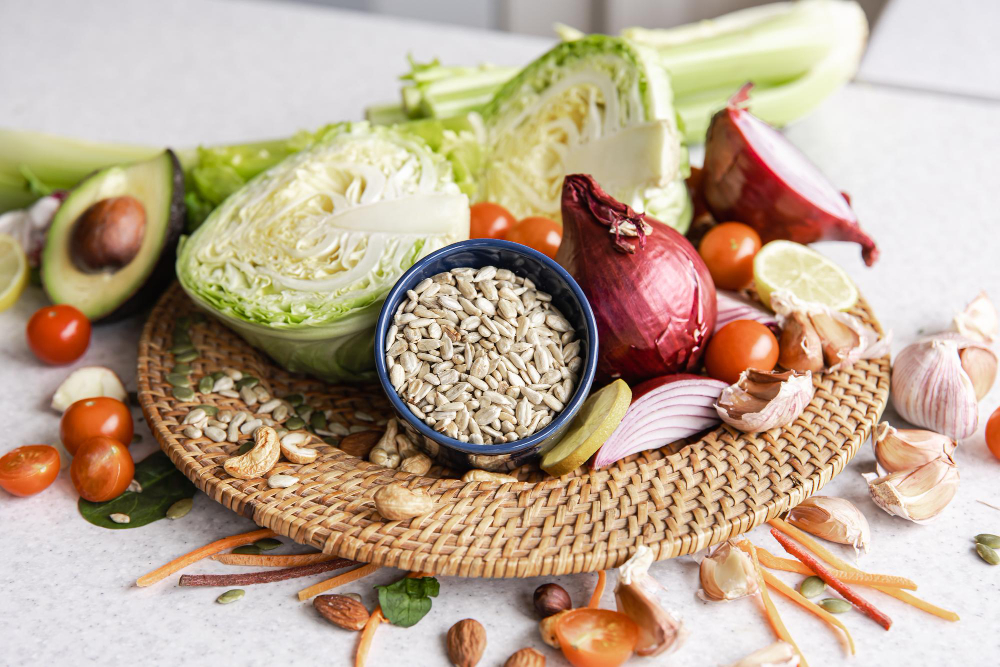
This report presents a comprehensive, multi-dimensional analysis of navigating the Vegan Diet for Allergies: Safe & Tasty Alternatives. Through five distinct perspectives—nutritional science, ethical advocacy, environmental impact, practical application, and cultural observation—we explore the complex intersection of plant-based eating and common food allergies (e.g., soy, nuts, gluten).
Key findings confirm that strategic planning is critical for safety and nutrition, ethical sourcing requires rigorous verification, the food industry is responding with innovative alternatives, and this necessity is driving significant culinary creativity. This analysis provides a holistic framework for safely and deliciously managing a multi-restricted vegan diet.
Nutritional Crossroads
The decision to adopt a vegan diet while managing allergies represents a demanding “Nutritional Crossroads.” Eliminating animal products while simultaneously avoiding major plant-based allergens (like soy, peanuts, or wheat) drastically reduces the pool of available ingredients, heightening the risk of micronutrient deficiencies. Specifically, the loss of common vegan staples like tofu (soy allergy) or fortified plant milks (nut/soy allergy) requires proactive substitution.
The strategic challenge is to use lesser-known alternatives—such as seed butters, ancient grains, and pea protein—to ensure sufficient intake of protein, calcium, iron, and Vitamin D, making safety and nutrient density the twin pillars of the meal plan.
LENS 1: Nutritional Analysis
The Nutritionist’s View: Engineering Allergen-Free Security
For the nutritionist, managing a multi-restricted vegan diet is about meticulous nutritional planning to prevent deficiency. The plan must focus on safe ingredient swaps that maintain the necessary nutrient profile, especially protein, healthy fats, and minerals often found in avoided foods.
“The primary nutritional concern when dealing with allergies like soy or nuts on a vegan diet is replacing high-quality, dense protein and fat sources,” states Dr. Naomi Singh, a registered dietitian specializing in complex dietary restrictions. “We must guide clients toward safe alternatives like sunflower seed butter (instead of peanut/almond butter), pumpkin seed protein, or using gluten-free ancient grains like amaranth and millet to ensure caloric and nutrient needs are met.”
Nutritional Deep Dive: Calcium and Protein Swaps
If nut and soy milks are avoided, the meal plan must feature alternatives: rice milk, oat milk, or coconut milk, ensuring these are properly fortified with Calcium and Vitamin D. Protein, typically covered by tofu or beans, must be supplemented by focusing on lentils, split peas, quinoa, and certified allergen-free protein powders (e.g., from hemp or cranberry). This detailed planning ensures nutritional security.
Common Misconceptions vs. Reality:
- Misconception: A vegan diet is already restrictive, making allergy management nearly impossible.
- Reality: The vegan diet is fundamentally based on whole foods, offering an inherently wide range of safe staples (most fruits, vegetables, beans, and seeds). Allergy management simply requires smarter choices within that vast availability.
Scientific Evidence diagram showing a cross-reference table of common vegan protein sources and which major allergens they are free from (e.g., Hemp: Free from Soy, Gluten, Nuts; Pea: Free from Soy, Gluten, Tree Nuts).
LENS 2: Ethical Framework
The Ethical Advocate’s Stance: Vigilance as an Act of Care
For the ethical advocate, managing allergies introduces a necessary layer of rigor regarding product sourcing and labeling. The ethical commitment is extended to demanding transparency and safety from manufacturers, ensuring that cross-contamination risks are minimized, which impacts not only the individual’s safety but also broader ethical consumerism.
“When planning an allergy-friendly vegan diet, vigilance becomes an ethical imperative,” explains David Hsu, an advocate for food safety and animal welfare. “We demand that companies prioritize not only vegan purity but also the integrity of their allergy warnings. Supporting companies with dedicated, allergen-free facilities reinforces ethical business practices that value human safety as highly as animal ethics.”
Critical Reassessment: Shared Facilities and Hidden Risk
The ethical advocate must critically reassess products made in shared facilities, where the risk of cross-contamination with non-vegan (dairy, egg) or major allergens (nuts, wheat) is high. This drives demand for specialized, “Free-From” certified brands, pushing the industry toward cleaner production methods beneficial to all consumers.
LENS 3: Environmental Impact
The Environmental Scientist’s Analysis: Specialty Crop Sustainability
The environmental perspective examines the ecological implications of relying on specialty crops and alternatives that are often needed in allergy-friendly vegan diets (e.g., rice, coconut, seeds). This may sometimes involve trade-offs related to monoculture or transport.
“The demand for allergy-friendly alternatives, like rice or coconut, has an environmental footprint that must be addressed,” notes Dr. Camila Perez, an environmental specialist. “While replacing water-intensive nut crops with seeds like hemp or sunflower can be an environmental win, reliance on specialty grains like quinoa or rice may raise concerns about water usage, soil depletion, or food miles if they are sourced exclusively from distant monocultures.”
Market Transformation Maps: The Seed Solution
The increased use of seeds (pumpkin, sunflower, hemp) as protein and fat sources in allergy-friendly recipes represents a positive Market Transformation. Seeds often require fewer resources than tree nuts and can be grown more regionally, reducing both water use and transportation impact. This shift encourages the development of more sustainable, regional specialty crops.
Hidden Benefits: Waste Reduction
The strictness of allergy management often leads to better inventory control and a near-zero tolerance for food waste, as every safe, purchased ingredient is highly valued and carefully consumed.
LENS 4: Practical Application
The Everyday Practitioner’s Experience: Mastering the Swap
For the everyday practitioner managing allergies on a vegan diet, meal planning is a non-negotiable strategy for day-to-day safety and reduced anxiety. The practical challenge is not just finding alternatives but mastering how those alternatives behave in recipes.
“The key to success is developing a reliable ‘Master Swap List’,” advises Emily Clark, a food blogger with multiple allergies. “If you are soy-free and nut-free, your meal plan must be pre-vetted. For example, knowing that tapioca or potato starch perfectly replaces the texture of vital wheat gluten in certain breads, or that sunflower seeds can be blended into a creamy sauce similar to cashews, is life-changing.”
Daily Impact: The Emergency Kit
The practical plan includes maintaining an “Allergy Emergency Kit”—a pre-packed bag of safe snacks (e.g., rice crackers, seed butter packets) for times when eating outside the home is necessary. This mitigates the social dynamics and practical dangers of unexpected eating situations.
Alternative Approaches: Focusing on Simple Staples
Many successful multi-restricted diets focus on naturally safe, unprocessed staples: all beans (except peanuts), all potatoes, all squash, and most fruits and vegetables. The plan relies on simple preparation of these ingredients to avoid processed foods where cross-contamination is common.
LENS 5: Cultural Significance
The Cultural Observer’s Perspective: The Normalization of Dietary Difference
The need to integrate a vegan diet with complex allergies highlights a growing cultural trend: the normalization and mainstream acceptance of complex dietary differences. The necessity of this planning fosters a culinary culture of radical inclusion and resourcefulness.
“The allergy-friendly vegan kitchen is a microcosm of future food culture,” observes Dr. Jason Wu, a sociologist studying modern consumption. “It proves that joy, flavor, and complex culinary outcomes are possible even with severe restrictions. This necessity has driven innovation in ingredients and recipes, enriching the entire food landscape.”
Turning Point Analysis: The Rise of Specialized Bakeries
A key turning point was the emergence of commercial bakeries and food companies dedicated to “Top 8 Allergen-Free” vegan products. This signaled that the market size and demand were significant enough to warrant dedicated, safe production, making a highly restrictive diet practical and sustainable.
Voice of Experience: Culinary Empowerment
“My allergies used to feel like a culinary prison,” shares chef and advocate Sarah Lee. “But adopting a planned, vegan diet forced me to explore safe ingredients like chickpea flour and sweet potato—now my cooking is more creative and more satisfying than ever before. The restriction became empowerment.”
PERSPECTIVE INTERSECTION MATRIX
- Nutrition (LENS 1) cap Practical Application (LENS 4): The nutritional requirement for high calcium (LENS 1) dictates the everyday practitioner’s need to find and consistently use safe, fortified milks or specific high-calcium greens in their recipes (LENS 4).
- Ethics (LENS 2) cap Cultural Significance (LENS 5): The ethical demand for ingredient transparency and safety (LENS 2) drives cultural innovation (LENS 5), leading to new brands and recipes that are both safe, vegan, and inclusive for all.
- Environmental Impact (LENS 3) cap Practical Application (LENS 4): The need for reliable, safe specialty ingredients (LENS 4) encourages the support of smaller, specialized farms or seed sources that may have better environmental controls than large commodity farms (LENS 3).
- Synthesis: The synergy between these lenses demonstrates that prioritizing safety and ethics leads to superior nutritional planning and fosters a highly resilient, innovative, and inclusive food culture.
MISCONCEPTION ANALYSIS
| Misconception | Reality |
| “Vegan food is naturally allergy-friendly.” | No. Many vegan staples are major allergens (soy, wheat/gluten, nuts). Careful label reading and planning are absolutely essential for safety. |
| “Allergy-friendly vegan food must be bland.” | This diet encourages the use of spices, herbs, lemon, lime, and vinegars, leading to bold, often more interesting flavors than those masked by dairy or heavy fats. |
| “It’s easier just to eat non-vegan, allergy-free food.” | While potentially easier to source, a non-vegan diet still presents ethical/health trade-offs. The structured, planned vegan diet offers superior long-term health and moral alignment. |
| “The cost of specialty allergy-free products is too high.” | While specialty convenience items are expensive, a plan focused on naturally safe whole foods (beans, rice, potatoes, seeds) is highly affordable. |
KEY TURNING POINTS
- The Rise of Seed-Based Foods (Mid-2010s): The popularization of hemp, sunflower, and pumpkin seeds as nutrient-dense, allergen-free alternatives provided crucial replacements for nut/soy products.
- Universal Labeling Laws (Ongoing Advocacy): Government mandates requiring clear labeling of the Top 8 or Top 14 allergens provided the legal and practical safety foundation for effective meal planning.
- The Gluten-Free Movement (2000s): The initial mainstreaming of gluten-free alternatives paved the way for acceptance and commercial availability of other allergen-free staples.
SYNTHESIS & RECOMMENDATIONS
Managing a vegan diet while navigating allergies is a complex task, but this multi-lens analysis confirms that strategic planning not only makes it safe but also leads to culinary excellence and robust nutritional health. The strict necessity of this diet drives innovation that benefits everyone.
Convergent Reflections: The need for safety (Nutrition) fuels ingredient innovation (Practical), which challenges manufacturers to adhere to higher ethical standards (Ethical). This creates a highly specific, but ultimately sustainable (Environmental), and inclusive (Cultural) food model.
Recommendations:
- Create a Safety Audit: Before starting your meal plan, list every food you cannot eat, then list 2-3 safe, nutrient-equivalent alternatives for protein and calcium.
- Batch Cook Safe Staples: Prepare large quantities of naturally safe foods like plain rice, cooked lentils, and roasted vegetables on a dedicated day to minimize daily preparation risk.
- Focus on Simple Cooking: Prioritize recipes with 5-7 whole-food ingredients to reduce the risk of hidden allergens or cross-contamination from pre-made components.
- Engage with the Community: Utilize online groups and forums dedicated to multi-restricted vegan diets for recipe ideas and brand safety updates—leveraging the collective experience.
FURTHER AREAS OF EXPLORATION
- The psychological burden of food allergy management and the role of meal planning in reducing anxiety.
- Case studies on the successful replacement of specific allergens (e.g., corn, sesame) in a vegan diet.
- The regulatory differences in allergen labeling between countries and their impact on planning.
- The use of specialized equipment (e.g., dedicated blenders) for cross-contamination prevention in the home kitchen.