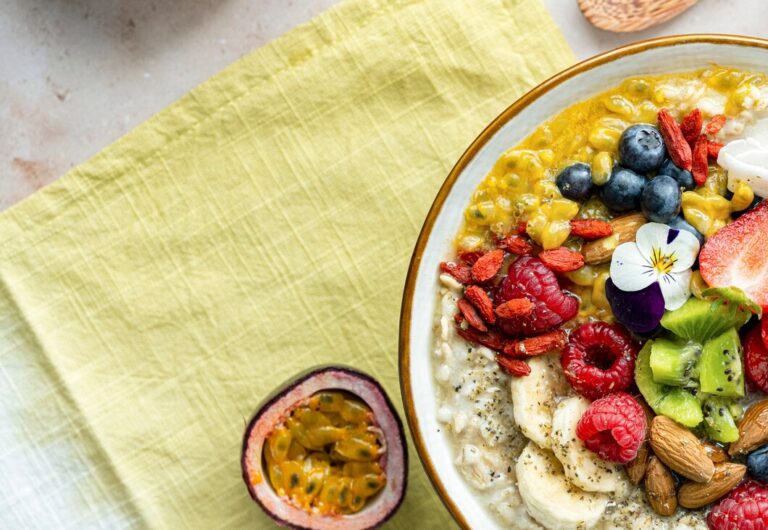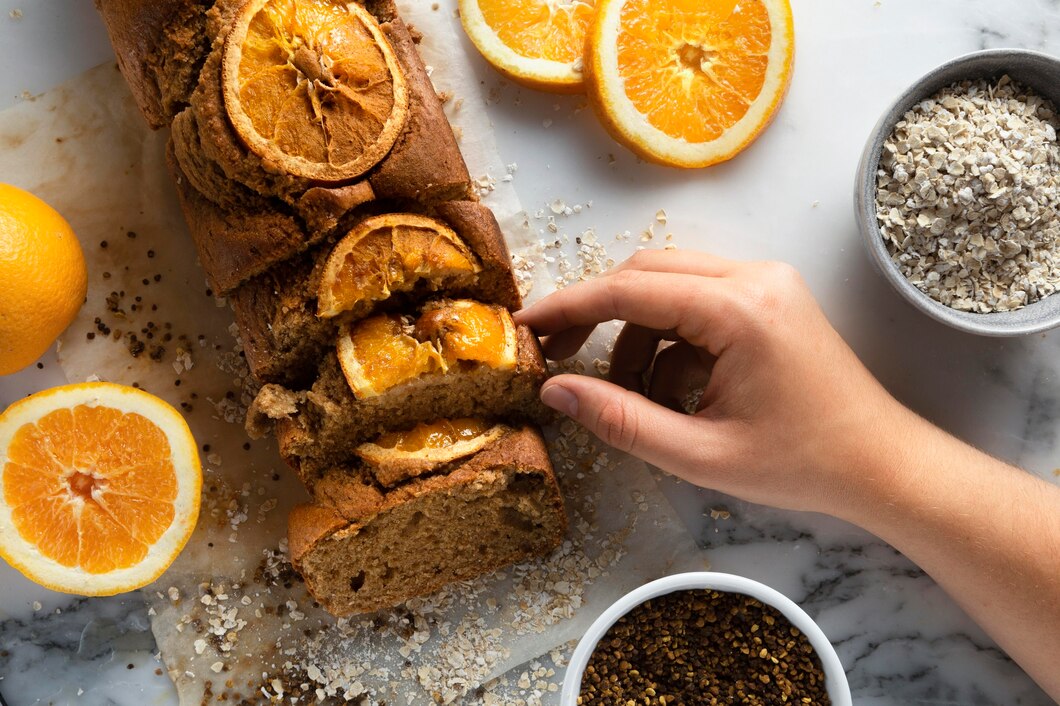
Gluten-free vegan baking brings together two baking styles to create delicious treats without traditional wheat-based ingredients or animal-derived ingredients. With the right techniques, gluten-free vegan desserts, gluten-free vegan recipes, and vegan gluten-free baking can be simple, satisfying, and suitable for many different preferences. From cookies and muffins to brownies and cupcakes, there are countless gluten-free vegan treats that can be made with accessible ingredients. Whether you are new to baking or already enjoy vegan baking recipes, understanding how gluten-free flours, plant-based ingredients, and natural binders work together can make homemade desserts much easier.
Baking without wheat and animal-derived ingredients may seem challenging at first, but it does not mean giving up flavor, texture, or creativity. In fact, easy gluten-free vegan desserts can be incredibly versatile. Once you understand the purpose of each ingredient, you can adapt traditional recipes and develop your own favorites.
What Is Gluten-Free Vegan Baking?
Gluten-free vegan baking combines two approaches: avoiding gluten-containing grains and using entirely plant-based ingredients.
Gluten is a naturally occurring protein present in grains like wheat, barley, and rye. Gluten-free baking therefore uses alternative ingredients such as rice flour, almond flour, oat flour, coconut flour, buckwheat flour, tapioca starch, potato starch, or carefully formulated gluten-free baking blends.
Vegan baking avoids ingredients derived from animals. Instead, recipes may use plant-based alternatives such as:
- Plant-based milk
- Applesauce
- Mashed banana
- Ground flaxseed
- Chia seeds
- Nut or seed butter
- Vegan butter
- Vegetable oils
- Aquafaba
- Plant-based yogurt
When these ingredients are combined correctly, they can produce delicious dairy-free gluten-free desserts and versatile plant-based desserts.
Why Try Gluten-Free Vegan Desserts?
There are many reasons people explore gluten-free vegan desserts. Some people avoid gluten because of dietary requirements, while others prefer plant-based eating. Others simply enjoy experimenting with different ingredients.
Combining both approaches can also encourage greater creativity in the kitchen.
Instead of relying on conventional wheat flour, bakers can explore:
- Almond flour
- Oat flour
- Coconut flour
- Rice flour
- Tapioca starch
- Cornstarch
- Buckwheat flour
- Gluten-free flour blends
Likewise, plant-based baking introduces ingredients that can add moisture, richness, sweetness, and structure.
The result is a world of gluten-free desserts that can be enjoyed by people with different dietary preferences.
Gluten-Free Vegan Baking for Beginners
If you are trying gluten-free vegan baking for beginners, start with recipes that require relatively few ingredients.
Cookies, muffins, snack bars, and simple brownies can be easier starting points than elaborate layered cakes.
A beginner-friendly recipe should ideally have:
- A straightforward ingredient list
- Easy-to-follow measurements
- A forgiving texture
- Familiar ingredients
- Simple preparation steps
It is also useful to follow a tested recipe closely when you are starting. Gluten-free and plant-based ingredients can behave differently from conventional baking ingredients, so changing several ingredients at once may affect the final result.
Once you become comfortable with the basics, you can begin experimenting.
Understanding Gluten-Free Flour
One of the most important parts of vegan gluten-free baking is choosing the right flour.
There is no single flour that behaves exactly like conventional wheat flour in every recipe. Different gluten-free flours have different characteristics.
Almond Flour
Almond flour is made from finely ground almonds. It can provide richness, moisture, and a slightly nutty flavor.
It works particularly well in cookies, cakes, muffins, and other soft baked goods.
Because almond flour is naturally rich in fat, recipes using it can have a tender texture.
Oat Flour
Oat flour is made by finely grinding oats that are specifically labeled gluten-free when necessary for dietary safety.
It has a mild flavor and works well in cookies, muffins, pancakes, and snack cakes.
Oat flour can create a soft and slightly hearty texture.
Coconut Flour
Coconut flour absorbs a significant amount of liquid compared with many other flours.
Because of this, it generally cannot be substituted one-for-one for another flour.
Recipes using coconut flour usually require additional liquid or other adjustments.
Gluten-Free Baking Blends
Pre-made gluten-free baking blends can be convenient for beginners because they often combine several different flours and starches.
A good blend may include ingredients such as rice flour, tapioca starch, potato starch, or other gluten-free components.
Always check the package instructions and choose a blend appropriate for the recipe.
Why Gluten-Free Flour Blends Matter
Gluten provides structure and elasticity in many traditional baked goods. Gluten-free recipes need other ingredients to create structure.
Combining different flours and starches can help balance:
- Texture
- Moisture
- Structure
- Flavor
- Tenderness
This is why simply replacing conventional flour with one gluten-free flour does not always produce the desired result.
For healthy gluten-free vegan baking recipes, the flour combination should complement the other ingredients.
Plant-Based Ingredients That Add Structure
Since traditional baking methods rely on ingredients that provide binding and structure, plant-based baking uses alternatives that can perform similar functions.
Some commonly used options include:
Ground Flaxseed
Ground flaxseed mixed with water can create a gel-like mixture that helps hold ingredients together.
Chia Seeds
Ground chia seeds can also absorb liquid and create a thick texture.
Applesauce
Applesauce can contribute moisture and softness to baked goods.
Mashed Banana
Mashed banana can provide moisture, natural sweetness, and binding.
Aquafaba
Aquafaba refers to the cooking liquid left from chickpeas and other legumes, which can be used as a versatile ingredient in recipes. It can be whipped or incorporated into recipes depending on the desired texture.
The best choice depends on the recipe.
Gluten-Free Vegan Baking Substitutes
Understanding gluten-free vegan baking substitutes makes it easier to adapt recipes.
For dairy ingredients, you can explore:
- Plant-based milk
- Coconut milk
- Soy milk
- Almond milk
- Oat milk
- Vegan yogurt
- Vegan butter
For conventional butter, vegan butter can provide richness and help create tender cookies, cakes, and pastries.
For other ingredients, fruit purées, seeds, starches, and nut butters can sometimes provide moisture or structure.
However, substitutions are not always interchangeable. Each ingredient affects a recipe differently, so it is best to make changes gradually.
How to Bake Gluten-Free Vegan Desserts
Learning how to bake gluten-free vegan desserts becomes easier when you understand the basic process.
Step 1: Read the Recipe
Before beginning, check all ingredients and instructions.
Step 2: Measure Carefully
Gluten-free baking can be sensitive to flour ratios. Accurate measurements are important.
Step 3: Prepare Your Ingredients
Bring ingredients to the recommended temperature and prepare any flax or chia mixture before mixing.
Step 4: Combine Dry Ingredients
Mix your gluten-free flour, starches, baking powder, baking soda, spices, and other dry ingredients evenly.
Step 5: Mix Wet Ingredients Separately
Combine plant-based milk, melted vegan butter, oil, fruit purée, or other wet ingredients.
Step 6: Combine Gently
Mix the wet and dry ingredients until the batter is properly combined.
Step 7: Bake at the Recommended Temperature
Gluten-free baked goods can behave differently in the oven, so follow the recipe’s temperature and timing.
Step 8: Allow Proper Cooling
Many gluten-free baked goods become firmer as they cool. Cutting them too quickly can cause them to crumble.
Easy Gluten-Free Vegan Cookies
Easy gluten-free vegan cookies are an excellent starting point for beginners.
A simple cookie formula might include:
- Gluten-free oat flour
- Almond flour
- Brown sugar or another sweetener
- Vegan butter
- Plant-based milk
- Baking powder
- Vanilla
- Chocolate chips suitable for a vegan diet
Mix the ingredients, shape the dough into small portions, and bake until the edges are lightly firm.
Allow the cookies to cool before moving them from the baking tray.
For variety, you can add:
- Cinnamon
- Chopped nuts
- Raisins
- Dried cranberries
- Coconut
- Dark chocolate pieces
These small additions can transform a basic recipe into several different gluten-free vegan treats.
Gluten-Free Vegan Brownies
Gluten-free vegan brownies can be rich, soft, and deeply chocolatey when the ingredients are balanced properly.
A basic brownie recipe might use:
- Gluten-free oat flour
- Cocoa powder
- Plant-based milk
- Vegan butter or neutral oil
- Sugar
- Vanilla
- Baking powder
- A small amount of salt
- Vegan chocolate
For a fudgier texture, avoid overbaking. Let the brownies cool before slicing.
You can also add walnuts, pecans, chocolate pieces, or a swirl of nut butter.
Gluten-Free Vegan Muffins
Gluten-free vegan muffins are convenient for breakfast, snacks, or desserts.
Popular flavors include:
- Blueberry
- Banana
- Apple cinnamon
- Chocolate
- Lemon
- Carrot
- Pumpkin spice
A basic muffin structure typically combines gluten-free flour, a liquid ingredient, a sweetener, a fat source, a leavening agent, and flavor ingredients.
Fruit can contribute natural sweetness and moisture.
For example, mashed banana can work especially well in banana muffins because it contributes both flavor and texture.
Gluten-Free Vegan Cakes and Cupcakes
Gluten-free vegan cakes and cupcakes can be made using carefully balanced flour blends and plant-based ingredients.
For a simple vanilla cake, you might use:
- Gluten-free flour blend
- Plant-based milk
- Vegan butter or oil
- Sugar
- Vanilla
- Baking powder
- A plant-based binder
Chocolate versions can include cocoa powder and vegan chocolate.
For frosting, options include:
- Vegan buttercream
- Coconut-based frosting
- Cashew frosting
- Chocolate ganache made with plant-based ingredients
- Fruit-based toppings
Always make sure packaged ingredients meet your dietary requirements.
Dairy-Free Gluten-Free Desserts
Dairy-free gluten-free desserts are easy to create when you understand plant-based substitutions.
Instead of conventional dairy ingredients, recipes can use:
- Almond milk
- Soy milk
- Coconut milk
- Oat milk
- Cashew cream
- Plant-based yogurt
- Vegan butter
For a creamy dessert, blended soaked cashews can provide a rich texture. Coconut milk can also work well in certain puddings, frozen desserts, and frostings.
Gluten-Free Vegan Desserts Without Dairy
When creating gluten-free vegan desserts without dairy, focus on ingredients that naturally provide creaminess and richness.
Nut butters can add richness to cookies and bars. Coconut milk can provide a creamy consistency. Mashed banana can contribute softness to cakes and muffins.
Plant-based yogurt can also help add moisture to certain baked recipes.
Experimenting with these ingredients can make vegan desserts more varied and interesting.
Gluten-Free Vegan Desserts Without Animal-Derived Ingredients
Many gluten-free vegan desserts without dairy and other animal-derived ingredients rely on simple pantry staples.
For example, a chocolate pudding might use plant-based milk, cocoa powder, a starch-based thickener, and a sweetener.
A fruit crumble might combine gluten-free oats, almond flour, fruit, cinnamon, and vegan butter.
A chocolate cookie might use oat flour, cocoa, plant-based milk, and vegan butter.
These recipes demonstrate that plant-based baking can be accessible without complicated ingredients.
Healthy Vegan Baking
Healthy vegan baking does not mean every dessert must be low-calorie or sugar-free. Instead, it can involve choosing ingredients that add nutritional value while maintaining enjoyable flavor.
Consider incorporating:
- Oats
- Nuts
- Seeds
- Fruit
- Whole-food ingredients
- Unsweetened plant-based milk
- Dark chocolate
- Natural spices
For example, adding mashed banana to muffins can provide flavor and moisture, while nuts and seeds can contribute healthy fats and minerals.
Moderation remains important because desserts are still treats.
Healthy Gluten-Free Vegan Baking Recipes
When developing healthy gluten-free vegan baking recipes, consider increasing the variety of nutrient-rich ingredients without sacrificing texture.
You might create:
- Oat and berry muffins
- Almond flour banana bread
- Seed-filled snack bars
- Apple cinnamon muffins
- Dark chocolate oat cookies
- Pumpkin spice loaf
- Nut and fruit crumble
Using fruit, nuts, seeds, oats, and other nutrient-dense ingredients can make desserts more satisfying.
Tips for Successful Gluten-Free Vegan Baking
Following a few tips for successful gluten-free vegan baking can make a significant difference.
Measure Accurately
Too much or too little flour can dramatically affect texture.
Avoid Overmixing
Once the ingredients are combined, excessive mixing may create a dense texture.
Let Batter Rest When Appropriate
Some gluten-free batters benefit from a short resting period because the flour and starches need time to absorb moisture.
Use the Right Pan
Pan size influences baking time and final texture.
Do Not Rush Cooling
Allow baked goods to cool properly before cutting.
Check Ingredients Carefully
Some packaged ingredients can contain unexpected gluten-containing additives or animal-derived ingredients.
Test One Substitution at a Time
If you change flour, sweetener, liquid, and fat simultaneously, it can be difficult to identify what affected the result.
Simple Gluten-Free Vegan Baking Ideas
If you need simple gluten-free vegan baking ideas, start with familiar flavors.
Banana Oat Muffins
Combine mashed banana, gluten-free oat flour, plant-based milk, cinnamon, and a suitable leavening agent.
Chocolate Almond Cookies
Use almond flour, cocoa powder, vegan butter, sweetener, and vanilla.
Apple Crumble
Combine sliced apples with cinnamon and a topping made from gluten-free oats, almond flour, and vegan butter.
Chocolate Brownies
Use cocoa powder, gluten-free flour, plant-based milk, vegan butter, and a suitable binder.
Berry Muffins
Add fresh or frozen berries to a basic gluten-free vegan muffin mixture.
These recipes provide a starting point for experimenting with flavors and textures.
Best Gluten-Free Vegan Desserts for Different Occasions
The best gluten-free vegan desserts depend on the occasion.
For breakfast, try muffins or banana bread.
For an afternoon snack, cookies or snack bars can work well.
For family gatherings, cakes and cupcakes offer easy serving options.
For celebrations, chocolate brownies, decorated cupcakes, or layered cakes can create a more festive dessert.
For casual evenings, a simple fruit crumble may be all you need.
The best dessert is often the one that fits your schedule and the preferences of the people eating it.
How to Make Gluten-Free Vegan Baking Easier
One of the easiest ways to make easy gluten-free vegan baking recipes more manageable is to keep a reliable pantry.
Useful ingredients include:
- Gluten-free flour blend
- Oat flour
- Almond flour
- Cocoa powder
- Gluten-free oats
- Plant-based milk
- Vegan butter
- Baking powder
- Baking soda
- Vanilla
- Cinnamon
- Chia seeds
- Ground flaxseed
- Nuts
- Seeds
- Dried fruit
Having these ingredients available means you can make many different desserts without making a special shopping trip every time.
Avoid Cross-Contact When Necessary
If you are preparing food for someone who needs to strictly avoid gluten, ingredient selection alone may not be enough.
Flour particles can remain on countertops, utensils, baking trays, mixers, and other kitchen equipment.
Use appropriate gluten-free ingredients and keep preparation surfaces and tools clean. Packaged products should also be checked carefully for labeling and allergen information.
This is especially important when baking for someone with a medical need to avoid gluten.
Make Baking a Creative Experience
One of the best parts of vegan gluten-free baking is experimenting.
Once you understand the basics, you can adjust flavors and textures.
Try combinations such as:
- Chocolate and orange
- Apple and cinnamon
- Lemon and blueberry
- Banana and walnut
- Pumpkin and spice
- Coconut and chocolate
- Raspberry and vanilla
- Peanut butter and chocolate
Spices can also completely change the character of a dessert.
Cinnamon, nutmeg, ginger, cardamom, and vanilla can add complexity without requiring complicated techniques.
Common Problems in Gluten-Free Vegan Baking
Gluten-free vegan desserts sometimes crumble, become dense, or dry out. These issues often occur because the recipe lacks enough structure, moisture, or binding.
If cookies crumble too easily, the recipe may need more moisture or a better binder.
If muffins are dense, the flour-to-liquid ratio or leavening may need adjustment.
If cakes become dry, they may have been overbaked or contain too much absorbent flour.
Coconut flour, for example, absorbs a lot of liquid, so replacing another flour with coconut flour without adjusting the recipe can lead to disappointing results.
Learning from these small mistakes is part of becoming a better baker.
A Beginner’s Approach to Plant-Based Desserts
If you are new to plant-based desserts, avoid starting with highly complicated recipes.
Choose one reliable cookie recipe and one muffin recipe first.
Once you understand how your ingredients behave, move on to brownies and cakes.
Keep notes about successful adjustments.
For example, you might record:
- Which flour blend worked best
- How long the recipe required
- Whether the texture was soft or crisp
- Which plant-based milk you used
- Whether the recipe needed more moisture
Over time, these notes can help you develop your own baking style.
Final Thoughts
Gluten-free vegan baking does not have to be complicated or restrictive. With a thoughtful combination of gluten-free flours, plant-based ingredients, natural binders, and simple baking techniques, you can create an impressive range of desserts for everyday enjoyment.
From easy gluten-free vegan cookies and gluten-free vegan muffins to gluten-free vegan brownies and gluten-free vegan cakes and cupcakes, there are plenty of possibilities to explore. Ingredients such as almond flour, oat flour, coconut flour, gluten-free flour blends, plant-based milk, and vegan butter can each contribute different textures and flavors.
The key to successful baking is understanding that gluten-free and plant-based ingredients behave differently from conventional baking ingredients. Measure carefully, follow recipes closely when beginning, make substitutions thoughtfully, and give baked goods enough time to cool.
Most importantly, do not be afraid to experiment. Gluten-free vegan treats can be colorful, flavorful, satisfying, and suitable for a wide range of preferences. Whether you want dairy-free gluten-free desserts, healthy vegan baking, or simple treats for friends and family, there are countless recipes waiting to be explored.
With practice, gluten-free vegan baking for beginners can quickly become an enjoyable kitchen skill. Start with simple recipes, learn how each ingredient works, and gradually develop your own collection of favorite gluten-free vegan recipes.
The result can be a baking style that is creative, inclusive, and delicious—proving that plant-based and gluten-free desserts can be enjoyed by everyone.
About the Author