Making thoughtful choices every day can have a meaningful impact on the environment, and sustainable vegan swaps are a practical place to begin. From replacing disposable household items with reusable options to choosing plant-based foods, cruelty-free products, and lower-waste alternatives, small changes can gradually create a more eco-friendly lifestyle. The goal is not perfection but progress. By choosing eco-friendly vegan swaps, supporting vegan eco-friendly products, and adopting habits that encourage sustainable living, anyone can move toward a more conscious and responsible way of life.
What Are Sustainable Vegan Swaps?
Sustainable vegan swaps are simple replacements that help reduce environmental impact while aligning everyday purchases and habits with a vegan or plant-based lifestyle. They can involve food, personal care, clothing, cleaning supplies, kitchen products, packaging, and household essentials.
For example, replacing disposable plastic bottles with a reusable bottle is both a waste-reduction choice and a practical step toward sustainable vegan living. Choosing plant-based fabrics instead of animal-derived materials can support vegan values while encouraging more thoughtful consumption.
These changes do not require completely redesigning your lifestyle overnight. In fact, the most effective approach is often to introduce easy sustainable vegan swaps gradually. When a reusable product becomes part of your normal routine, you no longer have to think about making the sustainable choice each time.
Why Everyday Swaps Matter
Modern lifestyles generate considerable amounts of packaging, food waste, disposable products, and unnecessary consumption. While individual choices cannot solve environmental problems alone, everyday purchasing decisions can influence demand and encourage companies to develop better alternatives.
A plant-based lifestyle already provides an opportunity to consider environmental effects beyond food. People can also think about how products are manufactured, packaged, transported, used, and eventually discarded.
This broader approach connects veganism with ethical consumerism, responsible purchasing, zero waste, and low-waste living. Instead of asking only whether an item is vegan, you can also ask:
- Is it reusable?
- Is it durable?
- Does it contain unnecessary plastic?
- Can the packaging be recycled or reused?
- Is the product cruelty-free?
- Does the company provide transparent information?
- Can I repair or refill it instead of replacing it?
These questions make it easier to choose sustainable alternatives for everyday products.
1. Choose Reusable Food Containers
One of the simplest vegan swaps for sustainable living is replacing disposable food packaging with reusable food containers.
Whether you pack lunch for work, store leftovers, or carry snacks while traveling, reusable food containers can reduce dependence on disposable packaging. Stainless steel, glass, and durable food-safe materials are popular choices.
For a more sustainable routine, choose containers that are:
- Durable enough for frequent use
- Easy to clean
- Suitable for your everyday needs
- Designed to last for years
- Available without unnecessary packaging
You do not need to throw away every container you already own. Using existing products until they wear out is often more sustainable than replacing them immediately with supposedly greener alternatives.
2. Replace Disposable Water Bottles
A reusable water bottle is another straightforward addition to an eco-friendly lifestyle. Instead of purchasing single-use bottled water throughout the day, carry a bottle that can be refilled.
Stainless steel and glass bottles can be useful long-term options. If you already have a durable plastic bottle, continue using it rather than replacing it simply because another material is marketed as more sustainable.
This is an important principle behind practical vegan swaps to reduce waste: use what you already own, buy less, and replace items only when necessary.
3. Try Bamboo Alternatives Carefully
Bamboo alternatives are frequently associated with sustainable living because bamboo is a rapidly renewable plant. Bamboo toothbrushes, utensils, storage products, and other household items can be useful alternatives to certain conventional products.
However, material alone does not determine whether something is genuinely sustainable. Consider the product’s durability, manufacturing process, packaging, transportation, and end-of-life options.
A bamboo product that breaks quickly and requires frequent replacement may not be better than a durable item you already own.
The best approach is to use bamboo where it makes sense rather than purchasing every product simply because it contains bamboo.
4. Explore Eco-Friendly Cleaning Products
Cleaning supplies are another area where eco-friendly vegan swaps for home can make a difference. Look for eco-friendly cleaning products that are vegan, cruelty-free, and available in recyclable, refillable, or minimal packaging when possible.
You can also simplify your cleaning routine. Instead of owning a separate product for every surface, investigate whether fewer versatile cleaners can meet your needs.
Refill systems can also help reduce packaging waste. Concentrated formulas that require dilution may reduce the amount of packaging associated with transporting ready-to-use products.
When choosing household cleaners, consider effectiveness and safety alongside environmental claims. A product should work well enough that you do not need excessive quantities or repeated applications.
5. Reduce Single-Use Kitchen Items
The kitchen is one of the easiest places to introduce everyday sustainable swaps.
Consider replacing disposable items with durable alternatives:
- Reusable cloths instead of disposable wipes
- Reusable storage bags instead of single-use bags
- Washable napkins instead of paper napkins
- Reusable containers instead of disposable takeaway boxes
- Refillable soap dispensers instead of repeatedly buying new bottles
- Durable utensils instead of disposable cutlery
These are among the best eco-friendly swaps for vegans because they combine convenience with waste reduction.
However, avoid turning sustainability into excessive shopping. If you already have usable kitchen products, continue using them until replacement becomes necessary.
6. Choose Plant-Based Food More Thoughtfully
Food is central to vegan living, but sustainability can go beyond simply avoiding animal products.
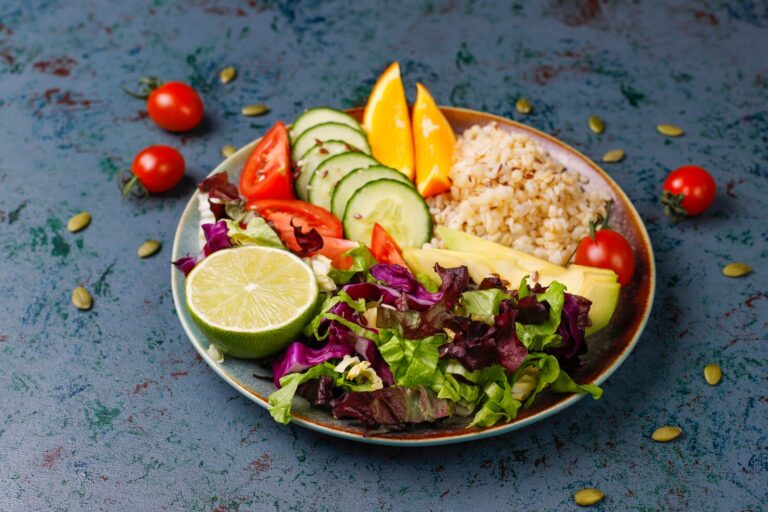
A more environmentally conscious plant-based diet can emphasize seasonal produce, minimally processed foods, locally available ingredients when practical, and meals that make good use of what you already have.
Beans, lentils, chickpeas, grains, vegetables, fruits, nuts, and seeds can form the foundation of many affordable plant-based meals.
Planning meals before grocery shopping can also reduce food waste. Check your refrigerator and pantry first, then build meals around ingredients that need to be used soon.
This is one of the most useful vegan lifestyle tips for combining a plant-based diet with sustainable habits.
7. Build a Low-Waste Grocery Routine
A grocery routine can become a powerful part of a zero waste vegan lifestyle.
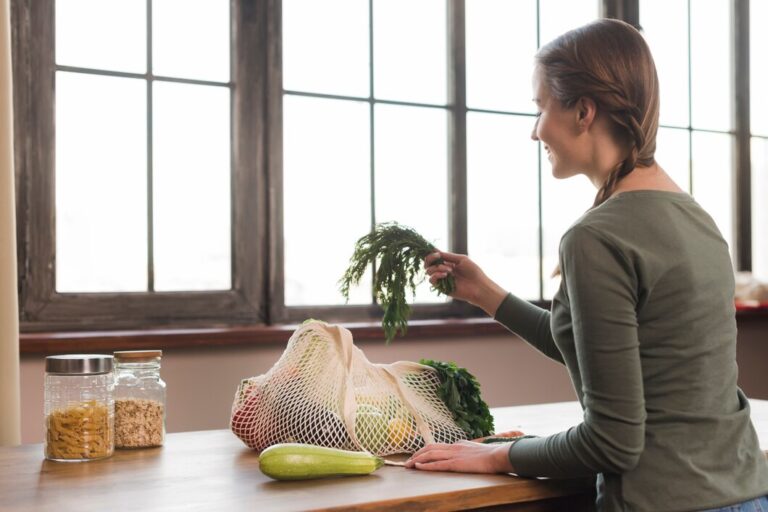
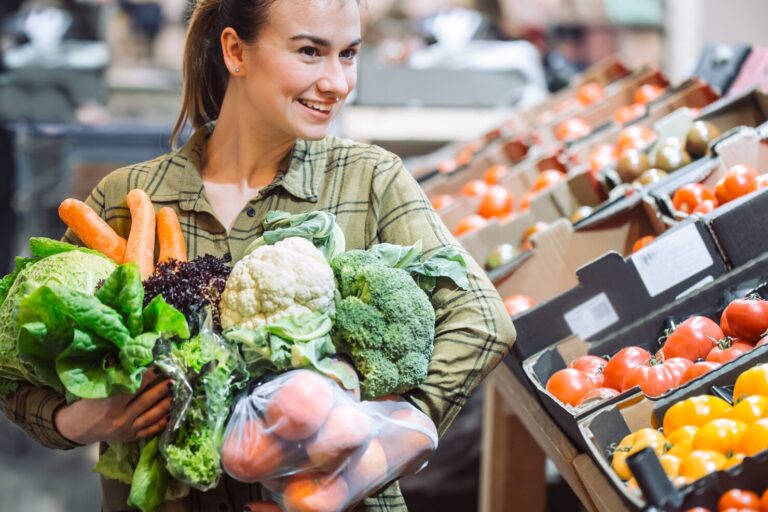
Take reusable shopping bags and consider reusable produce bags where appropriate. Buy quantities that you can realistically consume rather than purchasing large amounts simply because they appear economical.
When possible, choose products with less packaging. Bulk purchasing can sometimes reduce packaging, although it is not automatically more sustainable if the food is wasted.
The most sustainable grocery purchase is often the food that actually gets eaten.
Before shopping, ask yourself:
Do I need it? Will I use it? Is there already something at home that can do the same job?
These questions support low-waste vegan lifestyle tips without making daily life unnecessarily complicated.
8. Try Refillable Personal Care Products
Personal care products can generate significant packaging waste. Depending on availability in your area, consider refillable or package-light options for products such as soap, shampoo, conditioner, and skincare.
Solid personal care products can sometimes reduce packaging, while refill stations can allow you to reuse the same container multiple times.
Look for products that align with your priorities, such as vegan ingredients, cruelty-free products, responsible packaging, and transparent sourcing.
Again, do not replace perfectly usable products simply to create a more aesthetically pleasing sustainable bathroom. Use what you have first.
9. Choose Sustainable Clothing
Fashion is another important part of an eco-friendly vegan lifestyle. Traditional leather, wool, silk, and other animal-derived materials may not fit vegan values, but simply choosing a synthetic alternative does not automatically make a garment sustainable.
A better approach is to prioritize durability, timeless designs, responsible purchasing, and extended use.
Consider:
- Buying fewer garments
- Choosing durable materials
- Repairing damaged clothing
- Purchasing secondhand
- Donating or reselling usable items
- Avoiding unnecessary trend-driven purchases
- Looking for credible information about material sourcing and production
Sustainable clothing is ultimately about using garments thoughtfully and keeping them in use for as long as possible.
10. Discover Secondhand and Pre-Loved Options
Buying secondhand can be one of the most practical ways to support sustainable consumption. Clothing, furniture, books, kitchenware, and many household items can often be found pre-owned.
Secondhand shopping extends the useful life of existing products and can reduce the demand for newly manufactured goods.
This fits naturally into ethical vegan swaps because ethical consumption is not only about buying products with attractive sustainability labels. It can also mean buying less and making better use of resources that already exist.
11. Replace Disposable Coffee Cups
If you regularly purchase takeaway coffee or tea, carrying a reusable cup can reduce reliance on disposable cups.
Keep one in your bag, car, or workplace if that makes remembering it easier. The best reusable product is the one you actually use consistently.
This illustrates a broader lesson about easy swaps for a greener lifestyle: convenience matters. Sustainable habits are more likely to last when they fit naturally into your existing routine.
12. Reduce Paper Consumption
Digital documents can replace some paper-based materials, but digital consumption also has environmental costs. The goal should not be to move everything online automatically but to avoid unnecessary resource use.
For situations where paper is necessary, use both sides of sheets where practical, recycle appropriately, and choose recycled paper products when suitable.
At home, simple habits such as unsubscribing from unwanted physical mail and avoiding unnecessary printing can make a difference over time.
13. Use Reusable Shopping Bags
Reusable shopping bags have become a familiar sustainability choice, but their value depends heavily on repeated use.
Keep your bags somewhere visible so you remember them before leaving for the store. You can also keep a few in locations where you commonly need them.
Instead of collecting large numbers of reusable bags, maintain a small selection and use them regularly.
This reflects the principle of simple eco-friendly vegan lifestyle changes: sustainability works best when it becomes habitual rather than complicated.
14. Make Your Home More Sustainable
Creating a greener home does not require expensive renovations. Small changes can contribute to sustainable household swaps for vegans.
Start with areas where waste is most obvious. Look at your kitchen, bathroom, laundry routine, cleaning cupboard, and shopping habits.
Some useful changes include:
- Switching to reusable cleaning cloths
- Choosing refillable household products
- Repairing items instead of immediately replacing them
- Using reusable containers
- Avoiding unnecessary single-use products
- Selecting durable household goods
- Buying secondhand where appropriate
- Recycling according to local guidelines
These choices support both vegan values and broader environmental goals.
15. Make Laundry More Conscious
Laundry habits can also become part of sustainable vegan living. Washing clothes only when necessary, following care instructions, and avoiding unnecessarily high temperatures can help extend garment life and reduce resource use.
Choose laundry products that fit your preferences for vegan and cruelty-free formulations where possible.
Most importantly, take care of your clothes. Proper washing, drying, folding, and storage can help garments last longer, reducing the need to purchase replacements.
16. Consider Vegan Alternatives for Everyday Living
Veganism can extend beyond food. Bags, wallets, shoes, furniture materials, cosmetics, household goods, and personal accessories may all have animal-derived components.
When replacing these products, consider vegan alternatives for eco-friendly living that also prioritize durability and responsible manufacturing.
For example, a vegan bag that lasts for many years may be a more practical choice than repeatedly buying low-quality alternatives.
Look beyond labels and evaluate the entire product lifecycle whenever information is available.
17. Practice Zero-Waste Thinking Without Chasing Perfection
The idea of zero waste can be inspiring, but it can also become overwhelming. Very few people can eliminate all household waste, and attempting to do everything at once can make sustainable living unnecessarily difficult.
Instead, think in terms of waste reduction.
The traditional hierarchy is useful:
Refuse → Minimize → Repurpose → Fix → Recycle
Refusing unnecessary products is generally preferable to managing their waste later. Reducing consumption prevents waste before it exists. Reusing and repairing extend product life, while recycling can help recover materials when other options are no longer available.
This approach makes a zero waste vegan lifestyle more realistic and sustainable over the long term.
18. Choose Cruelty-Free Products
A vegan lifestyle often includes an interest in avoiding animal exploitation, making cruelty-free products an important consideration for many consumers.
When shopping for cosmetics, skincare, cleaning products, and personal care items, look for trustworthy information about animal testing and ingredients.
However, remember that “natural,” “green,” “clean,” and “eco” do not automatically mean vegan or cruelty-free. Read labels and investigate company claims when necessary.
19. Buy Less, Choose Better
One of the most powerful vegan eco-friendly products is the product you do not need to purchase.
Sustainable consumption is not simply about replacing every conventional product with a green alternative. Constantly buying new sustainable products can still lead to unnecessary consumption.
Before purchasing something, consider whether you need it, whether you already own something similar, whether you can borrow it, whether you can buy it secondhand, and whether the item is durable enough to justify its environmental footprint.
This mindset is central to how to live a more sustainable vegan lifestyle.
20. Create Your Own Sustainable Routine
The most successful sustainable vegan swaps for everyday living are the ones that become automatic.
You could begin with five habits:
- Carry a reusable water bottle.
- Use reusable shopping bags.
- Plan meals to reduce food waste.
- Choose vegan and cruelty-free household products.
- Repair or reuse items before replacing them.
Once these habits become comfortable, introduce additional changes.
You do not need to become perfectly zero-waste overnight. Sustainable living is a long-term process based on repeated decisions.
How to Choose Better Vegan Products
With so many products marketed as sustainable, it can be difficult to identify genuinely useful options. A few simple questions can help.
Look at durability: Will the product last?
Consider necessity: Do you actually need it?
Check materials: Are the materials suitable for your values and intended use?
Consider packaging: Can the packaging be reduced, reused, or recycled?
Research claims: Does the company provide meaningful information rather than vague environmental language?
Think about end of life: What happens when you no longer need the product?
These questions help distinguish genuinely useful environmentally friendly vegan products from items that simply use sustainability as a marketing message.
Sustainable Vegan Living on a Budget
Sustainable living does not have to mean buying expensive products.
Some of the most effective vegan lifestyle tips cost little or nothing. Cooking at home, reducing food waste, repairing clothes, using existing containers, buying secondhand, carrying reusable bags, and avoiding unnecessary purchases can all reduce consumption.
In many cases, sustainability is less about purchasing premium products and more about changing habits.
For example, you do not need a new collection of reusable containers if you already have suitable containers at home. You can start with what you own.
This makes sustainable vegan swaps accessible to more people.
Common Mistakes to Avoid
A sustainable vegan lifestyle can become less sustainable when consumption increases in the name of sustainability.
One common mistake is replacing everything at once. Another is buying products because they are marketed as “eco-friendly” without considering whether they are durable or necessary.
Other mistakes include:
- Treating recycling as the first solution
- Buying too many reusable products
- Throwing away functional items prematurely
- Assuming every natural material is automatically sustainable
- Ignoring product durability
- Purchasing more simply because an item is vegan
- Focusing on perfection instead of consistency
The better strategy is to make thoughtful, gradual improvements.
A Practical Approach to Everyday Sustainable Swaps
If you are wondering where to begin, start with the products you use most frequently.
For example, identify five disposable items you regularly purchase. Then determine whether they can be replaced with reusable or refillable alternatives.
Next, look at your food habits. Reduce food waste by planning meals, storing ingredients correctly, and using leftovers creatively.
Then examine your wardrobe. Wear what you already own, repair damaged pieces, and consider secondhand clothing before buying something new.
Finally, review your household products. Choose vegan, cruelty-free, durable, and lower-waste options when replacements are actually needed.
This step-by-step approach makes practical vegan swaps to reduce waste easier to maintain.
The Bigger Picture: Veganism and Sustainability
Veganism and sustainability overlap in many meaningful ways, but they are not exactly the same concept. A vegan product is not automatically environmentally superior, and an environmentally friendly product is not necessarily vegan.
The strongest approach is to consider multiple factors together: animal welfare, resource use, durability, waste, packaging, manufacturing, and responsible consumption.
That broader perspective creates a more thoughtful plant-based lifestyle and helps people make choices based on their individual circumstances.
Sustainable living is ultimately about using resources responsibly and avoiding unnecessary consumption.
Final Thoughts
Creating a greener lifestyle does not require perfection, expensive purchases, or dramatic changes. Sustainable vegan swaps can begin with simple choices such as using reusable food containers, reducing disposable packaging, choosing cruelty-free products, planning plant-based meals, repairing clothing, and purchasing fewer unnecessary items.
The most effective eco-friendly vegan swaps are those that become part of everyday life. Whether you are beginning your vegan journey or have followed a plant-based lifestyle for years, there are always practical ways to reduce waste and make more conscious decisions.
From reusable products and bamboo alternatives to eco-friendly cleaning products, secondhand clothing, refill systems, and low-waste grocery habits, small actions can build into a meaningful lifestyle.
The key is consistency. Instead of trying to transform everything at once, choose a few easy sustainable vegan swaps, use them repeatedly, and gradually expand your habits. By combining vegan choices with mindful consumption, reuse, repair, and waste reduction, you can create a more practical, responsible, and enjoyable approach to sustainable living.
About the Author