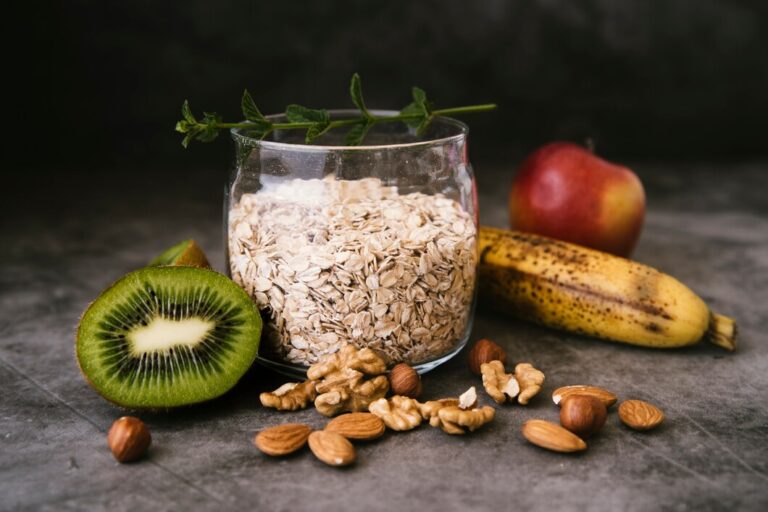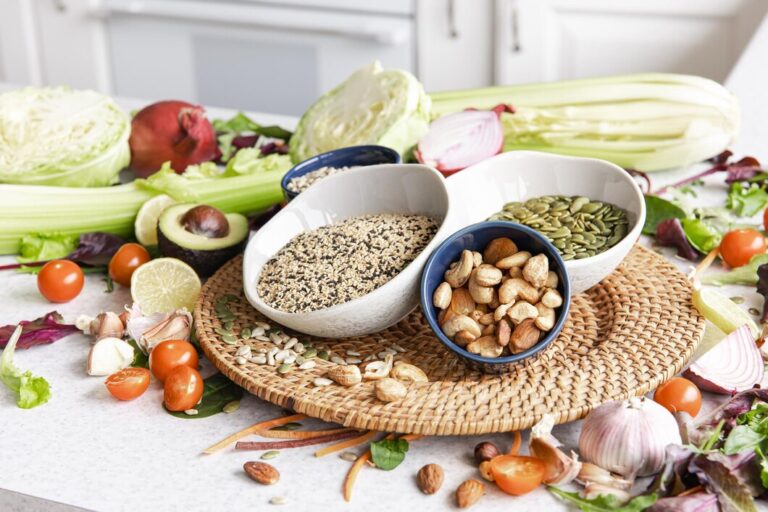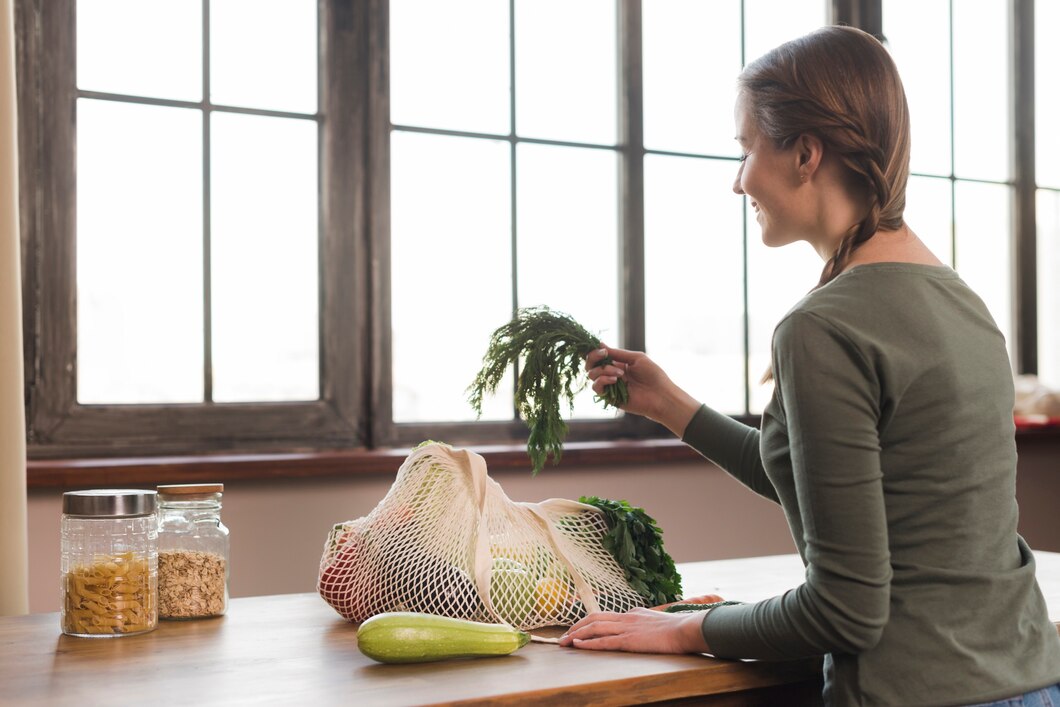
Creating an Eco-Conscious Vegan Kitchen is one of the most practical ways to protect the environment while supporting a compassionate lifestyle. Choosing plant-based foods already reduces your environmental footprint, but there are many additional steps you can take to reduce plastic waste and make your kitchen even more sustainable. A Plastic-free vegan kitchen focuses on minimizing single-use plastics, embracing a Sustainable vegan kitchen, following Eco-friendly kitchen tips, and building a Zero waste vegan kitchen that supports Vegan sustainable living. By adopting Eco-conscious cooking, choosing a Plastic-free lifestyle, practicing Sustainable kitchen practices, exploring Green kitchen ideas, investing in Eco-friendly food storage, and using Reusable kitchen products, you can create a healthier home while protecting the planet. Small changes made consistently can transform your kitchen into an environmentally responsible space that benefits both your family and future generations.
Why Plastic Waste Matters
Plastic has become part of almost every modern kitchen. Food packaging, disposable utensils, cling film, plastic storage bags, bottles, and takeaway containers often end up in landfills or oceans after a single use. While some plastics are recyclable, many are not recycled properly, leading to long-term environmental pollution.
Plastic can take hundreds of years to decompose. During this time, it breaks down into microplastics that contaminate soil, waterways, and marine ecosystems. Wildlife often mistakes plastic for food, causing injury or death.
For people following a vegan lifestyle, reducing plastic waste complements the goal of minimizing harm to animals and the environment. Building an environmentally friendly kitchen is another meaningful step toward sustainable living.
Benefits of a Sustainable Vegan Kitchen
Creating a sustainable kitchen offers more than environmental benefits. It can also improve organization, reduce household expenses, and encourage healthier cooking habits.
Some of the biggest advantages include:
- Less household waste
- Lower dependence on disposable products
- Better food storage
- Reduced food waste
- Cleaner kitchen organization
- Long-term cost savings
- Lower environmental impact
- Healthier cooking routines
- Support for zero waste living
A kitchen designed around reusable products becomes simpler, cleaner, and more efficient over time.
1. Replace Single-Use Plastic Bags
One of the easiest ways to reduce kitchen plastic is by eliminating disposable plastic bags.
Instead, choose:
- Organic cotton produce bags
- Mesh shopping bags
- Cloth bread bags
- Silicone reusable storage bags
- Glass containers for leftovers
These reusable alternatives last for years and significantly reduce household waste.
This simple habit is one of the easiest answers to How to reduce plastic waste in the kitchen.
2. Choose Glass Food Storage Containers
Plastic containers often stain, crack, and absorb food odors over time.
Glass containers offer several advantages:
- Longer lifespan
- Easy cleaning
- Microwave safe (when appropriate)
- Oven safe (many models)
- Better food preservation
- No plastic odors
Using glass is one of the best Plastic-free food storage ideas for an eco-conscious kitchen.
3. Buy Fresh Produce Without Plastic Packaging
Many grocery stores now offer unpackaged fruits and vegetables.
When shopping:
- Bring reusable produce bags.
- Buy loose vegetables.
- Skip individually wrapped produce.
- Visit local farmers’ markets.
- Support refill stores when available.
Fresh produce without unnecessary packaging reduces household plastic while supporting local agriculture.
4. Store Pantry Foods in Reusable Containers
Rice, lentils, oats, beans, pasta, flour, and nuts are staples in many vegan kitchens.
Instead of storing them in their original plastic packaging, transfer them into:
- Glass jars
- Stainless steel containers
- Ceramic storage jars
Clear containers also make pantry organization easier and reduce food waste because ingredients remain visible.
5. Stop Using Plastic Wrap
Plastic wrap is commonly used once before being thrown away.
Better alternatives include:
- Beeswax-free vegan food wraps made from plant-based waxes
- Silicone stretch lids
- Glass containers with lids
- Stainless steel lunch boxes
- Reusable food covers
Making this switch supports Plastic-free cooking while reducing daily waste.
6. Carry Reusable Shopping Bags
Every grocery trip presents an opportunity to reduce plastic consumption.
Keep reusable bags:
- In your car
- Near the front door
- Inside your backpack
- Folded inside your handbag
Reusable shopping bags quickly become second nature and prevent hundreds of disposable bags from entering the waste stream each year.
7. Buy in Bulk Whenever Possible
Bulk shopping reduces packaging while saving money.
Common vegan pantry items suitable for bulk buying include:
- Chickpeas
- Lentils
- Brown rice
- Oats
- Quinoa
- Beans
- Seeds
- Dried fruit
- Nuts
Bring your own clean jars or cloth bags when stores allow reusable containers.
Bulk buying is a core practice in a Zero waste vegan kitchen.
8. Compost Food Scraps
Not all kitchen waste belongs in the trash.
Compost materials include:
- Vegetable peels
- Fruit scraps
- Coffee grounds
- Tea leaves
- Eggshell alternatives are not relevant for vegan households, but plant scraps work perfectly.
- Garden trimmings
Composting transforms kitchen scraps into nutrient-rich material for gardens while reducing landfill waste.
9. Replace Plastic Cleaning Tools
Kitchen cleaning supplies often contain hidden plastic.
Swap them for:
- Wooden dish brushes
- Coconut fiber scrubbers
- Natural cellulose sponges
- Compostable cleaning cloths
- Reusable cotton towels
These alternatives last longer and create less waste than disposable plastic sponges.
10. Cook More Meals at Home
Preparing meals at home reduces takeaway packaging, disposable utensils, and plastic containers.
Home cooking also allows you to:
- Buy ingredients in larger quantities
- Plan meals efficiently
- Store leftovers properly
- Reduce unnecessary packaging
Regular home cooking naturally supports an Eco-friendly vegan lifestyle while lowering household waste.
11. Invest in High-Quality Reusable Kitchen Products
One of the best ways to reduce waste is to buy fewer items that last longer. Instead of frequently replacing inexpensive plastic kitchen tools, invest in durable alternatives made from natural or recyclable materials.
Excellent Reusable kitchen products include:
- Stainless steel measuring cups
- Bamboo cooking utensils
- Wooden cutting boards
- Glass mixing bowls
- Stainless steel water bottles
- Cloth napkins
- Reusable silicone baking mats
- Metal straws
Although reusable products may cost more initially, they usually last for years, making them both economical and environmentally responsible.
12. Organize Your Kitchen to Prevent Food Waste
Food waste is another environmental challenge that often goes hand in hand with excessive packaging. An organized kitchen helps you use ingredients before they spoil.
Some practical Vegan kitchen organization without plastic ideas include:
- Store grains in labeled glass jars.
- Keep older ingredients at the front of shelves.
- Group similar pantry items together.
- Freeze leftovers before they expire.
- Plan weekly meals using existing ingredients.
A well-organized kitchen saves money, reduces waste, and makes everyday cooking easier.
13. Choose Homemade Instead of Packaged Foods
Many packaged vegan foods come wrapped in plastic. While convenience is sometimes necessary, preparing basic foods at home can significantly reduce packaging waste.
Try making your own:
- Plant-based milk
- Granola
- Hummus
- Nut butter
- Salad dressings
- Energy bites
- Vegetable broth
- Smoothie packs
Home-cooked meals typically require less packaging, contain fewer artificial ingredients, and allow you to choose exactly what goes into your food.
14. Switch to Eco-Friendly Cleaning Products
Kitchen sustainability goes beyond food preparation. Traditional cleaning products often come in disposable plastic bottles and contain chemicals that may affect waterways.
Instead, consider:
- Refillable cleaning concentrates
- Vinegar-based cleaning solutions
- Baking soda for scrubbing
- Castile soap
- Compostable dishcloths
- Refillable spray bottles
These simple Eco-friendly kitchen swaps for vegans help reduce plastic consumption while keeping your kitchen clean.
15. Create Daily Sustainable Cooking Habits
Sustainability isn’t about being perfect. It’s about making better choices consistently.
Healthy Sustainable cooking habits for everyday life include:
- Cooking only what you’ll eat
- Saving leftovers
- Using vegetable scraps for homemade broth
- Freezing excess produce
- Bringing reusable containers for takeout
- Planning grocery shopping carefully
Small daily habits have a significant environmental impact over time.
Sustainable Vegan Kitchen Essentials
If you’re wondering what belongs in a truly sustainable vegan kitchen, start with these essentials:
Food Storage
- Glass jars
- Glass food containers
- Stainless steel lunch boxes
- Silicone storage bags
Cooking Equipment
- Cast iron cookware
- Stainless steel pots
- Ceramic baking dishes
- Bamboo utensils
Shopping Essentials
- Cloth shopping bags
- Produce bags
- Reusable coffee cups
- Stainless steel water bottles
Cleaning Supplies
- Wooden brushes
- Natural scrubbers
- Compostable sponges
- Refillable soap dispensers
These Sustainable vegan kitchen essentials support long-term waste reduction without sacrificing convenience.
Best Reusable Alternatives to Plastic in the Kitchen
Finding practical replacements for disposable plastics doesn’t have to be difficult. Many eco-friendly alternatives perform just as well, if not better.
| Plastic Item | Sustainable Alternative |
| Plastic wrap | Silicone lids or plant-based reusable wraps |
| Plastic bags | Cloth produce bags or silicone storage bags |
| Plastic bottles | Stainless steel or glass bottles |
| Plastic utensils | Bamboo or stainless steel utensils |
| Plastic containers | Glass or stainless steel containers |
| Paper towels | Washable cloth towels |
| Plastic straws | Stainless steel or bamboo straws |
| Disposable cups | Reusable travel mugs |
Making one swap at a time makes the transition easier and more affordable.
How to Create a Sustainable Vegan Kitchen
Many people assume creating a sustainable kitchen requires replacing everything at once. In reality, gradual improvements are often the most practical and affordable approach.
Here are some steps to How to create a sustainable vegan kitchen:
Start With What You Already Own
The most sustainable product is often the one you already have. Continue using existing containers and kitchen tools until they wear out instead of replacing them unnecessarily.
Buy Less
Before purchasing new gadgets, ask yourself whether you truly need them. Minimalism naturally supports sustainability.
Shop Local
Buying fruits, vegetables, herbs, and grains from local markets often reduces transportation emissions and unnecessary packaging.
Support Ethical Brands
Choose companies that prioritize recyclable packaging, renewable materials, and environmentally responsible manufacturing.
Repair Instead of Replace
When possible, repair kitchen equipment rather than throwing it away. This reduces waste and extends the life of useful products.
Green Living Tips for Vegan Households
A sustainable kitchen is only one part of an environmentally friendly home. Extend your efforts throughout your household by practicing these habits:
- Turn off lights when leaving a room.
- Use energy-efficient appliances.
- Wash dishes with full loads.
- Air-dry dishes when possible.
- Reduce water waste while cooking.
- Grow herbs at home.
- Recycle responsibly.
- Donate unused kitchen items.
- Avoid impulse purchases.
These Green living tips for vegan households complement a plant-based lifestyle and reduce your overall environmental footprint.
Common Mistakes to Avoid
Even people with good intentions sometimes develop habits that create unnecessary waste.
Some common mistakes include:
Buying Too Much Food
Overbuying often leads to spoiled produce that ends up in the trash.
Choosing Convenience Too Often
Pre-cut vegetables, individually wrapped snacks, and single-serving items usually generate more packaging.
Ignoring Food Storage
Improper storage shortens the life of fresh fruits and vegetables.
Replacing Everything Immediately
Throwing away usable plastic products simply to buy eco-friendly alternatives creates additional waste. Instead, replace items gradually as they wear out.
Forgetting Reusable Bags
Keeping extra shopping bags in your vehicle or backpack makes it easier to avoid disposable plastic bags.
Easy Ways to Make Your Kitchen More Eco-Friendly
If you’re looking for Easy ways to make your kitchen more eco-friendly, start with these manageable actions:
- Carry reusable grocery bags.
- Replace plastic bottles with refillable ones.
- Store leftovers in glass containers.
- Compost fruit and vegetable scraps.
- Plan meals before grocery shopping.
- Buy seasonal produce.
- Avoid disposable cutlery.
- Choose reusable cleaning cloths.
- Purchase pantry staples in bulk.
- Reduce food waste through meal planning.
Each habit may seem small, but together they create meaningful environmental benefits.
The Connection Between Vegan Living and Sustainability
Veganism and sustainability naturally support one another. While a vegan diet focuses on avoiding animal products, a sustainable lifestyle expands that commitment to reducing environmental impact in every aspect of daily life.
Combining Eco-friendly cooking, Sustainable home living, Plastic-free lifestyle, and thoughtful consumption creates a more holistic approach to protecting natural resources.
An eco-conscious vegan kitchen is not about perfection. It is about making informed choices that reduce waste, conserve resources, and encourage responsible consumption.
Frequently Asked Questions
Is it expensive to create a plastic-free vegan kitchen?
Not necessarily. Many sustainable habits, such as buying in bulk, reducing food waste, cooking at home, and reusing containers, actually save money over time.
Do I need to throw away all my plastic containers?
No. Continue using existing containers until they reach the end of their useful life. Replacing usable items immediately creates unnecessary waste.
What is the easiest first step?
Start by carrying reusable shopping bags and replacing disposable plastic bottles with reusable alternatives. These simple changes are affordable and have an immediate impact.
Can children help?
Absolutely. Children can help organize reusable containers, compost food scraps, carry reusable shopping bags, and learn sustainable habits that will benefit them throughout life.
Conclusion
Building an Eco-Conscious Vegan Kitchen is one of the most rewarding ways to support both your health and the environment. By choosing to Reduce plastic waste, embracing a Plastic-free vegan kitchen, adopting Sustainable kitchen practices, and following Eco-conscious vegan kitchen tips, you can create a home that reflects your values while reducing your environmental footprint. Whether you focus on Plastic-free food storage, Reusable containers, Eco-friendly food storage, or simple Green kitchen ideas, every small improvement contributes to a cleaner planet.
Remember that sustainability is a journey, not a destination. The goal isn’t perfection but progress. By making thoughtful choices, reducing single-use plastics, practicing Zero waste living, encouraging Sustainable food preparation, following Vegan eco-friendly habits, and embracing an Eco-friendly vegan lifestyle, you can enjoy a kitchen that is practical, organized, and environmentally responsible. Over time, these everyday actions become lasting habits, proving that even the smallest changes can create a meaningful impact for your home, your community, and the planet.
About the Author