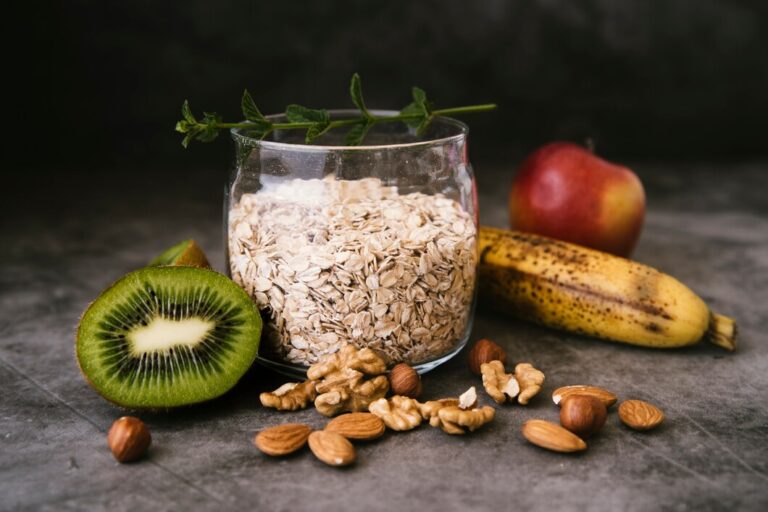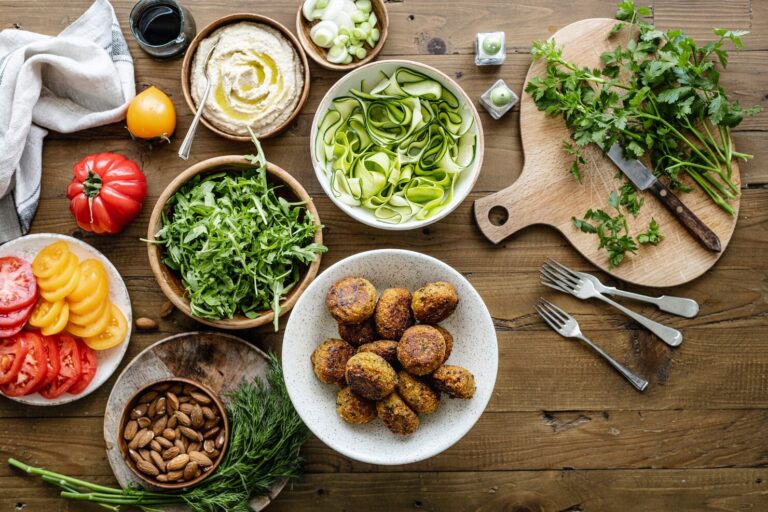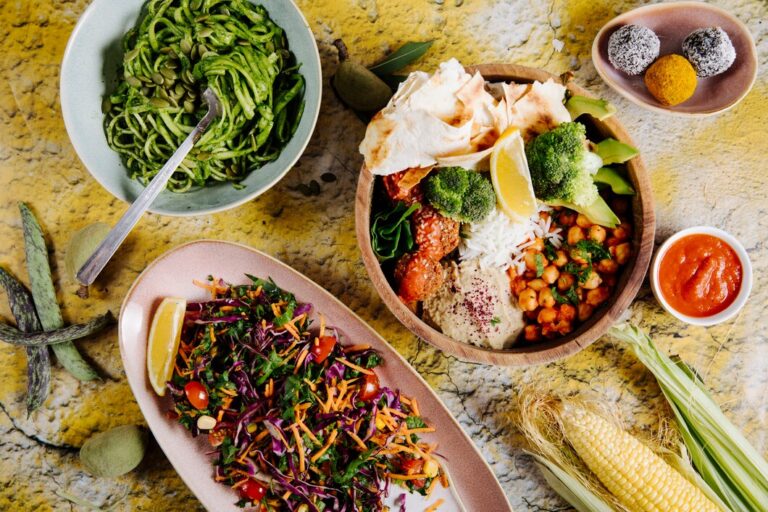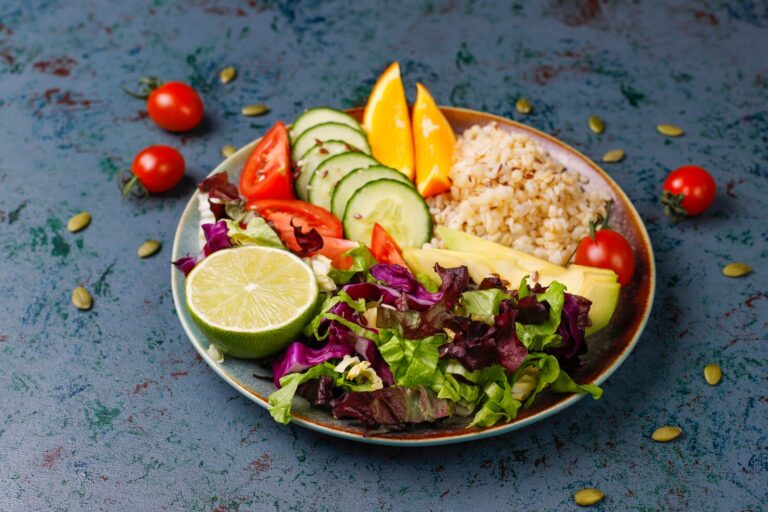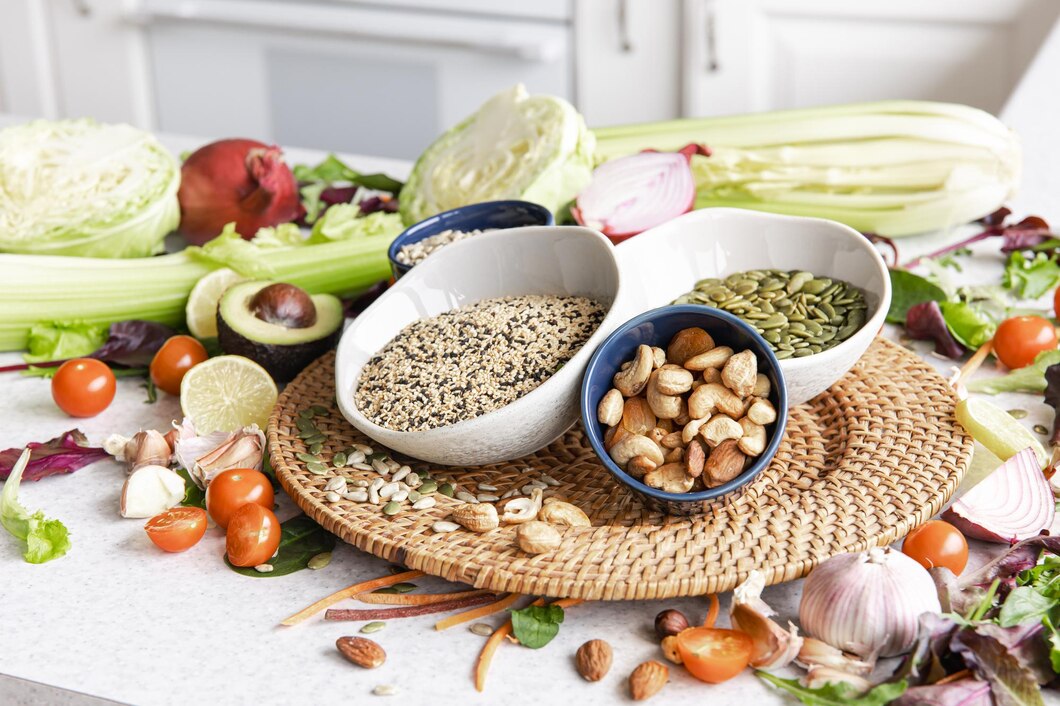
Following a nut-free diet does not mean giving up delicious, satisfying, or nutritious food. With the right ingredients, cooking techniques, and a little creativity, it is possible to prepare flavorful meals while avoiding nuts. Whether you are managing nut allergies, cooking for someone with a food allergy, or simply choosing to avoid nuts, there are countless nut-free diet foods, recipes, snacks, and ingredient combinations that can make everyday eating enjoyable. From creamy sauces and crunchy toppings to desserts and baked goods, learning about nut-free alternatives can help you build a varied and flavorful diet without feeling restricted.
What Is a Nut-Free Diet?
A nut-free diet is an eating approach that avoids nuts and, depending on the individual’s needs, may also require careful attention to foods that could have come into contact with nuts.
For people with nut allergies, avoiding the allergen can be an important part of staying safe. The exact foods that need to be avoided can vary depending on the individual’s allergy and advice from their healthcare professional.
A nut-free diet may involve avoiding ingredients such as peanuts, almonds, cashews, walnuts, pistachios, pecans, hazelnuts, and other nuts when they are relevant to the person’s dietary requirements.
The good news is that removing nuts does not remove flavor.
There are plenty of fruits, vegetables, grains, legumes, seeds where appropriate, herbs, spices, dairy or dairy alternatives, and other ingredients that can create satisfying meals.
How to Follow a Nut-Free Diet
If you are wondering how to follow a nut-free diet, begin by focusing on what you can eat rather than only thinking about what you cannot eat.
A varied nut-free eating pattern can include:
- Fruits and vegetables
- Rice and other grains
- Potatoes and sweet potatoes
- Beans and lentils
- Meat and poultry
- Fish and seafood
- Dairy products, if tolerated
- Seeds, when appropriate and safe
- Herbs and spices
- Nut-free grains and cereals
- Oils and sauces that are confirmed safe
The most important step is understanding your individual allergy requirements and checking packaged foods carefully.
How to Eat a Nut-Free Diet Safely
Learning how to eat a nut-free diet involves more than simply removing visible nuts from your meals.
Packaged foods can sometimes contain nuts as ingredients or carry allergen warnings. Ingredients and manufacturing practices can also change, so checking labels regularly is an important part of safe food preparation.
When purchasing packaged products, pay attention to:
- Ingredient lists
- Allergen declarations
- Advisory statements
- Manufacturing information
- Changes in product formulations
If you are managing a diagnosed food allergy, follow the avoidance and emergency plan provided by your healthcare professional.
Food Label Reading Is Essential
Food label reading is one of the most useful skills for anyone following a nut-free lifestyle.
Do not rely solely on the front of a package. Marketing phrases such as “natural,” “healthy,” or “plant-based” do not necessarily mean that a product is nut-free.
Instead, read the full ingredient list and allergen information.
Pay particular attention to ingredients that clearly identify nuts or nut-derived ingredients.
Also remember that recipes and manufacturing processes can change, so checking labels every time you purchase a product is a practical safety habit.
Understanding Hidden Nuts in Foods
Hidden nuts in foods can make nut-free eating more challenging.
Nuts may appear in unexpected products such as:
- Granola
- Cereals
- Baked goods
- Chocolate
- Desserts
- Sauces
- Pesto
- Protein bars
- Plant-based spreads
- Restaurant dishes
- Specialty breads
This does not mean that all of these foods need to be eliminated. Instead, carefully check the ingredients and allergen information to determine whether a particular product fits your dietary needs.
Cross-Contact Prevention
For people with significant nut allergies, cross-contact can be an important consideration.
Cross-contact occurs when an allergen unintentionally transfers from one food, surface, utensil, or piece of equipment to another food.
For example, using the same knife to spread a nut-containing product and then using it on another food could potentially transfer allergen residue.
Cross-contact prevention can include:
- Washing hands before food preparation
- Cleaning countertops thoroughly
- Using clean utensils
- Separating ingredients
- Storing allergen-containing foods appropriately
- Avoiding shared equipment when necessary
- Communicating clearly with household members
These practices can support safer allergen-free cooking.
Building a Nut-Free Meal Plan
A nut-free meal plan can make everyday eating easier because you do not have to decide what to cook at the last minute.
A simple weekly structure could include:
Breakfast: Oatmeal with fruit and yogurt
Lunch: Vegetable and bean rice bowl
Snack: Fresh fruit and a safe packaged snack
Dinner: Grilled chicken with roasted potatoes and vegetables
Another day could feature:
Breakfast: Eggs with whole-grain toast and fruit
Lunch: Lentil soup with a salad
Snack: Yogurt with berries
Dinner: Vegetable pasta with a tomato-based sauce
Planning several meals in advance can also help you maintain variety.
Best Foods for a Nut-Free Diet
The best foods for a nut-free diet are not necessarily special allergy products. Many naturally nut-free foods can form the foundation of a nutritious eating pattern.
Consider:
Fruits
Apples, bananas, oranges, berries, grapes, melons, peaches, pears, and other fruits can add sweetness and variety.
Vegetables
Leafy greens, carrots, broccoli, cauliflower, peppers, tomatoes, cucumbers, zucchini, mushrooms, and other vegetables can provide color, texture, and nutrients.
Whole Grains
Rice, oats, quinoa, corn, millet, and other suitable grains can provide energy and variety.
Legumes
Beans, lentils, chickpeas, and peas can contribute protein and fiber.
Protein Foods
Depending on your dietary preferences, poultry, dairy, tofu, and other suitable foods can provide protein.
Seeds
For people who can safely consume them, seeds can offer texture and nutritional variety.
However, individuals with allergies should follow their own healthcare guidance because some people may need to avoid certain seeds or products due to individual sensitivities or cross-contact concerns.
Nut-Free Ingredients That Add Flavor
One of the biggest misconceptions about nut-free food is that it must be bland.
In reality, flavor comes from much more than nuts.
Stock your kitchen with nut-free ingredients such as:
- Garlic
- Ginger
- Fresh herbs
- Dried herbs
- Spices
- Lemon and lime
- Vinegar
- Tomato products
- Onions
- Chili
- Nutritional yeast, when suitable
- Yogurt
- Cheese
- Coconut products, if appropriate for your individual dietary needs
- Safe oils
- Seeds, when suitable
These ingredients can dramatically improve the flavor of everyday dishes.
How to Make Flavorful Nut-Free Meals
If you are wondering how to make flavorful nut-free meals, focus on layering flavors.
Use Aromatics
Garlic, onions, ginger, and scallions can create a flavorful foundation.
Toast Spices
Gently heating spices can enhance their aroma and create deeper flavors.
Add Acidity
Lemon juice, lime juice, vinegar, and other acidic ingredients can brighten dishes.
Experiment With Herbs
Fresh herbs such as parsley, cilantro, basil, mint, rosemary, and thyme can completely change the character of a meal.
Create Texture
Texture is just as important as flavor. Crispy vegetables, roasted chickpeas, seeds when safe, toasted breadcrumbs, and crunchy vegetables can add contrast.
Nut-Free Alternatives for Cooking and Baking
There are many nut-free alternatives for cooking and baking.
For example, if a recipe calls for a nut-based topping, consider a suitable seed-based topping or toasted breadcrumbs when appropriate.
If a sauce uses nuts for creaminess, alternatives might include:
- Yogurt
- Beans
- Vegetables
- Dairy-based ingredients
- Seed-based alternatives where safe
- Blended grains or legumes
The right substitute depends on the recipe and your dietary needs.
Nut-Free Substitutes for Creamy Sauces
Nuts are often used to create creamy sauces, but they are not the only option.
You can make creamy textures with ingredients such as:
Beans
White beans can create a smooth texture in certain soups and sauces.
Vegetables
Cooked cauliflower, potatoes, pumpkin, or sweet potatoes can add body to sauces.
Yogurt
Plain yogurt can provide creaminess and tang in appropriate recipes.
Cheese
Cheese can create rich sauces when dairy is part of your diet.
These nut-free substitutes can help create satisfying meals without relying on nuts.
Seed-Based Alternatives
Seed-based alternatives can be useful in some nut-free recipes when seeds are safe for the individual.
Sunflower seeds, pumpkin seeds, sesame seeds, chia seeds, and flaxseeds can add texture and nutritional variety.
For example, sunflower seed butter can sometimes be used as an alternative to nut butter.
However, never assume that a seed product is automatically appropriate for everyone with a nut allergy. Check labels and consider individual medical guidance.
Nut-Free Snacks
Finding satisfying nut-free snacks is easier when you focus on naturally simple foods.
Ideas include:
- Fresh fruit
- Yogurt
- Vegetable sticks
- Cheese
- Popcorn
- Rice cakes
- Roasted chickpeas
- Smoothies made with safe ingredients
- Homemade energy bites using suitable ingredients
- Hard-boiled eggs
- Safe crackers
- Homemade muffins
For packaged snacks, always check the label and allergen information carefully.
Nut-Free Meal Ideas for Breakfast
There are plenty of nut-free meal ideas for starting the day.
Vegetable Omelet
Combine eggs with vegetables, herbs, and cheese for a protein-rich breakfast.
Fruit and Yogurt Bowl
Use plain or flavored yogurt with fresh berries, banana, and a suitable crunchy topping.
Cinnamon Oatmeal
Cook oats with milk or an appropriate alternative, then add cinnamon, banana, berries, or other safe toppings.
Avocado Toast
Spread mashed avocado on suitable toast and add tomatoes, herbs, or a poached egg.
These easy nut-free meals can be prepared quickly on busy mornings.
Nut-Free Lunch Ideas
For nut-free lunch ideas, build meals around a combination of protein, vegetables, carbohydrates, and flavor.
Try:
- Grilled chicken rice bowls
- Lentil soup
- Vegetable pasta
- Bean and vegetable wraps
- Tuna and salad sandwiches
- Baked potato with beans and vegetables
- Quinoa and roasted vegetable bowls
Homemade lunches also give you greater control over ingredients.
Nut-Free Dinner Ideas
For nut-free dinner ideas, focus on familiar dishes and modify them when necessary.
Vegetable Stir-Fry
Combine vegetables with tofu or another suitable protein and serve with rice. Use a sauce made from ingredients that are confirmed safe.
Tomato Pasta
A simple tomato sauce with garlic, herbs, vegetables, and cheese can be flavorful without nuts.
Lentil Curry
Lentils, tomatoes, vegetables, garlic, ginger, and spices can create a rich and satisfying curry without relying on nuts.
These dishes can become excellent nut-free family meals.
Healthy Nut-Free Recipes for Everyday Eating
The key to healthy nut-free recipes is variety.
A nutritious eating pattern does not have to depend on specialized products.
Try creating meals that include:
- Plenty of vegetables
- Fruits
- Whole grains
- Protein-rich foods
- Healthy fats from suitable sources
- Adequate fluids
For example, a colorful grain bowl could include brown rice, roasted vegetables, chickpeas, leafy greens, avocado, herbs, and a lemon-based dressing.
This is an example of how simple ingredients can create flavorful nut-free meals.
Delicious Nut-Free Recipes for Everyday Meals
Some delicious nut-free recipes for everyday meals include:
Creamy Vegetable Soup
Blend cooked vegetables with potatoes or beans to create a naturally creamy texture. Add herbs, garlic, and spices for flavor.
Chickpea Salad
Combine chickpeas with cucumber, tomato, onion, herbs, lemon juice, and olive oil.
Vegetable Frittata
Mix eggs with spinach, peppers, onions, and cheese before baking until set.
Homemade Tomato Pasta
Cook tomatoes with garlic, onions, herbs, and vegetables. Toss with pasta and add cheese if desired.
Spiced Roasted Vegetables
Roast carrots, cauliflower, potatoes, and peppers with safe oils and spices for a simple side dish.
Easy Nut-Free Meal Ideas for Families
When cooking for the whole household, choose flexible dishes that everyone can customize.
A taco bowl, for example, can include rice, beans, vegetables, avocado, salsa, cheese, and a suitable protein.
Similarly, a baked potato bar allows family members to choose their own toppings.
Other easy nut-free meal ideas for families include:
- Homemade pizza with safe ingredients
- Vegetable and chicken soup
- Rice and bean bowls
- Pasta with tomato sauce
- Homemade burgers with salad
- Vegetable omelets
- Sheet-pan chicken and vegetables
These meals can make a nut-free lifestyle feel normal rather than restrictive.
How to Cook Without Nuts
Learning how to cook without nuts becomes easier when you understand the purpose nuts serve in a recipe.
Nuts may provide:
- Creaminess
- Crunch
- Fat
- Protein
- Thickness
- Flavor
Once you identify the purpose, you can choose an appropriate substitute.
For crunch, try suitable seeds, roasted vegetables, or breadcrumbs.
For creaminess, consider beans, vegetables, yogurt, or another suitable ingredient.
For richness, use appropriate oils, avocado, dairy, or other safe ingredients depending on the recipe.
Nut-Free Cooking Does Not Have to Be Complicated
Nut-free cooking can be as simple as preparing meals you already enjoy and replacing unsafe ingredients with suitable alternatives.
Instead of completely changing your favorite dishes, ask:
What function does this ingredient provide?
If nuts are used for crunch, find a safe crunchy ingredient.
If they are used to thicken a sauce, choose another thickener.
If they add richness, use an appropriate alternative.
This approach makes it easier to continue enjoying familiar foods.
Creating a Nut-Free Healthy Diet
A nut-free healthy diet should focus on overall nutritional balance rather than simply eliminating nuts.
Depending on individual dietary needs, aim to include a variety of:
- Vegetables
- Fruits
- Whole grains
- Legumes
- Protein sources
- Suitable fats
- Calcium-rich foods
- Iron-rich foods
- Other nutrient-dense ingredients
If eliminating a large group of foods creates concerns about nutrient intake, a registered dietitian can help develop an appropriate eating plan.
Food Allergy-Friendly Meals
When cooking for someone with a food allergy, the priority should always be safety.
Food allergy-friendly meals should be prepared using ingredients that are appropriate for the individual’s allergy requirements.
When cooking for guests, ask about their specific allergies rather than making assumptions.
Avoiding an ingredient is not necessarily enough if cross-contact can occur during preparation.
Clear communication is especially important when preparing meals for children or people with severe allergies.
Allergen-Free Foods and Marketing Claims
The term allergen-free foods can be useful, but consumers should still evaluate product information carefully.
Different products may use different claims and standards. Always check the package for the allergen information relevant to your needs.
If you are unsure whether an ingredient or product is safe, it is better to verify the information rather than guess.
A Practical Nut-Free Shopping Strategy
A successful nut-free lifestyle starts at the grocery store.
Create a basic shopping list that includes naturally suitable ingredients:
Produce:
Leafy greens, carrots, tomatoes, berries, apples, bananas, peppers, potatoes.
Protein:
Beans, lentils, eggs, chicken, fish, tofu, yogurt, or other suitable options.
Grains:
Rice, oats, pasta, bread, quinoa, and other suitable grains.
Flavor:
Garlic, onions, herbs, spices, lemon, vinegar, and safe sauces.
Snacks:
Fruit, yogurt, popcorn, vegetables, cheese, and verified packaged options.
Having these staples available makes it much easier to prepare nut-free meals without relying heavily on packaged convenience foods.
Final Thoughts
Following a nut-free diet does not mean giving up flavor, variety, or enjoyable meals. With careful planning, smart substitutions, and creative cooking techniques, you can prepare everything from breakfasts and snacks to family dinners and desserts without relying on nuts.
Understanding nut-free alternatives, reading labels carefully, practicing cross-contact prevention, and learning how to use herbs, spices, vegetables, legumes, and appropriate seed-based alternatives can transform the way you approach food.
Whether you are looking for nut-free meal ideas, nut-free recipes, nut-free snacks, or a complete nut-free meal plan, the key is to focus on variety and the role each ingredient plays in a dish.
Most importantly, if you are avoiding nuts because of nut allergies, food safety should come before experimentation. Check ingredient labels, follow appropriate allergy precautions, and use professional medical or dietary guidance when needed.
With the right approach, nut-free eating can be flavorful, satisfying, nutritious, and enjoyable. A nut-free kitchen is not a kitchen without possibilities—it is simply an opportunity to discover new ingredients, cooking methods, and combinations that make everyday food exciting.
About the Author