Zinc-rich vegan foods are an important part of a balanced plant-based diet because zinc supports immune function, wound healing, protein synthesis, cell growth, and normal taste and smell. People following a vegan lifestyle can obtain zinc from several nutritious options, including pumpkin seeds, hemp seeds, sesame seeds, lentils, chickpeas, beans, oats, tofu, tempeh, cashews, and whole grains. These foods are valuable plant-based zinc sources that can be included in everyday meals without relying on animal products. Understanding which vegan foods are high in zinc, how much of this mineral the body needs, and how to improve zinc absorption can help vegans maintain balanced nutrition and reduce the risk of inadequate intake.
Why Is Zinc Important for a Vegan Diet?
Zinc is an essential mineral that the body needs in small amounts to perform several important functions. It contributes to immune system activity, supports normal growth and development, helps the body repair damaged tissues, and plays a role in making DNA and proteins. Zinc also supports reproductive health and contributes to maintaining healthy skin.
Although zinc is found in many plant foods, getting enough of this mineral may require extra attention when following a vegan diet. Animal products such as meat and seafood can provide readily absorbed zinc, while plant foods often contain phytates that can reduce zinc absorption in the digestive system. This does not mean a vegan diet cannot provide enough zinc. Instead, it highlights the importance of choosing varied foods and preparing them appropriately.
Including zinc-rich plant-based foods throughout the day is a practical approach to meeting nutritional needs. Combining legumes, seeds, whole grains, nuts, and fortified products can improve the overall quality of a vegan eating pattern.
Top Zinc-Rich Vegan Foods to Include in Your Diet
Many everyday plant foods contain zinc and can contribute to daily mineral intake. The amount varies depending on the variety, growing conditions, processing method, and serving size. The following options are among the best vegan foods for zinc.
1. Pumpkin Seeds
Pumpkin seeds are one of the most useful foods for people looking for vegan foods high in zinc. They provide zinc along with protein, magnesium, healthy fats, and other essential nutrients. A small handful can make a nutritious snack or add extra minerals to a meal.
Pumpkin seeds can be sprinkled over salads, mixed into oatmeal, blended into seed butter, or added to homemade granola. They can also be sprinkled over soups and roasted veggies to add extra flavor and texture.
For people who want to increase their zinc intake without substantially changing their regular meals, pumpkin seeds are an easy option. Choose unsalted varieties when possible to keep sodium intake under control.
2. Hemp Seeds
Hemp seeds are another valuable addition to a vegan diet. They contain zinc, plant protein, unsaturated fats, and several other nutrients that support general health. Their mild, slightly nutty flavor makes them suitable for both sweet and savory dishes.
Hemp seeds can be added to smoothies, breakfast bowls, salads, plant-based yogurt, and homemade energy bites. They can also be blended into sauces to improve their texture and nutritional content.
As one of the natural sources of zinc for vegans, hemp seeds offer a convenient way to increase the mineral content of meals. However, they should be consumed alongside other zinc-containing foods rather than treated as the only source.
3. Sesame Seeds
Sesame seeds contribute zinc, healthy fats, and other minerals to a plant-based eating pattern. They are commonly used in cooking and can easily become part of a daily diet.
You can sprinkle sesame seeds over stir-fried vegetables, noodles, rice dishes, and salads. Sesame seed tahini is a versatile ingredient that adds a creamy texture to hummus, dips, sauces, and homemade salad dressings.
Is this conversation helpful so far?
Sesame seeds are particularly useful because they can be included in small quantities across several meals. Their nutritional contribution adds up when they are combined with legumes, whole grains, and other zinc-rich plant-based foods.
4. Chia Seeds
Chia seeds are widely recognized for their fiber and omega-3 fatty acid content, but they also provide some zinc. They also provide a range of essential nutrients, making them a valuable addition to a well-rounded vegan eating plan.
Chia seeds can be mixed with plant-based milk to prepare overnight chia pudding or added to oatmeal, smoothies, and homemade bread. When soaked in liquid, they develop a gel-like consistency that works well as a thickener.
Although chia seeds are nutritious, they should not be considered a primary zinc source on their own. Pairing them with pumpkin seeds, legumes, tofu, or fortified foods can help create a more balanced intake of essential minerals for vegans.
5. Lentils
Lentils are an affordable and versatile source of plant protein, fiber, iron, and zinc. They are particularly useful for people who want to build nutritious meals using familiar ingredients.
Red, green, brown, and black lentils can all contribute to zinc intake. They can be prepared as dal, soups, stews, curries, salads, or lentil-based patties.
Lentils are among the most practical plant-based zinc sources because they can be eaten regularly and combined with many other nutritious ingredients. Soaking lentils before cooking, where appropriate, may help reduce phytate levels and improve the availability of certain minerals.
For a balanced meal, serve lentils with vegetables and a whole grain such as rice or whole-wheat roti. Adding seeds or nuts can further increase the meal’s zinc content.
6. Chickpeas
Chickpeas are another excellent ingredient for a varied vegan eating pattern. They provide protein, fiber, folate, and zinc, making them useful for everyday meals and snacks.
Cooked chickpeas can be used in chana masala, salads, grain bowls, soups, and vegetable wraps. They can also be blended into hummus or roasted with spices for a crunchy snack.
Dried chickpeas generally require soaking and thorough cooking, while canned chickpeas offer a convenient alternative. Rinsing canned chickpeas can help reduce their sodium content.
Including chickpeas alongside other beans and legumes helps diversify the nutritional profile of a vegan diet. They are also an easy option for preparing vegan meals rich in zinc without relying on specialized ingredients.
7. Beans and Other Legumes
Beans are important foods high in zinc for plant-based diets. Kidney beans, black beans, white beans, and other varieties provide varying amounts of zinc, along with fiber, protein, and other essential nutrients.
Beans can be included in vegetable curries, bean salads, soups, wraps, and rice dishes. They are also useful for meal preparation because cooked beans can be stored and used in different recipes throughout the week.
Soaking dried beans and discarding the soaking water before cooking can help reduce some antinutritional compounds. Cooking them thoroughly is also essential for food safety, especially for kidney beans.
Eating different varieties of beans and legumes throughout the week is a simple way to improve dietary variety while contributing to zinc intake.
8. Oats and Whole Grains
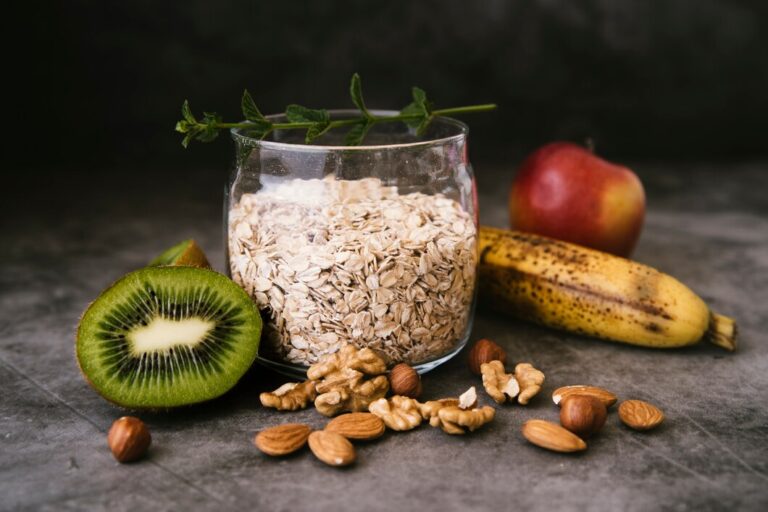
Oats and whole grains contain zinc, although the amount depends on the grain and processing method. Oats, whole-wheat products, brown rice, quinoa, and other minimally refined grains can all contribute to mineral intake.
Oatmeal makes a convenient breakfast, especially when prepared with fortified plant milk and topped with pumpkin seeds or cashews. Whole-wheat roti, brown rice, and grain-based bowls can help provide zinc throughout the day.
Whole grains also supply fiber, B vitamins, and other nutrients. However, their phytate content can reduce the proportion of zinc absorbed by the body. A varied diet that includes legumes, seeds, nuts, and fortified products can help compensate for differences in zinc availability.
9. Tofu
Tofu is a useful plant-based protein source made from soybeans. It contains zinc as well as iron and other nutrients, although the exact amount varies with the product and processing method.
Tofu can be grilled, stir-fried, baked, scrambled, or added to soups and curries. Its mild flavor allows it to absorb marinades and spices, making it suitable for many cuisines.
For those wondering how to get enough zinc on a vegan diet, tofu is particularly helpful because it can replace meat in many familiar dishes while supplying protein and contributing to mineral intake.
Choose tofu as part of a varied meal that also contains vegetables, whole grains, and other zinc-rich ingredients.
10. Tempeh
Tempeh is a fermented soybean product that provides plant protein and contributes zinc to the diet. Its firm texture and distinctive flavor make it suitable for a wide range of savory recipes.
Tempeh can be sliced and grilled, crumbled into sauces, added to stir-fries, or used as a filling for sandwiches and wraps. It can also be marinated with herbs and spices before cooking.
Fermentation can reduce certain antinutritional compounds in soy foods, although the effect varies by production method. Tempeh can therefore be a useful part of a balanced approach to zinc absorption.
Including both tofu and tempeh adds variety to a vegan diet and helps supply protein alongside other essential nutrients.
11. Cashews and Other Nuts
Cashews are convenient plant-based snacks that supply zinc, unsaturated fats, and other nutrients. They can be eaten on their own or combined with seeds and dried fruit to make a homemade snack mix.
Cashews also work well in curries, sauces, smoothies, and dairy-free creamy dishes. Soaking and blending them creates a smooth base for certain plant-based recipes.
Other nuts can contribute to zinc intake too, although their nutritional content varies. Almonds, peanuts, and other nuts can be included as part of a balanced diet.
Since nuts are energy-dense, reasonable portions are useful for people who want their meals to provide minerals, healthy fats, and protein without excessive calories.
12. Fortified Vegan Foods
Fortified foods can make zinc intake easier to manage. Some breakfast cereals, plant-based meat alternatives, and other packaged products contain added zinc, but fortification varies significantly between brands.
Check the nutrition label to see whether zinc is listed and how much a serving provides. The percentage of daily value can help you compare products, although the relevant reference value may differ by country.
Fortified plant milk should not automatically be assumed to contain zinc. Some products provide calcium and vitamin B12 but little or no added zinc, so it is important to review the label.
When combined with naturally zinc-containing foods, fortified products can help people following a vegan lifestyle build a more reliable nutritional routine.
Zinc Content of Common Vegan Foods
The following table provides approximate examples of zinc content in commonly eaten plant foods. Actual values vary by brand, preparation, and serving size, so product labels and reliable food composition databases are useful for more precise planning.
| Vegan food | Typical serving | Approximate zinc |
| Pumpkin seeds | 28 g | 2–2.5 mg |
| Hemp seeds | 30 g | 2–3 mg |
| Sesame seeds | 28 g | 2–2.5 mg |
| Chia seeds | 28 g | 1–1.5 mg |
| Cashews | 28 g | 1.5–1.7 mg |
| Cooked lentils | 1 cup | 2–2.5 mg |
| Cooked chickpeas | 1 cup | 2–3 mg |
| Cooked beans | 1 cup | 1–2 mg |
| Oatmeal, cooked | 1 cup | 1–2 mg |
| Firm tofu | 100 g | 1–2 mg |
| Tempeh | 100 g | 1–2 mg |
These figures are estimates rather than guaranteed amounts. Seeds and nuts may provide relatively concentrated sources of zinc, while legumes and whole grains can make meaningful contributions when eaten in normal meal portions.
Daily Zinc Requirements for Vegans
Daily zinc requirements depend on age, sex, and life stage. The following figures are commonly used US recommended dietary allowances for adults:
| Group | Recommended zinc intake per day |
| Adult men | 11 mg |
| Adult women | 8 mg |
| Pregnant adults | 11 mg |
| Breastfeeding adults | 12 mg |
Requirements may differ under national dietary guidelines. Zinc requirements can vary by country, so people should follow local dietary guidelines that suit their individual nutritional needs and circumstances.
Some nutrition guidance suggests that people eating predominantly plant-based diets may need to pay additional attention to zinc because zinc from high-phytate foods is not absorbed as efficiently. The appropriate adjustment depends on the dietary pattern and the guidance being followed.
The goal is to meet zinc requirements consistently through a balanced diet rather than relying on a single food or automatically taking supplements.
Zinc Benefits for the Body
Zinc benefits for the body extend beyond supporting the immune system. This mineral is involved in numerous biological processes that help maintain normal health.
Supports Immune Function
Zinc helps immune cells develop and function properly. Adequate intake supports the body’s normal response to infections and contributes to maintaining immune defenses.
Promotes Wound Healing
The body needs zinc for cell division, protein synthesis, and tissue repair. These processes help wounds heal and damaged tissues recover.
Maintains Healthy Skin
Zinc supports skin maintenance and normal cellular function. Inadequate zinc intake can contribute to skin problems, although skin concerns can have many different causes.
Supports Growth and Development
Zinc is essential for normal growth, particularly during childhood, adolescence, pregnancy, and other periods when the body’s nutritional requirements change.
Helps Maintain Taste and Smell
Adequate zinc is important for normal taste and smell. A deficiency may affect these senses, along with other symptoms.
Contributes to Protein and DNA Synthesis
Zinc is involved in enzyme activity, protein production, DNA synthesis, and cell division. These functions make it important for everyday maintenance and repair throughout the body.
How to Absorb Zinc From Plant-Based Foods
Choosing zinc-containing foods is only part of the process. The body must also absorb the mineral during digestion. Understanding zinc absorption can help vegans plan meals more effectively.
1. Soak Legumes Before Cooking
Soaking dried beans, chickpeas, and some other legumes before cooking can help reduce phytate levels. Discard the soaking water and cook the legumes thoroughly.
Soaking is not necessary for every food, but it can be a practical preparation technique for dried pulses.
2. Try Sprouting Certain Grains and Legumes
Sprouting activates enzymes that may reduce some phytates in grains and legumes. This can improve the availability of certain minerals, although the effect varies with the food and sprouting conditions.
Use hygienic sprouting practices because raw sprouts can carry harmful bacteria. Thorough cooking is a safer option for people at higher risk of foodborne illness.
3. Include Fermented Foods
Fermentation can lower phytate levels in certain foods and may improve mineral availability. Tempeh and some traditionally fermented grain products can be useful additions to a varied vegan diet.
The extent of the effect depends on the ingredients and fermentation process, so fermentation should be viewed as one helpful strategy rather than a guarantee of high zinc absorption.
4. Eat a Variety of Zinc Sources
Relying on one food may make it harder to meet nutritional requirements consistently. Combining pumpkin seeds, lentils, chickpeas, tofu, whole grains, nuts, and fortified foods provides a wider range of nutrients.
Different foods contribute different amounts of zinc, so variety is more useful than expecting a single ingredient to cover all requirements.
5. Avoid Excessive Phytate Dependence
Phytates naturally occur in seeds, nuts, legumes, and whole grains. They can bind zinc and reduce its absorption. However, these foods also supply fiber, protein, healthy fats, and other valuable nutrients.
It is generally unnecessary to avoid whole grains or legumes because of their phytate content. Instead, use appropriate preparation methods and include a broad range of foods to support balanced nutrition.
Sample Vegan Meals Rich in Zinc
Planning meals around zinc-containing ingredients can make it easier to maintain a consistent intake. The following examples show how several plant-based zinc sources can fit into everyday eating.
Breakfast: Oats with Seeds and Nuts
Prepare oatmeal with fortified plant milk, then add pumpkin seeds, chia seeds, and cashews. This meal provides zinc alongside fiber, plant protein, and healthy fats.
Lunch: Chickpea Curry with Whole-Wheat Roti
Combine chickpeas with tomatoes, onions, and spices, and serve with whole-wheat roti. Add a vegetable side dish to increase the variety of nutrients.
Dinner: Tofu Stir-Fry with Brown Rice
Cook tofu with mixed vegetables and serve it with brown rice. Sprinkle sesame seeds over the finished dish to add another source of zinc.
Snack: Roasted Chickpeas and Pumpkin Seeds
Prepare roasted chickpeas with mild spices and serve with a small portion of pumpkin seeds. This combination is convenient for work, travel, or an afternoon snack.
These meals are examples rather than a personalized nutrition plan. Their zinc content will depend on portion sizes and ingredients. People with higher nutritional needs may require different portions or additional food sources.
How Vegans Can Increase Zinc Intake Naturally
Several practical habits can help improve zinc intake without making meals complicated.
- Add seeds to everyday meals: Use pumpkin, hemp, or sesame seeds in oatmeal, salads, soups, and vegetable dishes.
- Eat legumes regularly: Include lentils, chickpeas, and different beans in lunches and dinners.
- Choose whole grains: Use oats, whole-wheat roti, and other whole grains as part of a varied eating pattern.
- Include soy foods: Add tofu or tempeh to stir-fries, curries, and grain bowls.
- Use nuts as snacks: Cashews and other nuts can contribute zinc while providing healthy fats.
- Read nutrition labels carefully: Choose fortified foods with added zinc that align with your dietary preferences and nutritional requirements.
- Vary your meals: Rotate different plant-based ingredients to avoid depending on just one source.
- Prepare foods appropriately: Soaking, sprouting, and fermentation may reduce phytate levels in certain foods and improve mineral availability.
These strategies support zinc deficiency prevention for vegans by making zinc-containing ingredients a regular part of the diet. If someone has symptoms that could indicate a deficiency, dietary changes alone may not be sufficient, and professional assessment may be appropriate.
Signs of Zinc Deficiency in Vegans
Zinc deficiency can occur in people following any dietary pattern, but individuals whose diets are consistently low in available zinc may face a greater risk. Potential signs include reduced appetite, impaired wound healing, changes in taste or smell, skin problems, hair loss, and increased susceptibility to infections.
These symptoms are not specific to zinc deficiency. They can also occur because of other nutritional deficiencies or medical conditions. A healthcare professional can assess symptoms and determine whether further testing or treatment is necessary.
People who eat a highly restrictive diet, have digestive disorders that affect nutrient absorption, or experience persistent unexplained symptoms may need additional nutritional guidance.
Should Vegans Take Zinc Supplements?
Whenever possible, people should meet their daily zinc needs through a varied and balanced diet. Including a mix of nuts, seeds, beans, whole grains, soy-based foods, and zinc-fortified products in everyday meals can help support adequate zinc intake.
However, supplements may be appropriate in certain circumstances, such as a confirmed deficiency, inadequate dietary intake, or a medical condition that interferes with absorption. A qualified healthcare provider can assess your zinc levels and advise whether a supplement is needed, along with a suitable dosage for your individual needs.
Taking too much zinc can cause nausea, stomach discomfort, and other adverse effects. Consuming excessive amounts of zinc over an extended period may reduce the body’s ability to absorb copper, increasing the risk of a deficiency. Taking zinc supplements alongside certain medications, such as specific antibiotics, may affect how well the medicines are absorbed or work.
To avoid potential health risks, zinc supplements in large doses should only be used under the advice of a qualified healthcare professional. Anyone who suspects zinc deficiency should seek professional advice instead of relying solely on symptoms or self-treatment.
Common Mistakes to Avoid When Planning a High-Zinc Vegan Diet
A high-zinc vegan diet should provide more than just one nutrient. Some common mistakes can make it harder to achieve balanced nutrition.
Relying on one food: Pumpkin seeds contain zinc, but they do not replace the nutritional variety supplied by legumes, grains, nuts, and soy foods.
Ignoring portion sizes: A food may contain zinc, but the amount consumed determines its contribution to daily intake.
Not all plant-based milk alternatives contain added nutrients, as fortification levels differ depending on the brand and product. Read the nutrition label instead of assuming a beverage contains zinc.
Avoiding all whole grains because of phytates: Whole grains provide important nutrients and fiber. Using suitable food preparation methods and eating a wide range of foods can be more beneficial than excluding these ingredients from your diet without a clear reason.
Taking supplements without considering total intake: High-dose zinc products can create health risks. Consider food sources, supplements, and professional advice together.
Neglecting overall plant-based nutrition: Zinc is only one component of a healthy vegan diet. Protein, vitamin B12, iron, calcium, iodine, vitamin D, and omega-3 fatty acids also deserve attention.
Frequently Asked Questions About Zinc-Rich Vegan Foods
1. Which vegan foods provide the highest amounts of zinc?
Excellent plant-based sources of zinc include pumpkin and hemp seeds, sesame seeds, chickpeas, lentils, various beans, oats, tofu, tempeh, and cashew nuts. Fortified foods can also contribute. Eating a variety of these ingredients helps support a more consistent zinc intake.
2. Is it possible to meet daily zinc needs through a vegan diet?
Yes, vegans can meet their zinc requirements by eating a balanced mix of nuts, seeds, beans, whole grains, soy-based foods, and zinc-fortified products. Since certain plant foods may limit zinc absorption, choosing diverse ingredients and preparing them properly can help improve zinc availability.
3. How much zinc do vegans need daily?
In the United States, the recommended daily zinc intake for adults is 11 mg for men and 8 mg for women. These amounts rise to 11 mg during pregnancy and 12 mg while breastfeeding. Requirements and guidance may vary by country, so local recommendations should also be considered.
4. Do pumpkin seeds provide a significant amount of zinc?
Yes, pumpkin seeds are a valuable plant-based source of zinc. Enjoy them on their own or mix them into oatmeal, salads, soups, and smoothies to boost the nutritional value of your meals.
5. Do lentils and chickpeas contain zinc?
Yes. Both lentils and chickpeas contain zinc, along with protein, fiber, and other nutrients. They are affordable, versatile ingredients that can be used regularly in vegan meals.
6. How can vegans improve zinc absorption?
Soaking legumes, sprouting certain grains, and eating fermented foods may help reduce phytate levels and improve zinc availability. Eating a diverse range of foods that supply zinc can also help you meet your daily nutritional requirements.
7. Can zinc deficiency occur on a vegan diet?
Yes, a person may develop zinc deficiency when their diet does not provide enough of this mineral or when the body cannot absorb it properly. However, it is not inevitable for vegans. A well-planned diet and appropriate professional guidance can help reduce the risk.
8. Do all people on a vegan diet need to take zinc supplements?
No. Many vegans can meet their needs through food. Supplements may be useful for people with inadequate intake or a confirmed deficiency, but unnecessary high-dose supplementation can cause adverse effects.
Conclusion
Zinc-rich vegan foods can play an important role in maintaining a balanced plant-based diet. Pumpkin seeds, hemp seeds, sesame seeds, lentils, chickpeas, beans, oats, whole grains, tofu, tempeh, cashews, and fortified products all offer ways to increase zinc intake naturally.
For better nutritional balance, incorporate a variety of these zinc-rich foods into your daily meals instead of depending on just one source. Paying attention to portion sizes, using suitable preparation methods, and checking fortified food labels can further support zinc intake. Understanding daily requirements and the factors that influence zinc absorption also helps vegans make informed food choices.
A well-balanced vegan eating plan can supply zinc as well as other essential nutrients that help maintain overall health and well-being. When dietary intake is insufficient or symptoms raise concerns about deficiency, seeking advice from a qualified healthcare professional or registered dietitian can help identify an appropriate solution.
About the Author