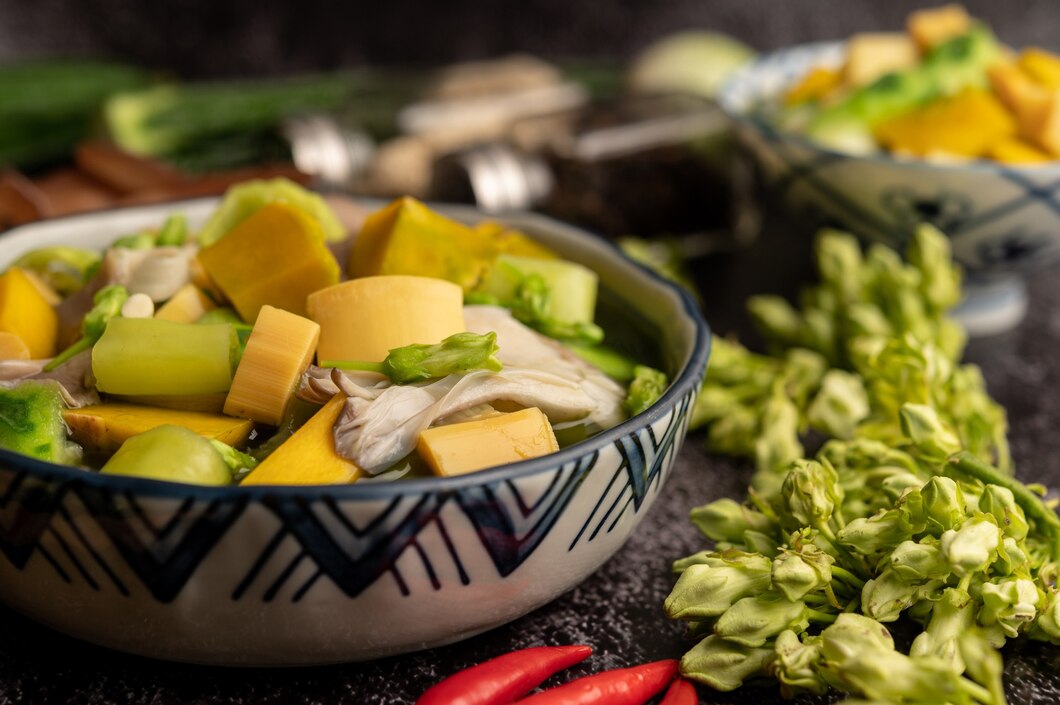
Jackfruit is a tropical fruit that has become a popular ingredient in plant-based cooking because of its unique texture, versatility, and mild flavor. Whether you are exploring vegan food for the first time or looking for creative ways to prepare meat-free dishes, jackfruit offers plenty of possibilities. From savory curries and tacos to sandwiches and comforting stews, this fruit can transform ordinary ingredients into satisfying meals. Learning how to cook jackfruit, understanding its different varieties, and discovering its nutritional value can help you make the most of this interesting ingredient in your kitchen.
What Is Jackfruit?
Jackfruit is a large tropical fruit that grows on trees belonging to the fig and mulberry family. It is native to South and Southeast Asia and is widely used in Indian, Thai, Indonesian, and other regional cuisines.
The fruit has a thick, green or yellowish outer skin covered with small bumps. Inside, it contains edible flesh, seeds, and fibrous sections. Depending on its maturity, jackfruit can taste mildly sweet or have a neutral flavor that works well in savory dishes.
One of the main reasons jackfruit has attracted attention among plant-based eaters is its texture. Young, unripe jackfruit has a stringy consistency that resembles shredded meat when cooked. This makes jackfruit as a meat substitute especially popular in recipes that traditionally use pulled pork, chicken, or other shredded meats.
However, jackfruit is not limited to vegan cooking. It has been used in traditional dishes for generations and can be enjoyed in both sweet and savory preparations.
Understanding the Difference Between Ripe and Unripe Jackfruit
Before exploring jackfruit recipes, it is important to understand the difference between ripe and unripe jackfruit. Both varieties are edible, but their flavors, textures, and culinary uses are quite different.
Young Green Jackfruit
Young green jackfruit is harvested before the fruit becomes fully mature. At this stage, it has a relatively neutral taste and firm, fibrous texture.
These characteristics make it particularly suitable for savory dishes because it absorbs the flavors of spices, sauces, and marinades.
Young green jackfruit is commonly used in:
- Vegan tacos and burritos
- Plant-based sandwiches
- Curries and stews
- Pulled jackfruit dishes
- Stir-fries and rice bowls
If you are interested in learning how to prepare jackfruit as a meat substitute, young green jackfruit is generally the best variety to start with.
Ripe Jackfruit
Fully ripened jackfruit develops a pleasant fruity fragrance and contains soft, golden-yellow flesh with a naturally sweet taste. Its flavor is often compared to a combination of tropical fruits, such as mango, pineapple, and banana.
Unlike young jackfruit, ripe jackfruit is softer, sweeter, and less suitable for savory meat-style preparations.
Ripe jackfruit works well in:
- Smoothies and fruit bowls
- Desserts and puddings
- Sweet rice dishes
- Breakfast recipes
- Fruit salads
The difference between ripe and unripe jackfruit is primarily related to maturity, sweetness, and texture. Choosing the correct variety makes a significant difference in the final result of your recipe.
Jackfruit Nutrition: What Does This Fruit Offer?
Jackfruit nutrition makes it an interesting addition to a balanced diet. It contains carbohydrates, dietary fiber, vitamins, minerals, and naturally occurring plant compounds.
The nutritional composition varies depending on whether the fruit is ripe, unripe, fresh, or canned.
Some nutritional characteristics of jackfruit include:
Carbohydrates: Jackfruit provides carbohydrates that contribute to daily energy needs.
Dietary fiber: Fiber supports normal digestion and can help contribute to a satisfying meal.
Vitamin C: Jackfruit contains vitamin C, which supports normal immune function and helps the body absorb iron from plant foods.
Potassium: This mineral contributes to normal muscle function and helps maintain fluid balance.
Other nutrients: Jackfruit also contains smaller amounts of nutrients such as vitamin B6, magnesium, and antioxidants.
Exploring Jackfruit Benefits
The potential jackfruit benefits make it a useful ingredient in a varied eating pattern.
Its fiber content can support digestive health when consumed as part of a balanced diet. The fruit also provides vitamin C and other nutrients that contribute to normal bodily functions.
Jackfruit can add variety to meals, particularly for people who enjoy experimenting with plant-based ingredients.
However, one important point deserves attention: jackfruit is not a high-protein substitute for meat. Although it can replace meat in certain recipes because of its texture, it does not provide comparable amounts of protein.
For nutritionally balanced vegan meals, combine jackfruit with protein-rich foods such as lentils, beans, tofu, tempeh, or chickpeas.
Why Jackfruit Is Popular in Vegan Cooking
Jackfruit has become a favorite ingredient among people following plant-based diets because it offers a texture that many other fruits and vegetables cannot easily replicate.
Its fibrous structure separates into strands when cooked, making it suitable for dishes that traditionally feature shredded meat.
Jackfruit for vegan cooking also has several practical advantages:
- It absorbs marinades and sauces effectively.
- Its mild flavor works with different cuisines.
- It can be prepared using familiar cooking techniques.
- It works well in both traditional and modern recipes.
- It is available fresh, canned, or packaged.
The fruit is particularly useful for people who want to recreate familiar meals without using animal products.
Still, its nutritional role should be understood correctly. Jackfruit is primarily a fruit-based ingredient that provides texture and flavor rather than serving as a complete protein replacement.
How to Cook Jackfruit: A Beginner-Friendly Guide
If you have never prepared jackfruit before, the process may seem unfamiliar. Fortunately, canned young jackfruit makes preparation much easier.
Step 1: Choose the Right Jackfruit
For savory dishes, look for young green jackfruit.
If you are purchasing canned jackfruit, choose products packed in water or brine rather than syrup. Jackfruit packed in syrup is generally intended for sweet recipes.
Fresh jackfruit is also an option, but cutting a whole fruit can be challenging because it contains sticky latex. Gloves, a sharp knife, and a little cooking oil on the knife can make preparation easier.
Step 2: Drain and Rinse
If you are learning how to cook canned jackfruit, start by draining the liquid.
Rinse the pieces under running water to remove excess brine, especially if the product contains added salt.
Allow the pieces to drain thoroughly before cooking.
Step 3: Remove the Tough Core
Canned jackfruit often comes in large chunks.
Some pieces contain a firm central core that can feel tougher than the surrounding flesh. Trim away any particularly hard sections if you prefer a softer, more shredded texture.
Step 4: Shred the Jackfruit
Use two forks to pull the jackfruit apart into smaller strands.
You can also use your fingers or a knife, depending on the texture you want.
Shredding helps the jackfruit absorb sauces and seasonings more evenly.
Step 5: Season Generously
Jackfruit has a mild flavor, so seasoning is important.
Consider using:
- Garlic and onion
- Smoked paprika
- Cumin
- Chili powder
- Black pepper
- Soy sauce or tamari
- Barbecue sauce
- Lemon or lime juice
The seasoning combination should match the dish you are preparing.
Step 6: Cook Until Tender and Flavorful
Depending on the recipe, jackfruit can be sautéed, simmered, baked, roasted, or pressure-cooked.
For shredded jackfruit, cooking it in a flavorful sauce until tender helps develop a richer taste.
If you want a slightly crisp texture, finish it in a skillet or oven after the initial cooking process.
These basic steps explain how to cook jackfruit for beginners and provide a foundation for experimenting with different recipes.
Jackfruit Cooking Methods
There are several jackfruit cooking methods that work well for different dishes.
Sautéing
Sautéing is one of the easiest ways to prepare jackfruit.
Heat oil in a skillet, add onions and garlic, then stir in the shredded jackfruit and seasonings.
Cook until the jackfruit becomes tender and develops a lightly browned exterior.
This method works well for tacos, wraps, and quick weeknight meals.
Simmering
Simmering is ideal for curries, stews, and saucy dishes.
Add jackfruit to a pot containing vegetable broth, coconut milk, tomato sauce, or another flavorful liquid.
Allow it to cook until tender and infused with the surrounding flavors.
Baking
Baking helps create a firmer texture.
Spread seasoned jackfruit on a baking tray and cook until the edges become lightly browned.
This technique works particularly well for barbecue jackfruit and sandwich fillings.
Pressure Cooking
Pressure cooking can soften fresh or canned jackfruit relatively quickly.
It is useful when preparing larger batches for meal preparation or recipes that require a tender texture.
Cooking times depend on the type of jackfruit, its size, and the pressure cooker being used.
Easy Jackfruit Recipes for Vegans
If you are searching for easy jackfruit recipes for vegans, these ideas offer simple ways to incorporate the fruit into everyday meals.
1. Vegan Pulled Jackfruit Sandwiches
Pulled jackfruit is one of the most popular ways to use this ingredient.
Ingredients:
- 1 can young green jackfruit
- 1 small onion
- 2 garlic cloves
- ½ cup barbecue sauce
- 1 tablespoon olive oil
- Smoked paprika
- Black pepper
- Burger buns or sandwich rolls
Instructions:
- Drain and rinse the jackfruit.
- Shred it using two forks.
- Heat olive oil in a skillet.
- Add chopped onion and garlic.
- Stir in the jackfruit and smoked paprika.
- Cook for several minutes.
- Add barbecue sauce and simmer until flavorful.
- Serve on toasted buns with vegan coleslaw.
This recipe is a simple introduction to how to make pulled jackfruit.
For a more balanced meal, serve it with beans, lentil salad, or another protein-rich side dish.
2. Jackfruit Vegan Tacos
Jackfruit vegan recipes often include tacos because the fruit works well with Mexican-inspired seasonings.
Ingredients:
- 1 can young jackfruit
- 1 teaspoon cumin
- 1 teaspoon chili powder
- ½ teaspoon smoked paprika
- 1 tablespoon olive oil
- Lime juice
- Corn or flour tortillas
- Salsa and avocado
Instructions:
- Drain, rinse, and shred the jackfruit.
- Heat oil in a skillet.
- Add the jackfruit and spices.
- Cook until lightly browned.
- Add a little water if the mixture becomes too dry.
- Finish with lime juice.
- Serve in tortillas with salsa, avocado, and fresh vegetables.
These tacos are an excellent option for quick vegan jackfruit meals.
3. Jackfruit Coconut Curry
Jackfruit curry is a comforting dish that works well with rice or flatbread.
Ingredients:
- 1 can young green jackfruit
- 1 onion
- 2 garlic cloves
- 1 tablespoon curry powder
- 1 teaspoon ginger
- 1 cup coconut milk
- ½ cup tomato puree
- Vegetable oil
- Salt and pepper
Instructions:
- Drain and rinse the jackfruit.
- Heat oil in a saucepan.
- Add onion, garlic, and ginger.
- Stir in curry powder.
- Add tomato puree and coconut milk.
- Mix in the jackfruit.
- Simmer until tender and flavorful.
- Serve with rice or naan.
This recipe demonstrates how jackfruit can work in traditional-style dishes while providing a plant-based alternative to meat.
4. Jackfruit Stir-Fry
A stir-fry is a convenient way to prepare jackfruit with fresh vegetables.
Combine shredded jackfruit with broccoli, bell peppers, carrots, and onions.
Add soy sauce, ginger, garlic, and a little sesame oil.
Cook everything in a hot skillet until the vegetables are tender but still slightly crisp.
Serve with rice or noodles for a satisfying meal.
5. Jackfruit Rice Bowls
Rice bowls are among the most flexible jackfruit meal ideas.
Start with cooked brown rice, quinoa, or another grain.
Add seasoned jackfruit, roasted vegetables, leafy greens, and a flavorful dressing.
For additional protein, include edamame, tofu, chickpeas, or black beans.
These bowls are easy to customize based on the ingredients you already have.
How to Use Jackfruit in Vegan Meals Throughout the Day
Learning how to use jackfruit in vegan meals becomes easier when you think beyond individual recipes.
Breakfast
Ripe jackfruit can be added to fruit bowls, smoothies, and oatmeal.
Its sweetness pairs well with bananas, berries, coconut, and plant-based yogurt.
Lunch
Use savory jackfruit in sandwiches, wraps, salads, or rice bowls.
Barbecue jackfruit sandwiches and spicy jackfruit tacos are especially convenient for lunch.
Dinner
Jackfruit can be incorporated into curries, pasta sauces, stews, and baked dishes.
Pair it with vegetables, whole grains, and protein-rich ingredients to create balanced dinners.
Snacks and Appetizers
Small portions of seasoned jackfruit can be used in lettuce wraps, stuffed peppers, or savory snack preparations.
Ripe jackfruit can also be enjoyed as a naturally sweet snack.
Best Vegan Recipes Using Jackfruit for Different Occasions
The best vegan recipes using jackfruit depend on your cooking preferences, available ingredients, and the amount of time you have.
For busy weekdays, choose recipes that require minimal preparation, such as stir-fries, tacos, and sandwiches.
For family dinners, consider jackfruit curry, baked jackfruit, or hearty rice bowls.
For gatherings, pulled jackfruit sliders and spicy jackfruit wraps can make convenient party dishes.
For meal preparation, cook a batch of seasoned jackfruit and store it in portions. You can then use it in several meals throughout the week.
This approach makes jackfruit recipes for plant-based diets more practical and helps reduce repetitive meal planning.
Is Jackfruit a Good Meat Alternative?
The answer depends on what you expect from a meat alternative.
Jackfruit is a good option when you want a plant-based ingredient that resembles shredded meat in texture.
It works especially well in recipes involving barbecue sauce, spices, and flavorful marinades.
However, jackfruit is not nutritionally equivalent to meat. It generally contains much less protein than chicken, beef, or other protein-rich foods.
If your goal is to replace meat while maintaining adequate protein intake, combine jackfruit with legumes, tofu, tempeh, or other protein sources.
Think of jackfruit as a texture-based meat alternative rather than a complete nutritional replacement.
Common Mistakes to Avoid When Cooking Jackfruit
Even though jackfruit is relatively easy to prepare, a few mistakes can affect the final dish.
Choosing ripe jackfruit for savory recipes: Ripe jackfruit is sweet and soft, so it may not work well in meat-style dishes.
Skipping the rinsing step: Canned jackfruit packed in brine can have a salty flavor. Rinsing helps control the seasoning.
Using too little seasoning: Jackfruit has a mild taste, so it benefits from herbs, spices, sauces, and marinades.
Overlooking protein: Jackfruit alone may not provide enough protein for a balanced meal. Add beans, lentils, tofu, or another protein source.
Cooking without removing tough pieces: Trimming particularly firm cores can improve the texture of shredded jackfruit dishes.
Avoiding these mistakes will help you get better results when experimenting with jackfruit recipes.
Frequently Asked Questions About Jackfruit
Can beginners cook jackfruit easily?
Yes. Canned young green jackfruit is especially convenient for beginners because it requires little preparation. Drain, rinse, shred, season, and cook it using your preferred method.
Can jackfruit replace meat in every recipe?
Not necessarily. Jackfruit works best in recipes that benefit from shredded or tender textures. It is less suitable for recipes requiring the structure of a steak or the nutritional profile of meat.
Is canned jackfruit suitable for vegan cooking?
Yes. Canned young jackfruit is widely used in vegan cooking. Check the ingredient label to ensure the product is packed in water or brine rather than syrup for savory recipes.
Does jackfruit taste like meat?
No. Jackfruit has a mild flavor, especially when unripe. Its similarity to meat comes mainly from its texture and its ability to absorb seasonings.
Can ripe jackfruit be used in savory recipes?
It can be used in certain creative dishes, but its sweetness makes it less suitable for traditional pulled-meat-style recipes.
Conclusion
Jackfruit is a versatile tropical fruit that can bring variety, texture, and flavor to plant-based meals. Its mild taste and fibrous structure make young green jackfruit particularly useful for savory recipes, while ripe jackfruit offers a naturally sweet ingredient for desserts and snacks.
By understanding the difference between ripe and unripe jackfruit, learning basic preparation techniques, and experimenting with different cooking methods, you can create everything from tacos and sandwiches to curries and rice bowls.
Whether you are a beginner or an experienced vegan cook, jackfruit provides plenty of opportunities to explore new dishes. Remember to combine it with protein-rich ingredients and other nutritious foods to create balanced meals.
With a little creativity and the right seasonings, jackfruit can become a valuable ingredient in your everyday plant-based kitchen.
About the Author