Making sustainable swaps in your daily routine is one of the easiest and most effective ways to reduce your environmental impact. Whether you’re replacing single-use plastics with bamboo products, choosing reusable products, or buying local vegetables, every small change contributes to a healthier planet.
Embracing sustainable living through simple eco-friendly swaps like bamboo alternatives, reusable essentials, and fresh local produce helps create an eco-friendly lifestyle while supporting zero waste living. From choosing plastic-free alternatives to investing in sustainable products, these mindful decisions promote green living, create a more sustainable home, and help reduce waste without sacrificing convenience or quality.
Why Sustainable Swaps Matter
Every day, households generate waste through disposable packaging, plastic products, food waste, and unnecessary consumption. While these habits may seem insignificant individually, their combined environmental impact is enormous. Plastic pollution, overflowing landfills, and carbon emissions continue to challenge communities worldwide.
Sustainable swaps encourage replacing disposable or environmentally harmful items with reusable, renewable, or locally sourced alternatives. Instead of making drastic lifestyle changes overnight, these small adjustments gradually build long-term habits that benefit both people and the planet.
By making conscious purchasing decisions, consumers can reduce waste, conserve natural resources, and support businesses that prioritize sustainability.
What Are Sustainable Swaps?
Sustainable swaps involve replacing products or habits that have a negative environmental impact with more eco-friendly alternatives. These changes can apply to nearly every area of daily life, including the kitchen, bathroom, shopping, food choices, cleaning routines, and travel.
Examples include:
- Replacing plastic toothbrushes with bamboo toothbrushes
- Using reusable shopping bags instead of disposable plastic bags
- Carrying reusable water bottles rather than buying bottled water
- Purchasing reusable food containers for meal storage
- Shopping for local vegetables instead of imported produce
- Choosing bamboo kitchen products instead of plastic utensils
The goal is not perfection but continuous improvement through mindful choices.
The Benefits of Sustainable Living
Living sustainably offers advantages that go beyond protecting the environment.
Some key benefits include:
- Reduced household waste
- Lower plastic consumption
- Long-term financial savings
- Healthier homes
- Support for local communities
- Better food quality
- Reduced pollution
- Conservation of natural resources
- Lower carbon emissions
- Increased awareness of responsible consumption
A sustainable lifestyle also encourages people to become more intentional about what they buy and how they use everyday products.
Bamboo Products: A Renewable Solution
Among the most popular eco-friendly alternatives available today are bamboo products. Bamboo is one of the fastest-growing plants on Earth and can regenerate naturally after harvesting without requiring replanting.
Unlike plastic, bamboo is biodegradable and renewable, making it an ideal material for many household items.
Bamboo Products for Sustainable Living
Many everyday products now have bamboo alternatives.
Popular options include:
- Bamboo toothbrush
- Bamboo cutlery
- Bamboo kitchen products
- Bamboo straws
- Bamboo storage organizers
- Bamboo soap dishes
- Bamboo hairbrushes
- Bamboo cotton buds
- Bamboo tissue boxes
- Bamboo serving trays
- Bamboo chopping boards
These products combine durability with sustainability, making them practical replacements for plastic items.
Why Bamboo Is Better Than Plastic
Plastic products often remain in the environment for hundreds of years, contributing to pollution and harming wildlife.
Bamboo offers several environmental advantages:
- Naturally biodegradable
- Rapidly renewable
- Requires less water than many crops
- Absorbs carbon dioxide during growth
- Produces minimal waste during processing
- Durable for everyday use
Replacing common plastic products with bamboo alternatives helps reduce long-term environmental damage.
Sustainable Living with Bamboo Products
Using bamboo products throughout the home is an easy way to embrace sustainable living.
For example:
Bathroom
Replace:
- Plastic toothbrushes
- Plastic combs
- Disposable cotton buds
With:
- Bamboo toothbrush
- Bamboo hairbrush
- Bamboo cotton swabs
Kitchen
Choose:
- Bamboo cutlery
- Bamboo chopping boards
- Bamboo cooking utensils
- Bamboo serving bowls
These changes significantly reduce household plastic consumption over time.
Reusable Products: Small Changes, Big Impact
Single-use items generate enormous amounts of waste every year. Investing in reusable products helps minimize this waste while saving money in the long run.
Some of the most useful reusable essentials include:
- Reusable shopping bags
- Reusable water bottles
- Reusable food containers
- Stainless steel straws
- Glass storage jars
- Cloth napkins
- Reusable coffee cups
- Beeswax food wraps
- Silicone storage bags
- Refillable cleaning bottles
These products reduce the need for constant replacements and encourage more sustainable consumption habits.
Reusable Alternatives to Plastic
One of the simplest ways to reduce plastic waste is by replacing disposable products with reusable versions.
| Plastic Item | Sustainable Alternative |
| Plastic bottle | Reusable water bottle |
| Plastic shopping bag | Reusable shopping bags |
| Plastic lunch box | Reusable food containers |
| Plastic utensils | Bamboo cutlery |
| Plastic wrap | Beeswax wraps |
| Disposable cups | Reusable coffee mugs |
| Plastic straws | Bamboo or stainless steel straws |
| Plastic storage boxes | Glass containers |
These swaps reduce landfill waste while supporting a more sustainable home.
Benefits of Reusable Household Products
Reusable household products offer several advantages beyond environmental protection.
They:
- Reduce long-term costs
- Last longer than disposable products
- Decrease household waste
- Reduce plastic pollution
- Improve home organization
- Encourage mindful purchasing
- Lower resource consumption
Making reusable products part of your daily routine is one of the most practical steps toward zero waste living.
Why Buy Local Vegetables?
Many food products travel long distances before they arrive at grocery stores, often covering hundreds or even thousands of miles. Transportation, refrigeration, and packaging increase both environmental impact and food costs.
Buying local vegetables offers a more sustainable alternative.
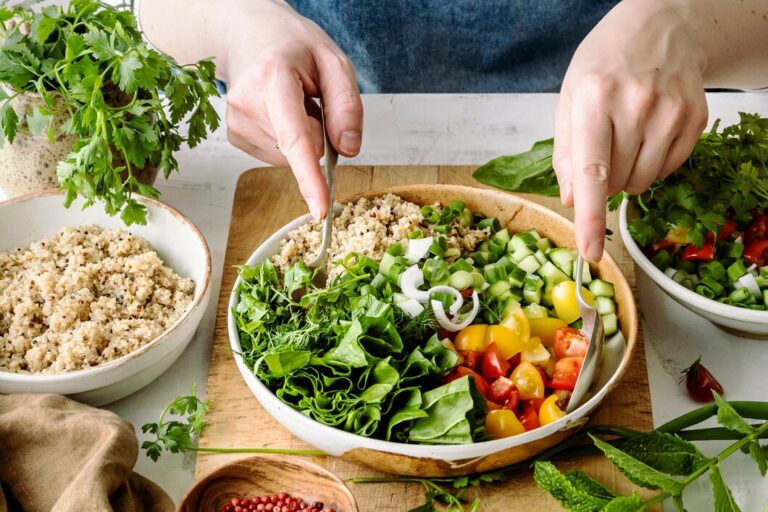
Local farmers often harvest produce closer to peak ripeness, resulting in fresher, more flavorful food with fewer transportation emissions.
Supporting local agriculture also strengthens regional economies.
Benefits of Local Vegetables
Choosing local vegetables provides several important benefits.
These include:
Fresher Food
Produce reaches consumers more quickly after harvest.
Better Nutrition
Fresh vegetables may retain more nutrients because they spend less time in transport and storage.
Lower Carbon Footprint
Shorter transportation distances reduce greenhouse gas emissions.
Less Packaging
Many local farms use minimal packaging compared to supermarkets.
Community Support
Buying locally helps support small farmers and local businesses.
Local Produce and Seasonal Vegetables
Eating seasonal vegetables naturally aligns with sustainable farming practices.
Seasonal produce generally requires fewer artificial growing methods and less energy-intensive storage.
Examples include:
Spring:
- Spinach
- Peas
- Lettuce
Summer:
- Tomatoes
- Cucumbers
- Bell peppers
Autumn:
- Pumpkin
- Sweet potatoes
- Cauliflower
Winter:
- Carrots
- Cabbage
- Broccoli
Seasonal eating also introduces greater dietary variety throughout the year.
Shopping at Farmers Markets
A farmers market offers one of the best opportunities to purchase fresh local vegetables directly from growers.
Benefits include:
- Fresh local produce
- Reduced packaging waste
- Opportunity to meet farmers
- Support for local businesses
- Seasonal product selection
- Better transparency regarding farming practices
Many markets also offer locally produced honey, herbs, eggs, dairy products, and artisan foods.
Organic Vegetables and Sustainable Farming
Many consumers choose organic vegetables because they are grown using farming methods that prioritize soil health, biodiversity, and reduced synthetic chemical use.
Although organic farming may vary between regions, it often supports:
- Healthier ecosystems
- Improved soil quality
- Pollinator protection
- Reduced pesticide exposure
- Greater biodiversity
Whenever possible, combining locally grown and organic vegetables offers additional environmental benefits.
Sustainable Kitchen Swaps
The kitchen generates a significant portion of household waste, making it an excellent place to start your sustainability journey.
Simple sustainable kitchen swaps include:
- Bamboo kitchen products instead of plastic utensils
- Glass storage containers instead of disposable packaging
- Cloth towels instead of paper towels
- Compost bins for food scraps
- Refillable soap dispensers
- Stainless steel water bottles
- Reusable food containers
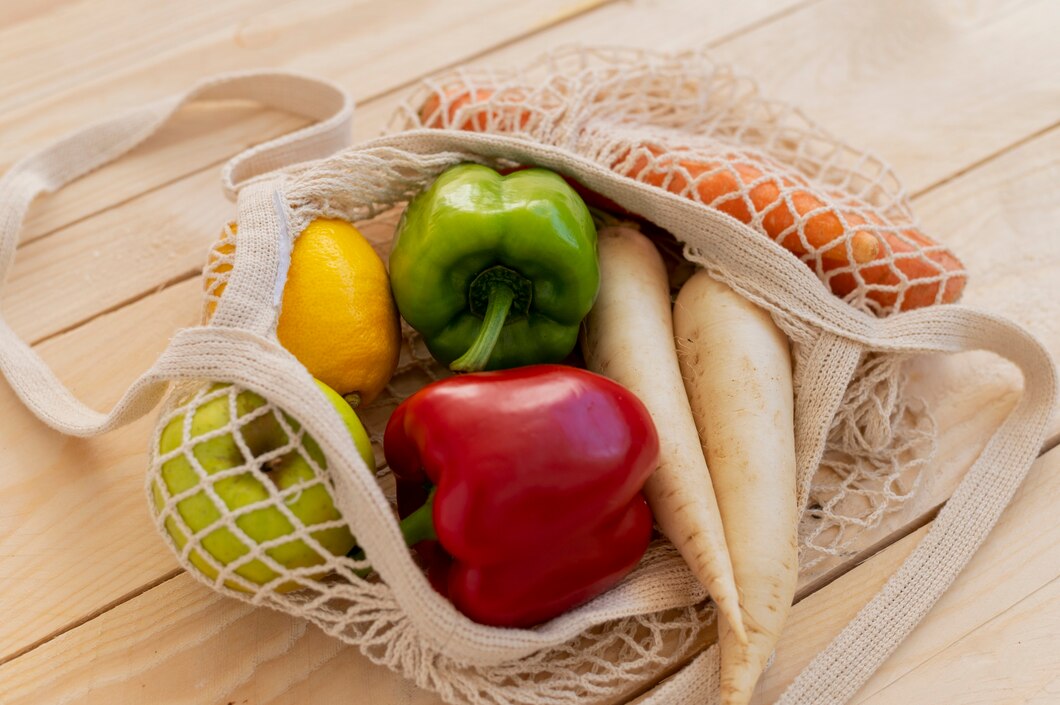
- Reusable produce bags
These changes reduce waste while creating a more organized and environmentally friendly kitchen.
Sustainable Shopping Tips
Mindful shopping habits play an important role in sustainable living.
Useful sustainable shopping tips include:
- Buy only what you need.
- Choose durable products.
- Carry reusable shopping bags.
- Avoid excessive packaging.
- Purchase local products whenever possible.
- Support ethical brands.
- Choose refillable options.
- Compare product longevity instead of price alone.
- Repair items instead of replacing them.
- Buy second-hand when appropriate.
Responsible shopping reduces unnecessary consumption and environmental impact.
Easy Eco-Friendly Lifestyle Changes
Building an eco-friendly lifestyle doesn’t require major sacrifices.
Here are some simple changes anyone can make:
- Switch to LED lighting.
- Turn off unused electronics.
- Carry reusable water bottles.
- Bring reusable shopping bags.
- Walk or cycle for short trips.
- Eat more seasonal vegetables.
- Compost kitchen waste.
- Use refillable cleaning products.
- Avoid single-use plastics.
- Choose bamboo alternatives whenever possible.
Small habits become powerful over time.
How to Reduce Plastic Waste
Plastic pollution remains one of the world’s biggest environmental challenges.
Fortunately, individuals can significantly reduce their plastic use through everyday choices.
Practical ways to reduce plastic waste include:
- Refusing disposable plastic bags
- Using bamboo products
- Carrying reusable food containers
- Avoiding bottled water
- Shopping with reusable produce bags
- Buying in bulk
- Choosing refill stations
- Recycling correctly
- Supporting companies with sustainable packaging
Every reduction in plastic use contributes to cleaner communities and healthier ecosystems.
Zero Waste Home Essentials
Creating a zero waste home doesn’t happen overnight. Instead, it involves gradually replacing disposable products as they wear out.
Some essential zero waste products include:
- Bamboo toothbrush
- Bamboo kitchen products
- Bamboo cutlery
- Reusable shopping bags
- Reusable water bottles
- Reusable food containers
- Glass jars
- Cloth napkins
- Compost bin
- Stainless steel straws
These essentials reduce daily waste while simplifying household routines.
Daily Sustainable Living Habits
Sustainability is built through consistent actions rather than occasional efforts.
Healthy daily sustainable living habits include:
- Planning meals to reduce food waste
- Drinking from reusable water bottles
- Shopping with reusable bags
- Buying local vegetables
- Choosing seasonal vegetables
- Turning off lights when leaving rooms
- Recycling properly
- Composting food scraps
- Repairing broken items
- Avoiding unnecessary purchases
Over time, these habits become second nature and create meaningful environmental benefits.
Eco-Friendly Swaps for Beginners
If you’re just starting your sustainability journey, focus on replacing one item at a time.
Begin with these easy swaps:
- Plastic toothbrush → Bamboo toothbrush
- Disposable water bottle → Reusable water bottle
- Plastic shopping bag → Reusable shopping bags
- Plastic lunch box → Reusable food containers
- Plastic utensils → Bamboo cutlery
- Imported vegetables → Local produce
- Packaged vegetables → Fresh farmers market produce
These changes require minimal effort while delivering long-term environmental benefits.
Common Mistakes to Avoid
Many people begin sustainable living with enthusiasm but become discouraged by unrealistic expectations.
Avoid these common mistakes:
Trying to Change Everything at Once
Start with one or two sustainable swaps before expanding your efforts.
Throwing Away Usable Items
Use existing products until they reach the end of their life before replacing them with sustainable alternatives.
Assuming Sustainability Is Expensive
Many eco-friendly habits, such as buying reusable products and reducing unnecessary purchases, save money over time.
Ignoring Local Options
Supporting local farmers and businesses often has both environmental and economic advantages.
The Long-Term Impact of Sustainable Swaps
Every eco-friendly decision contributes to a healthier environment. While one reusable bottle or bamboo toothbrush may seem like a small change, millions of people making similar choices can significantly reduce pollution and resource consumption.
Long-term benefits include:
- Cleaner oceans
- Reduced landfill waste
- Lower greenhouse gas emissions
- Conservation of natural resources
- Healthier ecosystems
- Stronger local economies
- Reduced plastic pollution
- Improved household savings
- Better public awareness of environmental issues
Sustainable living is not about being perfect—it is about making consistent, responsible choices that create lasting positive change.
Conclusion
Making sustainable swaps is one of the most practical ways to protect the environment while improving your daily life. Replacing disposable plastics with bamboo products, investing in reusable products, and choosing local vegetables are simple yet meaningful steps toward sustainable living. Whether it’s using a bamboo toothbrush, carrying reusable shopping bags, drinking from reusable water bottles, storing meals in reusable food containers, or upgrading your kitchen with bamboo kitchen products and bamboo cutlery, these choices help reduce waste and support an eco-friendly lifestyle.
Supporting local produce, shopping at a farmers market, and selecting fresh seasonal vegetables or organic vegetables also strengthens local communities while reducing transportation-related emissions. Combined with plastic-free alternatives, zero waste home essentials, and daily sustainable living habits, these eco-friendly practices make it easier to build a greener future. Remember, sustainability is not about making perfect choices every day—it is about making better choices consistently. By embracing eco-friendly swaps for beginners, following sustainable shopping tips, and gradually adopting reusable household products, you can create a healthier home, reduce your environmental impact, and inspire others to join the journey toward a more sustainable world.
About the Author