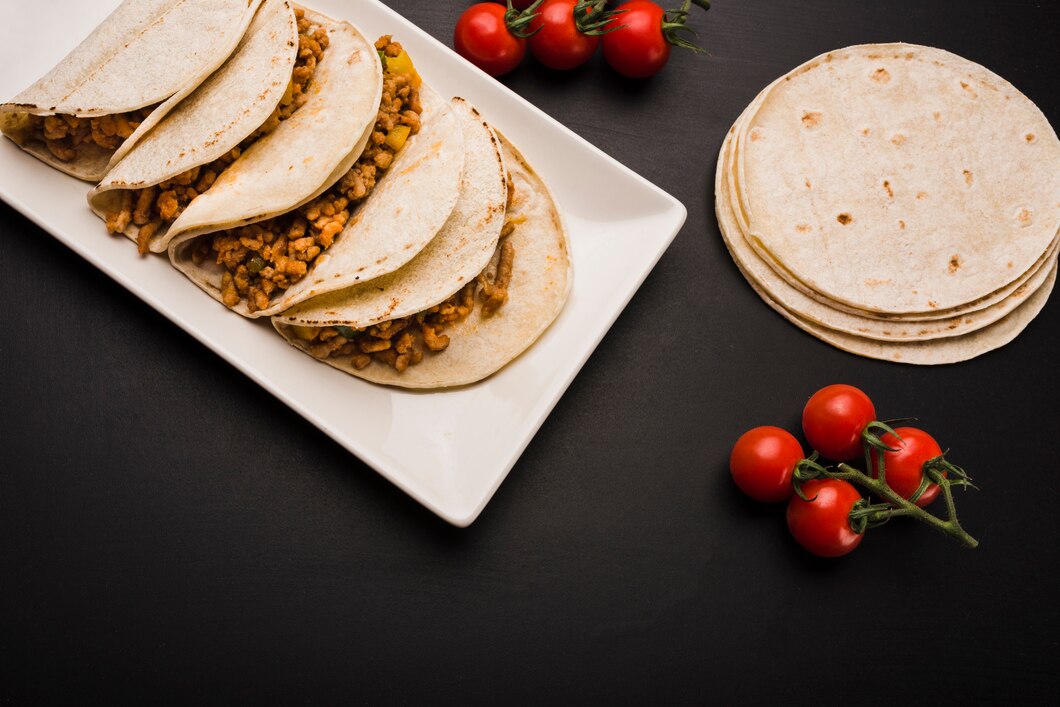
If you have ever tried making gluten-free tortillas at home, you probably know the frustration. They crack when folded, tear while rolling, or become stiff just minutes after cooking. Many grain-free recipes promise soft wraps but end up producing tortillas that feel dry and fragile. That is exactly why the cassava tortillas recipe has become so popular among home cooks and health-conscious food lovers.
Cassava flour is changing the way people think about grain-free cooking. Made from the whole cassava root, also called yuca, this naturally gluten-free flour creates tortillas that are surprisingly soft, flexible, and easy to fold. Unlike almond flour or coconut flour wraps, cassava tortillas have an authentic texture that feels close to traditional flour tortillas. They are ideal for tacos, burritos, quesadillas, and wraps without the cracking problem common in many gluten-free recipes.
As more people adopt Paleo, AIP, and gluten-free lifestyles, the demand for better bread alternatives continues to rise. These paleo vegan tortillas provide a simple solution. They contain no grains, dairy, or gluten while still delivering the chewiness and elasticity people crave in a tortilla. The secret lies in the preparation technique. Using boiling water helps gelatinize the starches in cassava flour, creating a pliable dough that bends instead of breaking.
Whether you are avoiding gluten for health reasons or simply looking for healthier homemade wraps, cassava tortillas deserve a place in your kitchen. They are versatile, nutritious, and easy to customize. In this guide, you will learn everything about cassava flour, why it works so well for tortillas, how to make perfectly soft wraps at home, and creative ways to use them in everyday meals.
What Is Cassava Flour?
Cassava flour comes from the cassava root, a starchy tuber native to South America and widely used throughout Africa, Asia, and Latin America. The root is also known as yuca or manioc. Unlike tapioca starch, which is only the extracted starch from the root, cassava flour uses the whole root after it has been peeled, dried, and ground into a fine powder.
This difference is important because whole-root cassava flour contains more fiber and nutrients compared to tapioca flour. It also behaves differently in recipes. Cassava flour has a neutral taste and soft texture that makes it ideal for baking and flatbread recipes.
One reason cassava flour has gained so much popularity is its ability to mimic wheat flour more closely than many other gluten-free flours. Coconut flour absorbs too much liquid and can become dry. Almond flour creates crumbly textures. Cassava flour, however, delivers elasticity and softness that work beautifully in wraps and tortillas.
Cassava flour is naturally:
- Gluten-free
- Grain-free
- Nut-free
- Dairy-free
- Paleo-friendly
- Vegan-friendly
- AIP-compliant
Because it fits into so many dietary lifestyles, it has become a staple ingredient in modern healthy cooking.
Why Grain-Free Tortillas Are Trending
Consumers today are paying closer attention to food ingredients than ever before. Many people are moving away from heavily processed foods and looking for simple alternatives made from recognizable ingredients. Grain-free products have exploded in popularity because they support a wide variety of eating styles and dietary needs.
Traditional tortillas are usually made from wheat flour or corn. While delicious, these ingredients may not work for everyone. Gluten sensitivities, autoimmune conditions, digestive issues, and low-inflammatory diets have encouraged many people to search for alternatives.
This is where cassava flour shines.
Unlike some gluten-free products that feel dense or dry, cassava tortillas remain soft and flexible. They can be folded, rolled, and stuffed without falling apart. That single feature makes them stand out in the world of grain free wraps.
People following the Paleo diet especially appreciate cassava tortillas because they replicate the comfort and convenience of regular tortillas without using grains or legumes. AIP followers also benefit because cassava is considered autoimmune-friendly.
Another major reason for the popularity of cassava tortillas is simplicity. Many store-bought gluten-free wraps contain preservatives, gums, stabilizers, and artificial ingredients. Homemade cassava tortillas use minimal ingredients while delivering better taste and texture.
Nutritional Benefits of Cassava Flour
Cassava flour is not only versatile but also provides several nutritional advantages.
1. Naturally Gluten-Free
Cassava flour contains no gluten, making it suitable for people with celiac disease or gluten intolerance. It allows individuals to enjoy bread-like foods without digestive discomfort.
2. Easy to Digest
Cassava is gentle on the digestive system. Many people who struggle with grain-based products find cassava easier to tolerate.
3. Allergen-Friendly
Unlike almond or coconut flour, cassava flour is nut-free. This makes it an excellent option for households with nut allergies.
4. Provides Resistant Starch
Cassava contains resistant starch, a type of carbohydrate that may support gut health and beneficial bacteria in the digestive system.
5. Supports Paleo and AIP Diets
Many restrictive diets eliminate grains, legumes, and dairy. Cassava tortillas fit perfectly into these eating plans.
6. Energy Source
Cassava is rich in carbohydrates, making it a good source of energy for active individuals.
Why Cassava Tortillas Stay Soft and Flexible
The biggest complaint about gluten-free tortillas is that they crack or crumble. Cassava flour solves this issue because of its starch composition.
When boiling water is added to cassava flour, the starches begin to gelatinize. This process changes the texture of the dough and creates elasticity. The dough becomes smoother, stretchier, and easier to roll.
This step is essential in a good cassava flour tortillas recipe. Without boiling water, the dough may feel dry and difficult to handle.
The gelatinized starches also help the tortillas stay soft after cooking. Instead of becoming brittle, they remain bendable even after cooling.
This technique creates tortillas that:
- Fold easily
- Roll without tearing
- Stay soft longer
- Work for tacos and burritos
- Taste closer to traditional tortillas
It is one of the reasons cassava tortillas are becoming the preferred choice for homemade gluten-free wraps.
Cassava Flour Tortillas Recipe
Now it is time to make your own homemade cassava tortillas.
Ingredients
- 2 cups cassava flour
- 1 teaspoon sea salt
- 2 tablespoons olive oil or avocado oil
- 1 cup boiling water
- Extra cassava flour for dusting
Optional Additions
- Garlic powder
- Dried herbs
- Chili powder
- Turmeric
- Black pepper
These additions can create flavorful variations depending on your meal.
Step-by-Step Instructions
Step 1: Mix the Dry Ingredients
In a large mixing bowl, combine cassava flour and salt. Stir well to distribute the salt evenly.
Step 2: Add Oil
Pour in the olive oil or avocado oil and mix with a spoon until the texture becomes slightly crumbly.
Step 3: Add Boiling Water
Carefully pour boiling water into the bowl. Stir immediately with a spoon or spatula because the dough will be hot.
The hot water activates the starches and helps create elasticity.
Step 4: Knead the Dough
Once cool enough to touch, knead the dough by hand until smooth. The dough should feel soft and pliable, not sticky or dry.
If the dough is too dry, add one tablespoon of warm water at a time. If too sticky, sprinkle a little extra cassava flour.
Step 5: Rest the Dough
Allow the dough to rest for 5–10 minutes. This helps the flour fully absorb moisture.
Step 6: Divide Into Portions
Separate the dough into equal balls. For medium tortillas, divide into 8 pieces.
Step 7: Roll Out the Tortillas
Place a dough ball between two sheets of parchment paper. Use a rolling pin to flatten into a thin circle.
Cassava dough rolls best when sandwiched between parchment paper.
Step 8: Cook on a Hot Skillet
Heat a dry skillet or cast-iron pan over medium heat.
Cook each tortilla for about 1–2 minutes per side. Small brown spots should appear.
Avoid overcooking because the tortillas may become stiff.
Step 9: Keep Warm
Stack cooked tortillas in a towel to trap steam and maintain softness.
Tips for Perfect Cassava Tortillas
Making excellent cassava tortillas becomes easier with practice. Here are the most important tips.
Use Boiling Water
This is the key to flexibility. Hot water transforms the starches and prevents cracking.
Do Not Overcook
Too much heat removes moisture and makes tortillas brittle.
Keep Them Covered
A towel traps steam and helps tortillas stay soft.
Roll Evenly
Thin, even tortillas cook better and remain more flexible.
Use Good Quality Cassava Flour
Different brands absorb moisture differently. High-quality cassava flour creates smoother dough.
Common Mistakes to Avoid
Even simple recipes can go wrong if certain details are ignored.
Mistake 1: Using Cold Water
Cold water will not activate the starches properly.
Mistake 2: Adding Too Much Flour
Too much cassava flour can make tortillas dry and stiff.
Mistake 3: Overheating the Pan
Very high heat can burn the tortillas before they cook evenly.
Mistake 4: Skipping Rest Time
Allowing the dough to rest improves hydration and texture.
Mistake 5: Cooking Too Long
Cassava tortillas cook quickly. Overcooking removes flexibility.
How Cassava Tortillas Compare to Other Gluten-Free Wraps
There are many types of gluten-free wraps available today, but cassava tortillas stand out for texture and versatility.
Cassava vs Almond Flour Tortillas
Almond flour tortillas are often fragile and difficult to fold. Cassava tortillas are softer and more flexible.
Cassava vs Coconut Flour Tortillas
Coconut flour absorbs a huge amount of liquid and can create dense wraps. Cassava flour feels lighter and more bread-like.
Cassava vs Corn Tortillas
Corn tortillas can crack when cold. Cassava tortillas remain pliable longer.
Cassava vs Store-Bought Gluten-Free Wraps
Many packaged wraps contain gums and preservatives. Homemade cassava tortillas use simple ingredients.
Are Cassava Tortillas Healthy?
Cassava tortillas can absolutely fit into a healthy lifestyle, especially when compared to heavily processed alternatives.
They contain:
- No gluten
- No dairy
- No refined preservatives
- No artificial additives
Because they are homemade, you control every ingredient.
However, cassava is carbohydrate-rich, so portion size matters depending on your dietary goals. Pairing cassava tortillas with protein, healthy fats, and vegetables creates balanced meals.
Paleo Vegan Tortillas for Special Diets
One reason paleo vegan tortillas are so popular is their incredible versatility across different eating plans.
Paleo Diet
Paleo diets eliminate grains and processed foods. Cassava tortillas provide a satisfying bread replacement.
Vegan Diet
These tortillas contain no animal products.
AIP Diet
Many breads contain ingredients restricted on the Autoimmune Protocol diet. Cassava tortillas are often AIP-approved.
Gluten-Free Diet
Cassava flour naturally contains no gluten.
Nut-Free Diet
Cassava tortillas are safer for those avoiding nuts.
Delicious Ways to Use Cassava Tortillas
Cassava tortillas are incredibly versatile.
Tacos
Fill with grilled vegetables, chicken, shrimp, or beans.
Burritos
Wrap rice, protein, avocado, and salsa inside soft cassava wraps.
Quesadillas
Add dairy-free cheese and cook until crispy.
Breakfast Wraps
Stuff with scrambled eggs and vegetables.
Flatbread Pizza
Use tortillas as quick pizza crusts.
Chips
Cut tortillas into triangles and bake until crispy.
Sandwich Wraps
Perfect for lunch wraps and meal prep.
Storage and Meal Prep Tips
Homemade cassava tortillas store very well.
Refrigerator Storage
Keep tortillas in an airtight container for up to 5 days.
Freezer Storage
Place parchment paper between tortillas and freeze for up to 2 months.
Reheating
Warm briefly in a skillet or microwave with a damp towel.
Flavor Variations to Try
Once you master the basic recipe, experiment with flavors.
Herb Tortillas
Add oregano, parsley, or cilantro.
Spicy Tortillas
Mix in paprika or chili powder.
Turmeric Wraps
Add turmeric for color and anti-inflammatory benefits.
Garlic Tortillas
Garlic powder adds savory flavor.
Lime Tortillas
Add lime zest for freshness.
The Science Behind Flexible Gluten-Free Dough
Traditional wheat tortillas rely on gluten for elasticity. Gluten creates stretchy protein networks that allow dough to bend without breaking.
Cassava flour works differently.
Instead of gluten, cassava relies on starch gelatinization. Hot water causes starch molecules to absorb water and swell, creating a sticky, cohesive texture.
This process explains why boiling water is essential.
The resulting dough behaves more like traditional tortilla dough, even though it contains no gluten.
Why Homemade Tortillas Taste Better
Store-bought wraps are convenient, but homemade cassava tortillas offer major advantages.
Fresher Flavor
Freshly cooked tortillas have better aroma and texture.
Cleaner Ingredients
No preservatives or unnecessary additives.
Better Texture
Homemade tortillas remain softer and more flexible.
Customizable
You can adjust thickness, seasoning, and size.
Cassava Flour Around the World
Cassava is a staple food in many cultures.
In Africa, cassava is used for fufu and flatbreads.
In Latin America, yuca appears in soups, breads, and fried dishes.
In the Caribbean, cassava bread has been made for generations.
This long culinary history demonstrates the versatility and importance of cassava as a nourishing ingredient.
Are Cassava Tortillas Similar to Coyotas Tortillas?
People looking for grain-free tortilla alternatives may also come across the phrase coyotas tortillas during their search. Traditional coyotas are actually sweet pastries from northern Mexico, often filled with brown sugar or piloncillo.
While cassava tortillas are very different from classic coyotas, both highlight the importance of flatbread-style traditions in Latin cuisine.
Cassava tortillas can even be adapted into dessert-style wraps with cinnamon and coconut sugar fillings for a creative twist inspired by sweet pastries.
Gluten Free Vegan Bread Alternatives
The popularity of cassava tortillas reflects a larger trend toward better gluten free vegan bread alternatives.
People no longer want dry, cardboard-like substitutes. They want foods that taste satisfying while supporting dietary goals.
Cassava flour is helping redefine what gluten-free baking can achieve.
Today, cassava flour is used to make:
- Pizza crusts
- Pancakes
- Crackers
- Tortillas
- Flatbreads
- Cookies
- Pasta alternatives
Its mild flavor and flexible texture make it one of the most adaptable grain-free ingredients available.
Budget-Friendly Grain-Free Cooking
One misconception about grain-free cooking is that it is expensive. While specialty products can cost more, homemade cassava tortillas are surprisingly affordable compared to packaged gluten-free wraps.
Making tortillas at home saves money and reduces waste.
You only need:
- Cassava flour
- Water
- Salt
- Oil
This simple ingredient list creates restaurant-quality wraps at a fraction of store prices.
Meal Ideas Using Cassava Tortillas
Taco Night
Use cassava tortillas for fish tacos, roasted cauliflower tacos, or spicy chicken tacos.
Healthy Lunch Wraps
Fill with hummus, lettuce, cucumber, and grilled vegetables.
Breakfast Tacos
Scrambled eggs, avocado, and salsa make a satisfying breakfast.
Sweet Dessert Wraps
Spread almond butter and bananas inside warm tortillas.
Air Fryer Chips
Brush with oil and air fry for crispy snacks.
Kid-Friendly and Family-Friendly
Many gluten-free products fail with children because of texture issues. Cassava tortillas are soft enough for wraps, quesadillas, and tacos that kids actually enjoy.
Parents also appreciate the cleaner ingredient profile.
Sustainability and Cassava Farming
Cassava is considered a resilient crop because it grows well in tropical climates and tolerates drought conditions better than many grains.
As climate concerns increase, cassava may become an even more important ingredient globally.
Supporting diverse crops like cassava can help encourage agricultural sustainability and food diversity.
Frequently Asked Questions
Are cassava tortillas gluten-free?
Yes. Cassava flour is naturally gluten-free.
Are cassava tortillas vegan?
Yes. This recipe uses no animal ingredients.
Can I freeze cassava tortillas?
Absolutely. Freeze with parchment paper between each tortilla.
Why are my tortillas cracking?
This often happens when the dough lacks enough moisture or the tortillas are cooked for too long.
Is cassava flour the same as tapioca flour?
No. Tapioca flour is extracted starch, while cassava flour uses the whole root.
Can I make cassava tortillas oil-free?
Yes, though the texture may be slightly less soft.
Final Thoughts
The rise of cassava flour proves that grain-free cooking no longer means sacrificing texture or flavor. A good cassava flour tortillas recipe creates wraps that are soft, flexible, satisfying, and versatile enough for everyday meals.
Unlike many gluten-free alternatives that crumble or crack, cassava tortillas deliver the authentic feel people miss when giving up wheat-based breads. The boiling water technique transforms simple ingredients into dough with remarkable elasticity, solving one of the biggest challenges in grain-free cooking.
Whether you follow a Paleo lifestyle, need AIP-friendly foods, or simply want healthier homemade wraps, cassava tortillas are worth trying. They work beautifully for tacos, burritos, wraps, quesadillas, and even snacks.
As interest in clean eating and allergen-friendly recipes continues to grow, cassava flour will likely remain one of the most important ingredients in modern gluten-free kitchens. These soft and flexible tortillas show that healthy alternatives can still be comforting, delicious, and practical for daily life.
The next time you crave tacos or wraps, skip the processed store-bought options and make your own homemade cassava tortillas instead. Once you experience their texture and flavor, they may become a permanent staple in your kitchen.
About the Author