

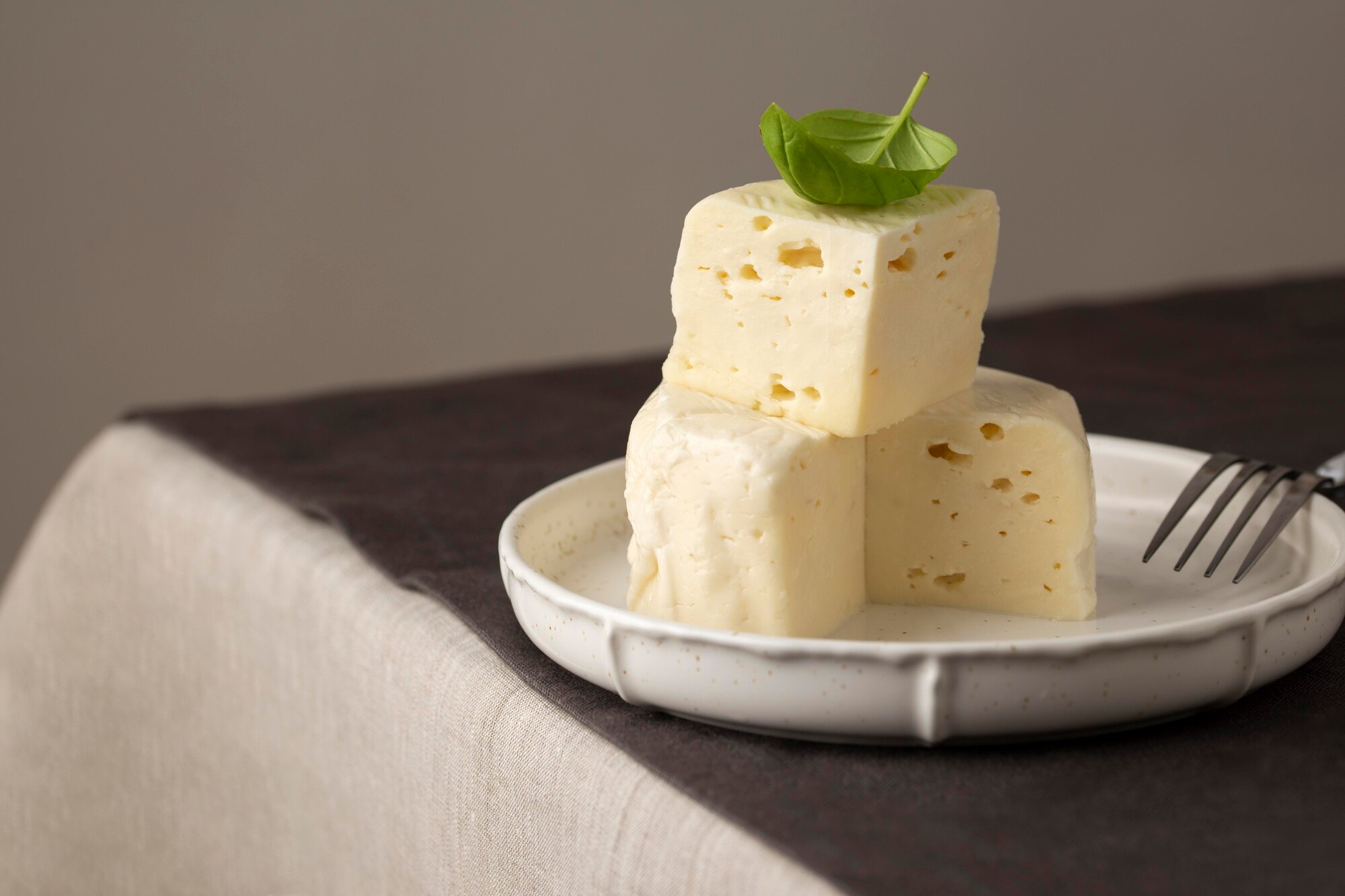
The world of plant-based cuisine is evolving rapidly, and one of the most exciting developments is the rise of fermented vegan cheese recipes that go far beyond basic nut blends and lemon juice “cheeses.” Today’s health-conscious eaters are no longer satisfied with processed vegan substitutes filled with oils, starches, and artificial stabilizers. Instead, they are seeking cultured cashew cheese that delivers depth of flavor, authentic tanginess, and genuine nutritional benefits. This is where fermented cashew cheese enters the spotlight.
Unlike traditional vegan cheese recipes that rely on acidity from lemon juice or vinegar, fermentation introduces live cultures that transform soaked cashews into a living, probiotic-rich food. The result is a cheese that is not only flavorful but also supports gut health, digestion, and overall wellness. This makes it a standout in the growing category of probiotic vegan food, especially for those who want clean-label, whole-food alternatives.
In this comprehensive guide, we’ll explore how to make fermented cashew cheese at home using methods like rejuvelac recipe fermentation or probiotic capsules. You’ll learn how fermentation works, how to achieve the perfect texture, how to age your cheese, and how to use it as the centerpiece of a stunning dairy free cheese board.
Why Fermented Cashew Cheese Is Different from Regular Vegan Cheese
Most store-bought vegan cheeses are engineered for texture and shelf stability. While they may melt or slice like dairy cheese, they often contain refined oils, modified starches, and preservatives. These ingredients mimic cheese but do not offer real nutritional value.
In contrast, fermented cashew cheese is alive.
Key differences include:
- Natural fermentation instead of acid flavoring
- Probiotic development during culturing
- Minimal processing and clean ingredients
- Enhanced digestibility
- Deeper, more complex flavor profile
Fermentation creates lactic acid bacteria that break down carbohydrates and proteins in the cashews, resulting in a tangy, slightly sour, and rich flavor that closely resembles traditional aged cheese.
This is what makes fermented cashew cheese so special—it doesn’t just imitate cheese; it evolves into it.
The Science Behind Fermentation in Cashew Cheese
Fermentation is a natural metabolic process where beneficial bacteria consume sugars and starches, producing lactic acid. This process:
- Lowers pH (adds tanginess)
- Improves shelf life
- Enhances nutrient bioavailability
- Introduces beneficial probiotics
When cashews are blended and exposed to cultures like rejuvelac or probiotic capsules, they begin to ferment at room temperature. The mixture slowly thickens, develops aroma, and transforms into a creamy, spreadable cheese base.
Why cashews work so well:
- Naturally high fat content creates creamy texture
- Mild flavor allows fermentation to shine
- Easy to blend into smooth consistency
- Absorbs cultures effectively
This makes them ideal for crafting a high-quality cultured cashew cheese that feels indulgent but remains plant-based and nutrient-rich.
Understanding Rejuvelac: The Traditional Fermentation Starter
A key element in many traditional raw food cheese recipes is rejuvelac recipe fermentation.
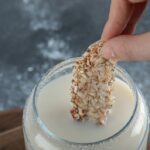
Rejuvelac is a slightly cloudy, fermented grain water made by soaking and sprouting grains such as wheat, quinoa, or rye. During sprouting, beneficial bacteria naturally develop, creating a probiotic-rich liquid.
How rejuvelac works:
- Provides natural fermentation cultures
- Introduces lactic acid bacteria
- Adds subtle tangy flavor
- Acts as a natural probiotic starter
Many raw food enthusiasts prefer rejuvelac because it is completely natural and cost-effective. However, if you don’t want to prepare it, probiotic capsules can be used as a convenient alternative.
Ingredients for Fermented Cashew Cheese
To create a smooth and flavorful fermented vegan cheese recipe, you’ll need simple, clean ingredients.
Base ingredients:
- 2 cups raw cashews (soaked 4–6 hours)
- ½ cup rejuvelac OR 2 probiotic capsules
- 1–2 tablespoons lemon juice (optional, for brightness)
- ½ teaspoon sea salt
Optional flavor additions:
- Garlic powder
- Nutritional yeast
- Fresh herbs (thyme, rosemary, dill)
- Cracked black pepper
- Smoked paprika
These optional ingredients help create signature variations of your cultured cashew cheese for different charcuterie experiences.
Step-by-Step Fermented Cashew Cheese Recipe
Step 1: Soak the Cashews
Soaking softens cashews and prepares them for blending.
- Place cashews in a bowl
- Cover with filtered water
- Soak for 4–6 hours (or overnight)
- Drain and rinse thoroughly
This step ensures a smooth, creamy base.
Step 2: Blend Into a Smooth Base
Add soaked cashews to a high-speed blender along with:
- Rejuvelac or probiotic capsules (opened)
- Salt
- Optional lemon juice
Blend until completely smooth. Add small amounts of water if needed, but keep the mixture thick.
The texture should resemble thick cream cheese.
Step 3: Begin the Fermentation Process
Transfer the mixture into a clean glass jar or bowl.
Cover loosely with:
- Cheesecloth
- Breathable lid
This allows airflow while preventing contamination.
Place in a warm, dark area at room temperature.
Step 4: Ferment for 24–48 Hours
This is where transformation happens.
During fermentation:
- Bacteria multiply
- Flavor becomes tangy
- Texture thickens
- Aroma deepens
Check after 24 hours. For a stronger flavor, continue up to 48 hours.
This stage defines the signature taste of a true fermented vegan cheese recipe.
Step 5: Taste and Adjust
Once fermentation is complete:
- Stir the mixture
- Taste for tanginess
- Add salt or herbs if needed
At this point, your cashew cheese is alive, flavorful, and ready for shaping.
Step 6: Shape Your Cheese
Now comes the creative part—turning it into elegant forms suitable for a dairy free cheese board.
You can:
- Roll into small balls
- Shape into a log
- Press into a mold
- Create mini cheese wheels
For firmer texture, refrigerate for a few hours before shaping.
Step 7: Flavor Coating and Finishing Touches
To elevate presentation and flavor, roll your cheese in:
- Cracked peppercorns
- Chopped herbs
- Chili flakes
- Smoked salt
- Crushed nuts
This adds texture and visual appeal, making it perfect for hosting or entertaining.
Aging and Storage Process
Although this cheese is technically ready after fermentation, short aging enhances flavor further.
Aging guidelines:
- Refrigerate for 2–5 days
- Flavor becomes more complex
- Texture firms slightly
Store in an airtight container for up to 7–10 days.
For longer storage, freezing is possible, though it may slightly alter texture.
Flavor Variations of Cultured Cashew Cheese
One of the most exciting aspects of cultured cashew cheese is versatility.
1. Garlic & Herb Cheese
- Rosemary
- Thyme
- Garlic powder
Perfect for crackers and sandwiches.
2. Spicy Pepper Cheese
- Black pepper
- Chili flakes
- Smoked paprika
Great for bold charcuterie boards.
3. Sweet & Savory Cheese
- Light maple syrup
- Sea salt
- Crushed nuts
Pairs beautifully with fruit platters.
4. Mediterranean Style Cheese
- Oregano
- Basil
- Sun-dried tomato bits
Ideal for gourmet spreads.
Building a Dairy-Free Cheese Board
A fermented cashew cheese truly shines when served as part of a dairy free cheese board.
Include:
- Fermented cashew cheese varieties
- Fresh fruits (grapes, figs, apples)
- Artisan crackers
- Olives and pickles
- Nuts and seeds
- Fresh herbs for garnish
This creates a visually stunning and nutritionally balanced platter.
Why Fermented Vegan Cheese Supports Gut Health
One of the biggest advantages of fermented cheese is its probiotic content.
Gut health benefits include:
- Improved digestion
- Balanced gut microbiome
- Better nutrient absorption
- Reduced bloating
- Enhanced immunity
This makes it a powerful probiotic vegan food option that supports long-term wellness.
Common Mistakes to Avoid
Even simple recipes can go wrong without attention.
Avoid:
- Over-blending into runny texture
- Fermenting in cold environments
- Using contaminated jars
- Adding too much liquid starter
- Skipping soaking step
These mistakes can affect flavor and fermentation quality.
How to Start Your Fermentation Journey Successfully
If you are new to fermentation, start small.
Beginner tips:
- Try 24-hour fermentation first
- Use probiotic capsules if rejuvelac feels complex
- Keep notes on flavor changes
- Experiment with herbs gradually
With practice, your confidence will grow quickly.
The Future of Plant-Based Cheese
The popularity of fermented plant foods is growing rapidly. People are shifting away from ultra-processed alternatives and returning to traditional food preparation methods.
Fermented cashew cheese represents this shift perfectly—it is:
- Natural
- Nutritious
- Flavorful
- Sustainable
- Customizable
As demand for clean eating rises, recipes like this will become staples in modern kitchens.
Conclusion: A New Standard for Vegan Cheese
Creating fermented cashew cheese is more than just a cooking experiment—it’s a return to traditional food wisdom combined with modern plant-based innovation.
This fermented vegan cheese recipe proves that vegan cheese does not need to be processed or artificial. With simple ingredients, natural fermentation, and a little patience, you can create a rich, tangy, probiotic-packed cheese that rivals traditional dairy versions.
Whether you are building a dairy free cheese board, exploring probiotic vegan food, or simply looking for healthier alternatives, fermented cashew cheese offers a delicious and nourishing solution.
Once you experience the depth of flavor that fermentation brings, you may never go back to store-bought vegan cheese again.