When it comes to optimizing performance and health on a plant-based diet, creatine for vegans is one of the most talked-about yet misunderstood topics. From improving strength to boosting brain function, creatine has gained massive popularity—but questions still remain. What are the vegan creatine benefits? Should vegans take creatine at all? Is there a creatine deficiency in vegans, and is creatine even vegan? This comprehensive guide explores everything you need to know about creatine supplement for vegans, debunks common myths, and helps you decide whether vegan creatine supplementation is right for your lifestyle.
What Is Creatine and Why Does It Matter?
Creatine is a compound that your body naturally produces and stores primarily in the muscles and brain. It plays a key role in producing energy during high-intensity activities like lifting weights, sprinting, or even mental tasks requiring focus.
This is where the conversation around plant-based diet and creatine begins.
Since vegans don’t consume animal products, their dietary intake of creatine is essentially zero. That’s why understanding creatine deficiency in vegans and the need for supplementation becomes important.
Is Creatine Vegan?
Let’s clear up a major confusion: is creatine vegan?
Yes—most modern creatine supplements are 100% vegan.
Although creatine is naturally found in animal tissues, commercially available creatine is synthetically produced in labs using non-animal ingredients. This makes it suitable for vegans and vegetarians.
So if you’re worried about ethics or dietary restrictions, rest assured: a high-quality creatine supplement for vegans aligns perfectly with a plant-based lifestyle.
Creatine Deficiency in Vegans: Is It Real?
Research shows that vegans and vegetarians typically have lower baseline creatine levels compared to omnivores. This doesn’t necessarily mean a clinical deficiency, but it does indicate a reduced reserve.
Here’s why that matters:
- Lower muscle creatine stores
- Reduced ability to generate quick energy
- Potential limitations in high-intensity performance
This is why vegan creatine supplementation is often recommended—especially for athletes or active individuals.
Vegan Creatine Benefits: Why It’s Worth Considering
Let’s dive into the benefits of creatine for vegans and why it’s one of the most effective supplements available.
1. Improved Strength and Power
Creatine increases the availability of ATP (your body’s primary energy molecule), allowing you to:
- Lift heavier weights
- Perform more reps
- Recover faster between sets
For those following a vegan diet for strength training, creatine can significantly enhance performance.
2. Enhanced Muscle Growth
One of the most well-known vegan muscle building supplements is creatine—and for good reason.
It helps:
- Increase muscle hydration (cell volumization)
- Promote protein synthesis
- Support lean muscle gains
For anyone focused on vegan bodybuilding nutrition, creatine can be a game-changer.
3. Better Cognitive Function
Creatine isn’t just for muscles—it also benefits the brain.
Studies suggest:
- Improved memory and focus
- Reduced mental fatigue
- Better cognitive performance under stress
Since vegans may have lower creatine levels, these brain benefits can be even more noticeable.
4. Faster Recovery
Creatine helps reduce muscle damage and inflammation after intense workouts.
Benefits include:
- Less soreness
- Quicker recovery time
- Improved training consistency
This makes it an essential part of plant-based fitness nutrition.
5. Increased Endurance in High-Intensity Activities
While creatine is not typically associated with endurance sports, it helps in repeated bursts of energy—ideal for:
- HIIT workouts
- Sprinting
- Cross-training
Should Vegans Take Creatine?
Now the big question: should vegans take creatine?
The short answer: In most cases, yes—especially if you’re active.
Here’s who benefits the most:
- Vegan athletes
- Gym-goers and bodybuilders
- People doing high-intensity workouts
- Individuals experiencing fatigue or low energy
Even if you’re not an athlete, supplementing can support overall energy and brain function.
However, if your activity level is low, supplementation may not be essential—but it can still offer benefits.
Creatine for Vegan Athletes
For creatine for vegan athletes, supplementation can be particularly impactful.
Why?
Because athletes rely heavily on:
- Explosive strength
- Rapid recovery
- Consistent performance
Without dietary creatine intake, vegan athletes may start at a disadvantage. Supplementing helps level the playing field.
Best Creatine for Vegans: What to Look For
If you’re searching for the best creatine for vegans, here’s what to consider:
1. Creatine Monohydrate
This is the most researched and effective form.
- Proven results
- Affordable
- Widely available
2. Third-Party Tested
Look for certifications to ensure purity and safety.
3. No Additives
Avoid products with unnecessary fillers, artificial sweeteners, or animal-derived capsules.
4. Micronized Form
This improves solubility and absorption.
Vegan Fitness Supplements Creatine: How to Use It
When adding creatine to your routine, consistency matters more than timing.
Recommended Dosage:
- 3–5 grams per day
Loading Phase (Optional):
- A daily intake of 20 grams, divided into four separate servings, over a period of 5 to 7 days
- Then switch to maintenance dose
When to Take:
- Anytime during the day
- Post-workout is common, but not mandatory
With What:
- Water or a carbohydrate source for better absorption
Natural Creatine Sources Vegan: Are There Any?
A common question is: natural creatine sources vegan—do they exist?
The reality:
- There are no direct plant-based sources of creatine
- Your body produces small amounts naturally
However, certain foods support creatine production:
- Lentils
- Chickpeas
- Pumpkin seeds
- Spinach
Still, these won’t provide the same benefits as supplementation.
Creatine Myths Vegan: Debunking Common Misconceptions
Let’s address some widespread creatine myths vegan users often encounter.
Myth 1: Creatine Is Not Vegan
False. As mentioned earlier, most supplements are synthetically produced and vegan-friendly.
Myth 2: Creatine Causes Kidney Damage
This myth has been debunked in healthy individuals.
- Safe when taken in recommended doses
- No evidence of harm in people with normal kidney function
Myth 3: Creatine Is Only for Bodybuilders
Not true.
Creatine benefits:
- Athletes
- Students
- Older adults
- Anyone looking to improve energy and performance
Myth 4: Creatine Causes Water Retention (Bad Weight Gain)
While creatine increases water content in muscles, this is:
- Beneficial for muscle growth
- Not the same as fat gain
Is Creatine Safe for Vegans?
A key concern is: is creatine safe for vegans?
Yes—creatine is one of the most studied supplements in the world and is considered safe for long-term use in healthy individuals.
Safety highlights:
- No harmful effects when used correctly
- Suitable for both men and women
- No dependency or withdrawal
Vegan Creatine Side Effects: What to Expect
Although generally safe, some people may experience mild vegan creatine side effects:
- Bloating (usually temporary)
- Digestive discomfort (if taken in high doses)
- Water retention
To minimize side effects:
- Stick to recommended dosage
- Stay hydrated
- Choose high-quality supplements
Does Creatine Cause Hair Loss Vegan?
This is one of the most debated topics: does creatine cause hair loss vegan?
The concern comes from a study suggesting creatine may increase DHT (a hormone linked to hair loss).
However:
- Evidence is limited and inconclusive
- No direct proof linking creatine to hair loss
If you’re genetically prone to hair loss, you may want to monitor your response—but for most people, this isn’t a concern.
Creatine and Plant-Based Fitness Nutrition
In the world of plant-based fitness nutrition, creatine stands out because:
- It fills a natural gap in vegan diets
- Enhances both physical and mental performance
- Complements other nutrients like protein and B12
Combining creatine with a balanced diet ensures optimal results.
Vegan Diet for Strength Training: Where Creatine Fits In
A well-structured vegan diet for strength training includes:
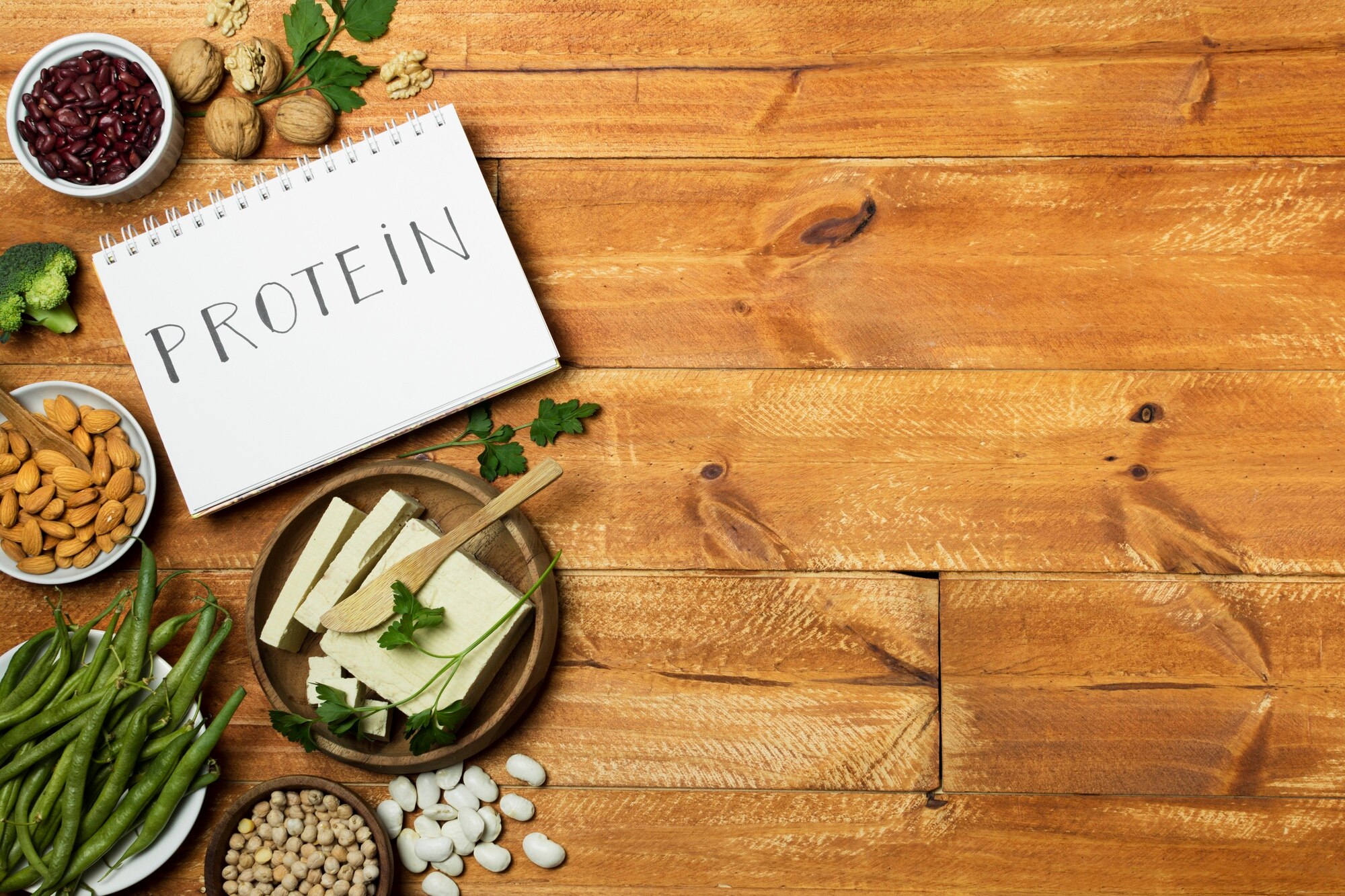
- High-quality plant protein (tofu, tempeh, legumes)
- Complex carbohydrates (whole grains, fruits)
- Healthy fats (nuts, seeds)
- Micronutrients (iron, B12, omega-3s)
Adding creatine enhances:
- Power output
- Muscle recovery
- Training intensity
Vegan Bodybuilding Nutrition and Creatine
For those serious about vegan bodybuilding nutrition, creatine is almost essential.
Benefits include:
- Improved hypertrophy
- Better workout performance
- Increased training volume
It’s often considered a foundational supplement alongside:
- Protein powder
- BCAAs (optional)
- Omega-3 supplements
How Long Does Creatine Take to Work?
With consistent use:
- Initial effects: 1–2 weeks
- Full saturation: 3–4 weeks
If you do a loading phase, results may appear faster.
Who Should Avoid Creatine?
While safe for most, some individuals should consult a doctor before use:
- People with kidney disease
- Those on certain medications
- Pregnant or breastfeeding individuals
Practical Tips for Vegan Creatine Supplementation
To get the most out of vegan creatine supplementation:
- Stay consistent daily
- Drink plenty of water
- Combine with resistance training
- Pair with a balanced vegan diet
Final Thoughts: Should You Take Creatine as a Vegan?
So, should vegans take creatine?
If you’re looking to improve strength, energy, recovery, or cognitive function, the answer is a strong yes.
Given the lack of natural creatine sources vegan diets provide, supplementation is one of the easiest and most effective ways to optimize your health and performance.
From enhancing workouts to supporting brain function, the benefits of creatine for vegans are too significant to ignore.
About the Author