




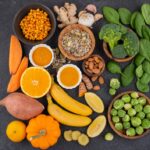



A vegan diet can support long-term health when properly planned, but it also comes with risks such as vitamin B12 deficiency, iron deficiency, low omega-3 intake, calcium deficiency, and protein imbalance. Most vegan diet risks come from poor planning, not the diet itself. With proper vegan nutrition, fortified foods, and smart supplementation, a healthy plant-based lifestyle is absolutely achievable.
🧠 The Truth About Vegan Diet Risks
Plant-based eating has grown rapidly in popularity, with millions of people adopting vegan diets for health, environmental, and ethical reasons. While a healthy vegan diet can offer impressive benefits, it is not automatically nutritionally complete.
Many beginners underestimate the importance of vegan nutrition planning, leading to vegan diet side effects such as fatigue, weakness, or nutrient deficiencies. These issues do not mean veganism is unhealthy — instead, they highlight the importance of understanding risks of a vegan diet and how to manage them properly.
In reality, most vegan health risks are preventable. The key is knowing what nutrients to watch, how to structure meals, and when to use vegan diet supplements.
This guide covers all the key details you should know about :
- What can go wrong on a vegan diet
- Nutrient deficiencies in vegans
- Risks of long-term vegan diets
- How to stay healthy on a vegan diet
- Expert-backed solutions for balanced vegan nutrition
🥗 What Is a Vegan Diet?
A vegan diet excludes all animal-derived products:
- Meat and poultry
- Fish and seafood
- Dairy products
- Eggs
- Honey
Instead, it focuses on plant-based nutrition, including:
- Fruits and vegetables
- Whole grains
- Legumes
- Nuts and seeds
- Fortified vegan foods
A properly designed vegan diet can be highly nutritious, but missing key nutrients can lead to vegan diet deficiencies over time.
⚠️ Vegan Diet Risks You Should Know
1. Vitamin B12 Deficiency (Most Critical Risk)
One of the biggest vegan health risks is vitamin B12 deficiency.
Why it matters:
Vitamin B12 supports:
- Brain function
- Nervous system health
- Red blood cell production
Risk:
Since B12 is found naturally only in animal products, vegans are at high risk.
Symptoms:
- Fatigue
- Memory issues
- Tingling sensations
- Mood changes
Prevention:
- Fortified plant milk
- Nutritional yeast
- Vitamin B12 supplements
👉 This is essential for vegan diet safety and long-term health.
2. Iron Deficiency Vegan Diet Problems
Iron is vital for oxygen transport and energy.
Issue:
Plant-based iron (non-heme iron) is absorbed less efficiently.
Vegan iron sources:
- Lentils
- Chickpeas
- Spinach
- Pumpkin seeds
Improve absorption:
Pair iron with vitamin C foods like oranges and tomatoes.
👉 This is a key part of staying healthy on a vegan diet.
3. Low Protein Intake (Common Beginner Mistake)
Many assume vegan diets lack protein — the real issue is poor planning.
Best vegan protein sources:
- Tofu
- Tempeh
- Lentils
- Chickpeas
- Quinoa
- Seitan
Risk:
Low protein intake can affect:
- Muscle strength
- Energy levels
- Recovery
👉 Proper vegan protein intake is essential for balance.
4. Calcium Deficiency and Bone Health
Calcium supports strong bones and muscle function.
Vegan calcium sources:
- Fortified plant milk
- Tofu (calcium-set)
- Kale
- Almonds
Risk:
Long-term deficiency can lead to:
- Weak bones
- Higher fracture risk
5. Omega-3 Deficiency
Omega-3 supports brain and heart health.
Vegan sources:
- Flaxseeds
- Chia seeds
- Walnuts
- Algae oil
Concern:
Plant omega-3 conversion is inefficient.
👉 Algae-based supplements are often recommended.
6. Zinc and Immune Weakness
Zinc supports immunity and healing.
Sources:
- Beans
- Seeds
- Whole grains
Risk:
Low absorption from plant foods may lead to deficiency.
7. Iodine and Thyroid Issues
Iodine supports thyroid function.
Risk:
Vegans who avoid iodized salt or sea vegetables may become deficient.
8. Vitamin D Deficiency
Vitamin D supports:
- Immunity
- Bone strength
Risk:
Limited sun exposure + no animal sources = deficiency risk.
⚖️ Common Vegan Diet Challenges
Many common vegan mistakes include:
- Relying on processed vegan junk food
- Ignoring supplements
- Poor meal variety
- Lack of protein diversity
- Not tracking nutrients
These mistakes often lead to vegan diet side effects such as fatigue or weakness.
🧩 Risks of Long-Term Vegan Diets
If not properly planned, long-term vegan diets may lead to:
- Nutritional imbalances
- Reduced bone density
- Hormonal disruptions
- Low energy levels
However, research shows that a balanced vegan diet with proper supplementation does NOT cause these issues.
🥦 How to Stay Healthy on a Vegan Diet
1. Focus on Nutrient Diversity
Eat a wide range of:
- Vegetables
- Fruits
- Whole grains
- Legumes
- Seeds
2. Use Fortified Foods
Include:
- Fortified plant milk
- Fortified cereals
- Nutritional yeast
3. Take Essential Supplements
- Vitamin B12 (mandatory)
- Vitamin D
- Omega-3 (algae oil)
- Iron (if needed)
4. Plan Balanced Meals
A good vegan plate includes:
- Protein source
- Healthy fats
- Complex carbs
- Micronutrient-rich vegetables
🧾 Vegan Nutrition Checklist
✔ B12 supplementation
✔ Iron-rich foods
✔ Protein variety
✔ Omega-3 intake
✔ Calcium sources
✔ Zinc-rich foods
✔ Iodine monitoring
🧠 Vegan Health Benefits vs Risks
Benefits:
- Better heart health
- Lower cholesterol
- Improved digestion
- Weight control
Risks (if poorly planned):
- Nutrient deficiencies
- Low energy
- Bone health issues
👉 The outcome depends on vegan nutrition quality, not just food exclusion.
❌ Myth vs Fact
Myth: Vegan diets always lack protein
✔ Fact: Plant foods provide sufficient protein when varied.
Myth: Vegans are always nutrient deficient
✔ Fact: Only poorly planned diets cause deficiencies.
Myth: Veganism is automatically healthy
✔ Fact: Junk food vegan diets exist too.
📊 Expert Insight
Nutrition experts agree:
A healthy vegan diet is safe for all life stages when properly planned with attention to essential nutrients for vegans like B12, iron, calcium, and omega-3.
🔮 Future Trends in Vegan Nutrition
- Lab-grown plant proteins
- Enhanced fortified foods
- Personalized vegan supplements
- AI-based diet planning tools
❓ FAQ: Vegan Diet Risks
1. What are the biggest vegan diet risks?
Vitamin B12 deficiency, iron deficiency, and low omega-3 intake.
2. Is a vegan diet unhealthy long-term?
Not if properly planned with supplements and balanced nutrition.
3. How do vegans avoid B12 deficiency?
Through supplements and fortified foods.
4. Can vegans get enough protein?
Yes, with legumes, tofu, tempeh, and grains.
5. What are common vegan diet side effects?
Fatigue, low energy, and nutrient deficiencies if poorly planned.
6. Do vegans need supplements?
Yes, especially B12, vitamin D, and omega-3.
7. Is iron deficiency common in vegans?
Yes, but it can be managed with proper food combinations.
8. What is the healthiest vegan diet?
A balanced diet with whole foods, variety, and supplements.
9. Can vegan diets cause weakness?
Only if poorly planned or nutrient-deficient.
10. How do I stay healthy on a vegan diet?
Eat diverse foods, use fortified products, and take supplements.
🧾 Conclusion
A vegan diet can be incredibly healthy — but only when done right. The biggest vegan diet risks come from poor planning, not the diet itself. By understanding vegan nutrition deficiencies, using vegan protein sources, and maintaining a balanced vegan diet, you can avoid common pitfalls and enjoy long-term health.
If you’re considering or already following a vegan lifestyle, focus on nutrient-rich vegan foods, smart supplementation, and consistent meal planning.
👉 Want more science-backed nutrition guides? Stay tuned for more expert insights on plant-based health and wellness.