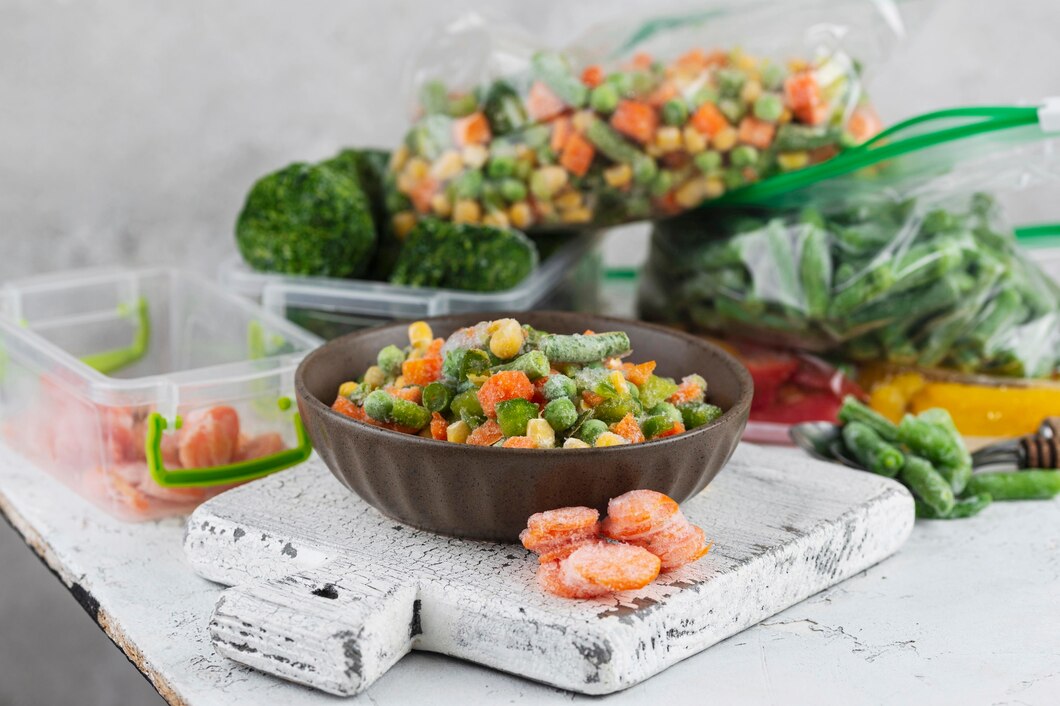
For individuals aiming to maintain a healthy plant-based lifestyle without overspending, Frozen Veggies offer an excellent balance of nutrition, convenience, and affordability. While fresh vegetables are often considered the superior choice, Frozen Veggies are frequently just as nutritious and can sometimes retain more nutrients due to being frozen shortly after harvest. They also help reduce food waste, as they last much longer than fresh produce and can be used as needed.
Many dietitians recommend incorporating Frozen Veggies into everyday meals because they provide consistent quality and make healthy eating more accessible. Whether you’re following budget vegan tips, streamlining your weekly meal prep, or looking for ways to maximize nutrient retention in frozen food, Frozen Veggies are a practical and cost-effective solution. Keeping a variety of Frozen Veggies in your freezer ensures you always have nutritious ingredients on hand for soups, stir-fries, smoothies, and other plant-based dishes.
The debate between fresh and frozen vegetables has existed for decades, but modern food processing techniques have changed the conversation. Today’s frozen vegetables are typically harvested at peak ripeness and flash-frozen shortly afterward, preserving much of their nutritional content. Meanwhile, many fresh vegetables travel long distances before reaching grocery store shelves, often losing nutrients during transportation and storage.
Understanding the truth about frozen produce can help vegans and budget-conscious shoppers make better decisions, spend less money, and enjoy healthy meals year-round.
Why Frozen Vegetables Have an Unfair Reputation
Frozen vegetables often suffer from a reputation problem. Many consumers associate frozen foods with heavily processed meals, excessive sodium, or lower-quality ingredients. While this may be true for some frozen convenience foods, it does not accurately describe plain frozen vegetables.
The misconception largely comes from the belief that fresh automatically means healthier. However, the nutritional reality is more nuanced.
Fresh vegetables may look vibrant in the grocery store, but many have already spent days or even weeks in transportation, warehouses, and display cases. During this time, some vitamins and antioxidants naturally begin to decline.
Frozen vegetables, on the other hand, are typically harvested at their peak and frozen shortly after picking. This process helps preserve important nutrients and allows consumers to enjoy vegetables long after harvest season.
As a result, frozen vegetables are not a compromise—they are often a highly practical solution for healthy eating.
Understanding Nutrient Retention in Frozen Food
One of the strongest arguments in favor of frozen vegetables is nutrient retention frozen food benefits.
When vegetables are harvested, natural biological processes continue even after they leave the field. Exposure to light, oxygen, and temperature fluctuations can gradually reduce certain vitamins.
Fresh vegetables often experience:
- Transportation delays
- Warehouse storage
- Shelf display time
- Home refrigeration periods
During this journey, nutrient levels can slowly decrease.
Frozen vegetables take a different path. After harvest, they are typically washed, prepared, and flash-frozen within a short period. This rapid freezing process helps preserve nutrients close to their peak levels.
Research has shown that many frozen vegetables contain nutrient levels comparable to—and sometimes greater than—those found in fresh vegetables that have spent several days in transit.
This means consumers can enjoy affordable vegetables without sacrificing nutritional quality.
The Budget Advantage of Frozen Vegetables
For vegans trying to manage grocery costs, frozen vegetables represent one of the most effective budget vegan tips available.
Fresh produce prices fluctuate throughout the year depending on:
- Seasonal availability
- Weather conditions
- Transportation costs
- Regional supply issues
Frozen vegetables offer consistent pricing and are often significantly cheaper than fresh alternatives.
Benefits include:
Lower Cost Per Serving
Frozen vegetables are typically sold in larger quantities and often cost less per serving than fresh produce.
Reduced Food Waste
One of the biggest challenges of buying fresh vegetables is spoilage.
Many people purchase fresh produce with good intentions only to discover wilted vegetables days later.
Frozen vegetables eliminate this problem because they remain usable for months.
Better Inventory Management
Having frozen vegetables available makes it easier to create meals without making frequent grocery trips.
This flexibility helps consumers stay within budget and reduce impulse purchases.
How Frozen Vegetables Reduce Food Waste
Food waste is one of the hidden costs of grocery shopping.
Fresh vegetables have a limited shelf life, and unused produce frequently ends up in the trash.
Common examples include:
- Wilted spinach
- Moldy peppers
- Soft broccoli
- Expired salad greens
Frozen vegetables solve this problem by allowing consumers to use only what they need.
Instead of cooking an entire package, you can remove a portion and return the rest to the freezer.
Over time, this dramatically reduces waste and stretches grocery dollars further.
For vegan households trying to maximize value, this is one of the most practical meal prep hacks available.
Seasonal Variety All Year Long
Another advantage of frozen vegetables is year-round availability.
Fresh produce availability often changes with the seasons. Some vegetables become expensive or difficult to find during certain times of the year.
Frozen vegetables allow consumers to enjoy:
- Broccoli
- Cauliflower
- Peas
- Green beans
- Spinach
- Mixed vegetables
throughout the year at relatively stable prices.
This consistency makes meal planning easier and more predictable.
Fresh vs. Frozen: Which Is Better?
The answer depends on your goals.
If you have access to freshly harvested local produce, fresh vegetables can be an excellent option.
However, when comparing supermarket produce that has traveled long distances to properly frozen vegetables, the nutritional differences are often minimal.
Fresh vegetables offer:
- Crisp textures
- Immediate consumption
- Farmers market availability
Frozen vegetables offer:
- Longer shelf life
- Less waste
- Budget-friendly pricing
- Excellent nutrient preservation
- Convenience
For most budget-conscious vegans, frozen vegetables provide an outstanding balance of nutrition, affordability, and practicality.
The Biggest Mistake People Make with Frozen Vegetables
Many people dislike frozen vegetables because they prepare them incorrectly.
The most common mistake is boiling or steaming them excessively.
Overcooking often produces vegetables that become:
- Mushy
- Watery
- Bland
- Unappealing
This poor cooking experience reinforces the myth that frozen vegetables are inferior.
In reality, preparation method makes a significant difference.
The Best Way to Cook Frozen Vegetables
To achieve the best flavor and texture, skip the boiling pot.
Instead, use high-heat roasting.
Cooking frozen vegetables directly from frozen at temperatures above 400°F (204°C) helps evaporate excess moisture and encourages caramelization.
Benefits include:
- Crisp edges
- Better texture
- Richer flavor
- Reduced sogginess
High-heat roasting transforms frozen vegetables from a basic side dish into a flavorful component of any meal.
Why Roasting Works Better Than Steaming
Steaming traps moisture.
Frozen vegetables already contain ice crystals from the freezing process. Adding additional moisture often creates a soft texture.
Roasting allows water to evaporate quickly while promoting browning and flavor development.
The result is a vegetable dish that tastes fresh, satisfying, and restaurant-worthy.
This technique is one of the most valuable meal prep hacks for anyone trying to make frozen produce more enjoyable.
Roasted Frozen Broccoli with Lemon and Garlic
This simple recipe demonstrates how frozen vegetables can deliver excellent flavor, texture, and nutrition without increasing food costs.
Ingredients
- 1 bag frozen broccoli florets
- 2 tablespoons olive oil
- 3 garlic cloves, minced
- 1 lemon
- Salt to taste
- Black pepper to taste
Instructions
- Preheat oven to 425°F (220°C).
- Spread frozen broccoli directly onto a baking sheet.
- Drizzle with olive oil.
- Add minced garlic.
- Season with salt and pepper.
- Toss evenly.
- Roast for 25–30 minutes.
- Stir once halfway through cooking.
- Remove when edges are browned and crisp.
- Drizzle freshly squeezed lemon juice over the broccoli just before serving.
Why This Recipe Works
The high roasting temperature removes excess moisture while creating flavorful caramelized edges.
The lemon provides a fresh, vibrant flavor, while the garlic adds a rich and savory taste.
This simple recipe proves that frozen vegetables can be delicious, affordable, and satisfying.
Stir Fry with Frozen Veg: A Fast Vegan Dinner Solution
Another excellent use of frozen vegetables is a stir fry with frozen veg.
Many people assume frozen vegetables cannot work in stir fries because of moisture concerns. However, proper technique solves this issue.
Tips for success include:
- Use a very hot pan.
- Avoid overcrowding.
- Cook vegetables directly from frozen.
- Allow moisture to evaporate before adding sauces.
- Use high heat throughout cooking.
Frozen stir-fry blends provide convenience while delivering a variety of vegetables in one package.
Popular additions include:
- Tofu
- Tempeh
- Brown rice
- Noodles
- Edamame
A quick stir fry with frozen veg can become a complete, nutritious vegan meal in less than thirty minutes.
Meal Prep Hacks Using Frozen Vegetables
Frozen vegetables are ideal for efficient meal planning.
Some of the best meal prep hacks include:
Batch Cooking
Prepare large portions of grains, beans, and roasted vegetables at the beginning of the week.
Smoothie Boosters
Frozen spinach and kale blend easily into smoothies.
Soup Starters
Frozen vegetables can be added directly to soups without preparation.
Quick Side Dishes
Keep multiple vegetable varieties available for easy meal customization.
Emergency Meals
Frozen vegetables make it easier to create healthy meals even when fresh produce supplies are low.
These strategies save time, reduce stress, and help maintain a healthy vegan diet.
Frozen Vegetables and Vegan Nutrition
A balanced vegan diet depends heavily on vegetable consumption.
Frozen vegetables provide important nutrients such as:
- Vitamin C
- Vitamin A
- Folate
- Potassium
- Fiber
- Antioxidants
Because frozen produce remains available year-round, it helps vegans maintain nutritional consistency regardless of season or budget.
This accessibility supports long-term dietary success.
Common Myths About Frozen Vegetables
Myth 1: Frozen Vegetables Are Less Nutritious
In many cases, nutrient levels remain comparable to fresh produce due to rapid freezing after harvest.
Myth 2: Frozen Vegetables Contain Preservatives
Plain frozen vegetables generally contain no preservatives.
Myth 3: Frozen Produce Tastes Worse
Proper cooking techniques can produce excellent flavor and texture.
Myth 4: Frozen Vegetables Are Only for Convenience
While convenient, they also offer nutritional and financial benefits.
Building a Budget-Friendly Vegan Freezer
A well-stocked freezer can significantly reduce grocery expenses.
Consider keeping:
- Broccoli
- Cauliflower
- Peas
- Mixed vegetables
- Spinach
- Corn
- Green beans
These staples provide flexibility for soups, stir fries, pasta dishes, grain bowls, and casseroles.
They also support many budget vegan tips that help households eat healthier without overspending.
Why Frozen Vegetables Support Sustainable Eating
Frozen vegetables contribute to sustainability by reducing food waste and extending product usability.
Because fewer vegetables spoil before consumption, fewer resources are wasted.
Benefits include:
- Reduced household food waste
- Better resource utilization
- Lower grocery costs
- More efficient meal planning
This makes frozen vegetables an environmentally responsible choice in addition to a budget-friendly one.
FAQs
1. Are frozen vegetables as nutritious as fresh vegetables?
Yes, frozen vegetables can be just as nutritious as fresh produce. Most vegetables are frozen shortly after harvest, helping preserve important vitamins, minerals, and antioxidants. In some cases, frozen options may retain nutrients better than fresh vegetables that spend days in storage or transit.
2. Why are frozen vegetables considered a budget-friendly choice for vegans?
Frozen vegetables are often less expensive than fresh produce, especially when certain vegetables are out of season. They also help reduce food waste because you can use only the amount you need and keep the rest stored for later use.
3. Do frozen vegetables contain preservatives or artificial ingredients?
Many frozen vegetables contain only the vegetables themselves, with no added preservatives. Freezing acts as a natural preservation method. However, it is always a good idea to read product labels to check for added sauces, seasonings, or sodium.
4. Can frozen vegetables be used in everyday vegan meals?
Absolutely. Frozen vegetables are versatile and work well in soups, stir-fries, curries, pasta dishes, casseroles, smoothies, and grain bowls. They offer a convenient way to add nutrition to meals without extensive preparation.
5. How can frozen vegetables help reduce food waste?
Unlike fresh produce, which may spoil within a few days, frozen vegetables have a much longer shelf life. This allows you to store them for weeks or months and use them as needed, minimizing waste and helping you save money on groceries.
Conclusion
The idea that fresh vegetables are always superior is one of the most persistent myths in healthy eating. In reality, frozen vegetables offer impressive nutritional value, outstanding convenience, and significant cost savings. Thanks to excellent nutrient retention frozen food processes, many frozen vegetables preserve nutrients effectively while remaining available throughout the year. For vegans seeking practical budget vegan tips, frozen produce can dramatically reduce food waste, simplify meal planning, and support consistent healthy eating. Whether you’re preparing a quick stir fry with frozen veg, creating weekly meal plans using smart meal prep hacks, or roasting broccoli at high heat for maximum flavor, frozen vegetables prove that healthy eating does not have to be expensive. By embracing frozen produce as a valuable kitchen staple, vegans can enjoy nutritious, delicious meals while keeping grocery budgets under control.
About the Author