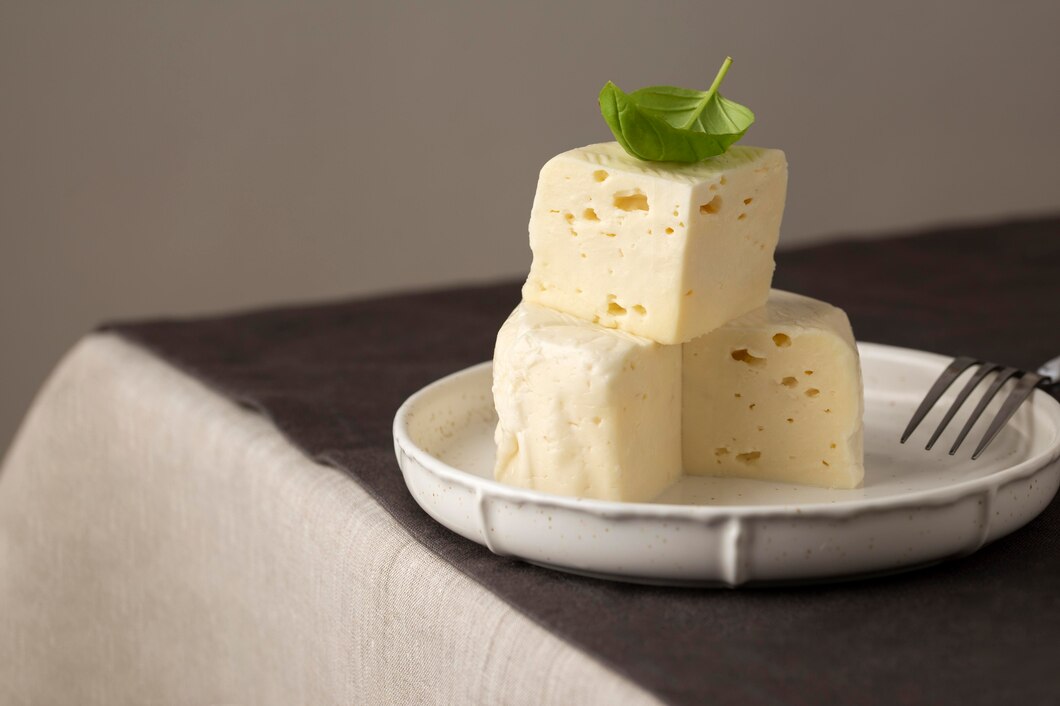
Making vegan cheese at home can be much easier than many beginners expect. With a few simple ingredients, a blender, and the right technique, you can prepare creamy spreads, sliceable cheese, sauces, and other dairy-free alternatives in your own kitchen. Homemade vegan cheese is also a useful way to experiment with flavors, textures, and ingredients while creating a versatile vegan cheese recipe that suits your preferences. Whether you are completely new to plant-based cooking or simply want an easy vegan cheese recipe, this guide explains the basics of vegan cheese making step by step.
What Is Vegan Cheese?
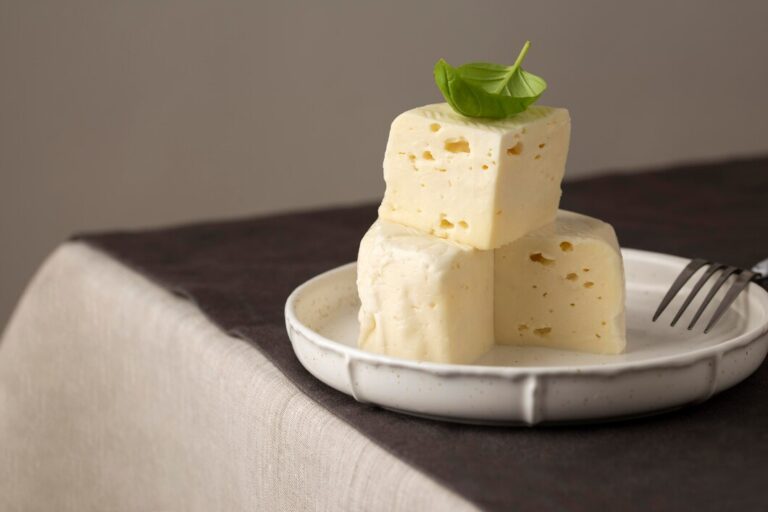
Vegan cheese is a dairy-free food designed to provide some of the flavor, texture, or cooking characteristics traditionally associated with cheese. Instead of cow’s milk, it may be prepared with nuts, seeds, vegetables, legumes, coconut products, or plant-based milk.
Unlike conventional cheese, plant-based cheese does not require animal-derived milk. Different recipes produce very different results. A blended cashew mixture may create a smooth spread, while tapioca starch can help create a stretchy texture. Nutritional yeast can contribute a savory, cheese-like flavor.
For people experimenting with dairy-free cooking, homemade versions can be particularly useful because you can adjust the ingredients according to your taste.
Why Make Vegan Cheese at Home?
There are several reasons beginners may want to learn how to make dairy-free cheese themselves.
First, homemade recipes allow you to control the ingredients. You can decide how much salt, acidity, seasoning, or sweetness goes into the final product. You can also modify the texture depending on whether you want a spread, dip, sauce, or firm cheese.
Second, making vegan cheese at home can be an enjoyable cooking project. Instead of purchasing one ready-made product, you can experiment with different bases and techniques.
Another benefit is flexibility. A single basic mixture can become a sandwich spread, pasta sauce, vegetable dip, or topping. This makes homemade versions practical for everyday meals.
Essential Vegan Cheese Ingredients
The ingredients depend on the type of cheese you want to make. However, several components appear frequently in vegan cheese ingredients lists.
Cashews
Cashews are popular because soaked cashews blend into a smooth, rich mixture. They are especially useful for spreads, dips, sauces, and soft cheeses.
Nutritional Yeast
Nutritional yeast is often used in dairy-free recipes for its savory, nutty flavor. It does not turn a recipe into cheese by itself, but it can add depth to the finished mixture.
Lemon Juice
Lemon juice provides acidity and brightness. It can help balance rich ingredients such as cashews and coconut milk.
Apple Cider Vinegar
A small amount of apple cider vinegar can add tanginess. It should generally be introduced gradually because too much can overpower the other flavors.
Tapioca Starch
Tapioca starch can be useful when you want a stretchy or elastic texture. It is particularly helpful in recipes intended to mimic melted cheese.
Agar-Agar
Agar-agar is a plant-derived setting ingredient. Depending on the recipe, it can help create a firmer consistency that can be sliced.
Plant-Based Milk
Unsweetened soy, oat, almond, or other plant-based milks can provide moisture and help create sauces or softer cheese mixtures.
Salt and Seasonings
Salt enhances flavor, while garlic, onion powder, paprika, herbs, mustard, pepper, or other seasonings can give the recipe a distinctive character.
How to Make Vegan Cheese With Cashews
One of the easiest starting points for beginners is cashew vegan cheese. Cashews have a naturally creamy texture when soaked and blended, making them suitable for a variety of recipes.
Ingredients
For a simple cashew-based cheese spread, you can start with:
- 1 cup raw unsalted cashews
- 2 to 4 tablespoons nutritional yeast
- 1 tablespoon fresh lemon juice
- 1 small garlic clove
- ½ teaspoon salt
- ¼ to ½ cup water
- A small amount of apple cider vinegar, if desired
- Optional herbs or spices
These ingredients provide a foundation for homemade dairy-free cheese. The exact quantities can be changed depending on the desired consistency.
Step 1: Soak the Cashews
Add the cashews to a bowl and pour in enough water to completely submerge them. Let them soak until they become soft.
A longer soak generally makes blending easier. If you have limited time, you can use a suitable quick-soaking method with hot water, allowing the nuts to soften before processing.
After soaking, drain and rinse the cashews.
Step 2: Add the Ingredients
Put the softened cashews into a high-speed blender or food processor. Add nutritional yeast, lemon juice, garlic, salt, and a small amount of water.
Do not add all the water at once. Starting with less liquid gives you better control over the consistency.
Step 3: Blend Until Smooth
Blend the mixture until it becomes creamy. Stop occasionally and scrape down the sides if necessary.
If the mixture is too thick, add water one tablespoon at a time. Continue blending until you reach the texture you want.
This easy technique is a great starting point for beginners who want to prepare cashew-based vegan cheese at home.
Step 4: Adjust the Flavor
Taste the mixture after blending. You may want additional salt for seasoning, lemon juice for acidity, or nutritional yeast for a stronger savory character.
You can also add roasted garlic, fresh herbs, smoked paprika, chili flakes, or black pepper.
Step 5: Chill Before Serving
For a thicker spread, transfer the cheese to a covered container and refrigerate it for a few hours. Chilling can improve the texture and make the mixture easier to spread.
Easy Vegan Cheese Recipe for Beginners
If you are looking for an easy vegan cheese recipe for beginners, begin with a soft cheese rather than attempting a complicated aged or fermented variety.
A simple formula is:
Creamy base + savory ingredient + acidic ingredient + seasoning + controlled liquid
For example, soaked cashews can provide the creamy base, nutritional yeast adds savory depth, lemon juice supplies acidity, and salt and garlic provide seasoning.
This approach helps beginners understand how different ingredients affect flavor and texture.
The most important lesson is not to expect every homemade recipe to taste exactly like conventional cheese. Instead, think of it as creating a flavorful vegan cheese alternative that works well in the dish you are preparing.
How to Make Creamy Vegan Cheese at Home
Learning how to make creamy vegan cheese at home mainly comes down to controlling moisture and blending thoroughly.
A powerful blender can create a smoother texture than a basic food processor. However, you can still achieve good results by soaking nuts properly and blending for enough time.
If your mixture is grainy, the nuts may not have been softened enough, or the equipment may not be powerful enough. Adding a little liquid can help, but excessive water may make the cheese too thin.
For a particularly smooth result:
- Soak the nuts adequately.
- Drain them thoroughly.
- Use a high-speed blender when possible.
- Add liquid gradually.
- Blend longer than you initially think necessary.
- Taste and adjust seasoning afterward.
These simple steps can make a noticeable difference in homemade texture.
How to Make Easy Vegan Cheese From Scratch
If you want to understand how to make easy vegan cheese from scratch, start by choosing the final texture before choosing your ingredients.
For a Spread
Use soaked cashews, seeds, or another creamy base. Keep the mixture thick and refrigerate it before serving.
For a Sauce
Increase the liquid and blend until smooth. Plant-based milk, vegetable stock, or water can be used depending on the recipe.
For a Meltable Cheese
Consider ingredients such as tapioca starch that can contribute elasticity when heated.
For a Firm Cheese
A setting ingredient such as agar-agar can be useful in recipes designed to become firm after cooling.
Choosing the desired result first prevents you from using ingredients that work against your intended texture.
How to Make Dairy-Free Cheese at Home
For anyone searching for how to make dairy-free cheese at home, there is no single universal recipe. Dairy-free cheese can be prepared using many different foundations.
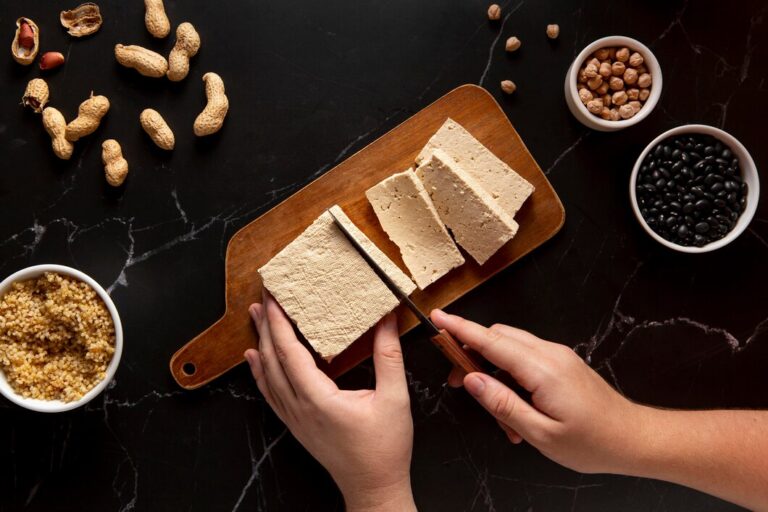
Nuts are popular because they provide richness. Seeds can be useful for people who want a nut-free option. Potatoes and carrots can create a smooth vegetable-based sauce. Tofu can contribute protein and structure. Coconut-based ingredients can provide richness, although they may introduce a noticeable coconut flavor.
The key is understanding what each ingredient contributes.
A creamy base provides body, acid creates tanginess, seasonings develop flavor, and starches or setting agents influence texture.
Plant-Based Cheese Variations to Try
Once you are comfortable with basic recipes, you can experiment with different forms of plant-based cheese.
Garlic and Herb Cheese
Add fresh parsley, chives, basil, roasted garlic, or dried herbs to a creamy cashew mixture.
Spicy Vegan Cheese
Include jalapeño, chili flakes, cayenne, or smoked paprika for additional heat.
Smoked Cheese
Smoked paprika or a small amount of liquid smoke can introduce a smoky flavor.
Herb Cheese Spread
Blend the basic mixture with fresh herbs and additional lemon juice for a fresh-tasting spread.
Vegan Cheese Sauce
Thin the base with plant-based milk and season it with nutritional yeast, mustard, garlic, and spices. This can work well over pasta, vegetables, potatoes, or nachos.
These variations demonstrate why vegan cheese substitutes can be versatile beyond simply replacing sliced cheese.
Making Vegan Cheese Without Dairy
One of the biggest advantages of plant-based recipes is that you can create vegan cheese without dairy while still developing rich and satisfying flavors.
Dairy-free recipes do not have to depend on one specific ingredient. If you cannot use cashews, try sunflower seeds or another suitable base. If you want to avoid coconut, select a different source of creaminess.
This flexibility makes homemade recipes useful for people with different dietary preferences and ingredient restrictions.
Always check packaged ingredients such as nutritional yeast, plant-based milk, and seasonings if you need to avoid specific allergens or additives.
Homemade Vegan Cheese Storage
Storage depends on the recipe and its ingredients.
Soft cashew spreads should generally be kept refrigerated in a clean, airtight container. Use clean utensils when serving and follow appropriate food-safety practices.
Recipes containing fresh ingredients or water can spoil more quickly than commercially manufactured products. Do not assume that homemade cheese has the same shelf life as packaged alternatives.
For best quality, prepare smaller batches and use them while they are fresh. If the texture, smell, or appearance changes noticeably, discard the product rather than attempting to salvage it.
Common Mistakes Beginners Make
Even an easy homemade vegan cheese recipe can go wrong if the preparation technique is overlooked.
Adding Too Much Water
Extra water may turn a creamy spread into a thin sauce. Add liquid gradually.
Not Soaking Nuts Properly
Hard nuts are difficult to blend into a smooth mixture. Adequate soaking can improve the final consistency.
Using Too Much Acid
Lemon juice and vinegar provide tanginess, but excessive amounts can dominate the recipe.
Underseasoning
A creamy base can taste bland without sufficient salt and savory ingredients. Adjust the seasoning gradually.
Expecting One Recipe to Work Everywhere
A spread, sauce, sliceable cheese, and stretchy cheese require different textures. Choose the technique according to the intended use.
How to Improve Your Vegan Cheese Recipe
Once you have mastered a basic recipe, small adjustments can produce significantly different results.
For stronger savory flavor, increase nutritional yeast gradually. For extra tanginess, add small amounts of lemon juice. For a thinner sauce, introduce more plant-based milk or water. For a thicker spread, reduce the liquid.
You can also create layered flavors by combining roasted garlic, herbs, spices, miso, mustard, or smoked paprika.
Keep notes about your experiments. Recording the quantities you use makes it easier to reproduce a successful batch.
Vegan Cheese for Different Meals
Homemade versions can be incorporated into many everyday meals.
Spread creamy cheese on toast or sandwiches. Add a spoonful to wraps and vegetable rolls. Use vegan cheese sauce with pasta or roasted vegetables. Serve a cashew-based dip alongside crackers and fresh vegetables.
You can also use plant-based cheese preparations as fillings for stuffed vegetables, toppings for baked potatoes, or additions to grain bowls.
These applications show that vegan cheese from scratch can be more than a direct replacement for traditional cheese.
Choosing the Best Ingredients for Homemade Vegan Cheese
When deciding on the best ingredients for homemade vegan cheese, focus on the characteristics you want rather than simply collecting a long ingredient list.
Choose a creamy base for body, an acidic ingredient for brightness, a savory component for depth, and a texture-building ingredient when necessary.
Fresh lemon juice, raw unsalted cashews, nutritional yeast, quality plant-based milk, and fresh herbs are useful starting points. However, there is no single combination that is automatically best for every recipe.
Your preferred ingredients should depend on taste, allergies, texture preferences, and how you plan to use the finished product.
Vegan Cheese Alternatives for Beginners
There are many vegan cheese alternatives available, including nut-based spreads, seed-based cheeses, vegetable sauces, tofu-based mixtures, and commercially produced plant-based slices.
Homemade versions give you more control over flavor and consistency. Store-bought products can be convenient when you need something ready to use.
Rather than treating one option as universally superior, consider what works for the particular meal. A smooth sauce may be more useful for pasta, while a firm slice may work better in a sandwich.
Tips for Successful Vegan Cheese Making
If you are new to vegan cheese making, keep your first recipe simple.
Start with a small batch and avoid adding too many ingredients. Taste the mixture before making major adjustments. Change one ingredient at a time so you understand its effect.
Use a blender suitable for the quantity you are preparing. Give the mixture enough time to become smooth. If the recipe is too thick, add liquid gradually rather than pouring in a large amount at once.
Most importantly, treat your first attempt as a learning experience. Texture and flavor can be adjusted in the next batch.
Frequently Asked Questions
Is homemade vegan cheese difficult to make?
Many beginner recipes are relatively simple. A basic cashew spread may require little more than soaking, blending, seasoning, and chilling.
Can I make vegan cheese without cashews?
Yes. Seeds, tofu, vegetables, beans, and other plant-based ingredients can be used depending on the recipe.
What makes vegan cheese creamy?
Creaminess can come from ingredients such as soaked cashews, seeds, coconut-based ingredients, tofu, or cooked vegetables. Blending technique also has a major effect.
Can I make vegan cheese without nutritional yeast?
Yes. Nutritional yeast is commonly used for savory flavor, but it is not essential for every recipe. Herbs, miso, mustard, spices, and other ingredients can provide additional flavor.
How can I make vegan cheese melt?
Recipes intended to melt often use ingredients such as tapioca starch or other texture-building components. The specific technique depends on the type of cheese being prepared.
What is the easiest vegan cheese recipe?
A simple blended cashew spread is among the more beginner-friendly options because it does not require complicated cooking or specialized cheese-making equipment.
Final Thoughts
Learning how to make vegan cheese at home for beginners is a practical introduction to creative plant-based cooking. You do not need to begin with an elaborate recipe. A few basic ingredients and a reliable blender can be enough to create a flavorful spread or sauce.
Once you understand how creamy bases, acids, seasonings, liquids, and texture-building ingredients work together, you can start developing your own plant-based cheese recipe. Experiment with cashews, seeds, vegetables, herbs, spices, and different plant-based milks to discover combinations you enjoy.
For beginners wondering how to make plant-based cheese at home, the best approach is to start simple, make small batches, taste as you go, and adjust the recipe based on the result. With practice, easy homemade vegan cheese can become a flexible addition to sandwiches, pasta, snacks, vegetables, wraps, and many other meals.
About the Author