Vegan grocery shopping can become much easier when you know what to look for, what to keep in your pantry, and how to plan meals before entering the store. Whether you are completely new to plant-based eating or simply want to make your regular shopping trips more organized, having a clear vegan grocery shopping strategy can save time, reduce food waste, and help you stay within your budget. A practical list also makes it easier to choose nutritious foods instead of buying items you may never use.
Why Planning Your Vegan Grocery Trip Matters
Walking into a supermarket without a plan can quickly lead to an overflowing cart. You may buy several interesting products but still have no idea what to cook during the week. This is one reason planning is an important part of successful vegan food shopping.
A little preparation before shopping helps you:
- Avoid unnecessary purchases
- Reduce food waste
- Stay within your grocery budget
- Choose more nutritious foods
- Prepare meals more easily
- Spend less time in the supermarket
- Keep useful ingredients available at home
A well-organized vegan grocery list gives you a simple structure. Instead of thinking about every individual product while shopping, you can divide your list into categories such as vegetables, fruits, grains, legumes, protein sources, pantry items, frozen foods, and snacks.
Build a Vegan Grocery List Around Meals
One of the easiest ways to shop smarter is to decide what you will eat before creating your list. This is where vegan meal planning becomes useful.
Start by choosing several breakfasts, lunches, dinners, and snacks for the coming week. You do not need a completely different meal every day. Repeating a few favorite meals can make cooking easier and reduce the number of ingredients you need.
For example, a simple weekly plan might include:
- Oatmeal with fruit and seeds for breakfast
- Chickpea salad wraps for lunch
- Lentil curry with rice for dinner
- Hummus and vegetables for snacks
- Tofu stir-fry with noodles
- Bean and vegetable tacos
- Vegetable soup with whole-grain bread
Once you have selected your meals, write down the ingredients required for each recipe. Combine duplicate ingredients into one shopping list.
This approach creates a practical vegan meal prep shopping list instead of a random collection of products.
Vegan Grocery List for Beginners
If you are new to vegan eating, shopping can initially feel confusing. There are many plant-based products available, but you do not need all of them.
A basic vegan grocery list for beginners can include:
Fruits
Buy fruits you genuinely like and are likely to eat, instead of purchasing too much just because they have a reputation for being healthy. Bananas, apples, oranges, berries, mangoes, grapes, and seasonal fruits are useful choices.
Vegetables
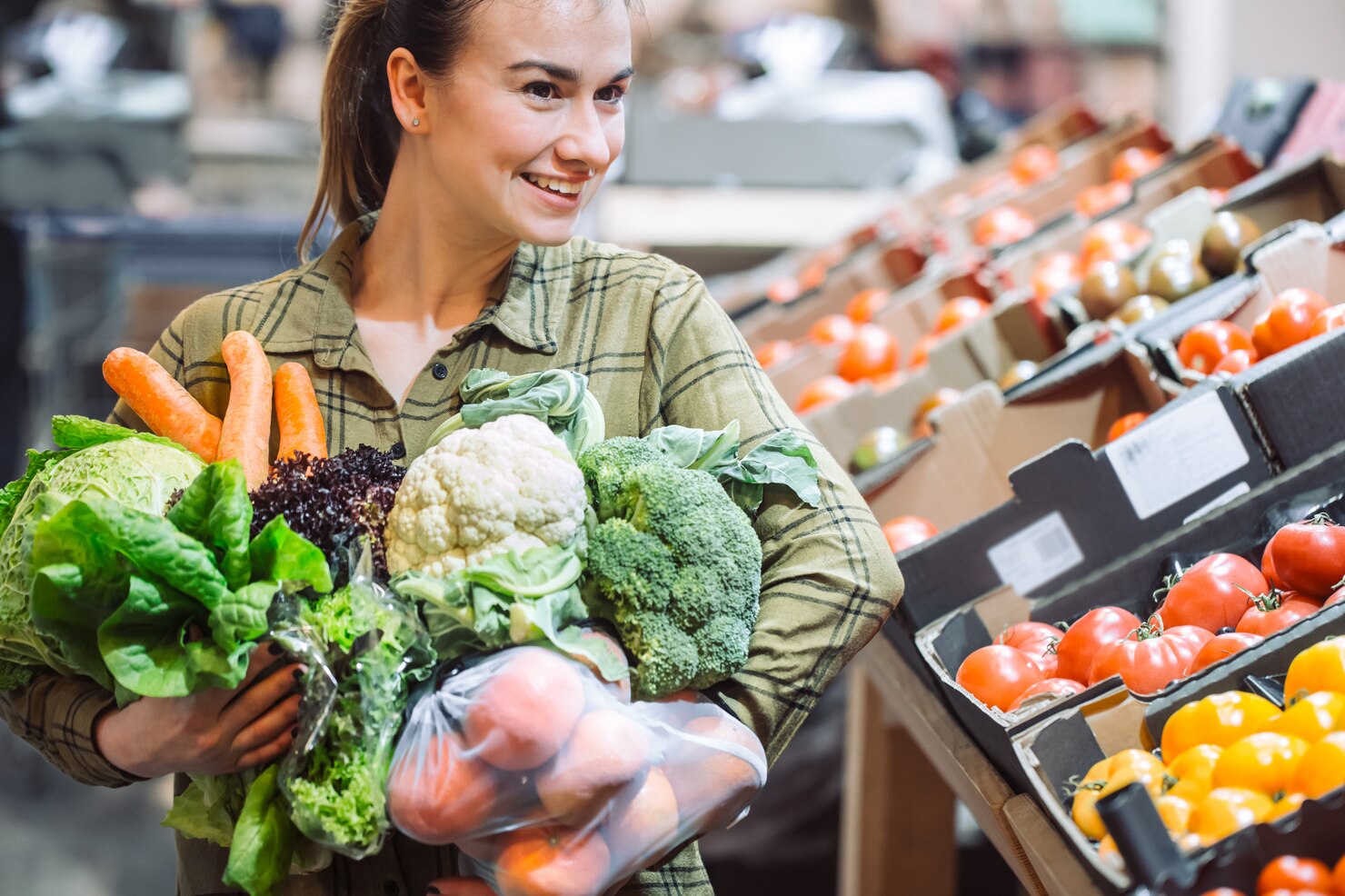
Build meals around a variety of vegetables. Leafy greens, carrots, tomatoes, onions, potatoes, broccoli, cauliflower, bell peppers, cucumbers, and seasonal vegetables can form the foundation of many meals.
Legumes
Beans, lentils, chickpeas, peas, and other legumes are affordable and versatile. They can be used in curries, soups, salads, wraps, burgers, and bowls.
Grains
Rice, oats, whole-wheat flour, quinoa, barley, millet, pasta, and other grains can provide convenient meal bases.
Plant-Based Proteins
Tofu, tempeh, beans, lentils, chickpeas, peas, and textured vegetable protein can make meals more filling. These are useful vegan protein sources to keep available.
Nuts and Seeds
Peanuts, almonds, walnuts, chia seeds, flaxseeds, pumpkin seeds, and sunflower seeds can add healthy fats, texture, and nutrients.
Plant-Based Dairy Alternatives
Depending on your preferences, you may purchase plant-based milk, yogurt, cheese alternatives, or other dairy-free products.
This simple approach gives beginners enough variety without making the shopping trip unnecessarily complicated.
Vegan Grocery Essentials to Keep at Home
Your kitchen becomes much easier to manage when you have certain ingredients available all the time. These vegan grocery essentials can be combined in different ways to create quick meals.
Some useful vegan pantry staples include:
- Rice
- Oats
- Whole-grain pasta
- Lentils
- Chickpeas
- Beans
- Canned tomatoes
- Tomato paste
- Peanut butter
- Tahini
- Whole-grain flour
- Nuts and seeds
- Spices
- Cooking oil
- Vinegar
- Soy sauce
- Dried herbs
- Garlic
- Onions
These vegan pantry essentials provide a foundation for everything from quick breakfasts to hearty dinners.
When stocking your kitchen, think about ingredients rather than packaged meals. A bag of lentils can become soup, dal, curry, salad, or a filling for wraps. Rice can be paired with vegetables, beans, tofu, or curry. Flexible ingredients give you more options.
Whole-Food Vegan Groceries vs. Processed Products
A vegan diet does not automatically mean that every product in your shopping cart is nutritious. Supermarkets now carry a large selection of vegan burgers, desserts, chips, frozen meals, meat alternatives, and other packaged products.
These foods can fit into a balanced diet, but your regular shopping should ideally include plenty of whole-food vegan groceries.
Whole or minimally processed choices include:
- Fresh fruits
- Vegetables
- Beans
- Lentils
- Chickpeas
- Whole grains
- Nuts
- Seeds
- Tofu
- Tempeh
Packaged foods can be convenient, especially during busy weeks. The key is balance. Rather than making processed foods the foundation of every meal, use them alongside nutrient-rich ingredients.
Healthy Vegan Grocery List
A healthy vegan grocery list should contain foods from several different categories. Variety is more important than buying a huge number of products.
A balanced cart could include:
Protein: lentils, chickpeas, beans, tofu, tempeh, peas, nuts and seeds.
Whole grains: oats, brown rice, quinoa, barley, whole-wheat bread, and whole-grain pasta.
Vegetables: leafy greens, cruciferous vegetables, colorful peppers, tomatoes, carrots, onions, and seasonal produce.
Fruits: apples, bananas, oranges, berries, melons, mangoes, and other seasonal options.
Healthy fats: avocado, nuts, seeds, nut butters, and suitable plant oils.
This provides a useful foundation for preparing satisfying meals throughout the week.
How to Save Money on Vegan Groceries
One of the biggest misconceptions about plant-based eating is that it always has to be expensive. Specialty products can cost more, but basic vegan foods are often among the most affordable items in a supermarket.
For budget vegan grocery shopping, focus on staple ingredients such as:
- Dried beans
- Lentils
- Chickpeas
- Rice
- Oats
- Potatoes
- Seasonal vegetables
- Bananas
- Cabbage
- Carrots
- Whole grains
- Peanut butter
A cheap vegan grocery list does not need to contain expensive meat substitutes or specialty foods.
Buy in Bulk When It Makes Sense
Buying rice, lentils, oats, beans, and other frequently used foods in larger quantities can sometimes reduce the cost per serving. However, only buy large packages of foods you know you will actually use.
Choose Seasonal Produce
Seasonal fruits and vegetables are often more affordable. They can also add variety to your meals throughout the year.
Compare Store Brands
Store-brand versions of staples can be considerably cheaper than premium brands. Compare the ingredient list, nutrition information, and serving size rather than automatically choosing the most expensive option.
Cook More From Scratch
Preparing beans, grains, soups, sauces, and snacks at home can lower your grocery costs. Convenience foods can save time, but using them for every meal can quickly increase your weekly spending.
Vegan Grocery Shopping on a Budget
Your vegan grocery budget should be realistic rather than extremely restrictive. A useful strategy is to divide your spending into categories.
For example, prioritize:
- Vegetables and fruits
- Grains and starches
- Legumes and protein foods
- Pantry staples
- Plant-based alternatives
- Snacks and optional treats
This helps ensure that the essentials are purchased before spending money on extras.
For vegan food on a budget, compare the price per serving instead of only looking at the package price. A large pack of lentils might cost more upfront than a small prepared meal, but it can stretch across several meals, making it a more economical choice over time.
Vegan Protein Sources to Add to Your Cart
Protein deserves special attention when creating a vegan shopping list. Fortunately, there are many affordable vegan protein sources.
Consider adding:
- Lentils
- Chickpeas
- Kidney beans
- Black beans
- Soybeans
- Tofu
- Tempeh
- Peas
- Peanut butter
- Nuts
- Seeds
- Textured vegetable protein
Using several protein sources throughout the week makes meals more interesting and helps create a varied diet.
Vegan Fruits and Vegetables: Shop With Variety
Fresh produce should make up a significant part of your shopping cart. Instead of buying the same three vegetables every week, rotate your choices.
For example, one week you might buy spinach, broccoli, carrots, and tomatoes. The following week, try cabbage, cauliflower, green beans, beetroot, and bell peppers.
Frozen produce can also be useful. Vegan frozen foods such as frozen peas, spinach, mixed vegetables, berries, and corn can last longer than fresh produce and reduce waste.
Frozen fruits and vegetables can be particularly helpful when you have a busy schedule or live alone.
What Vegan Foods Should I Buy?
If you are wondering, what vegan foods should I buy, start with ingredients you can use in multiple meals.
A flexible shopping basket might contain:
- Oats
- Bananas
- Apples
- Leafy greens
- Tomatoes
- Onions
- Potatoes
- Carrots
- Rice
- Pasta
- Lentils
- Chickpeas
- Beans
- Tofu
- Peanut butter
- Nuts and seeds
- Plant-based milk
- Frozen vegetables
- Herbs and spices
These foods can be mixed and matched instead of being used for only one recipe.
Vegan Label Reading: What to Check
Learning vegan label reading can make supermarket shopping much faster. Not every product that appears plant-based is automatically vegan.
When checking vegan food labels, look at the ingredient list and allergen information. Depending on your dietary needs, you may need to watch for ingredients such as milk, whey, casein, butter, cream, eggs, gelatin, or other animal-derived ingredients.
Some products clearly carry a vegan certification or vegan symbol, which can make shopping easier.
However, labels and formulations can change. If you regularly buy a product, check its ingredients periodically rather than assuming it will always have the same formula.
Vegan Foods for Beginners: Keep It Simple
People new to vegan eating sometimes make shopping unnecessarily complicated by trying to replace every animal product immediately.
Instead, start with foods you already enjoy.
If you like pasta, prepare pasta with vegetables, beans, lentils, tomato sauce, or tofu. If you enjoy sandwiches, experiment with hummus, avocado, vegetables, bean spreads, or plant-based proteins.
This makes the transition more manageable and helps you discover new meals naturally.
Your vegan ingredients list should reflect your actual eating habits, not an unrealistic collection of foods you think you should eat.
Vegan Snacks to Buy
Snacks can easily increase your grocery bill, so choose them carefully.
Useful vegan snacks to buy include:
- Fresh fruit
- Roasted chickpeas
- Nuts
- Seeds
- Hummus
- Carrot and cucumber sticks
- Peanut butter with fruit
- Popcorn
- Oat-based snacks
- Whole-grain crackers
You can also prepare simple snacks at home. Homemade snacks often cost less than individually packaged alternatives.
Vegan Kitchen Essentials for Faster Meal Preparation
Alongside food, certain vegan kitchen essentials can make meal preparation more efficient.
Useful items include:
- Sharp kitchen knives
- Cutting board
- Food storage containers
- Large cooking pot
- Frying pan
- Blender
- Measuring cups
- Reusable storage bags
- Spice containers
You do not need expensive equipment. A few reliable tools can make cooking grains, legumes, vegetables, sauces, and soups much easier.
How to Grocery Shop as a Vegan
If you are learning how to grocery shop as a vegan, create a repeatable routine.
First, check your pantry and refrigerator. Do not buy ingredients you already have plenty of.
Next, review your meal plan and write down the ingredients required. Organize your list according to the supermarket layout. For example, put produce together, pantry foods together, and refrigerated foods together.
Then shop according to the list.
This simple system can make vegan supermarket shopping faster because you are not repeatedly walking through the same aisles looking for forgotten ingredients.
Smart Vegan Shopping Strategies
Smart vegan shopping is less about buying more and more about buying intentionally.
Try these strategies:
Shop With a List
A list keeps your attention focused and reduces impulse purchases.
Never Shop Extremely Hungry
Shopping while very hungry can encourage you to buy more snacks and convenience foods than you planned.
Check Your Pantry First
Before adding an ingredient to your list, see whether it is already sitting in your kitchen.
Buy Versatile Ingredients
Choose foods that work across several recipes. Lentils, rice, potatoes, beans, tofu, and vegetables can be used in numerous meals.
Keep a Running List
Whenever you finish an essential ingredient, add it to a running shopping list. This reduces the chance of forgetting important items.
Vegan Grocery Shopping Tips for Saving Time
If your main goal is learning how to shop faster and smarter for vegan food, organization is your biggest advantage.
Keep your shopping list in the same order as your usual store layout. Group products by section and avoid browsing every aisle unnecessarily.
You can also choose a regular shopping day and establish a weekly routine. After several weeks, you will know which products you need regularly and which ingredients tend to remain unused.
Another useful strategy is to prepare vegetables and staple foods soon after returning home. Washing produce, cooking grains, or preparing beans in advance can make weekday meals much quicker.
Plant-Based Grocery Shopping for Beginners
Plant-based grocery shopping for beginners does not need to involve complicated rules. Focus on building a balanced basket rather than searching for a perfect diet.
Start with:
- Fruits
- Vegetables
- Whole grains
- Beans
- Lentils
- Chickpeas
- Tofu or other plant proteins
- Nuts and seeds
- Plant-based milk if desired
- Herbs and spices
As you become more comfortable, you can experiment with tempeh, nutritional yeast, specialty plant-based products, international ingredients, and different meat or dairy alternatives.
What to Buy on a Vegan Grocery List Each Week
If you are still unsure what to buy on a vegan grocery list, use this basic weekly framework:
Produce: 5–8 varieties of vegetables and several types of fruit.
Protein: two or three legumes plus tofu, tempeh, nuts, or seeds.
Grains: rice, oats, bread, pasta, quinoa, or another preferred grain.
Pantry: spices, sauces, canned tomatoes, nut butter, and cooking essentials.
Frozen: mixed vegetables, peas, spinach, berries, or other useful frozen products.
Snacks: fruit, popcorn, nuts, hummus, or homemade snacks.
Choose portion sizes and ingredient amounts based on how many people you are feeding and how often you plan to prepare meals.
Essential Foods for a Vegan Pantry
A well-stocked pantry makes last-minute cooking much easier. The essential foods for a vegan pantry include a mixture of grains, legumes, sauces, seasonings, and shelf-stable ingredients.
Keep foods such as rice, oats, lentils, beans, chickpeas, pasta, canned tomatoes, nut butter, spices, seeds, and cooking oils available.
With these staples, you can often create a meal even when your refrigerator is nearly empty.
Healthy Vegan Grocery Shopping Tips
For healthier shopping, spend most of your budget on nutrient-rich foods rather than heavily processed products.
Some practical healthy vegan grocery shopping tips include:
- Choose different colors of fruits and vegetables.
- Include a protein-rich food in major meals.
- Select whole grains regularly.
- Keep healthy snacks available.
- Compare sodium and added sugar on packaged foods.
- Read ingredient lists carefully.
- Use frozen produce when fresh options are expensive or unavailable.
- Avoid buying more perishable food than you can eat.
The goal is not perfection. It is creating a shopping routine that supports your everyday meals.
Final Thoughts
A successful vegan grocery routine starts with planning rather than complicated rules. A thoughtful vegan shopping list can help you save money, reduce waste, and make healthier choices without spending hours in the supermarket.
Whether you are looking for the best vegan grocery list for beginners, trying to improve budget vegan grocery shopping, or simply want a faster weekly routine, focus on versatile staples, fresh produce, affordable protein sources, and foods you genuinely enjoy eating.
The most effective approach to vegan shopping is simple: plan your meals, check what you already have, create a categorized list, prioritize nutritious staples, compare prices, and avoid unnecessary impulse purchases. With practice, how to shop vegan becomes much less complicated.
A well-planned grocery routine can also simplify the process of preparing meals. When your pantry contains useful staples and your refrigerator has fresh ingredients, preparing a satisfying plant-based meal becomes a practical everyday habit rather than a difficult task.
About the Author