Learning how to travel as a vegan can make holidays, business trips, weekend getaways, and international adventures easier and more enjoyable. With thoughtful preparation, you can discover local cuisines, find vegan-friendly restaurants, pack satisfying snacks, and maintain your dietary preferences without spending your entire trip searching for suitable food. These practical vegan travel tips will help you plan meals, navigate unfamiliar menus, and enjoy a flexible vegan travel guide that covers everything from airport meals to road trip snacks and restaurant dining.
Traveling on a plant-based diet does not mean missing out on memorable food experiences. Many destinations offer naturally vegan dishes, fresh produce, plant-based street food, and restaurants that accommodate different dietary needs. Planning ahead helps you identify suitable food choices before your trip, while staying flexible gives you the chance to discover exciting local dishes and unfamiliar flavors.
Whether you are traveling alone, taking a family vacation, or planning an extended trip abroad, a little organization can help you enjoy vegan food while traveling without unnecessary stress. From packing essentials to finding suitable meals in unfamiliar cities, the right approach makes vegan-friendly travel practical, affordable, and rewarding.
Plan Your Vegan Meals Before Leaving Home
Good vegan travel planning starts before you pack your bags. Although you can find food during most trips, arriving somewhere hungry without knowing your options can make meal decisions more difficult. Spending a little time researching restaurants, grocery stores, accommodation, and transport facilities helps you avoid that situation.
Begin by reviewing your itinerary. Identify your departure and arrival times, accommodation location, planned activities, and any long periods when you may not have access to shops or restaurants. Consider whether you will have a refrigerator, microwave, kitchen, or other facilities for preparing food.
Create a Simple Travel Meal Plan
You do not need to plan every bite in advance. Instead, identify a few reliable options for breakfast, lunch, dinner, and snacks. This approach makes it easier to plan vegan meals while traveling without limiting your ability to explore local food.
For example, your plan might include:
- Breakfast: Oatmeal with fruit, peanut butter toast, or a plant-based yogurt.
- Lunch: A chickpea wrap, vegetable rice bowl, or lentil soup.
- Dinner: A local vegetable curry, bean-based dish, tofu stir-fry, or vegan restaurant meal.
- Snacks: Nuts, roasted chickpeas, fresh fruit, crackers, or an energy bar with vegan ingredients.
Think about how much time you will spend traveling between destinations. A short city break may require little preparation, while an overnight train journey or remote hiking trip may call for several ready-to-eat meals.
Research Food Options Near Your Accommodation
Check whether grocery stores, supermarkets, cafés, and restaurants are within walking distance of your hotel or rental accommodation. This is especially useful when you arrive late or have an early start the next morning.
Search for restaurants that clearly identify vegan dishes and read recent reviews to understand whether their menus offer substantial plant-based meals. You can also contact the accommodation provider to ask about nearby food options.
These small steps are particularly helpful when you are learning how to prepare for a vegan vacation in a destination where plant-based meals may not be widely advertised.
How to Find Vegan Food in a New City
One of the most common challenges for vegan travelers is discovering reliable food options in an unfamiliar location. Fortunately, online maps, restaurant directories, local reviews, and community recommendations make it easier to identify suitable places before you become hungry.
If you are wondering how to find vegan food in a new city, start with a broad search for vegan restaurants and then expand your options to vegetarian cafés, international restaurants, supermarkets, and local markets.
Use Vegan Food Apps and Restaurant Directories
Dedicated restaurant directories can help you locate businesses that serve vegan food. Depending on your destination, useful resources may include HappyCow, Google Maps, and local restaurant platforms.
A vegan restaurant finder can help you compare menus, check opening hours, read reviews, and identify restaurants near tourist attractions or transport stations. Search results are not always accurate, however, so check the latest menu or contact the restaurant when ingredient information is unclear.
Try searching for phrases such as:
- Vegan restaurants near me
- Plant-based cafés in the city center
- Vegan-friendly restaurants near my hotel
- Vegan breakfast options nearby
- Vegetarian restaurants with vegan dishes
These searches are useful plant-based travel tips because they provide several alternatives instead of relying on a single restaurant.
Explore Local Markets and Grocery Stores
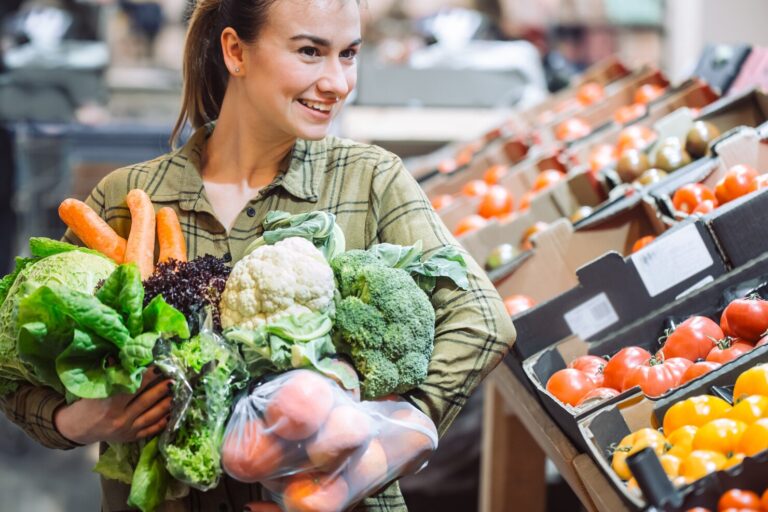
You can find plant-based meals in many places beyond traditional restaurants. Grocery stores, bakeries with clearly labeled products, fruit stalls, and farmers’ markets can provide convenient meals and snacks.
Vegan grocery shopping while traveling is particularly helpful when restaurant prices are high or your accommodation has a kitchen. You can purchase bread, fruit, hummus, nuts, canned beans, plant-based milk, and ready-to-eat salads to create simple meals.
Local markets may also introduce you to regional fruits, grains, legumes, and traditional plant-based ingredients. Ask vendors about preparation methods and ingredients when necessary, especially if sauces or packaged foods contain unfamiliar names.
Ask Local People for Recommendations
Hotel staff, tour guides, local residents, and other vegan travelers may know places that do not appear prominently in online searches. Ask specific questions, such as whether a nearby restaurant prepares food without dairy, eggs, meat, fish, or animal-based stock.
This is often a practical way to discover independent cafés and small restaurants offering genuine vegan options at restaurants.
How to Choose Vegan Restaurants While Traveling
Finding a restaurant with the word vegan on its menu is convenient, but you can enjoy plenty of dining options beyond dedicated plant-based establishments. Many traditional restaurants serve dishes that are naturally vegan or can be adjusted to suit your needs.
When researching vegan restaurants while traveling, look beyond restaurant names. Read the menu, check the ingredients, and see whether the kitchen can make reasonable substitutions.
Look Beyond Dedicated Vegan Restaurants
Some cuisines feature dishes built around vegetables, grains, beans, lentils, and other plant foods. Indian cuisine, for example, offers dishes such as chana masala, dal, vegetable pulao, and certain vegetable curries that may be vegan when prepared without ghee, cream, butter, or other animal products.
Other possibilities include vegetable sushi without fish or egg, falafel wraps without dairy-based sauces, bean burritos without cheese, and tofu-based Asian dishes prepared without fish sauce or oyster sauce.
Remember that a dish described as vegetarian is not automatically vegan. Cheese, yogurt, eggs, butter, and cream may be included even when meat is absent.
Contact Restaurants Before Your Visit
If you are visiting a popular restaurant or celebrating a special occasion, contact the staff ahead of time. Explain your dietary requirements and ask whether the kitchen can prepare a complete vegan meal.
This is especially useful when visiting smaller towns or destinations where vegan meals are not clearly marked. A quick message can save time and help you choose a restaurant with suitable options.
Check Sauces, Broths, and Cooking Fats
Some animal ingredients are less obvious than meat or dairy. Vegetable soup may contain chicken stock, noodles may include egg, and fried vegetables may be cooked in animal fat.
When choosing vegan food options while traveling, ask about the complete preparation process rather than relying on the dish’s name alone. If the staff cannot confirm the ingredients, choose a simpler meal whose components are easier to identify.
How to Order Vegan Food in Foreign Countries
International travel can introduce language barriers, unfamiliar ingredients, and different interpretations of vegetarian or plant-based food. Preparation helps you communicate clearly and enjoy local dishes with greater confidence.
If you want to know how to order vegan food in foreign countries, learn a few essential phrases before departure and keep a translated dietary note on your phone.
Prepare a Dietary Translation Card
A short explanation of your dietary requirements can be more effective than simply saying that you are vegan. In some countries, people may understand that you do not eat meat but may not realize that you also avoid dairy, eggs, fish, and other animal-derived ingredients.
Your translation card should explain that you do not eat meat, seafood, eggs, milk, butter, cheese, or other animal products. You can also ask whether a dish contains animal-based stock, fish sauce, or animal fat.
Consider saving the note offline so you can access it without an internet connection.
Learn About Local Ingredients
Research common ingredients in the destination’s traditional cuisine. This can help you recognize suitable meals and identify foods that need further questions.
For example, some sauces contain shrimp paste, certain soups use meat stock, and traditional pastries may contain butter or eggs. Even foods that appear entirely vegetable-based can include unexpected ingredients.
When possible, use translated menus alongside direct questions to the restaurant staff. Translation tools are helpful, but they may not explain every cooking method or ingredient accurately.
Be Polite and Specific
Clear communication generally works better than lengthy explanations. Ask whether a dish can be prepared without animal products and whether the kitchen uses separate ingredients or suitable substitutions.
Being polite also makes it easier to work with restaurant staff. If a restaurant cannot safely or reliably accommodate your requirements, thank them and choose another option.
These tips for traveling as a vegan help make dining abroad less stressful while allowing you to experience the local food culture.
The Best Vegan Snacks to Take While Traveling
Snacks are an important part of a practical travel plan. Long flights, delayed trains, sightseeing schedules, and road congestion can make regular meals difficult to find. Carrying a few reliable options means you are less dependent on whatever food happens to be available.
The best vegan snacks to take while traveling are portable, satisfying, easy to store, and suitable for the conditions of your trip.
Easy Vegan Foods to Pack for a Trip
Choose shelf-stable foods for long journeys and fresh foods for shorter trips when you can keep them at a suitable temperature.
- Nuts and seeds: Almonds, peanuts, walnuts, pumpkin seeds, and sunflower seeds offer convenient energy and healthy fats.
- Dried fruit: Raisins, dates, apricots, and dried mango are easy to carry in small containers.
- Roasted chickpeas: A crunchy, protein-containing option that usually travels well in a sealed package.
- Fresh fruit: Apples, bananas, oranges, and other durable fruits work well for shorter journeys, subject to destination rules.
- Oat bars: Choose products without honey, milk powder, whey, gelatin, or other animal-derived ingredients.
- Crackers and rice cakes: Pair them with nut butter or another suitable spread for a more substantial snack.
- Trail mix: Combine nuts, seeds, and dried fruit for a customizable snack.
- Nut butter sachets: These can be convenient with bread, crackers, or fruit, depending on the product and transport rules.
These healthy vegan travel snacks are easy to divide into portions, reducing the need to purchase expensive snacks at transport hubs.
Pack Snacks According to Your Schedule
For a short journey, a piece of fruit and a handful of nuts may be enough. For an all-day excursion, you might need a sandwich, a substantial snack, and additional food for unexpected delays.
If you are carrying hummus, cooked rice, tofu, plant-based yogurt, or other perishable foods, use an insulated bag with appropriate ice packs and follow food-safety guidance. Do not leave perishable meals unrefrigerated for extended periods.
A useful vegan food packing list should include a reusable snack container, a water bottle, napkins, and any utensils needed for your planned meals.
Vegan Food Options at Airports and on Flights
Airports can be challenging because food outlets vary widely, and flights may offer limited choices. Planning ahead makes it easier to find a meal that is both satisfying and compatible with your dietary preferences.
Before departure, check your airline’s meal policy and available special-meal options. Some airlines offer vegan meals, but availability may depend on the route, aircraft, and advance-order deadline. Confirm the request through the airline’s official booking system and check it again before travel.
How to Find Vegan Airport Meals
Look at airport restaurant directories before arriving. Larger airports may have plant-based cafés, salad bars, Asian restaurants, or outlets offering customizable bowls and sandwiches.
Potential vegan options at restaurants inside airports include:
- Vegetable and bean salads without dairy-based dressings.
- Hummus with bread or vegetables, after checking ingredients.
- Rice bowls with vegetables and tofu.
- Fruit cups and packaged nuts.
- Oatmeal made with water or confirmed plant-based milk.
- Vegan sandwiches or wraps with clearly identified ingredients.
These vegan airport meals may not be available at every terminal, so carry a backup snack if your schedule allows.
Check Airport Security and Import Rules
Security restrictions vary by country and airport. Liquids, gels, spreads, and certain food items may be subject to limits, so check the current rules before packing hummus, sauces, yogurt alternatives, or nut butter.
International destinations can also restrict the entry of fresh fruit, vegetables, seeds, nuts, and other agricultural products. Eat permitted food before arrival or declare items when required. Shelf-stable packaged snacks may be easier to manage, but they are not automatically permitted everywhere.
How to Travel Internationally as a Vegan
Traveling internationally offers opportunities to discover unfamiliar ingredients and regional plant-based dishes. However, food availability, labeling practices, restaurant customs, and import restrictions can differ significantly between countries.
The best approach to how to travel internationally as a vegan is to combine research with flexibility. Identify a few reliable meals before leaving home, learn the local terminology, and prepare backup options for long travel days.
Research the Local Food Culture
Before departure, look for traditional dishes based on grains, vegetables, beans, lentils, nuts, and tofu. Some destinations have a long history of plant-based cooking, while others may require more careful restaurant selection.
Do not assume that a country’s vegetarian dishes are automatically vegan. For instance, vegetable dishes may contain butter or ghee, while sauces can include fish products or meat stock.
Look for vegan-friendly destinations for travelers by considering more than the number of vegan restaurants. Supermarket availability, public transportation, food labeling, accommodation options, and access to simple staple foods can all affect your experience.
Keep Essential Information Available Offline
Save restaurant addresses, translated dietary phrases, accommodation details, and nearby grocery stores before leaving reliable Wi-Fi.
A small offline document can also list emergency meal ideas, such as bread with nut butter, plain rice with suitable vegetables, or canned beans with packaged crackers. Check the ingredients of packaged foods when possible.
If you’re staying for several days, look for nearby grocery stores where you can stock up on everyday essentials shortly after reaching your destination. This helps you maintain a comfortable routine even if your first restaurant choice does not work out.
Vegan Food Tips for Road Trips
Road trips offer flexibility, but food choices can become limited when you travel through rural areas or spend hours on highways. Service stations may have plenty of packaged snacks but few complete plant-based meals.
Following a few vegan food tips for road trips can help you stay prepared without carrying an excessive amount of food.
Prepare Meals Before You Start Driving
Pack foods that can be eaten easily during rest stops. Avoid eating while driving, as it can distract you from the road.
Useful options include:
- Peanut butter and banana sandwiches.
- Chickpea or hummus wraps kept at a safe temperature.
- Homemade vegetable sandwiches.
- Roasted chickpeas and mixed nuts.
- Whole-grain crackers with shelf-stable spreads.
- Fresh fruit and individually packaged snacks.
- Pasta or grain salads stored in a properly chilled cooler.
These vegan road trip snacks offer more variety than relying on chips, sweets, and convenience-store food throughout the journey.
Plan Stops Around Grocery Stores and Restaurants
Use your route to identify supermarkets, cafés, and restaurants where you can buy a proper meal. Grocery stores are often useful because you can purchase fresh fruit, bread, hummus, salads, and other ingredients for a quick lunch.
For longer drives, carry enough drinking water and snacks to cover unexpected delays. If you are traveling through remote areas, prepare additional food rather than assuming you will find a suitable restaurant at every stop.
Use a Cooler for Perishable Foods
A cooler with adequate ice packs can keep suitable foods cold during the journey. However, a cooler does not eliminate the need to monitor temperatures or follow food-safety guidance.
Pack perishable foods separately from items that can remain at room temperature, and replenish ice when necessary. Preparing in advance helps you carry and enjoy convenient plant-based meals during long journeys.
How to Avoid Hidden Animal Ingredients When Traveling
One of the biggest challenges of maintaining a vegan diet away from home is identifying ingredients that are not immediately visible. A dish may look plant-based but contain dairy, egg, fish products, or animal-derived additives.
Understanding common ingredients can help you make informed choices without becoming overly concerned about every unfamiliar food.
Check Packaged Food Labels
When buying food in supermarkets, read the ingredient list and allergen information. Common ingredients that may require attention include:
- Milk powder, whey, casein, and lactose.
- Egg powder, albumen, and egg-based ingredients.
- Gelatin, which is commonly animal-derived.
- Honey and certain bee-derived ingredients.
- Fish sauce, shrimp paste, and oyster sauce.
- Animal-based stock, lard, and meat extracts.
Some additives can have different sources, so their names alone may not always establish whether a product is vegan. When the source matters and is unclear, check the manufacturer’s information.
Ask About Cooking Methods
Hidden ingredients are not limited to packaged products. Restaurant kitchens may use butter on vegetables, egg in noodles, dairy in mashed potatoes, or animal stock in soups and sauces.
When deciding what to eat when traveling as a vegan, ask about the ingredients and preparation methods that matter most to you. Simple dishes can sometimes be easier to verify than elaborate meals with several sauces.
If cross-contact is a concern because of an allergy, explain that separately. Vegan preferences and food allergies are not the same, and restaurants may need different precautions depending on your needs.
Choosing Vegan-Friendly Hotels and Accommodation
Your accommodation can make a noticeable difference to the convenience of your trip. A hotel that provides suitable breakfast choices or a room with a kitchenette may reduce the effort required to find meals every day.
When researching vegan-friendly hotels, check the breakfast menu, room facilities, nearby grocery stores, and the availability of plant-based milk or other alternatives.
Ask About Breakfast Before Booking
Some hotels offer fruit, oatmeal, toast, beans, and other dishes that may be suitable for vegans. However, bread, spreads, breakfast potatoes, and cooked vegetables can contain animal-derived ingredients.
Contact the hotel to ask which dishes can be prepared without meat, eggs, dairy, or other animal products. If breakfast options are limited, you can purchase simple alternatives from a nearby supermarket.
Consider Accommodation With a Kitchen
A kitchenette or shared kitchen can be particularly helpful during extended stays. You may be able to prepare oatmeal, pasta, sandwiches, salads, rice dishes, and other simple meals.
Cooking a few meals yourself can also reduce food costs, leaving more of your budget available for sightseeing and special restaurant experiences.
Essential Items for a Vegan Travel Packing List
Having the right equipment can make everyday meals easier, especially when you are traveling between several destinations.
Packing for a vegan trip can be simple with just a few well-chosen items. Choose practical items that suit the length of your journey and the type of food you plan to eat.
Consider including:
- A reusable water bottle.
- A compact lunch container.
- Reusable cutlery, where permitted.
- A small insulated bag for suitable perishable food.
- Shelf-stable snacks for emergencies.
- A reusable shopping bag for grocery trips.
- An offline dietary translation card.
- A list of suitable restaurants and grocery stores.
- A travel mug if you regularly prepare hot drinks.
- Any permitted food-storage items needed for your itinerary.
Keep your packing list realistic. If you are traveling with only a small backpack, prioritize versatile items that can serve several purposes.
How to Maintain a Vegan Diet While Traveling Without Stress
Travel rarely goes exactly according to plan. A restaurant may close early, a train may be delayed, or a planned meal may turn out to contain ingredients you avoid. Building flexibility into your routine makes these situations easier to handle.
The goal of how to maintain a vegan diet while traveling is not to create a perfect schedule. It is to make sure you have enough practical options to eat comfortably and enjoy your trip.
Focus on Balanced Meals
Whenever possible, combine several food groups rather than relying on snacks alone. Beans, lentils, tofu, and other legumes can provide protein, while grains, potatoes, vegetables, fruits, nuts, and seeds contribute other important nutrients.
For a satisfying meal, try rice with lentils, tofu with noodles and vegetables, or a bean wrap with salad. These combinations are often adaptable to different destinations.
If you follow a vegan diet over an extended period, continue paying attention to nutrients that require planning, particularly vitamin B12. Depending on your usual diet and circumstances, vitamin D, iodine, calcium, iron, and omega-3 fats may also deserve attention.
Allow Room for Local Food Experiences
You do not need to eat at a dedicated vegan restaurant for every meal. A local market, a traditional bean dish, a vegetable curry, or a simple bowl of noodles can become a memorable part of your trip.
Keep your preferred dietary boundaries clear while allowing yourself to explore unfamiliar ingredients and cooking styles. This balance makes plant-based eating on vacation feel like an enjoyable part of travel rather than a constant logistical challenge.
Have a Backup Plan
Carry a snack, know where the nearest grocery store is, and save at least one restaurant option near your accommodation. These three habits can make a substantial difference when plans change unexpectedly.
If suitable food is difficult to find in one location, consider a simple meal from available ingredients rather than skipping meals while searching for a perfect option.
Common Mistakes to Avoid When Traveling as a Vegan
Even well-prepared travelers can overlook small details. Avoiding a few common mistakes can make your trip smoother.
Assuming vegetarian means vegan: Always check for eggs, dairy, honey, and other animal-derived ingredients when relevant.
Relying entirely on restaurant apps: Listings and menus can become outdated. Confirm opening hours and ingredients when necessary.
Packing only snacks: Nuts and bars are useful backups, but longer journeys require enough substantial food to meet your needs.
Forgetting local regulations: Check restrictions on fresh foods, liquids, and agricultural products before crossing borders.
Ignoring meal timing: Plan ahead if you have early departures, long excursions, or limited opportunities to stop for food.
Overplanning every meal: Research helps, but leaving room for spontaneous discoveries makes travel more enjoyable.
Expecting every restaurant to accommodate every request: Some kitchens may have limited ingredients or preparation facilities. Having alternatives prevents unnecessary frustration.
Final Thoughts
Traveling as a vegan becomes much easier when you combine basic preparation with a willingness to adapt. Researching restaurants, learning about local ingredients, packing convenient snacks, and checking food labels can help you enjoy a wider range of destinations with confidence.
Use this vegan travel guide as a starting point for organizing your meals, choosing accommodation, and preparing for unexpected changes. Whether you are planning a short road trip, a relaxing holiday, or an international adventure, a little planning can help you discover new foods while maintaining your plant-based lifestyle.
Most importantly, remember that travel is about experiencing new places and cultures. With practical preparation and flexible expectations, you can enjoy delicious meals, explore local cuisines, and make plant-based eating a natural part of your next adventure.
About the Author