The plant-based milk market has exploded over the past decade, with almond, soy, and oat milk dominating grocery shelves worldwide. But in 2026, a surprising new contender has entered the spotlight potato milk. As consumers become more conscious of climate impact, allergens, and nutrition, the debate around potato milk vs oat milk has intensified.
Potato milk has emerged as a sustainability hero, promising lower environmental impact and improved nutritional profiles. Meanwhile, oat milk continues to lead in taste, texture, and café culture popularity.
This comparison isn’t just about preference it’s about making smarter, more informed decisions in a world where food choices directly impact both personal health and the planet. In this in-depth guide, we’ll break down the differences between these two plant-based milks using a data-driven approach, covering sustainability, nutrition, taste, functionality, and overall value.
Understanding the Basics
What is Potato Milk?
Potato milk is a relatively new sustainable plant milk made from potatoes, water, oil (often rapeseed), and added nutrients. Unlike traditional dairy alternatives, it uses a highly efficient crop potatoes which grow quickly and require fewer resources.
It’s also gaining attention for being:
- Naturally gluten free dairy alternative
- Does not contain typical allergens such as soy, nuts, or gluten
- Lower in sugar compared to many plant milks
Brands like DUG have popularized it, leading to growing interest and many early DUG milk review discussions online.
What is Oat Milk?
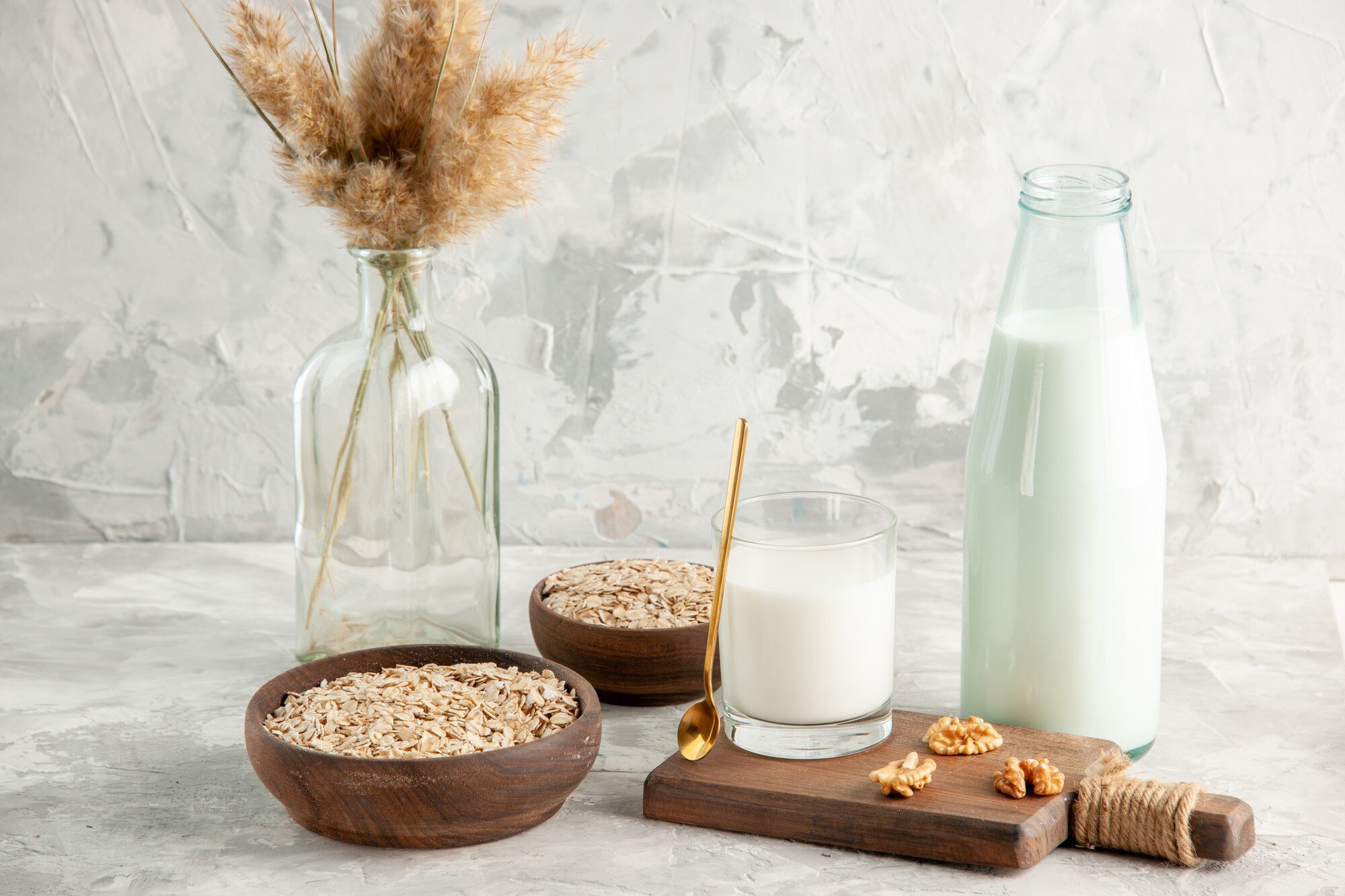
Oat milk is created by mixing oats with water and then filtering out the solids to produce a smooth, dairy-free liquid. It has become a global favorite due to its creamy texture and mild sweetness.
It’s widely known for:
- Being barista-friendly
- Having a naturally sweet flavor
- Being widely available and versatile
However, its environmental footprint and sugar content have come under scrutiny, especially when compared to newer alternatives like potato milk.
Sustainability Showdown: Which Milk is Greener?
Sustainability is the biggest reason potato milk has gained traction in 2026. Let’s break this down with real comparisons.
Water Usage
One of the most striking facts:
- Potatoes require 56x less water than almonds
- Compared to oats, potato farming still uses less water overall
This makes potato milk one of the most water-efficient plant-based milks available today.
Land Usage
- Potato crops require 2x less land than oats
- Higher yield per hectare means more production with fewer resources
This is critical in a world facing land scarcity and increasing food demand.
Carbon Footprint
Potatoes are:
- Easy to grow in diverse climates
- Efficient in energy conversion
- Less resource-intensive overall
Oats are still considered sustainable, but potato milk edges ahead due to its superior efficiency.
Sustainability Verdict
If your priority is environmental impact, the winner is clear:
Potato Milk wins for sustainability purists.
It offers:
- Lower water usage
- Less land dependency
- Efficient farming cycles
Oat milk remains a good option, but potato milk sets a new benchmark in the sustainable plant milk category.
Nutrition Comparison: What’s Healthier?
When comparing potato milk vs oat milk, nutrition plays a major role in consumer choice.
Sugar Content
- Potato Milk: Lower in sugar
- Oat Milk: Naturally higher in sugar due to oat breakdown
Oat milk’s sweetness comes from enzymatic processing that converts starch into sugars.
Fat Content
- Potato milk is typically lower in saturated fat
- Oat milk may contain more depending on added oils
Protein Content
- Potato milk is often fortified with pea protein
- Oat milk generally has lower protein unless fortified
Vitamins & Minerals
Both milks are usually fortified with:
- Calcium
- Vitamin D
- Vitamin B12
However, potato milk formulations are increasingly optimized to compete nutritionally.
Allergen Profile
Potato milk stands out because it is:
- Nut-free
- Soy-free
- Gluten-free
Oat milk, while often labeled gluten-free, may still pose risks for highly sensitive individuals depending on processing.
Nutrition Verdict
Potato Milk wins for health-conscious consumers.
It offers:
- Lower sugar
- Lower saturated fat
- Better allergen profile
- Competitive protein levels (with fortification)
Taste & Texture: The Real Consumer Test
While sustainability and nutrition matter, taste is often the deciding factor.
Potato Milk Taste Profile
- Neutral to slightly salty
- Mild and subtle flavor
- Works well in savory recipes
However, some consumers find it:
- Less appealing for sweet drinks
- Slightly unfamiliar in flavor
Oat Milk Taste Profile
- Naturally sweet
- Creamy and smooth
- Widely accepted taste
This makes oat milk a favorite for:
- Coffee
- Smoothies
- Cereals
Texture Comparison
- Oat milk: Creamier and thicker
- Potato milk: Lighter but improving with new formulations
Taste Verdict
Oat Milk wins for flavor and mainstream appeal.
Potato milk is still evolving and may not yet satisfy all taste preferences, especially for sweet beverages.
Frothing & Coffee Performance
This is where oat milk has a major advantage.
Oat Milk in Coffee
- Excellent frothing ability
- Creates smooth microfoam
- Preferred by baristas worldwide
Potato Milk in Coffee
- Frothing is still inconsistent
- Texture is improving but not yet ideal
- Better suited for non-coffee uses
Coffee Verdict
Oat Milk remains the top choice for lattes and cappuccinos.
Until potato milk formulations improve, oat milk dominates café culture.
Cooking & Culinary Uses
Potato Milk in Cooking
Because of its neutral-to-salty profile, potato milk works well in:
- Soups
- Sauces
- Savory dishes
- Mashed potatoes (ironically enhancing flavor)
Oat Milk in Cooking
Oat milk shines in:
- Baking
- Desserts
- Pancakes
- Sweet recipes
Cooking Verdict
- Potato Milk: Best for savory cooking
- Oat Milk: Best for sweet dishes and baking
Price & Availability
Oat Milk
- Widely available
- Competitive pricing
- Strong global supply chain
Potato Milk
- Still emerging
- Slightly more expensive in some regions
- Limited availability (but growing rapidly)
Market Trend Insight
As demand increases, potato milk is expected to:
- Become more affordable
- Expand globally
- Compete directly with oat milk
Consumer Perception: Curiosity vs Skepticism
Potato milk faces a unique challenge—consumer psychology.
Common Reactions
- “Potatoes in milk?”
- Curiosity about sustainability
- Skepticism about taste
Meanwhile, oat milk benefits from familiarity and established trust.
The Role of Branding
Brands promoting potato milk focus heavily on:
- Sustainability messaging
- Clean ingredients
- Allergen-free positioning
This is gradually shifting perception, especially among environmentally conscious consumers.
Digital Trends & Popularity in 2026
Search trends show increasing interest in:
- potato milk benefits
- DUG milk review
- sustainable plant milk alternatives
Consumers are actively comparing options and looking for better alternatives.
Oat milk still leads in:
- Market share
- Café adoption
- Consumer familiarity
But potato milk is the fastest-growing challenger.
Pros and Cons Summary
Potato Milk
Pros:
- Highly sustainable
- Low sugar
- Allergen-friendly
- Great for savory dishes
Cons:
- Taste not universally loved
- Limited availability
- Frothing limitations
Oat Milk
Pros:
- Great taste
- Excellent for coffee
- Widely available
- Versatile
Cons:
- Higher sugar
- Less sustainable than potato milk
- Not always gluten-safe
Final Verdict: Who Wins in 2026?
The answer depends on your priorities.
Choose Potato Milk If You Want:
- Maximum sustainability
- Lower sugar intake
- Allergen-free option
- A milk for cooking savory meals
Choose Oat Milk If You Want:
- Better taste
- Perfect coffee froth
- Versatility in sweet recipes
- A familiar, reliable option
The Future of Plant-Based Milk
The potato milk vs oat milk debate is just the beginning. As innovation continues, we can expect:
- Improved potato milk formulations
- Better frothing technology
- Enhanced taste profiles
- Increased accessibility
Potato milk may not replace oat milk overnight, but it’s clearly shaping the future of sustainable plant milk.
Conclusion
In the evolving world of plant-based nutrition, both potato milk and oat milk have their place. Oat milk continues to dominate in taste and convenience, while potato milk leads the charge in sustainability and innovation.
If 2026 has taught us anything, it’s this: the future of food is not just about what tastes good—it’s about what works better for our bodies and the planet.
As consumers become more informed, the choice between these two milks becomes less about competition and more about context.
And that’s the real takeaway from the 2026 showdown.
About the Author