

Vegan parenting is more than a lifestyle choice—it’s a commitment to raising children on a plant-based diet while ensuring they receive all the nutrients necessary for healthy growth and development. More families are exploring the benefits of vegan diets for kids, and with the right approach, it’s entirely possible to raise healthy children on vegan diets without compromising on nutrition, taste, or convenience. This comprehensive guide explores meal plans, nutrient Q&A, and pediatrician-approved tips for vegan families seeking to provide wholesome, balanced diets for their little ones.
Raising vegan children involves understanding how plant-based nutrition for children differs from traditional diets, planning healthy vegan family meals, and incorporating vegan snacks for children that are both satisfying and nutritious. From toddlers to teenagers, plant-based kids can thrive with proper planning, fortified foods, and diverse dietary sources.
Why Choose a Vegan Diet for Kids?
The benefits of a vegan diet for kids are well-documented when properly planned. A whole-food, plant-based diet for children emphasizes fruits, vegetables, whole grains, legumes, nuts, and seeds, offering:
- Lower risk of chronic diseases – Plant-based diets are naturally lower in saturated fats and cholesterol, which may reduce the risk of obesity, heart disease, and diabetes later in life.
- Better digestion and gut health – High fiber intake from plant foods supports healthy digestion and can prevent constipation.
- Environmental and ethical values – Many parents choose vegan parenting as part of a sustainable family lifestyle, teaching children compassion for animals and environmental responsibility.
- Diverse nutrient intake – Fruits, vegetables, legumes, nuts, and fortified foods provide essential vitamins and minerals crucial for growing bodies.
However, parents must pay attention to nutrients often less abundant in plant-based foods, including vitamin B12, vitamin D, iron, zinc, calcium, and omega-3 fatty acids. These can be supplemented or obtained from fortified foods to support optimal growth.
Nutrient Q&A for Vegan Families
One of the most common concerns among parents raising vegan children is nutrient sufficiency. Here’s a practical pediatrician-approved Q&A:
Q: How can I ensure my child gets enough protein?
A: Plant-based protein for kids can come from lentils, beans, chickpeas, tofu, tempeh, edamame, quinoa, seitan, nuts, and seeds. Combining various sources throughout the day provides all essential amino acids.
Q: What about calcium for strong bones?
A: Fortified plant milks, calcium-set tofu, almonds, tahini, broccoli, kale, and figs are excellent sources. For toddlers, choose fortified options to meet daily requirements.
Q: Is iron a concern on a vegan diet?
A: Iron is found in lentils, beans, tofu, spinach, pumpkin seeds, and whole grains. Pairing iron-rich foods with vitamin C (like bell peppers or citrus) enhances absorption.
Q: Do kids need vitamin B12 supplements?
A: Yes, vitamin B12 is critical for nerve function and blood formation. All vegan children should consume fortified foods or take pediatrician-approved B12 supplements.
Q: How to get enough omega-3 fatty acids?
A: Flaxseeds, chia seeds, hemp seeds, walnuts, and algae-based supplements provide essential omega-3s for brain and eye development.
Q: Can a vegan diet support growth?
A: Numerous studies confirm that well-planned vegan diets support normal growth, healthy weight, and overall development in children. Regular check-ups with a pediatrician ensure growth milestones are met.
Vegan Family Meal Planning
Meal planning is the backbone of raising healthy kids on a vegan diet. Structuring meals ensures that your plant-based kids receive balanced nutrition every day. Here’s a framework for a week of healthy vegan family meals:
Breakfast Ideas
- Overnight oats with chia seeds, almond milk, and berries – high in fiber, antioxidants, and omega-3s.
- Tofu scramble with vegetables and whole-grain toast – protein-rich and versatile for kids who like savory breakfasts.
- Vegan smoothies with fortified plant milk, spinach, banana, and flaxseed – a nutrient-packed option for toddlers.
Lunch Ideas
- Chickpea salad sandwiches on whole-grain bread – plant-based protein with healthy fats.
- Quinoa and veggie bowls drizzled with tahini – a rich source of complete protein and iron.
- Lentil soup with whole-grain crackers – warm, comforting, and nutrient-dense.
Dinner Ideas
- Vegan pasta with tomato, spinach, and white bean sauce – protein-rich and kid-friendly.
- Stuffed bell peppers with rice, black beans, and corn – colorful and full of vitamins.
- Vegan chili with kidney beans, lentils, and sweet potatoes – high in fiber and iron.
Snack Ideas
- Apple slices with almond butter – protein and healthy fat.
- Carrot sticks and hummus – iron and fiber.
- Trail mix with nuts, seeds, and dried fruit – energy-dense and portable.
- Vegan yogurt with fresh fruit – calcium and probiotics.
Vegan Meals for Toddlers
Toddlers can be picky eaters, making vegan meal planning a unique challenge. Here are tips for raising vegan children at this stage:
- Finger foods for self-feeding – small pieces of steamed vegetables, fruit slices, or soft tofu.
- Smoothies – combine fruits, vegetables, fortified plant milk, and nut butters for a nutrient-dense drink.
- Iron-fortified cereals – paired with vitamin C fruits to aid absorption.
- Sneak in vegetables – pureed veggies can be mixed into pasta sauces, soups, or baked goods.
Consistency is key. Children adapt to flavors over time, so repeated exposure to diverse foods encourages acceptance.
Plant-Based Protein for Kids
Protein is often the most discussed nutrient when raising vegan children. While animal products are common protein sources, plant-based alternatives are sufficient and healthy when diversified:
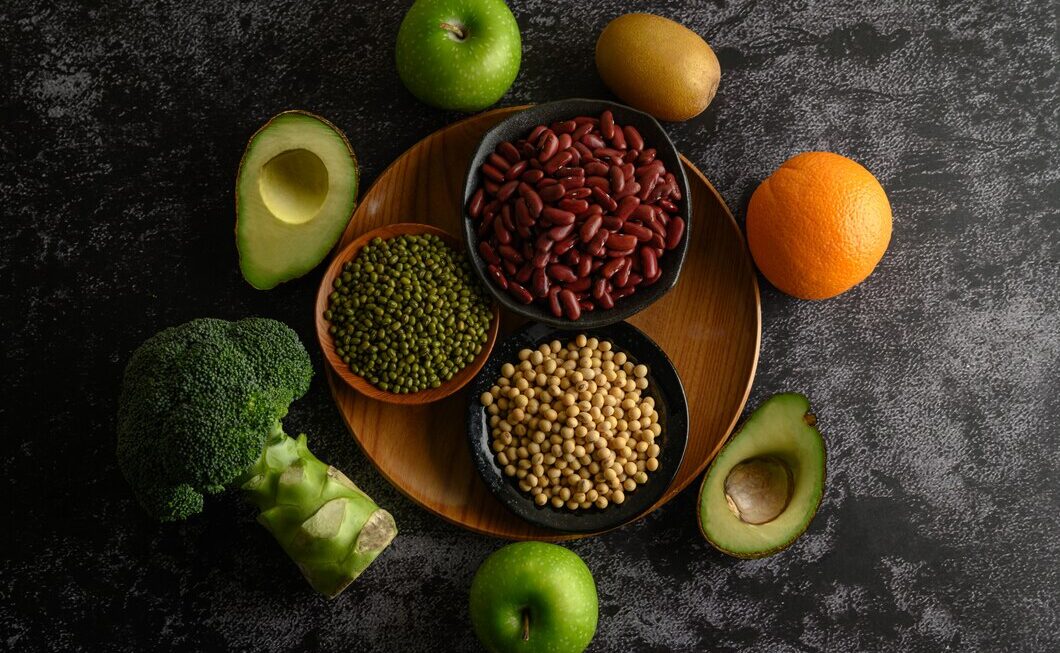
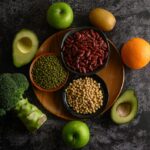
- Legumes: lentils, chickpeas, black beans, kidney beans.
- Soy products: tofu, tempeh, edamame, soy milk.
- Whole grains: quinoa, farro, bulgur, oatmeal.
- Nuts & seeds: almonds, walnuts, chia, hemp, pumpkin seeds.
A practical approach is to include protein at every meal, ensuring toddlers and older children receive adequate amounts for growth, immune support, and muscle development.
Health Benefits of Raising Vegan Children
Raising healthy kids on vegan diets offers numerous long-term benefits:
- Weight management – Plant-based kids are less likely to be overweight or obese due to high fiber and lower calorie density.
- Heart health – Lower cholesterol and blood pressure are linked to lifelong cardiovascular benefits.
- Better digestion – Fiber-rich plant foods promote gut health and prevent constipation.
- Reduced exposure to additives – Plant-based meals often contain fewer processed ingredients, sugars, and artificial additives.
- Environmental impact – Teaching children sustainable family lifestyles instills responsibility for the planet.
How to Raise Vegan Kids Successfully
Raising vegan children requires a holistic approach combining nutrition, education, and community support:
- Educate your child – Explain why the family follows a plant-based diet, focusing on kindness, health, and environmental sustainability.
- Seek pediatric guidance – Regular check-ups ensure growth milestones are met and nutrient needs are addressed.
- Encourage variety – Introducing new foods frequently develops a palate for diverse plant-based foods.
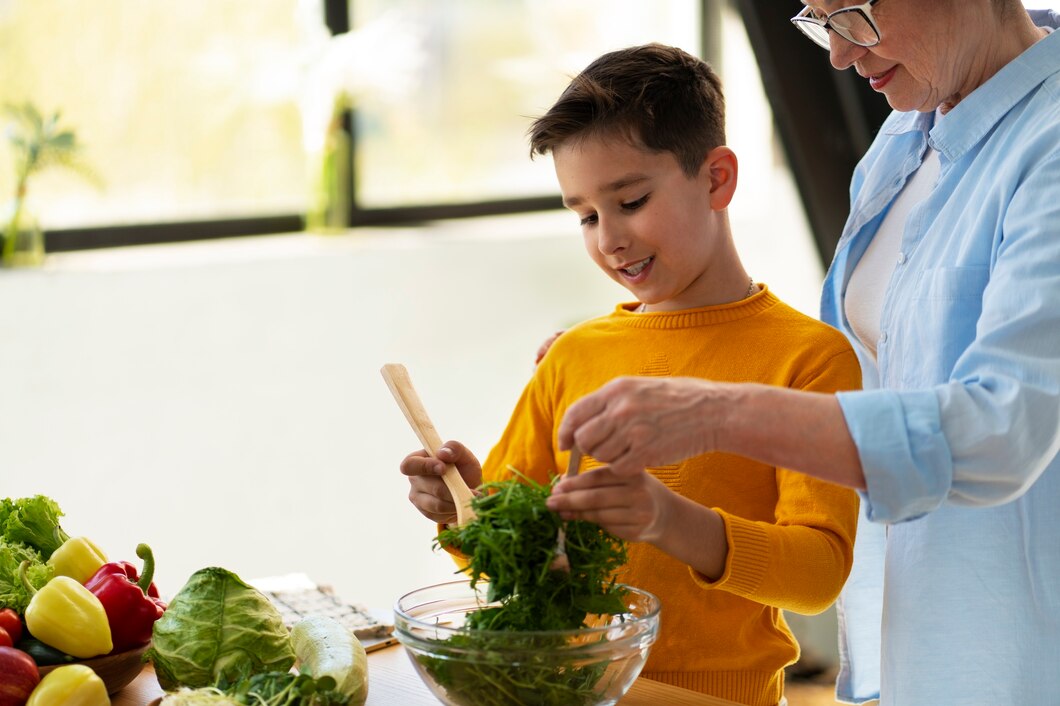
- Involve children in meal prep – Cooking together teaches nutrition, responsibility, and culinary skills.
- Plan balanced meals – Use vegan meal plans and Q&A resources to maintain adequate macro- and micronutrients.
- Social support – Connect with vegan parenting groups, online communities, or local co-ops for tips and encouragement.
Vegan Pregnancy and Kids Nutrition
A plant-based approach can start even before birth. Vegan pregnancy and kids nutrition is crucial for fetal development:
- Protein – Incorporate beans, lentils, tofu, tempeh, and quinoa.
- Iron – Essential for blood development; pair with vitamin C-rich foods for better absorption.
- Vitamin B12 – Supplementation is required for pregnant vegans.
- Omega-3 fatty acids – Include flaxseed, chia, walnuts, or algae supplements.
- Calcium & vitamin D – Fortified plant milks and leafy greens support bone health.
Proper planning ensures infants transition smoothly to plant-based diets once weaned.
Sample One-Day Vegan Family Meal Plan
Breakfast: Banana and spinach smoothie with almond milk, chia seeds, and oats
Snack: Carrot sticks with hummus
Lunch: Quinoa and black bean salad with cherry tomatoes, corn, and avocado
Snack: Apple slices with almond butter
Dinner: Lentil and vegetable stew with whole-grain bread
Dessert: Chia pudding with fresh berries
This plan provides balanced nutrition with sufficient protein, iron, calcium, omega-3s, and fiber.
Vegan Snacks for Children
Snacking is an opportunity to reinforce healthy eating habits:
- Energy balls – Blend dates, oats, chia, and cocoa.
- Roasted chickpeas – Crunchy, protein-rich, and fiber-packed.
- Vegetable sticks with guacamole – Healthy fats and vitamins.
- Fruit kebabs – Fun, colorful, and naturally sweet.
Snacks should complement meals and avoid excess sugar or ultra-processed vegan products.
Whole-Food Plant-Based Diet for Children
Emphasizing whole foods over processed vegan alternatives is key. Whole-food plant-based diets for children promote:
- Higher nutrient density
- Better satiety and healthy growth
- Reduced risk of allergies or sensitivities
- Encouragement of lifelong healthy eating habits
Parents can include beans, lentils, whole grains, vegetables, fruits, nuts, and seeds as the foundation of meals.
Vegan Family Meal Planning Tips
- Batch cooking – Prepare grains, beans, and sauces ahead to streamline weekday meals.
- Theme nights – Taco Tuesday, Pasta Wednesday, or Stir-Fry Friday keeps meals fun.
- Frozen vegetables and fruits – Convenient, nutritious, and reduce waste.
- Label and store – Keep snacks and ingredients organized for easy access.
- Involve the kids – Let them pick recipes and help with prep to increase engagement and acceptance.
Overcoming Common Challenges
- Picky eating – Gradually introduce new flavors; combine familiar foods with new ingredients.
- Social settings – Pack vegan snacks or dishes when attending school events.
- Eating out – Research restaurants offering vegan options or suggest modifications.
- Nutrient monitoring – Keep track of intake and consult pediatricians for blood work if necessary.
Long-Term Health and Lifestyle Benefits
Raising children on plant-based diets contributes to a sustainable family lifestyle while encouraging:
- Mindful eating
- Environmental consciousness
- Compassion for animals
- Lifelong healthy habits
Children accustomed to varied plant-based meals often continue these habits into adulthood.
Conclusion
Vegan parenting and raising healthy kids on plant-based diets is entirely achievable with thoughtful planning, education, and support. By focusing on nutrient-rich whole foods, incorporating vegan snacks for children, and consulting pediatrician-approved resources, parents can ensure their plant-based kids thrive physically, mentally, and emotionally. Meal plans, Q&A guidance, and creative vegan family meal planning make it possible to enjoy the health benefits, ethical values, and sustainability advantages of a plant-based lifestyle while raising happy, healthy children.
With dedication, creativity, and a proactive approach to plant-based nutrition for children, families can confidently embrace vegan parenting and witness the holistic benefits it brings to their children and household.