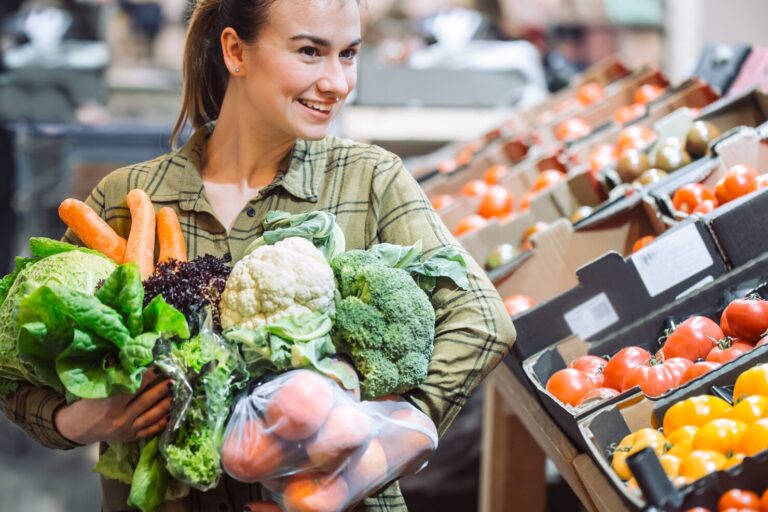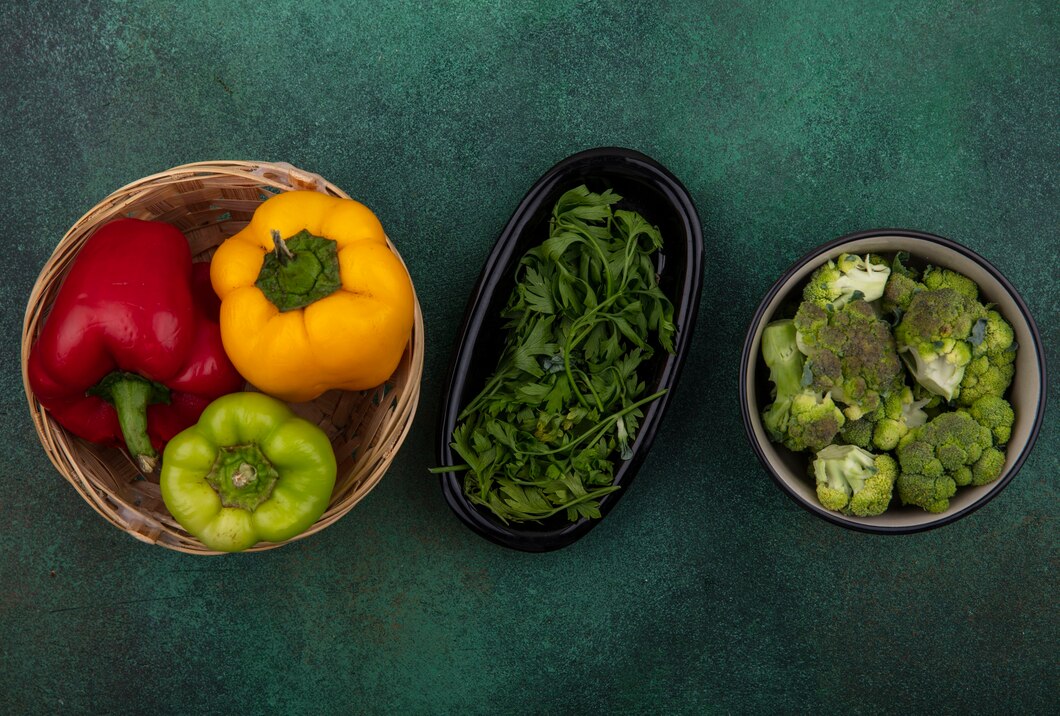
Choosing between a Plant-Based Diet and a Vegetarian Diet has become one of the most common questions among people who want to eat healthier and live a more sustainable lifestyle. Understanding the Plant-Based Diet vs Vegetarian Diet debate can help you choose an eating pattern that fits your health goals, values, and daily routine. While both approaches emphasize plant-based eating, there are important differences in the foods they include and the reasons people follow them. If you’ve ever wondered about the difference between plant-based and vegetarian diet, this guide explains everything you need to know. We’ll answer questions like What is a plant-based diet?, What is a vegetarian diet?, Is a plant-based diet healthier than a vegetarian diet?, Can vegetarians eat dairy and eggs?, and Does a plant-based diet include meat? You’ll also learn about plant-based food, vegetarian food, whole food plant-based diet, healthy plant-based diet, healthy vegetarian diet, plant-based nutrition, vegetarian nutrition, meal planning, protein sources, and much more to help you make an informed decision.
What Is a Plant-Based Diet?
If you’re asking, What is a plant-based diet?, the answer is fairly simple. A plant-based diet emphasizes eating mostly foods that are derived from plants, including fruits, vegetables, whole grains, legumes, nuts, and seeds. These include fruits, vegetables, legumes, beans, whole grains, nuts, seeds, herbs, and spices. The emphasis is on eating mostly minimally processed whole foods while reducing or avoiding animal-based foods.
Many people believe a plant-based diet automatically means vegan, but that isn’t always true. Some individuals following a plant-based eating pattern occasionally consume small amounts of meat, fish, dairy, or eggs, while others avoid all animal products entirely. The key idea is that plants make up the majority of the diet.
A whole food plant-based diet goes one step further by limiting highly processed foods, refined sugars, and unhealthy oils. Instead, it encourages natural, nutrient-rich foods that support long-term health.
What Is a Vegetarian Diet?
Many beginners also ask, What is a vegetarian diet? A vegetarian diet excludes meat, poultry, and seafood but may still include dairy products, eggs, or both, depending on the type of vegetarian lifestyle a person follows.
The most common types include:
- Lacto-vegetarian: Eats dairy products but avoids eggs and meat.
- Ovo-vegetarian: Eats eggs but avoids dairy and meat.
- Lacto-ovo vegetarian: Eats both dairy and eggs while avoiding meat.
- Vegan: Avoids all animal-derived foods.
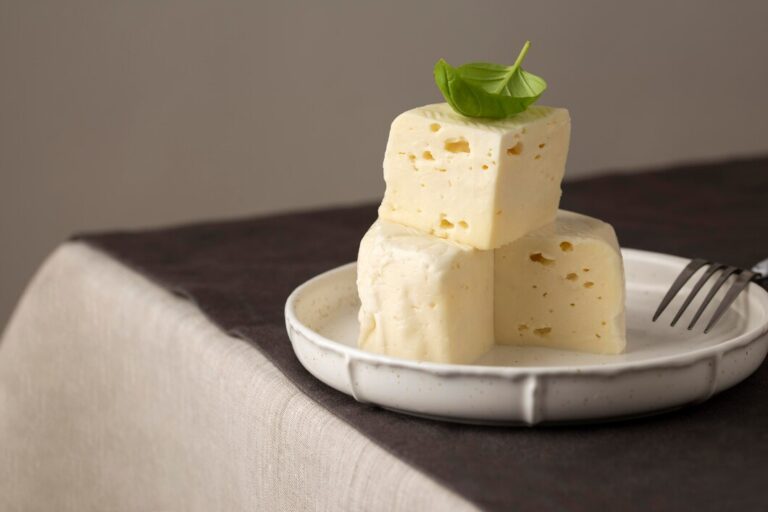
One of the most frequently asked questions is, Can vegetarians eat dairy and eggs? The answer is yes for most vegetarians. Unlike vegans, many vegetarians include milk, cheese, yogurt, butter, and eggs in their daily meals.
A vegetarian lifestyle is often chosen for health, ethical, religious, environmental, or cultural reasons.
Plant-Based Diet vs Vegetarian Diet: What’s the Difference?
The biggest distinction in the Plant-based diet vs vegetarian diet: what’s the difference? discussion lies in the focus.
A plant-based diet focuses on eating mostly plant foods for health and nutrition. It prioritizes the quality of foods rather than simply avoiding meat.
A vegetarian diet focuses on eliminating meat while allowing certain animal products like dairy and eggs.
Here are the primary differences:
| Plant-Based Diet | Vegetarian Diet |
| Focuses on mostly plant foods | Eliminates meat |
| May sometimes include small amounts of meat, depending on personal preference | Never includes meat, poultry, or seafood |
| Often limits processed foods | Processed vegetarian foods may still be included |
| Prioritizes whole foods | May include refined vegetarian products |
| Health is often the primary motivation | Health, ethics, religion, or environment may all play a role |
Understanding the difference between plant-based and vegetarian diet helps you decide which eating style better matches your personal goals.
Vegan vs Vegetarian vs Plant-Based
The comparison of Vegan vs vegetarian vs plant-based often causes confusion.
Here’s an easy way to understand it:
Vegan
- No meat
- No dairy
- No eggs
- No honey
- Avoids all animal-derived ingredients
Vegetarian
- No meat
- May include dairy
- May include eggs
Plant-Based
- Focuses mostly on plant foods
- May or may not include small amounts of animal foods
- Prioritizes nutrition and whole foods
Understanding the difference between vegan, vegetarian, and plant-based diets makes choosing the right approach much easier.
Benefits of a Plant-Based Diet
The benefits of a plant-based diet have been widely recognized because of its emphasis on nutrient-dense whole foods.
Potential benefits include:
- Improved heart health
- Better digestion
- Lower cholesterol
- Healthy weight management
- Improved blood sugar control
- Reduced inflammation
- Higher fiber intake
- Better energy levels
- Improved gut health
- Lower risk of certain chronic diseases
A healthy plant-based diet naturally contains plenty of vitamins, minerals, antioxidants, and fiber.
Benefits of a Vegetarian Diet
The benefits of a vegetarian diet also make it an attractive option.
Many people experience:
- Lower saturated fat intake
- Improved heart health
- Better cholesterol levels
- Healthy body weight
- Increased fruit and vegetable consumption
- Reduced environmental impact
- Ethical satisfaction from avoiding meat
A healthy vegetarian diet can provide excellent nutrition when properly planned.
Is a Plant-Based Diet Healthier Than a Vegetarian Diet?
Many people ask, Is a plant-based diet healthier than a vegetarian diet?
The answer depends on food choices rather than labels.
Someone eating a whole food plant-based diet filled with vegetables, beans, fruits, and whole grains may consume more nutrients than someone eating highly processed vegetarian foods such as fries, chips, sweets, and refined carbohydrates.
Likewise, a vegetarian who eats balanced meals with vegetables, legumes, dairy, eggs, and whole grains may have excellent health.
Ultimately, both diets can support wellness when based on nutritious foods and balanced nutrition.
Plant-Based Nutrition
Proper plant-based nutrition includes foods from several important categories.
These include:
Fruits and Vegetables
Rich in vitamins, antioxidants, minerals, and fiber.
Whole Grains
Examples include:
- Brown rice
- Oats
- Quinoa
- Whole wheat
- Millet
These provide long-lasting energy.
Legumes and Beans
Legumes and beans are nutrient-rich foods packed with protein, fiber, and essential minerals.
Popular options include:
- Lentils
- Chickpeas
- Kidney beans
- Black beans
- Pinto beans
Nuts and Seeds
Nuts and seeds provide healthy fats, protein, vitamin E, magnesium, and omega-3 fatty acids.
Examples include:
- Almonds
- Walnuts
- Chia seeds
- Flaxseeds
- Pumpkin seeds
Vegetarian Nutrition
Good vegetarian nutrition also includes dairy products and eggs for those who consume them.
Important nutrients include:
- Protein
- Calcium
- Iron
- Vitamin B12
- Vitamin D
- Zinc
- Omega-3 fatty acids
Planning meals carefully helps avoid nutritional deficiencies.
Plant-Based Protein Sources
One concern many beginners have is getting enough protein.
Fortunately, there are many excellent plant-based protein sources including:
- Lentils
- Chickpeas
- Black beans
- Kidney beans
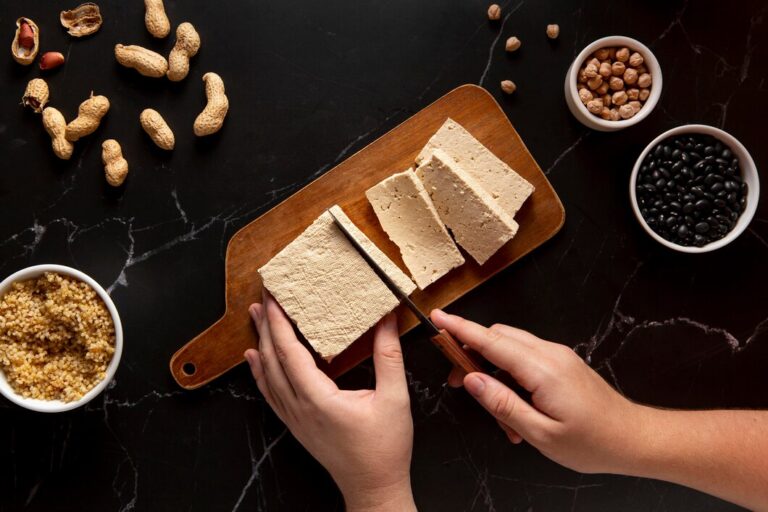
- Tofu
- Tempeh
- Edamame
- Peas
- Quinoa
- Hemp seeds
- Chia seeds
- Pumpkin seeds
- Almonds
- Peanut butter
These foods easily meet daily protein needs when eaten regularly.
Vegetarian Protein Sources
In addition to plant foods, vegetarian protein sources may include:
- Greek yogurt
- Cottage cheese
- Milk
- Cheese
- Eggs
Combining these with legumes and whole grains creates balanced meals.
Best Foods for a Plant-Based Diet
The best foods for a plant-based diet include natural, minimally processed ingredients.
Examples include:
- Leafy greens
- Broccoli
- Sweet potatoes
- Berries
- Apples
- Bananas
- Beans
- Lentils
- Chickpeas
- Brown rice
- Oats
- Quinoa
- Nuts
- Seeds
- Avocados
These foods support long-term health and energy.
Best Foods for Vegetarians
The best foods for vegetarians include:
- Vegetables
- Fruits
- Eggs
- Yogurt
- Milk
- Cheese
- Whole grains
- Lentils
- Chickpeas
- Beans
- Nuts
- Seeds
Choosing whole foods over processed alternatives improves overall nutrition.
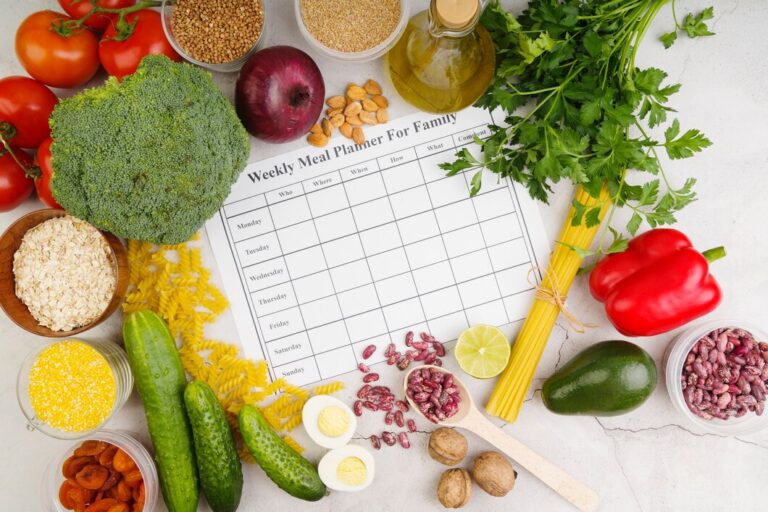
Plant-Based Meal Plan
A simple plant-based meal plan might include:
Breakfast
Oatmeal topped with berries, chia seeds, and almonds.
Snack
Apple with peanut butter.
Lunch
Quinoa salad with chickpeas, spinach, cucumber, tomatoes, and avocado.
Snack
Mixed nuts.
Dinner
Brown rice with roasted vegetables and lentil curry.
Vegetarian Meal Plan
A balanced vegetarian meal plan may include:
Breakfast
Greek yogurt with fruit and granola.
Snack
Mixed nuts.
Lunch
Vegetable sandwich with cheese.
Snack
Boiled eggs.
Dinner
Vegetable stir-fry with tofu and brown rice.
Plant-Based Diet Meal Ideas
Looking for plant-based diet meal ideas?
Try:
- Lentil soup
- Chickpea curry
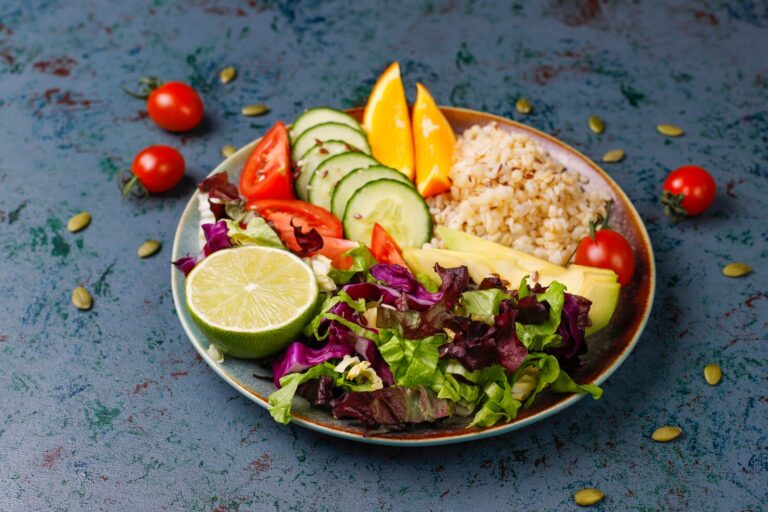
- Buddha bowls
- Vegetable chili
- Stuffed peppers
- Tofu stir-fry
- Overnight oats
- Smoothie bowls
- Bean tacos
- Roasted vegetable pasta
These meals are colorful, filling, and nutrient-rich.
Vegetarian Diet Food List
A practical vegetarian diet food list includes:
Vegetables
Fruits
Whole grains
Beans
Lentils
Eggs
Milk
Yogurt
Cheese
Tofu
Tempeh
Nuts
Seeds
Healthy oils
Herbs
Spices
Keeping these ingredients stocked makes meal preparation much easier.
Plant-Based Eating for Beginners
Plant-based eating for beginners doesn’t require dramatic overnight changes.
Start by:
- Eating vegetables with every meal.
- Replacing refined grains with whole grains.
- Trying meatless dinners twice a week.
- Eating more beans and lentils.
- Snacking on fruits instead of processed foods.
- Drinking more water.
Gradual changes are often easier to maintain.
Vegetarian Diet for Beginners
A vegetarian diet for beginners can start by replacing meat with nutritious alternatives.
Simple substitutions include:
- Lentils instead of ground beef
- Chickpeas instead of chicken
- Tofu instead of pork
- Black beans instead of beef burgers
Learning new recipes helps make the transition enjoyable.
Plant-Based Lifestyle Beyond Food
A plant-based lifestyle often extends beyond eating.
Many people also choose:
- Eco-friendly products
- Sustainable clothing
- Reduced food waste
- More environmentally conscious shopping
This lifestyle encourages mindful consumption and environmental responsibility.
Meat-Free Diet and Sustainable Eating
A meat-free diet often supports sustainable eating by reducing environmental impact.
Producing plant foods generally requires fewer natural resources than producing meat.
Many people choose plant-focused diets to help reduce greenhouse gas emissions, conserve water, and protect biodiversity.
Healthy Eating Habits for Long-Term Success
Regardless of which diet you choose, practicing healthy eating habits is essential.
These habits include:
- Eating regular meals
- Choosing whole foods
- Drinking enough water
- Limiting added sugars
- Reducing ultra-processed foods
- Eating plenty of fruits and vegetables
- Watching portion sizes
Healthy habits matter more than following a specific label.
Plant-Based Diet vs Vegetarian Diet for Weight Loss
Many people ask about the Plant-based diet vs vegetarian diet for weight loss.
Both can support healthy weight loss if calorie intake is appropriate and meals focus on nutrient-dense foods.
Whole food plant-based diets often naturally contain fewer calories because they emphasize fiber-rich vegetables, legumes, and whole grains.
However, vegetarian diets can also promote weight loss when they avoid excessive processed foods and sugary snacks.
Which Is Healthier, a Plant-Based Diet or a Vegetarian Diet?
So, Which is healthier, a plant-based diet or a vegetarian diet?
There isn’t one universal answer.
A carefully planned vegetarian diet can be extremely healthy.
Likewise, a balanced plant-based diet offers outstanding nutritional benefits.
The healthiest choice depends on:
- Food quality
- Nutrient balance
- Lifestyle
- Physical activity
- Individual health goals
Choosing whole, minimally processed foods remains the most important factor.
Benefits of Choosing a Plant-Based Diet Over a Vegetarian Diet
Some people see additional benefits of choosing a plant-based diet over a vegetarian diet because plant-based eating often encourages:
- More vegetables
- More fruits
- More fiber
- Less processed food
- Better nutrient density
- Greater emphasis on whole foods
These habits may contribute to better long-term health outcomes.
Plant-Based Diet Compared to a Vegetarian Diet
When looking at a Plant-based diet compared to a vegetarian diet, remember that both encourage eating more plant foods.
The primary difference is that plant-based diets prioritize food quality and whole foods, while vegetarian diets primarily focus on excluding meat.
Neither approach is automatically healthier—the quality of your daily food choices matters most.
How to Switch to a Plant-Based Diet
Wondering How to switch to a plant-based diet?
Start slowly by:
- Adding one extra serving of vegetables each day.
- Replacing meat with legumes several times a week.
- Choosing whole grains over refined grains.
- Experimenting with dairy alternatives like oat, almond, or soy milk.
- Trying new plant-based recipes every week.
- Planning meals in advance.
Small, consistent changes make the transition easier and more sustainable.
Common Myths About Plant-Based and Vegetarian Diets
There are several Common myths about plant-based and vegetarian diets that deserve clarification.
Myth 1: You can’t get enough protein.
Fact: Beans, lentils, tofu, nuts, seeds, eggs, and dairy provide plenty of protein.
Myth 2: Plant-based eating is expensive.
Fact: Staples like rice, beans, oats, lentils, and seasonal produce are often budget-friendly.
Myth 3: Vegetarian diets are automatically healthy.
Fact: A vegetarian diet can still include processed foods high in sugar, salt, and unhealthy fats.
Myth 4: Plant-based diets are boring.
Fact: There are thousands of flavorful recipes using herbs, spices, vegetables, grains, and legumes.
Conclusion
Choosing between a Plant-Based Diet and a Vegetarian Diet ultimately depends on your personal health goals, lifestyle, and preferences. Understanding the difference between plant-based and vegetarian diet allows you to make informed decisions about your nutrition. Whether you choose plant-based eating, embrace a vegetarian lifestyle, or simply add more whole foods, fruits and vegetables, legumes and beans, whole grains, nuts and seeds, and dairy alternatives to your meals, both eating patterns can support healthy eating, balanced nutrition, and long-term wellness. By focusing on clean eating, adopting an eco-friendly diet, practicing sustainable nutrition, and maintaining a heart-healthy diet, you can enjoy the many benefits of reducing your reliance on animal products while building lifelong healthy habits.
About the Author