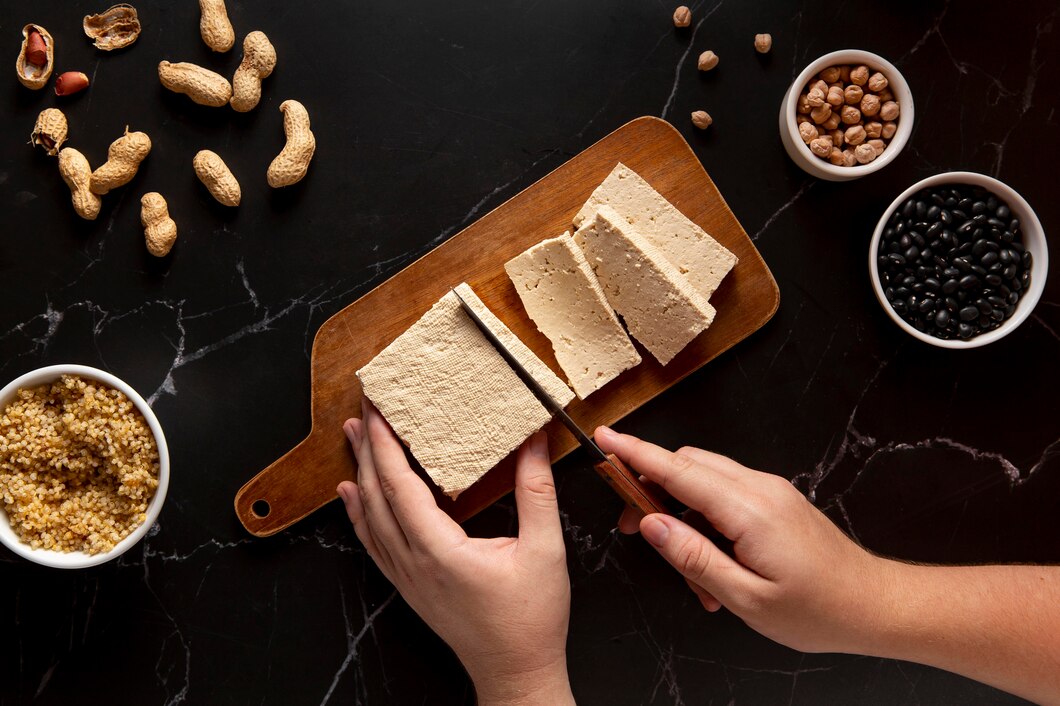
If you’re trying to build muscle, maintain a healthy diet, or simply eat more plant-based meals without overspending, one question matters more than ever: Which is the cheapest vegan protein? Rising grocery prices have made shoppers more conscious of food value, and protein is often one of the most expensive parts of any diet. Instead of looking only at price per package, it makes more sense to compare protein per dollar vegan foods provide. In this guide, we’ll analyze tofu vs tempeh cost, examine seitan nutrition, compare homemade and store-bought options, and determine which protein source offers the best value for budget bodybuilding and everyday nutrition.
Why Price-Per-Protein Matters
When buying protein-rich foods, many people compare only the shelf price. However, a $3 package containing 12 grams of protein isn’t necessarily a better value than a $5 package containing 50 grams.
A smarter approach is calculating:
Cost per 20 grams of protein
This measurement gives every protein source a level playing field.
For example:
- Food A costs $2 and provides 10g protein.
- Food B costs $4 but provides 40g protein.
Although Food B costs twice as much, you’re actually getting four times more protein.
That’s why athletes, students, families, and anyone shopping on a budget should compare protein density instead of package price.
How We Compared These Protein Sources
For this analysis, we looked at commonly available vegan protein foods:
- Tofu
- Tempeh
- Homemade Seitan
- Store-Bought Seitan
- Dry Lentils
- Beyond Meat
Instead of comparing serving sizes, we calculated approximately how much it costs to obtain 20 grams of protein from each food.
Since grocery prices vary by country and region, the figures below represent typical average retail pricing and are intended as a practical comparison rather than fixed market values.
Protein Comparison Table
| Protein Source | Approx. Protein | Typical Cost | Cost for 20g Protein | Overall Value |
| Dry Lentils | High | Very Low | ⭐ Lowest | Excellent |
| Homemade Seitan | Very High | Low | ⭐ Extremely Low | Excellent |
| Tofu | Moderate | Low | Moderate | Very Good |
| Tempeh | High | Medium | Moderate | Good |
| Store-Bought Seitan | Very High | Medium | Good | Very Good |
| Beyond Meat | High | High | Highest | Fair |
Winner: Dry Lentils
Best High-Protein Choice: Homemade Seitan
Understanding Protein Density
Protein density refers to how much protein you receive relative to the amount of food.
This matters because eating enough protein becomes easier when foods contain more protein in smaller portions.
For example:
- Lentils contain plenty of protein but also significant carbohydrates.
- Tofu provides moderate protein with healthy fats.
- Tempeh contains protein plus fiber.
- Seitan is mostly protein with comparatively fewer carbohydrates and fats.
Higher protein density is particularly useful for athletes and people trying to increase protein intake without consuming excessive calories.
Tofu: Affordable and Versatile
Tofu has been one of the most popular plant-based proteins for decades.
Made from soybeans, tofu is inexpensive, widely available, and incredibly versatile.
Advantages
- Budget-friendly
- Easy to cook
- Mild flavor
- Excellent source of complete protein
- Low saturated fat
Disadvantages
- Lower protein density than seitan
- Texture may not appeal to everyone
Tofu vs Tempeh Cost
When comparing tofu vs tempeh cost, tofu usually wins.
Tofu generally costs less per package and remains one of the most affordable complete proteins available.
However, because tofu contains less protein per gram than tempeh, the price difference becomes smaller when comparing protein rather than package size.
Tempeh: More Protein, More Nutrition
Tempeh is another soy-based protein, but unlike tofu, it’s made from fermented whole soybeans.
The fermentation process improves texture and contributes beneficial compounds.
Benefits
- Higher protein than tofu
- More dietary fiber
- Rich in minerals
- Firmer texture
- Nutty flavor
Drawbacks
- More expensive
- Stronger taste
- Less widely available
Tempeh offers excellent nutrition, but shoppers focused purely on affordability may find tofu provides slightly better overall value.
Seitan: The Budget Bodybuilder’s Choice
When discussing seitan nutrition, it’s impossible to ignore its extraordinary protein content.
Seitan is made primarily from vital wheat gluten.
Unlike tofu or lentils, most of its calories come directly from protein.
Typical characteristics include:
- Extremely high protein
- Low fat
- Low carbohydrate
- Dense texture
- Meat-like consistency
For individuals pursuing budget bodybuilding, seitan is one of the strongest options available.
Homemade vs. Store-Bought Seitan
One of the biggest discoveries in this comparison involves homemade seitan.
Homemade Seitan
Made from vital wheat gluten flour.
Advantages:
- Lowest cost among high-protein foods
- Extremely protein dense
- Customizable flavors
- Large batch preparation
- Excellent meal prep option
Store-Bought Seitan
Convenient but more expensive.
Advantages:
- Ready to cook
- Consistent texture
- Time-saving
Disadvantages:
- Higher price
- Added preservatives in some brands
If your primary goal is maximizing protein per dollar vegan foods provide, homemade seitan clearly outperforms store-bought versions.
Why Seitan Wins for Budget Bodybuilding
Bodybuilders often need between 100–180 grams of protein daily depending on body weight and training goals.
Meeting these requirements can become expensive.
Seitan solves several problems:
- High protein concentration
- Low cost
- Filling texture
- Easy meal preparation
Compared to tofu, you’ll generally eat a smaller serving to reach the same protein target.
This makes seitan particularly appealing for meal prep.
Dry Lentils: The Overall Winner
If we’re looking strictly at affordability, dry lentils remain the undisputed champion.
Why Lentils Win
- Extremely inexpensive
- Long shelf life
- Easy to buy in bulk
- Rich in protein
- High fiber
- Excellent minerals
Dry lentils consistently deliver the cheapest vegan protein available in most grocery stores.
However, they contain more carbohydrates than seitan, making them better suited for balanced meals rather than ultra-high-protein diets.
Beyond Meat: Convenient but Costly
Beyond Meat products offer convenience and familiar textures for people transitioning to plant-based eating.
Advantages include:
- Excellent taste
- Meat-like texture
- Easy preparation
However:
- Higher retail cost
- Lower value per protein dollar
- More processed
While Beyond Meat fits many lifestyles, it ranks lowest when affordability becomes the priority.
Cheapest Vegan Protein Ranking
Based on average protein cost:
1. Dry Lentils ⭐
Best overall value.
2. Homemade Seitan ⭐
Highest protein density.
3. Tofu
Reliable daily protein.
4. Store-Bought Seitan
Convenient but pricier.
5. Tempeh
Nutritious but moderately expensive.
6. Beyond Meat
Convenient but costly.
Cost Isn’t Everything
Although this article focuses on affordability, nutrition should always remain part of the conversation.
Different protein sources provide unique nutritional benefits.
Lentils
- Fiber
- Iron
- Folate
Tofu
- Calcium (fortified varieties)
- Iron
- Complete protein
Tempeh
- Fiber
- Magnesium
- Fermented benefits
Seitan
- Extremely high protein
- Low fat
Beyond Meat
- Convenient source of protein
- Fortified nutrients in some products
Combining different protein sources creates a more balanced diet.
Complete Protein vs. Protein Quantity
Another important consideration is amino acid quality.
Soy foods like tofu and tempeh naturally contain all nine essential amino acids.
Lentils are highly nutritious but pair well with grains over the course of the day for optimal amino acid balance.
Seitan is rich in protein but lower in lysine, making it beneficial to combine with legumes such as beans, lentils, or chickpeas.
A varied plant-based diet generally provides adequate amino acids without requiring every meal to be perfectly balanced.
Which Protein Is Best for Muscle Building?
For muscle growth, protein quality, quantity, and total daily intake matter.
Here’s how these foods compare:
Best Overall
Homemade Seitan
Best Whole Food
Tempeh
Best Budget Choice
Dry Lentils
Best Everyday Protein
Tofu
Best Convenience
Store-Bought Seitan
Best Meat Alternative
Beyond Meat
Tips to Maximize Protein on a Budget
If you want to increase protein while keeping grocery bills under control, consider these strategies:
Buy Dry Foods Instead of Ready Meals
Dry lentils and vital wheat gluten usually cost much less than prepared products.
Cook in Bulk
Preparing larger batches reduces cooking time and food waste.
Freeze Extra Portions
Most cooked proteins freeze well for future meals.
Mix Protein Sources
Instead of relying on one food, combine tofu, lentils, beans, and homemade seitan throughout the week.
Watch Sales
Stock up when plant-based proteins are discounted.
Compare Protein Labels
Always compare grams of protein—not just package price.
Sample Budget High-Protein Day
Here’s an example of how affordable vegan protein can fit into a day’s meals.
Breakfast
Tofu scramble with vegetables and whole-grain toast.
Lunch
Lentil curry served with brown rice.
Snack
Roasted chickpeas.
Dinner
Homemade seitan stir-fry with broccoli and quinoa.
Evening Snack
Soy yogurt with seeds.
This approach provides a diverse range of nutrients while keeping food costs manageable.
Is Homemade Seitan Difficult to Make?
Many people assume homemade seitan requires advanced cooking skills.
In reality, it’s relatively simple.
The basic ingredients include:
- Vital wheat gluten
- Vegetable broth
- Seasonings
- Soy sauce or tamari
- Nutritional yeast (optional)
After mixing the dough, it is simmered or steamed until firm.
Once prepared, it can be sliced, grilled, baked, or added to stir-fries, sandwiches, salads, and wraps.
Making larger batches also reduces the cost per serving even further.
Factors That Affect Protein Costs
Keep in mind that prices can fluctuate due to a variety of factors, including:
- Geographic location
- Organic versus conventional products
- Brand reputation
- Bulk purchasing
- Seasonal promotions
- Specialty grocery stores
Checking local grocery prices and calculating protein per serving can help you make the most economical choice for your area.
Final Verdict: Which Protein Offers the Best Value?
When comparing tofu, tempeh, seitan, lentils, and Beyond Meat through the lens of protein per dollar vegan shoppers receive, two clear winners emerge.
Dry lentils provide the cheapest vegan protein overall, making them an excellent staple for anyone looking to maximize nutrition while minimizing grocery expenses. They are rich in protein, fiber, and essential nutrients, making them a smart everyday choice for families, students, and budget-conscious eaters.
However, when protein density is the priority—especially for budget bodybuilding or higher protein requirements—homemade seitan stands out. Thanks to exceptional seitan nutrition, its high protein concentration and low cost per serving earn it the title of the “Budget Bodybuilder’s Choice.”
Tofu and tempeh remain excellent additions to a balanced plant-based diet, offering versatility, complete protein, and valuable nutrients. While Beyond Meat provides convenience and a familiar texture, it is generally the least cost-effective option in terms of protein per dollar.
Ultimately, the best strategy is not to rely on a single food but to combine affordable protein sources throughout the week. By understanding tofu vs tempeh cost, evaluating protein per dollar vegan foods, and making informed purchasing decisions, you can build a nutritious, satisfying, and budget-friendly eating plan without compromising your health or fitness goals.
About the Author