

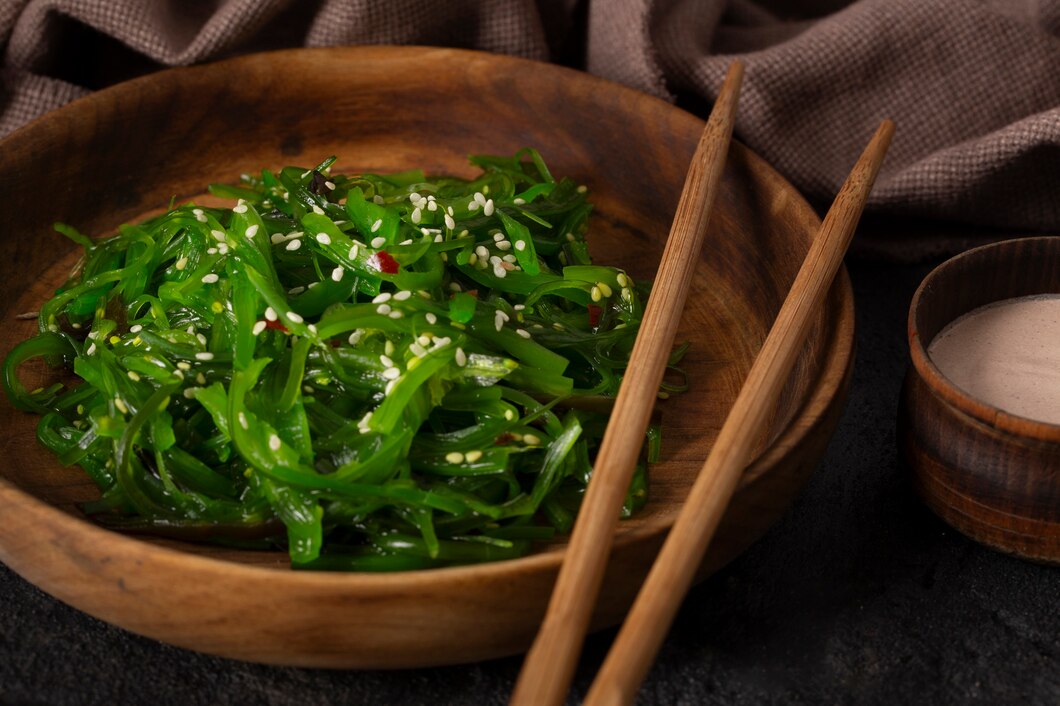
Plant-based nutrition has evolved far beyond salads and smoothies. Today, many vegans are exploring nutrient-rich foods from the ocean to support overall wellness, improve mineral intake, and strengthen long-term health. Among the most talked-about superfoods are sea moss and kelp. These ocean greens are packed with minerals, antioxidants, and natural compounds that support energy, digestion, immunity, and thyroid function. Understanding the sea moss benefits vegan lifestyles can completely transform the way plant-based eaters approach nutrition.
Sea vegetables are often called the “multivitamin of the sea” because of their impressive nutrient density. Unlike many land vegetables, sea moss and kelp naturally contain iodine, magnesium, potassium, calcium, iron, and trace minerals that are sometimes difficult to obtain in vegan diets. They also provide plant compounds that may support collagen production indirectly by supplying important nutrients and amino acid precursors.
As interest in wellness and sustainable eating grows, foods like Irish moss gel and kelp noodles are becoming increasingly popular. Vegans are turning to these ingredients not only for nutrition but also for convenience, versatility, and digestive support. In this guide, we will explore why sea moss and kelp deserve a place in plant-based diets, how to prepare them, and practical ways to incorporate them into everyday meals.
Why Ocean Greens Matter in Vegan Nutrition
Many people focus heavily on fruits, vegetables, grains, and legumes when following a plant-based lifestyle. While these foods offer incredible health benefits, certain nutrients may still require extra attention. One of the most important nutrients for vegans is iodine.
The body needs iodine to support thyroid hormone production, metabolism, energy levels, and brain function. Unfortunately, many plant-based diets can be low in iodine unless sea vegetables or fortified foods are included regularly.
This is why ocean greens are becoming important iodine sources vegan communities can rely on naturally.
Sea vegetables offer:
- Natural iodine content
- Trace minerals
- Antioxidants
- Fiber
- Anti-inflammatory compounds
- Plant-based nutrients for wellness
Sea moss and kelp stand out because they are easy to incorporate into modern diets and can be used in smoothies, soups, salads, noodles, desserts, and sauces.
What Is Sea Moss?
Sea moss is a type of red algae found mainly along the Atlantic coasts of Europe, North America, and the Caribbean. It is also commonly called Irish moss.
Traditionally, sea moss has been used in:
- Caribbean cuisine
- Herbal medicine
- Irish traditional cooking
- Wellness tonics
Today, sea moss is widely used in gel form because it acts as a natural thickener and nutritional booster.
The growing interest in irish moss gel comes from both its versatility and nutrient profile.
Sea moss contains:
- Iodine
- Potassium
- Magnesium
- Calcium
- Zinc
- Iron
- Fiber
- Antioxidants
It is especially valued in vegan diets because it supports mineral intake without relying on animal products.
Sea Moss Benefits for Vegan Health
The conversation around sea moss benefits vegan nutrition continues growing because this ocean plant supports several important wellness goals.
1. Supports Iodine Intake
One of the biggest concerns in plant-based nutrition is obtaining enough iodine naturally. Sea moss provides a natural source of this essential mineral.
Proper iodine intake helps support:
- Thyroid function
- Hormonal balance
- Energy production
- Cognitive health
This makes sea moss one of the most useful iodine sources vegan eaters can include in their meals.
2. Helps Support Thyroid Health
The thyroid controls metabolism, energy levels, temperature regulation, and hormonal processes. Since iodine is essential for thyroid hormones, sea moss may help support overall thyroid health vegan lifestyles often prioritize.
A lack of iodine may contribute to:
- Fatigue
- Brain fog
- Slow metabolism
- Hair thinning
- Weight fluctuations
Adding sea vegetables in moderation can help support healthy thyroid function naturally.
3. Rich in Minerals
Sea moss is often described as a natural mineral powerhouse.
It contains:
- Magnesium for muscle relaxation
- Potassium for fluid balance
- Calcium for bone support
- Iron for oxygen transport
- Zinc for immune function
Vegans sometimes struggle with mineral intake due to soil depletion and processed foods, making sea moss a valuable addition to a balanced diet.
4. Supports Digestive Wellness
Sea moss contains natural soluble fiber and mucilage, which may help soothe digestion and support gut health.
Potential digestive benefits include:
- Improved bowel regularity
- Better digestion
- Increased fullness
- Support for healthy gut bacteria
Its gel-like texture may also help support digestive comfort.
5. May Support Skin and Collagen Production
Sea moss does not contain collagen itself because collagen comes from animal sources. However, it contains nutrients and amino acids that may support the body’s natural collagen production process.
This is why sea moss is often associated with:
- Skin hydration
- Elasticity support
- Hair strength
- Nail health
Many wellness enthusiasts use sea moss as part of natural beauty-focused nutrition.
6. Supports Energy and Recovery
Because sea moss contains iron, magnesium, and potassium, it may help support:
- Energy production
- Muscle recovery
- Hydration balance
- Reduced fatigue
This makes it especially attractive for active vegans and fitness enthusiasts.
What Is Kelp?
Kelp is a large brown seaweed that grows underwater in nutrient-rich marine environments.
Unlike sea moss, kelp is often consumed in:
- Noodle form
- Powder form
- Dried flakes
- Soups and broths
Kelp is famous for being one of the richest natural sources of iodine.
It also contains:
- Calcium
- Iron
- Magnesium
- Fiber
- Antioxidants
Its popularity continues growing among people looking for low-carb and nutrient-dense food alternatives.
Why Kelp Noodles Are Trending
One reason kelp has become mainstream is the rise of kelp noodles recipe ideas across health-focused communities.
Kelp noodles are:
- Low in calories
- Low in carbohydrates
- Gluten-free
- Ready to eat
- Rich in minerals
Unlike traditional pasta, kelp noodles require no cooking. They simply need rinsing and softening before use.
This convenience makes them ideal for busy lifestyles and healthy meal preparation.
Nutritional Benefits of Kelp Noodles
Kelp noodles offer several benefits for plant-based diets.
Mineral Density
Kelp noodles naturally provide:
- Iodine
- Calcium
- Magnesium
These nutrients help support bone strength, metabolism, and muscle function.
Supports Weight Management
Because kelp noodles are low in calories and carbohydrates, they are popular among people seeking:
- Portion-friendly meals
- Lower-carb pasta alternatives
- Increased vegetable intake
They create fullness without excessive calorie intake.
Easy Digestibility
Many people find kelp noodles lighter and easier to digest than traditional wheat pasta.
They can fit into:
- Gluten-free diets
- Vegan diets
- Low-carb meal plans
How to Prepare Sea Moss Gel
One of the most searched wellness topics today is how to prepare sea moss gel.
Making sea moss gel at home is simple and affordable.
Step 1: Clean the Sea Moss
Rinse dried sea moss thoroughly under cool water to remove sand, salt, and debris.
Some people soak it briefly and rinse again for extra cleaning.
Step 2: Soak the Sea Moss
Place the cleaned sea moss into a bowl and cover with filtered water.
Let it soak for:
- 12 to 24 hours
During soaking:
- It expands in size
- Becomes softer
- Turns slightly translucent
You can add:
- Lime slices
- Lemon juice
This helps reduce ocean flavor and freshens the sea moss.
Step 3: Blend Into Gel
Drain the soaked sea moss and place it into a blender.
Add fresh water gradually and blend until smooth.
The consistency should resemble a thick gel.
Step 4: Refrigerate
Pour the blended mixture into a clean container.
Refrigerate for:
- 2–4 hours
The mixture thickens naturally into irish moss gel.
It can typically last:
- Up to 2–3 weeks refrigerated
How to Use Sea Moss Gel
Sea moss gel is versatile and easy to incorporate into meals.
You can add it to:
- Smoothies
- Soups
- Oatmeal
- Puddings
- Sauces
- Vegan desserts
It acts as a natural thickener similar to gelatin but completely plant-based.
This makes it especially useful in vegan cooking and baking.
Sea Moss Smoothie Ideas
One of the easiest ways to enjoy sea moss is through smoothies.
Tropical Sea Moss Smoothie
Ingredients:
- Banana
- Mango
- Pineapple
- Coconut milk
- 1 tablespoon sea moss gel
This combination creates a refreshing and nutrient-rich breakfast.
Berry Sea Moss Smoothie
Ingredients:
- Blueberries
- Strawberries
- Oats
- Almond milk
- Sea moss gel
This smoothie supports antioxidants, fiber, and mineral intake.
Chocolate Sea Moss Smoothie
Ingredients:
- Banana
- Cocoa powder
- Dates
- Oat milk
- Sea moss gel
This creates a creamy dessert-style smoothie without dairy.
Sea Moss as a Natural Vegan Thickener
One reason sea moss is becoming popular in vegan cooking is because it naturally thickens foods.
It can replace:
- Gelatin
- Cornstarch
- Artificial stabilizers
Common uses include:
- Vegan puddings
- Chia desserts
- Smoothie bowls
- Ice creams
- Soups
This natural functionality adds texture while boosting nutrition.
How to Prepare Kelp Noodles
Kelp noodles are incredibly simple to prepare.
Step 1: Rinse Thoroughly
Open the package and rinse the noodles well under cool water.
This removes excess mineral solution and improves texture.
Step 2: Soften the Noodles
Some kelp noodles are naturally crunchy.
To soften them:
- Soak in warm water
- Add lemon juice or baking soda
- Let sit for 15–30 minutes
The noodles become softer and more pasta-like.
Step 3: Add to Recipes
Once softened, kelp noodles can be added directly to meals.
No boiling required.
Easy Kelp Noodles Recipe Ideas
Healthy kelp noodles recipe ideas are becoming popular because they are quick, light, and nutrient-dense.
Vegan Stir-Fry Kelp Noodles
Ingredients:
- Kelp noodles
- Broccoli
- Carrots
- Bell peppers
- Sesame sauce
This creates a mineral-rich noodle bowl in minutes.
Creamy Peanut Kelp Noodles
Ingredients:
- Kelp noodles
- Peanut butter
- Lime juice
- Garlic
- Soy sauce
- Cilantro
This dish combines creamy textures with refreshing flavors.
Raw Vegan Kelp Salad
Ingredients:
- Kelp noodles
- Cucumber
- Avocado
- Shredded cabbage
- Ginger dressing
Perfect for warm weather and quick lunches.
Sea Moss and Vegan Wellness Trends
The wellness industry has embraced sea moss because it aligns with modern health trends.
People are increasingly looking for:
- Natural supplements
- Whole-food nutrition
- Plant-based alternatives
- Sustainable ingredients
Sea moss fits perfectly into this movement.
It appeals to people interested in:
- Veganism
- Holistic wellness
- Fitness nutrition
- Natural beauty
Why Vegans Need Iodine Awareness
One of the biggest nutritional concerns in plant-based diets is iodine deficiency.
Since dairy and seafood are common iodine sources in traditional diets, vegans must intentionally include alternative options.
Common iodine sources vegan diets may include:
- Sea moss
- Kelp
- Nori
- Iodized salt
Without proper intake, low iodine levels may impact:
- Thyroid hormones
- Energy levels
- Metabolism
- Cognitive performance
This is why ocean vegetables are especially important in vegan nutrition planning.
Supporting Thyroid Health Naturally
Maintaining thyroid health vegan lifestyles requires balance and consistency.
Besides iodine, thyroid health also depends on:
- Selenium
- Zinc
- Iron
- Stress management
- Balanced calorie intake
Sea vegetables can support this process when consumed appropriately.
However, moderation matters because extremely high iodine intake may also create imbalance.
Balanced nutrition is key.
Sea Moss and Sustainable Nutrition
Sea vegetables are also attractive from an environmental perspective.
Compared to many land crops, seaweed farming:
- Requires no freshwater
- Needs no fertilizer
- Produces oxygen
- Supports marine ecosystems
This makes sea moss and kelp aligned with sustainable food practices.
Environmentally conscious consumers often appreciate this aspect of ocean greens.
Common Myths About Sea Moss
As sea moss grows in popularity, myths and exaggerated claims have also appeared online.
Myth 1: Sea Moss Cures Everything
Sea moss is nutritious, but it is not a miracle cure.
It should be viewed as:
- A supportive superfood
- Part of a balanced diet
- One component of healthy living
Myth 2: More Sea Moss Is Always Better
Excessive intake may provide too much iodine.
Moderation is important for maintaining balance.
Myth 3: Sea Moss Replaces Medical Treatment
Sea moss supports wellness but should not replace professional healthcare.
Nutrition works best alongside healthy lifestyle habits and medical guidance when needed.
Best Practices for Buying Sea Moss
Quality matters greatly when choosing sea moss products.
Look for:
- Wildcrafted or responsibly sourced options
- Minimal additives
- Natural color and texture
- Reputable suppliers
Avoid products with:
- Artificial dyes
- Heavy processing
- Excessive preservatives
How Often Should Vegans Eat Sea Moss?
Moderation is key.
Most people use:
- 1–2 tablespoons of sea moss gel daily
This allows nutritional benefits without excessive intake.
Consistency matters more than large quantities.
Combining Sea Moss With Other Vegan Foods
Sea moss pairs well with:
- Fruits
- Oats
- Smoothies
- Soups
- Plant milks
Kelp noodles combine well with:
- Stir-fried vegetables
- Nut sauces
- Salads
- Broths
This flexibility makes ocean greens easy to include in modern vegan diets.
Building a Balanced Vegan Diet
While sea moss and kelp are powerful foods, overall balance still matters.
A strong vegan diet should include:
- Legumes
- Whole grains
- Vegetables
- Fruits
- Nuts and seeds
- Healthy fats
Ocean greens work best as supportive additions rather than the entire focus of nutrition.
The Future of Ocean-Based Nutrition
As nutrition science evolves, ocean vegetables are likely to become even more mainstream.
People are increasingly interested in:
- Functional foods
- Nutrient density
- Sustainable eating
- Personalized nutrition
Sea moss and kelp fit perfectly into these trends.
They offer:
- Practical wellness support
- Nutritional diversity
- Plant-based mineral intake
- Culinary versatility
Final Thoughts
Sea moss and kelp are redefining what plant-based nutrition can look like. These ocean greens provide important minerals, support thyroid function, and offer convenient ways to improve nutrient intake naturally. For vegans especially, they serve as valuable tools for maintaining balance in modern diets.
The growing popularity of sea moss benefits vegan lifestyles because it addresses real nutritional needs while remaining versatile and easy to use. Whether blended into smoothies as irish moss gel or enjoyed in a fresh kelp noodles recipe, these sea vegetables provide simple ways to support wellness naturally.
As more people focus on sustainable health, ocean greens are becoming essential additions to mindful eating habits. They represent a connection between nutrition, wellness, and environmental awareness.
By learning how to prepare sea moss gel, understanding the importance of iodine sources vegan diets require, and supporting thyroid health vegan lifestyles naturally, you can make smarter food choices that benefit both your body and long-term well-being.
Ocean greens may be simple, but their nutritional impact is powerful. Adding them thoughtfully to your routine can help support energy, balance, digestion, and overall health in a truly natural way.